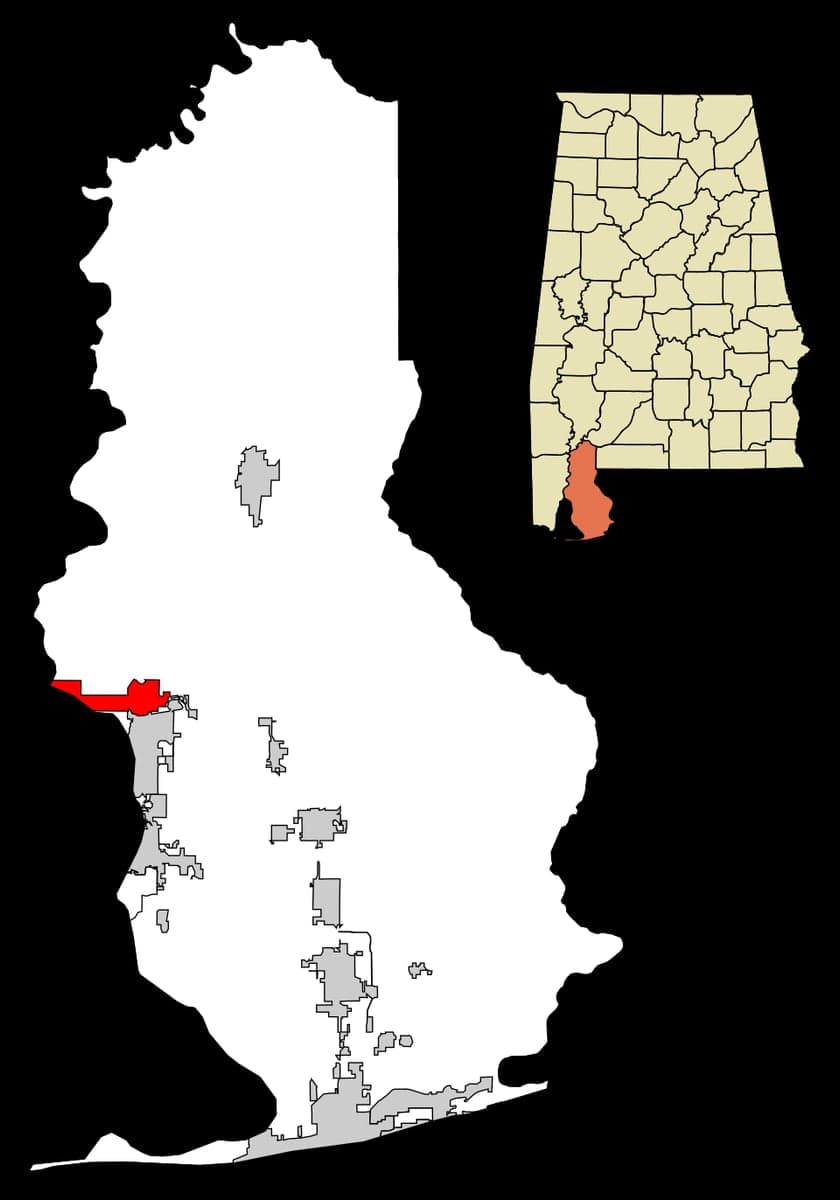
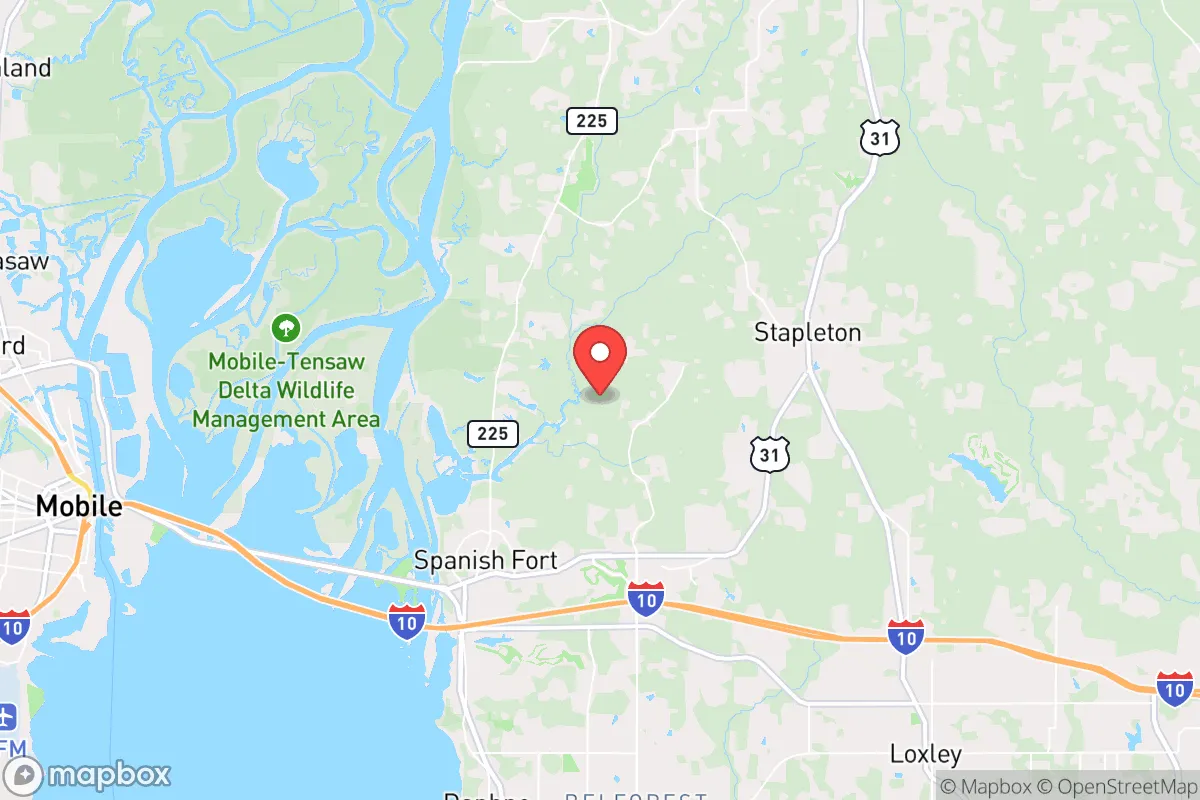
Photo: Wikipedia
Find The Best Places To Live
in Spanish Fort
PRO TIP! You can paste a Zillow or Redfin link to get info on that property.
What It's Like Living in Spanish Fort, AL
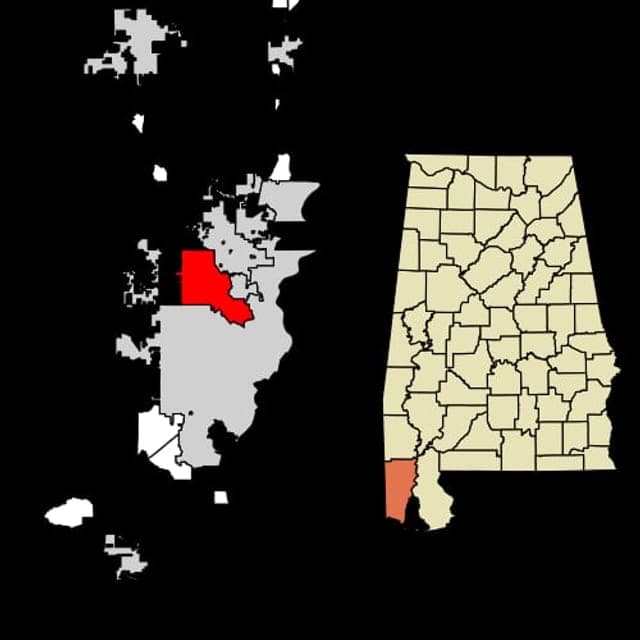
Spanish Fort feels less like a typical suburb and more like a small town that happens to sit right across the bay from a major city. With a population just over 10,300, it offers a slower, more predictable rhythm than Mobile, but it’s close enough that you can be downtown in twenty minutes. The median age of 37.3 and a median household income above $101,000 tell you a lot about who lives here: mostly families and professionals who traded the city’s chaos for good schools, newer houses, and a life where you actually know your neighbors.
The Daily Rhythm: Schools, Commutes, and the Eastern Shore Groove
For most residents, the day starts with a short drive. The average commute clocks in at about 23 minutes, which is manageable even by suburban standards. That time usually goes to heading west across the Causeway into Mobile for work, or south to Daphne and Fairhope for errands. Spanish Fort itself is mostly residential and retail, so you’ll find the big-box shopping and chain restaurants along Highway 31, but the real community life happens around the schools and the waterfront. The Spanish Fort High School Toros are a big deal here—Friday night football games in the fall draw crowds that rival small college games, and the band, cheerleaders, and booster clubs are woven into the social fabric. If you don’t have kids, you’ll still know the school calendar because it dictates traffic patterns and weekend plans.
Weekends are split between yard work (lots of new construction means lots of lawns), boating on Mobile Bay, and hitting local spots like the Eastern Shore Centre for shopping or the nearby Blakeley State Park for hiking and history. The weather is warm most of the year, so outdoor life is the default. Summer is long and humid, but the bay breeze helps. Winters are mild—you might need a jacket a dozen times a year.
Sports, Festivals, and Where People Actually Hang Out
Sports loyalty here is layered. High school football is the most passionate local scene, but you’ll also see plenty of Alabama and Auburn flags on trucks and in front yards. There’s no pro team in town, but Mobile is close enough for minor league baseball (the BayBears) and the Senior Bowl. For college football, most people drive to Tuscaloosa or Auburn a few times a season, or just host watch parties at home. The real gathering spots are the handful of local restaurants and bars that have been around long enough to feel like institutions. Felix’s Fish Camp is the go-to for fried seafood and bay views, and R&R Seafood is a no-frills spot where locals grab boiled shrimp and oysters. For a drink, Fairhope Brewing Company is a short drive south and draws a mixed crowd of young professionals and retirees.
Festivals are mostly seasonal and community-driven. The Spanish Fort Art & Seafood Festival in the fall is the biggest annual event, with live music, local artists, and enough fried fish to feed the whole county. The Eastern Shore’s Christmas parade is a big deal, and the town’s proximity to Fairhope means you can easily borrow their events—like the Fairhope Arts & Crafts Festival—without the crowds of a bigger city. For outdoor recreation, the Mobile-Tensaw Delta is a massive, largely undeveloped wetland perfect for kayaking, fishing, and birding. It’s one of those hidden gems that locals take for granted until a visitor points out how unique it is.
Pros and Cons of Living in Spanish Fort
The upsides are clear and consistent. The schools are the main draw. Spanish Fort schools consistently rank among the best in Alabama, and that’s reflected in home values and the number of families moving in. The violent crime rate is very low—about 62 per 100,000, which is a fraction of the national average—so safety is a genuine selling point. The cost of living index is 109, slightly above the U.S. average, but that’s mostly driven by housing. With a median home value around $314,000, you get more square footage and newer construction than you would in Mobile or many other parts of the country. The 44.5% college-educated population means you’ll find plenty of neighbors who work in healthcare, engineering, or remote professional jobs.
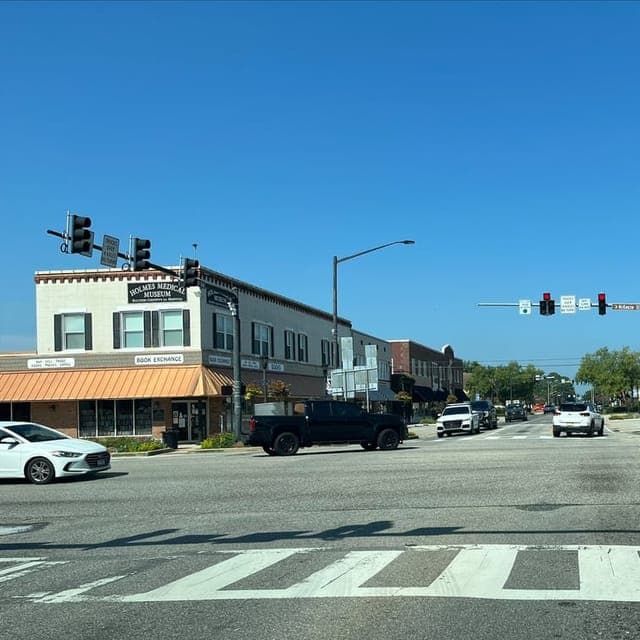
The downsides are real but manageable. Traffic on Highway 31 can be a slog during school drop-off and rush hour, especially around the high school and the main shopping intersections. There’s no real downtown—Spanish Fort is a collection of subdivisions, strip malls, and schools, so if you want a walkable main street with local coffee shops and boutiques, you’ll drive to Fairhope or downtown Mobile. Nightlife is limited to a few sports bars and chain restaurants; if you want live music past 10 p.m., you’re heading to Mobile. The weather is hot and humid from May through September, and hurricane season (June–November) means occasional storm prep and power outages. Some longtime residents also grumble about the rapid growth—new subdivisions and retail are popping up fast, and the small-town feel is slowly giving way to more traffic and chain stores.
Overall, Spanish Fort works best for people who prioritize safety, schools, and space over urban amenities. It’s a place where you trade walkability for a yard, and where the biggest weekly decision might be whether to grill at home or grab oysters at Felix’s. If that sounds like a good trade, you’ll fit right in.

Similar towns to Spanish Fort


* Values derived from national, state, county, city and local statistics and may differ in a specific area. Last updated: 2026-08-18T00:28:01.000Z
Narrative content on this page is AI-generated and may contain mistakes. Verify any details that matter before acting on them.
ReloMaps may earn a commission from affiliate links at no extra cost to you.

