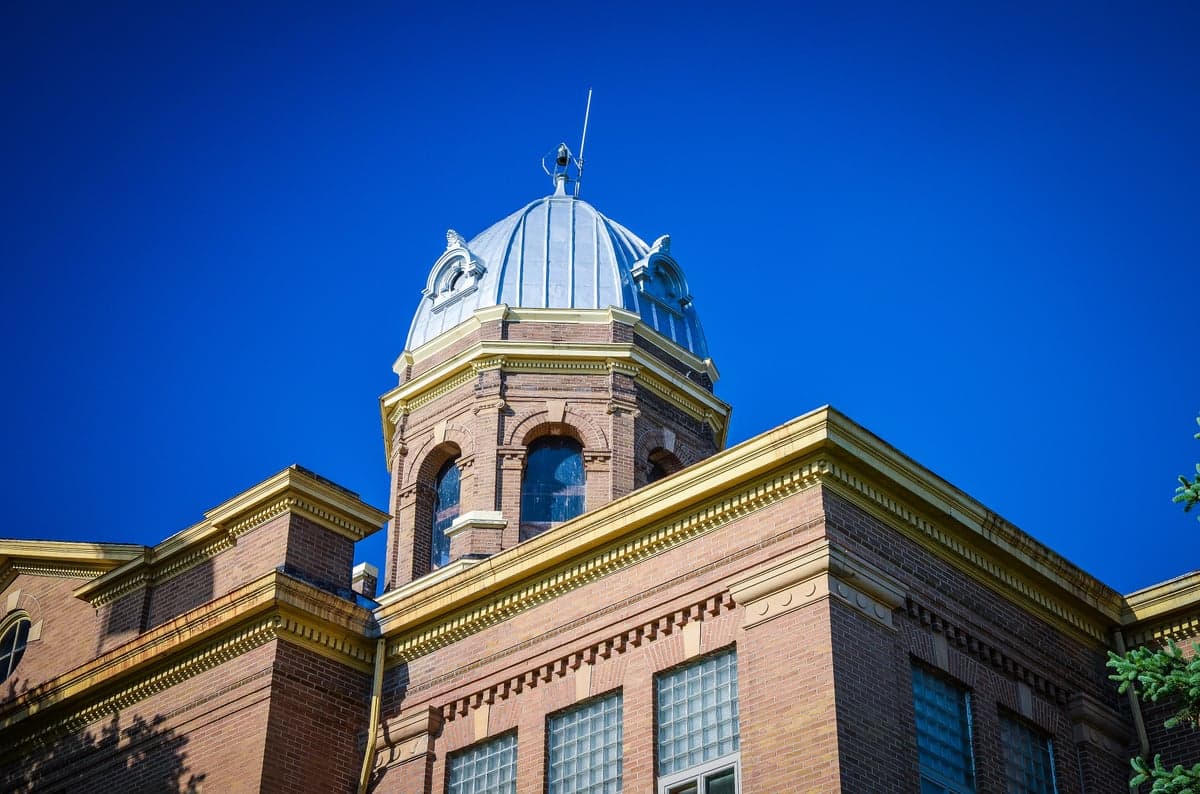
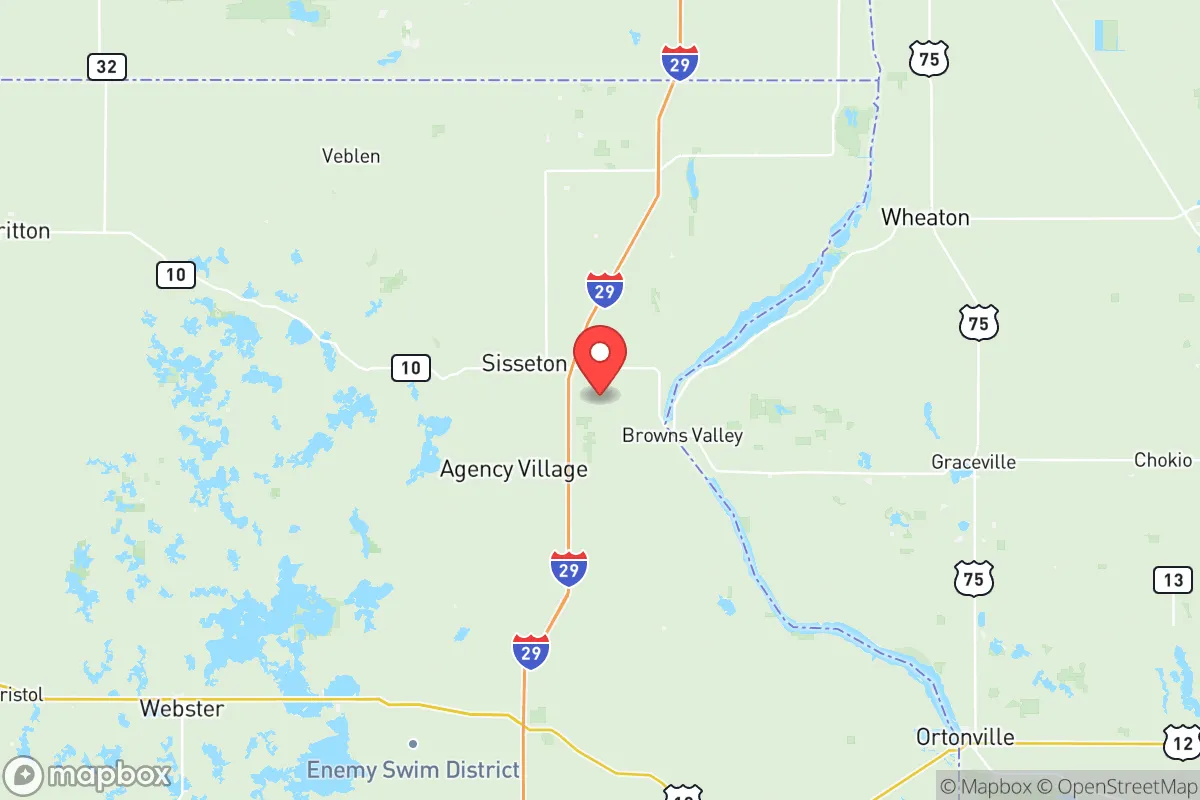
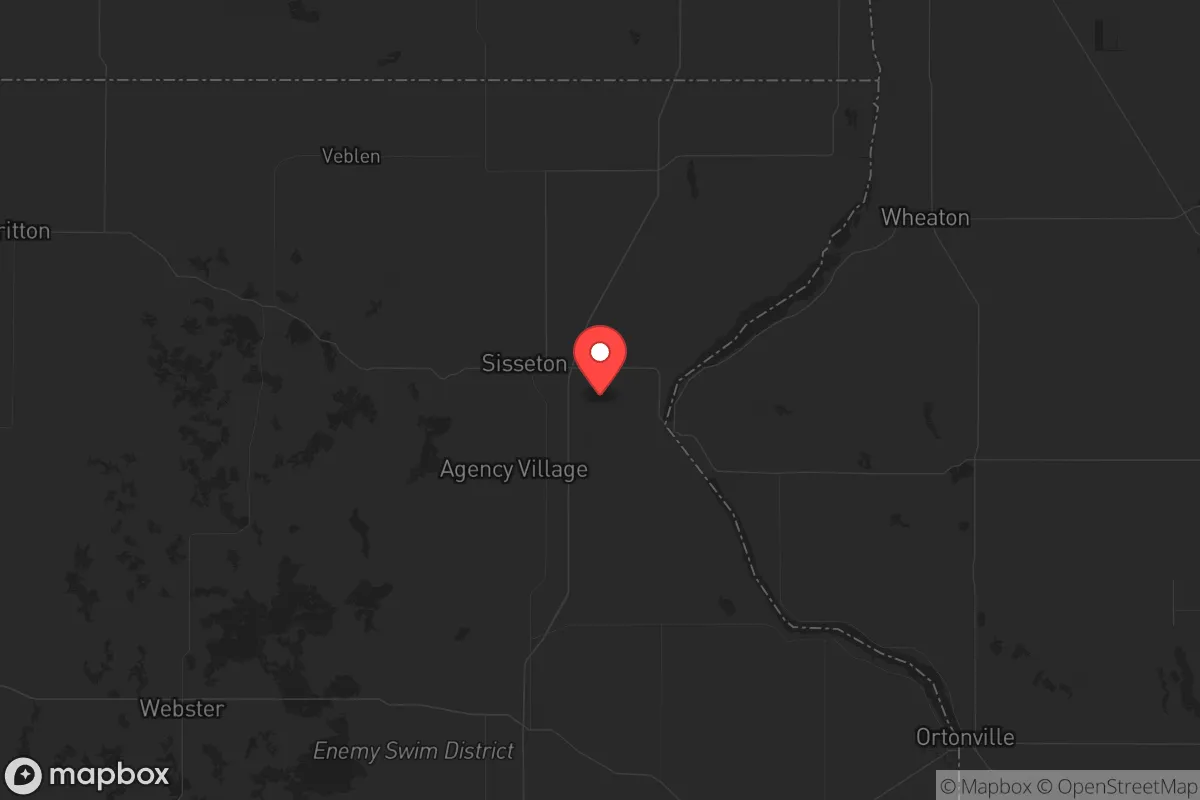
Photo: Wikipedia
Find The Best Places To Live in Roberts County
PRO TIP! You can paste a Zillow or Redfin link to get info on that property.
Best Places to Live in Roberts County
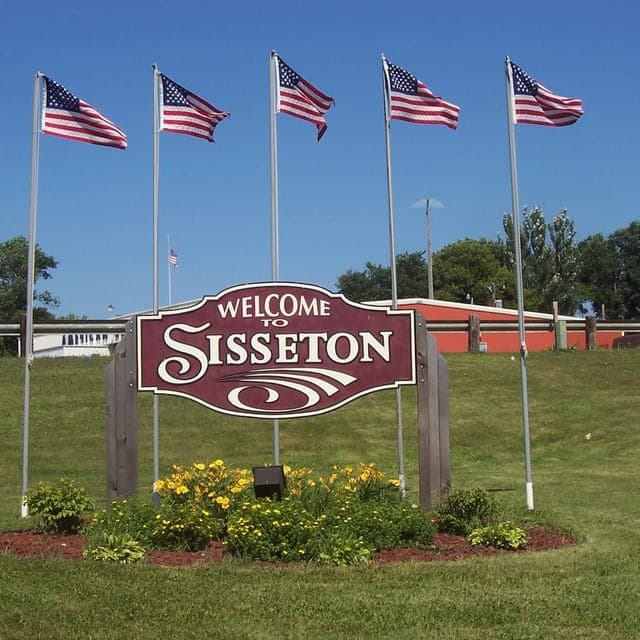
Cities & Towns in Roberts County
Cities in Roberts County
What It's Like Living in Roberts County, SD
Living in Roberts County, South Dakota, feels a lot like stepping back to a time when neighbors knew your name and the biggest decision of the week was whether to hit the lake or the local diner. Spread across the rolling plains and glacial lakes of the northeastern corner of the state, this county of just over 10,000 people is anchored by towns like Sisseton, the county seat, and smaller communities like Rosholt, Summit, and Wilmot. It’s a place where the pace is slow, the land is wide open, and the people are as steady as the prairie winds.
Daily Rhythm in a Lakeside County
Most mornings here start early, especially for the many residents who work in agriculture, manufacturing, or commute to jobs in nearby Watertown or even into Minnesota. The average commute is just over 16 minutes, which means you’re never far from home. After work, life often revolves around the outdoors. Roberts County is dotted with lakes—Big Stone Lake, Lake Traverse, and numerous smaller glacial potholes—so fishing, boating, and hunting are practically a way of life. On weekends, you’ll find families at the Sisseton City Park or grabbing a bite at the Dakota Connection Casino & Hotel near Sisseton, which is a popular spot for dining and entertainment. For groceries and errands, most folks head to Sisseton’s main strip, which has a Super Foods, a few hardware stores, and the local pharmacy. If you need something more specialized, a 45-minute drive to Watertown or a trip across the border to Wheaton, Minnesota, covers the rest.
Who Fits In Here
Roberts County is a good fit for people who value quiet, space, and a strong sense of community. The median age is 37.9, right around the national average, but the area skews toward families and retirees rather than young singles looking for nightlife. The median household income is $63,691, which is modest but goes a long way thanks to a cost of living index of 54—roughly half the national average. With a median home value of just $139,100, a young family or a first-time buyer can actually afford a house here, something that’s becoming rare in much of the country. That said, only about 18.3% of adults hold a college degree, so the job market leans heavily toward trades, farming, retail, and the public sector, including the Sisseton Wahpeton Oyate tribal government, which is a major employer. If you’re a remote worker or someone who doesn’t need a bustling urban scene, you’ll find the low cost of living and open space refreshing.
Sports, Community, and What People Do for Fun
High school sports are the heartbeat of the county. Friday nights in the fall mean packed bleachers at Sisseton High School football games, where the Redmen draw crowds from all over the county. Basketball season is just as big, with rivalries against teams from Milbank and Webster drawing serious local passion. For a smaller town, the community turns out hard for its kids. Beyond school sports, the county’s lakes are the main draw. Big Stone Lake State Park offers camping, hiking, and some of the best walleye fishing in the region. The annual Sisseton Wacipi (Powwow) is a major cultural event, drawing dancers and visitors from across the region to celebrate the heritage of the Sisseton Wahpeton Oyate. For a quieter evening, locals might grab a drink at the Pheasant Lounge in Sisseton or catch a movie at the nearby drive-in during summer. It’s not a place with a concert venue or a mall, but the outdoor recreation and community events fill the calendar.
Honest Pros and Cons of Living Here
Let’s be straight: Roberts County has real upsides and real trade-offs. On the plus side, the cost of living is absurdly low, the crime rate is manageable (violent crime sits at 293.6 per 100,000, which is slightly above the national average but concentrated in specific areas), and the access to lakes and hunting land is hard to beat. People here are genuinely friendly, and there’s a strong sense of mutual support—if your car breaks down on a county road, someone will stop. On the downside, job opportunities are limited, and the nearest major city (Sioux Falls) is a two-hour drive. Winters are long and harsh, with snow and wind that can make travel difficult from November through March. The lack of diversity in shopping, dining, and entertainment can feel stifling if you’re used to city life. And while the schools—like Sisseton High School and the smaller elementary schools in Wilmot and Rosholt—are community anchors, they face the same funding challenges as many rural districts. For the right person, the pros far outweigh the cons. For someone craving career growth or cultural variety, it might feel too small.

* Values derived from national, state, county, city and local statistics and may differ in a specific area. Last updated: 2026-06-27T05:06:41.000Z
Narrative content on this page is AI-generated and may contain mistakes. Verify any details that matter before acting on them.
ReloMaps may earn a commission from affiliate links at no extra cost to you.

