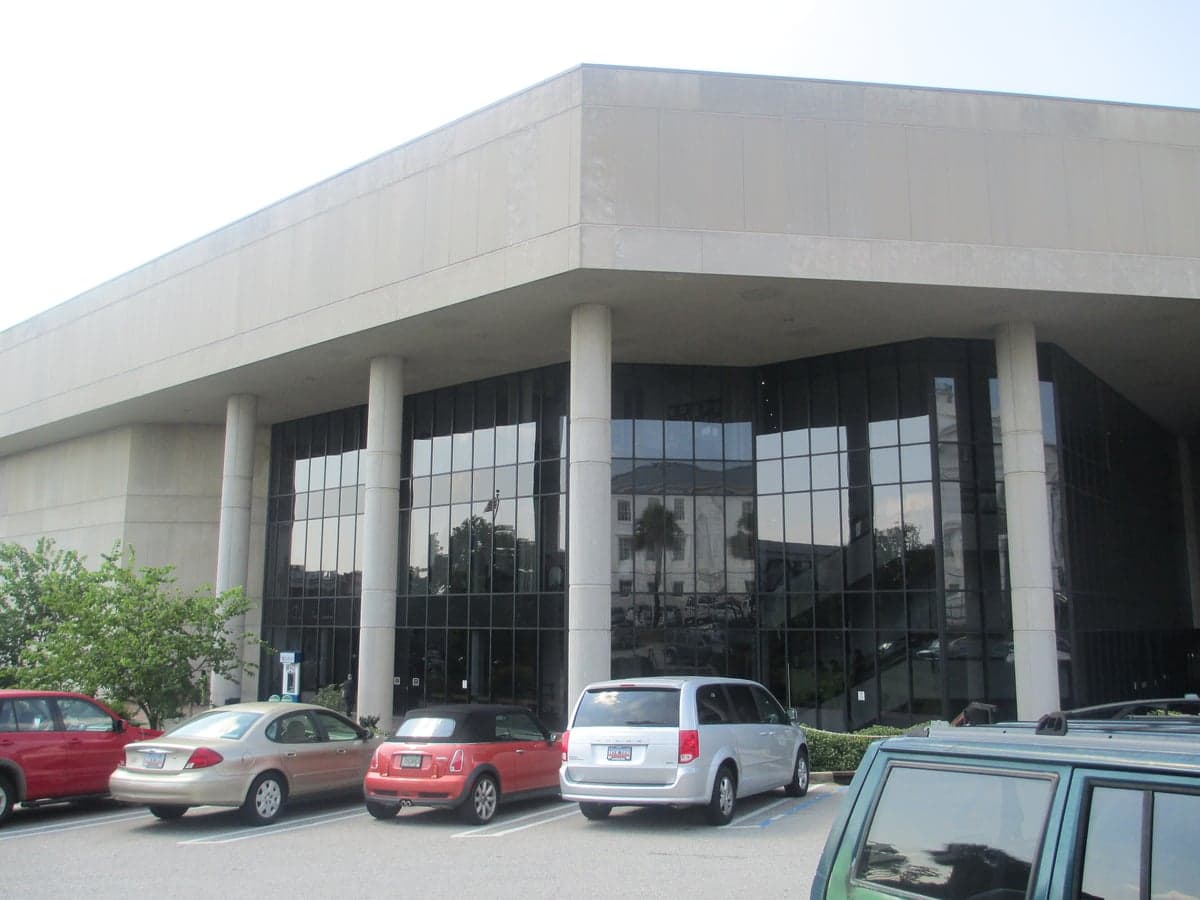
Photo: Wikipedia
Quality of Life in Richland County
A livable area that tracks near national norms for affordability, walkability, and neighborhood health.
What does Quality of Life tell us?
Quality of Life measures an area by evaluating factors like cost of living, nearby amenities, country club access, airport proximity, socioeconomic signals and neighborhood character. For large states, this is a general average — quality of life can vary dramatically between metro areas, suburbs, and rural communities within the same state.
What does this tell us?
Quality of Life measures an area by evaluating factors like cost of living, nearby amenities, country club access, airport proximity, socioeconomic signals and neighborhood character. For large states, this is a general average — quality of life can vary dramatically between metro areas, suburbs, and rural communities within the same state.
Cost of Living
7% below national average
96%
The Real Cost of Living in Richland County for 2026
| Tier | Individual | Family (4) |
|---|---|---|
| Survival | $19k | $36k |
| Comfortable | $44k | $64k |
| Luxury | $111k+ | $173k+ |
| Elite (Top 5%) | $151k+ | $235k+ |
Quality-of-Life Analysis
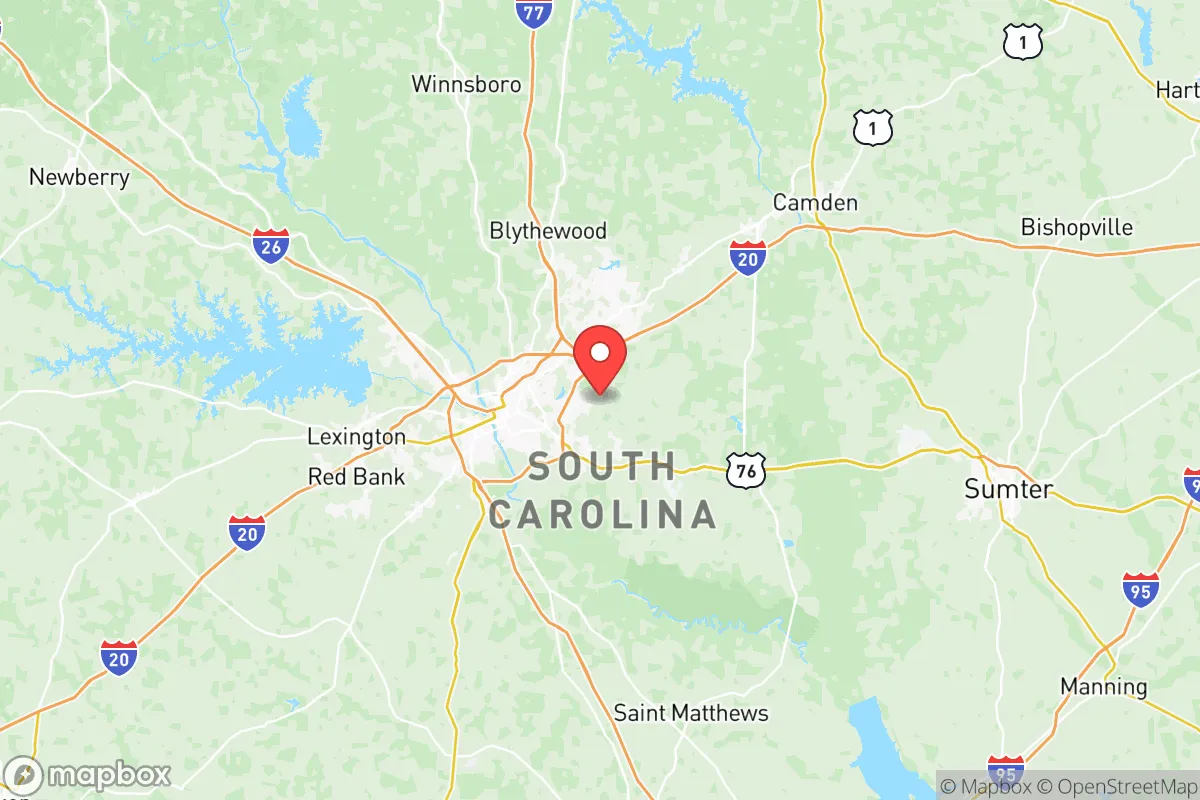
Richland County, South Carolina, offers a broad spectrum of living environments, from the dense urban core of Columbia to quiet, unincorporated crossroads and small towns. The county’s character shifts dramatically within a 20-minute drive, attracting everyone from state government employees and University of South Carolina students to rural homesteaders and suburban commuters. The county’s overall cost of living index sits at 93 (100 = U.S. average), with a median home value of $224,200 and median rent of $1,185, but these averages mask significant variation between its distinct communities.
Largest town(s) & population centers
The dominant population center is Columbia, the state capital, which occupies the county’s central and eastern portions. Daily life here revolves around the downtown government district, the University of South Carolina campus, and a growing food-and-arts scene along Main Street and the Congaree River. The Five Points and Vista neighborhoods are hubs for nightlife and young professionals, while suburbs like Forest Acres and Arcadia Lakes offer tree-lined streets and older, established homes within the city limits. The average commute across the county is 23 minutes, a figure that holds true for many Columbia residents who live within the I-20/I-26 loop. Outside the immediate urban core, Irmo (partially in Richland County) and St. Andrews are large, unincorporated suburbs with major retail corridors, chain restaurants, and access to Lake Murray, making them popular with families seeking a balance of convenience and space.
Smaller towns & rural pockets
Moving away from Columbia, the county’s character becomes markedly rural. Blythewood, in the northern part of the county, is a growing small town with a historic main street and newer subdivisions, but it still retains a semi-rural feel with horse farms and large lots. Further east, Eastover is a small, unincorporated community with a deep agricultural history, home to the annual Eastover Strawberry Festival and surrounded by cotton and soybean fields. Gadsden and Horrell Hill are unincorporated crossroads where the landscape is dominated by pine forests, farmland, and widely spaced homes. These areas offer the lowest housing costs in the county, with some older homes on acreage selling for well under the county median of $224,200, though they also lack municipal services and have longer drives to grocery stores and healthcare.
Cost & lifestyle range
The cost and lifestyle spread across Richland County is wide. At the high end, neighborhoods like Heathwood and Forest Acres (within Columbia) feature historic homes, mature landscaping, and walkable commercial districts, with home values often exceeding $400,000. The Lake Murray shoreline in the Irmo area also commands premium prices for waterfront properties. At the low end, the rural communities of Eastover and Gadsden offer the cheapest real estate, with many homes under $150,000, but residents face limited employment options and a reliance on personal vehicles for all errands. The median rent of $1,185 is typical for a two-bedroom apartment in Columbia or Forest Acres, but drops significantly in older, less central complexes. The average commute of 23 minutes is a county-wide figure; rural residents often drive 30-40 minutes to reach Columbia jobs, while those living near downtown may have commutes under 10 minutes.
Who thrives in Richland County? The county is best suited for people who value choice and are willing to trade off between urban energy, suburban convenience, and rural quiet. State workers, academics, and healthcare professionals at Prisma Health and the VA Hospital find the Columbia core ideal. Families who want good schools and a short commute often settle in Forest Acres or Blythewood. Those seeking land, privacy, and lower housing costs—and who can tolerate a longer drive—will find value in Eastover or Gadsden. The county’s diversity of settings means that a single household can move from a downtown condo to a lakefront home to a farmhouse without leaving Richland County, a flexibility that few other South Carolina counties offer.

Crime in Richland County
Crime rates similar to the national median for U.S. locations.
Violent CrimeViolent Crime Analysis
Property CrimeProperty Crime Analysis
Crime Analysis
Richland County, South Carolina, presents a mixed safety picture for prospective residents. The county’s overall crime rates are elevated compared to both state and national averages, driven largely by property crime, though violent crime remains a significant concern. Understanding where you live within the county—whether in the urban core of Columbia, the quieter suburbs of Irmo, or the more rural areas near Blythewood—is critical to assessing personal risk.
Crime in context
Richland County’s violent crime rate of 372.5 incidents per 100,000 residents is notably higher than the national average of roughly 380 per 100,000 but sits just below the South Carolina state average of approximately 400 per 100,000. The property crime rate of 1,640.5 per 100,000 is significantly elevated, exceeding both the national average (around 1,950) and the state average (about 1,800). These figures place Richland County in a middle tier among South Carolina’s 46 counties—safer than counties like Marion or Marlboro but more dangerous than neighboring Lexington County, which consistently reports lower crime rates. The presence of the University of South Carolina in Columbia and the county’s status as the state capital contribute to a transient population and higher density of targets for property crime, particularly theft from vehicles and burglaries in areas near campus and downtown.
What residents experience
Residents in Richland County report that property crime is the most common safety concern, with car break-ins and package thefts occurring frequently in neighborhoods near the Five Points district and the Vista entertainment area in Columbia. The city of Columbia itself accounts for a disproportionate share of the county’s violent crime, with concentrated incidents in the Eau Claire and North Main areas. In contrast, the suburban towns of Irmo and Blythewood experience significantly lower crime rates, often falling below the national average for violent crime. The judicial environment in Richland County is a point of contention: the county’s elected solicitor (district attorney) and judges in the Fifth Judicial Circuit have been criticized by some residents and law enforcement for pursuing progressive sentencing reforms, including diversion programs and reduced bond amounts for nonviolent offenders. Critics argue that these policies, while intended to reduce incarceration, have resulted in repeat offenders being released quickly, contributing to a perception of leniency that undermines public safety. This is particularly relevant in Columbia, where property crime recidivism is a documented issue.
Neighborhood-level variation
Safety in Richland County varies dramatically by neighborhood. The Forest Acres area, an inner-ring suburb of Columbia, maintains a moderate crime profile with property crime rates slightly above the county average but violent crime well below. The Lake Carolina community in northeast Richland County is widely regarded as one of the safest, with gated sections and a homeowners’ association that funds private security patrols. Conversely, the St. Andrews area near I-26 and I-20 has persistent issues with property crime and occasional violent incidents, driven by its high-density apartment complexes and transient rental population. For those considering a move, the safest bets are the outer suburbs of Blythewood and Irmo, where crime rates are comparable to the safest small towns in the Southeast. The county’s progressive judicial philosophy, while well-intentioned, has created a two-tier safety reality: residents in affluent, well-policed suburbs experience relatively low crime, while those in urban and older suburban neighborhoods face higher risks, particularly from property crime and repeat offenders cycling through the justice system.
* Values derived from national, state, county, city and local statistics and may differ in a specific area. Last updated: 2026-06-15T12:11:45.000Z
Narrative content on this page is AI-generated and may contain mistakes. Verify any details that matter before acting on them.
ReloMaps may earn a commission from affiliate links at no extra cost to you.

