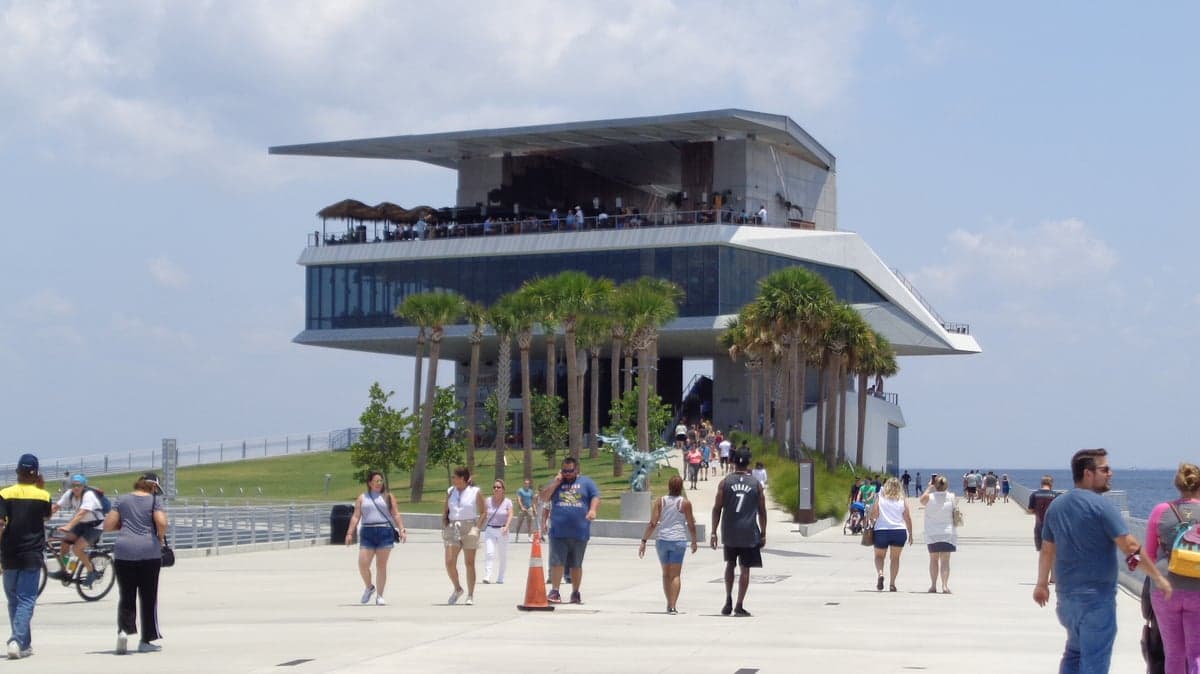
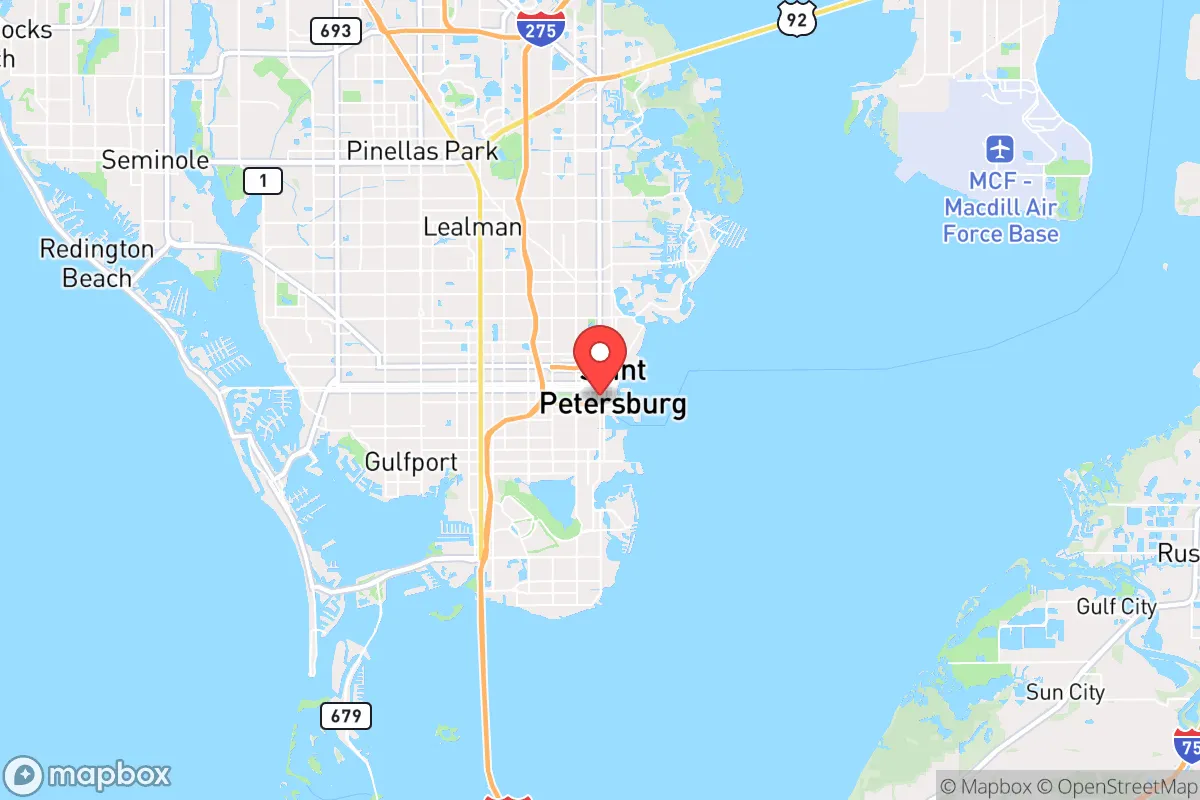
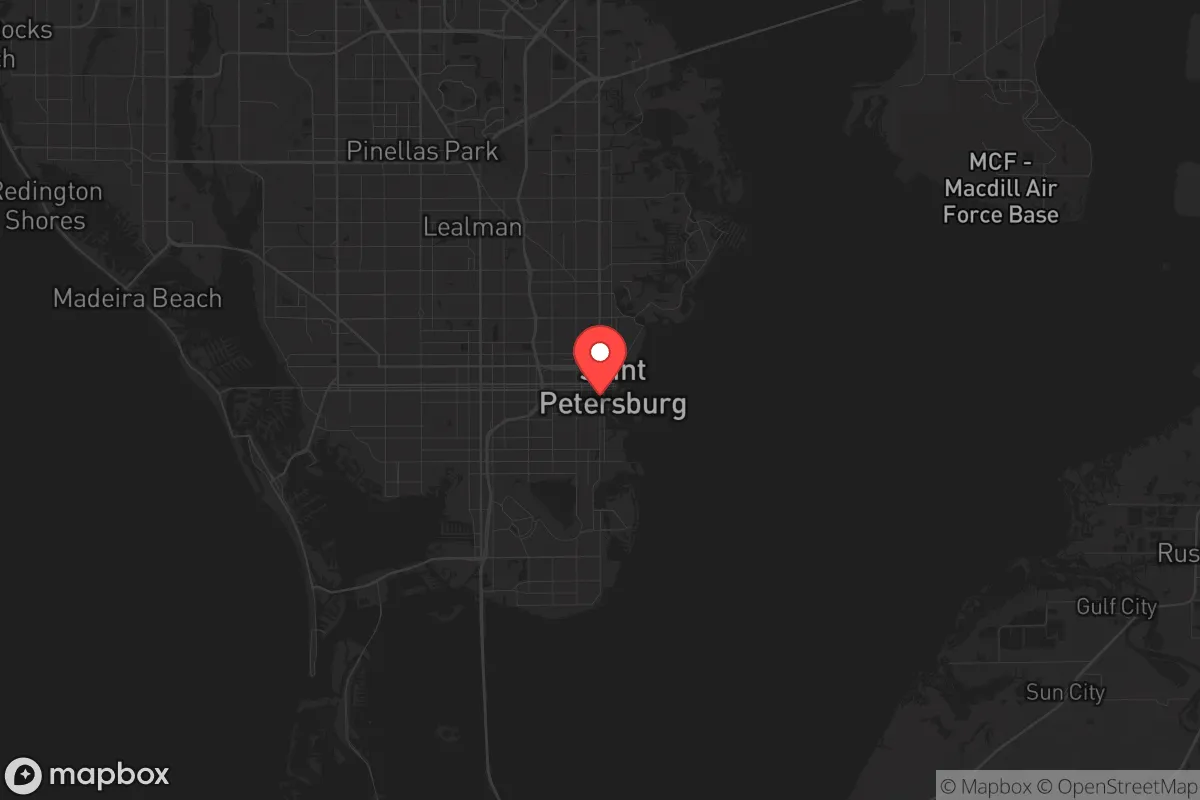
Photo: Wikipedia
Strategic Assessment of Saint Petersburg, FL
High tactical risk. This location is likely close to major population centers, strategic targets, or sits in a high-disaster corridor. A retreat property and careful exit planning is required.
What does the Strategic Assessment tell us?
Our Strategic Assessment grades tactical survivability of an area. Major population centers, military targets, fallout zones, natural disasters, and border exposure all drive risk — lower exposure means a more defensible position in a crisis.
This is heavily inspired by Joel Skousen's Strategic Relocation book. Highly recommended you checkout the book ($)What does this tell us?
Our Strategic Assessment grades tactical survivability of an area. Major population centers, military targets, fallout zones, natural disasters, and border exposure all drive risk — lower exposure means a more defensible position in a crisis.
This is heavily inspired by Joel Skousen's Strategic Relocation book. Highly recommended you checkout the book ($)Strategic Pillars
Key Distances
Regional Safe Places
Below is our recommended "safe zones" in Florida and the surrounding area based on our strategic heuristics. For most people, it's unrealistic to live in a “safe zone” full-time due to work, family or other personal reasons. They tend to be more rural. However, many of these areas are perfect for second homes and retreat properties that double as a vacation home or even a short-term rental.

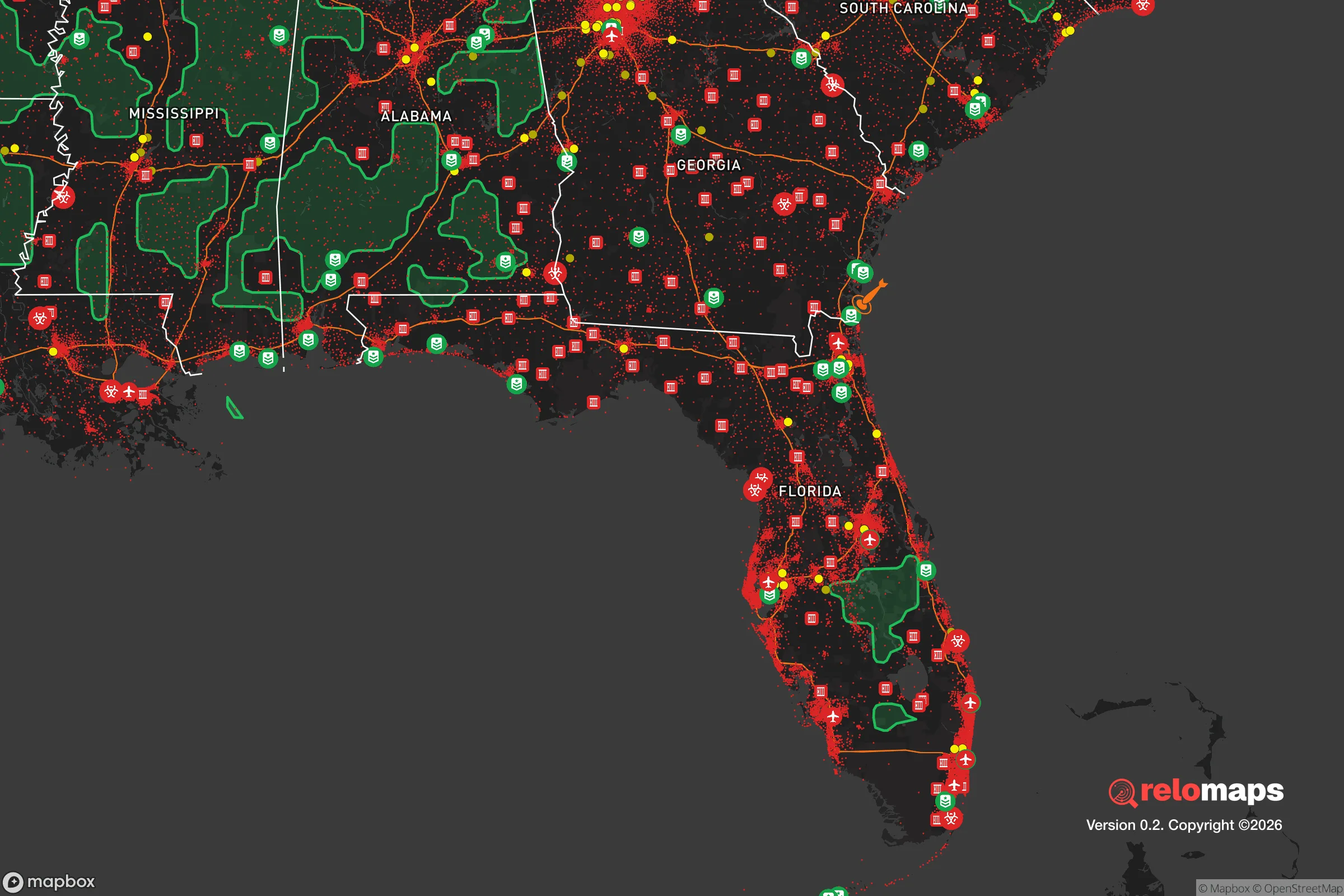


Important Note: For informational purposes only. This does not mean nothing bad ever happens in the green zones. Please use common sense. This is based on public data and modeled with AI. We tried to take a conservative approach but mistakes happen. We update this regularly as new information becomes available.
Solar Generator Recommendations
Backup power matters more here than in safer locations. We've picked three solar generators across budgets and capacity tiers — start with the budget unit if you only need a few essentials, or step up if you want to run a fridge and HVAC for days at a time.
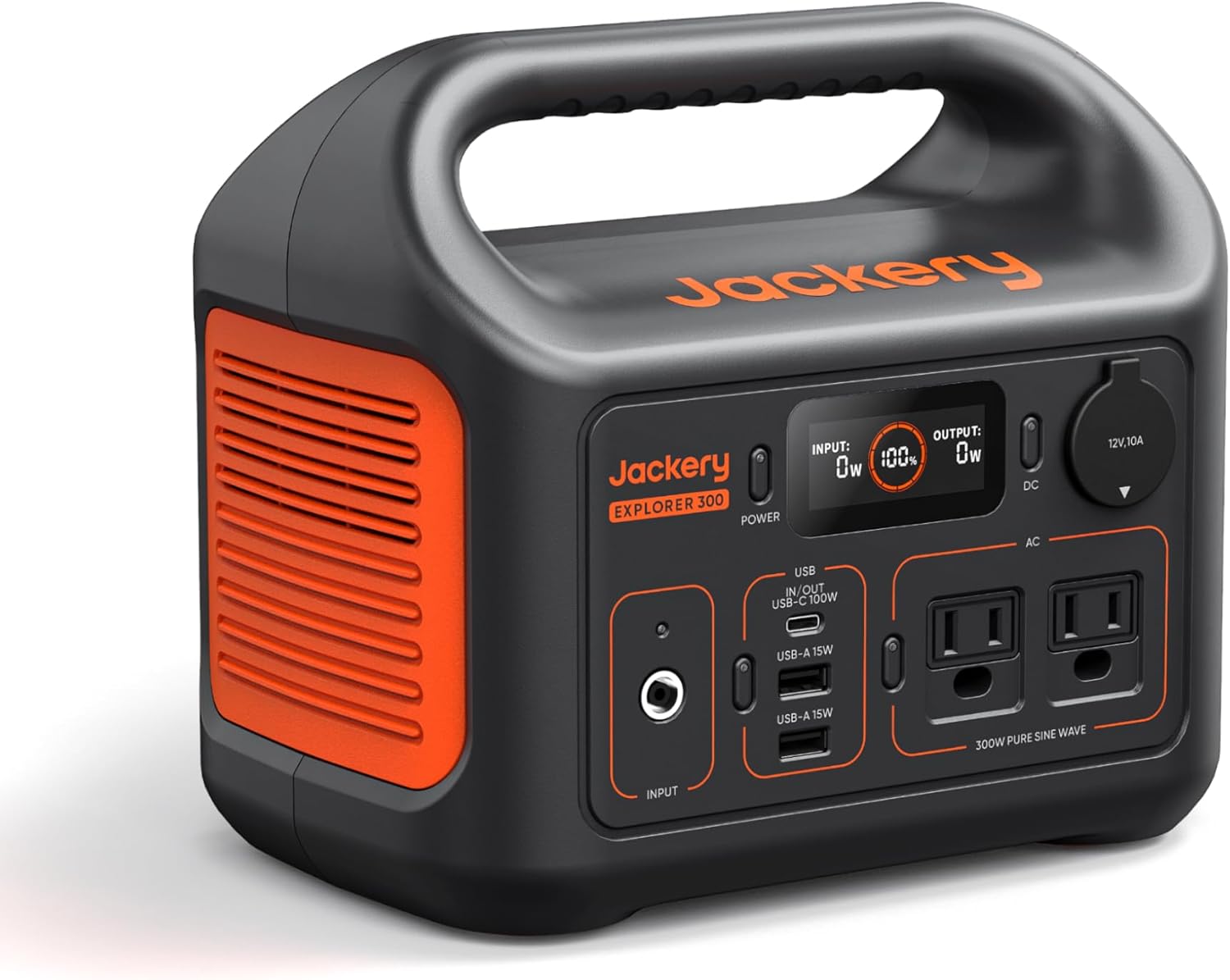
Jackery Portable Power Station Explorer 300
Budget OptionPower on the Go: Weighing only 11 lbs, it's convenient to set up and store with book-sized foldable solar panels

BLUETTI Portable Power Station AC180
Designed for both indoor and outdoor scenarios, AC180 is highly capable as it has a robost capacity and continuous output power.

EF ECOFLOW DELTA Pro Ultra Power Station
Upgraded PickEcoFlow DELTA Pro Ultra is a whole-home energy system designed to grow with your family. Integrated with the Smart Home Panel 2, it scales to meet your evolving energy needs — keeping your home powered, intelligent, and secure through every stage of life.
We earn a commission, at no additional cost to you.
Strategic Assessment Analysis
Saint Petersburg, Florida, presents a genuinely mixed strategic picture for the relocation-minded reader. On one hand, it sits on a peninsula with superb natural defenses and a strong local economy; on the other, it is a low-lying coastal city with a single primary evacuation route and close proximity to a major metropolitan target. The city’s resilience story is less about avoiding risk entirely and more about understanding its specific vulnerabilities and building a deliberate, layered preparedness plan around them.
Geographic position and natural advantages for long-term stability
Pinellas County, where St. Pete is located, is a 280-square-mile peninsula bounded by Tampa Bay to the east and the Gulf of Mexico to the west. This geography provides a natural buffer from inland sprawl and creates a distinct, self-contained community with a strong sense of place. The city itself is relatively compact, with a population of roughly 260,000, and its layout is dominated by waterfront neighborhoods, a dense downtown core, and a network of causeways connecting to barrier islands like Treasure Island and St. Pete Beach.
The area’s climate is a double-edged sword. The subtropical environment means mild winters and abundant sunshine, which supports year-round outdoor activity and a robust local food-growing season. The region’s sandy, well-draining soil is actually a plus for flood mitigation in many inland neighborhoods, though it is poor for agriculture without amendment. The Tampa Bay estuary provides a rich marine ecosystem, offering a reliable source of seafood for those with the skills to harvest it. For a relocator, the key geographic advantage is the sheer density of resources within a 30-minute radius: multiple hospitals, a major university (USF St. Petersburg), and a diversified economy anchored by finance, tech, and healthcare that is less vulnerable to a single-industry collapse than many Sun Belt peers.
Exposure to natural hazards and proximity to high-value targets
The most significant strategic weakness is hurricane exposure. St. Pete sits directly in the path of storms that form in the warm Gulf waters, and the city has not taken a direct Category 4 or 5 hit since 1921, a statistical anomaly that many local planners privately acknowledge cannot last. The 2022 Hurricane Ian near-miss, which caused significant storm surge flooding on the barrier islands and knocked out power to over 100,000 customers in Pinellas County, was a stark reminder of the fragility of the region’s infrastructure. Storm surge is the primary threat; much of the city’s southern and western edges are at or below 10 feet of elevation, and evacuation zones A and B cover a substantial portion of the residential population.
Beyond weather, the area’s proximity to MacDill Air Force Base in Tampa is a critical consideration. MacDill is the headquarters for U.S. Central Command and U.S. Special Operations Command, making it one of the highest-value military targets in the continental United States. In a major conflict scenario, the Tampa Bay region would be a primary node for both conventional and asymmetric attacks. Additionally, the Port of Tampa is a major fuel and cargo hub, and the Sunshine Skyway Bridge, the only direct highway link south, is a single point of failure for ground evacuation. The city’s location on a peninsula means there are only three practical road exits: I-275 north, I-275 east across the Howard Frankland Bridge, and U.S. 19 north. In a mass evacuation event, these choke points would gridlock within hours.
Practical resilience for a relocator: food, water, energy, and defensibility
For the individual or family serious about self-sufficiency, St. Pete offers a workable but challenging environment. The city has a strong local food movement, with the Saturday Morning Market in downtown and several year-round farmers markets providing access to locally grown produce. However, the sandy soil and intense summer heat make traditional vegetable gardening difficult; raised beds and shade cloth are essential. The surrounding agricultural region, particularly east of Tampa in Hillsborough and Polk counties, is a major producer of strawberries, citrus, and cattle, so regional food security is reasonably strong, provided fuel and transport networks remain functional.
Water is the most pressing concern. The city’s drinking water comes from a mix of the Tampa Bay Regional Reservoir and the Floridan Aquifer, both of which are vulnerable to saltwater intrusion and contamination during major storm events. A well is not a practical option for most city lots due to the shallow, brackish water table. The prudent relocator should plan on a minimum of two weeks of stored water per person, and ideally a rainwater catchment system for non-potable uses. Energy resilience is similarly mixed. Duke Energy’s grid is aging, and the region experiences frequent outages during summer thunderstorms. Solar is viable, with the city averaging over 240 sunny days per year, but net metering policies and insurance costs for rooftop panels have become less favorable in recent years. A natural gas generator or a solar-plus-battery system is a near-necessity for anyone planning to ride out a storm at home.
Defensibility is a nuanced topic. St. Pete’s dense, walkable neighborhoods like Old Northeast and Kenwood offer a degree of community cohesion that is genuinely valuable in a crisis. The city has a visible police presence and a relatively low violent crime rate compared to Tampa, but property crime and car break-ins are persistent issues, particularly in tourist-adjacent areas. For a more defensible position, look to the northern end of the county, near the Pinellas Trail corridor, where lots are larger and the street grid is less porous. The barrier islands, while beautiful, are the worst possible choice for long-term resilience; they are the first to be evacuated, the last to have power restored, and are completely dependent on causeways that can be washed out.
The overall strategic picture for Saint Petersburg is one of high convenience with moderate-to-high risk. It is not a location for someone seeking a remote, off-grid retreat; it is a city that rewards preparation and community integration. The economic vitality, medical infrastructure, and natural beauty are real assets, but they come with the inherent vulnerabilities of a densely populated, low-lying peninsula. For the relocator who is willing to invest in water storage, backup power, and a genuine neighborhood network, St. Pete can be a resilient and rewarding home. For those seeking maximum self-sufficiency and minimal exposure to man-made threats, the inland counties east of Tampa, or the higher elevations of central Florida, offer a more defensible alternative. The choice ultimately comes down to whether the lifestyle benefits justify the strategic trade-offs.

* Values derived from national, state, county, city and local statistics and may differ in a specific area. Last updated: 2026-11-20T05:17:55.000Z
Narrative content on this page is AI-generated and may contain mistakes. Verify any details that matter before acting on them.
ReloMaps may earn a commission from affiliate links at no extra cost to you.

