Photo: Wikipedia
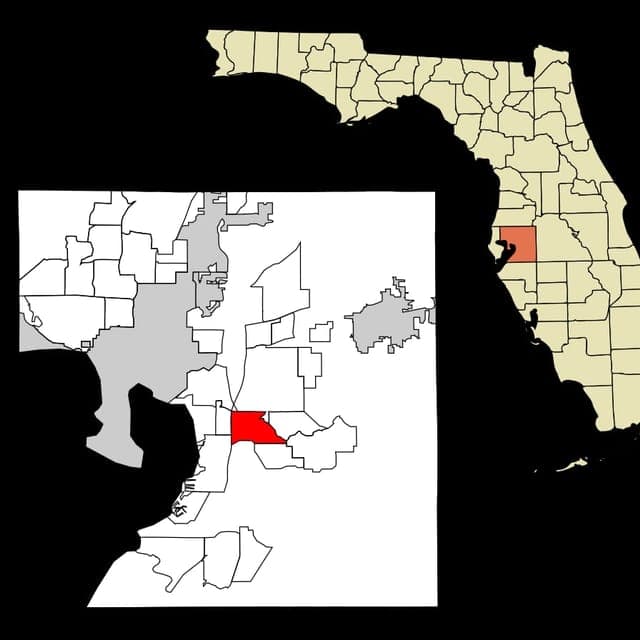
An Unincorporated Community in Pinellas County, Florida
Find The Best Places To Live
in Saint Petersburg
PRO TIP! You can paste a Zillow or Redfin link to get info on that property.
Compare Saint Petersburg with another place
What It's Like Living in Saint Petersburg, FL
Saint Petersburg, Florida, often goes by “St. Pete,” and locals will tell you it’s a city that feels more like a small town with a big-city arts scene and a beachy, laid-back pulse. It’s not the high-rise, fast-lane Florida of Miami or the tourist-choked stretch of Orlando; instead, it’s a place where people actually live, work, and linger over coffee on a Tuesday morning. With a population of roughly 260,646, the city has a distinct identity—part retiree haven, part creative hub, part family-friendly beach town—and it attracts a mix of young professionals, empty nesters, and families who value walkable neighborhoods and a slower pace.
The Daily Rhythm: What People Actually Do
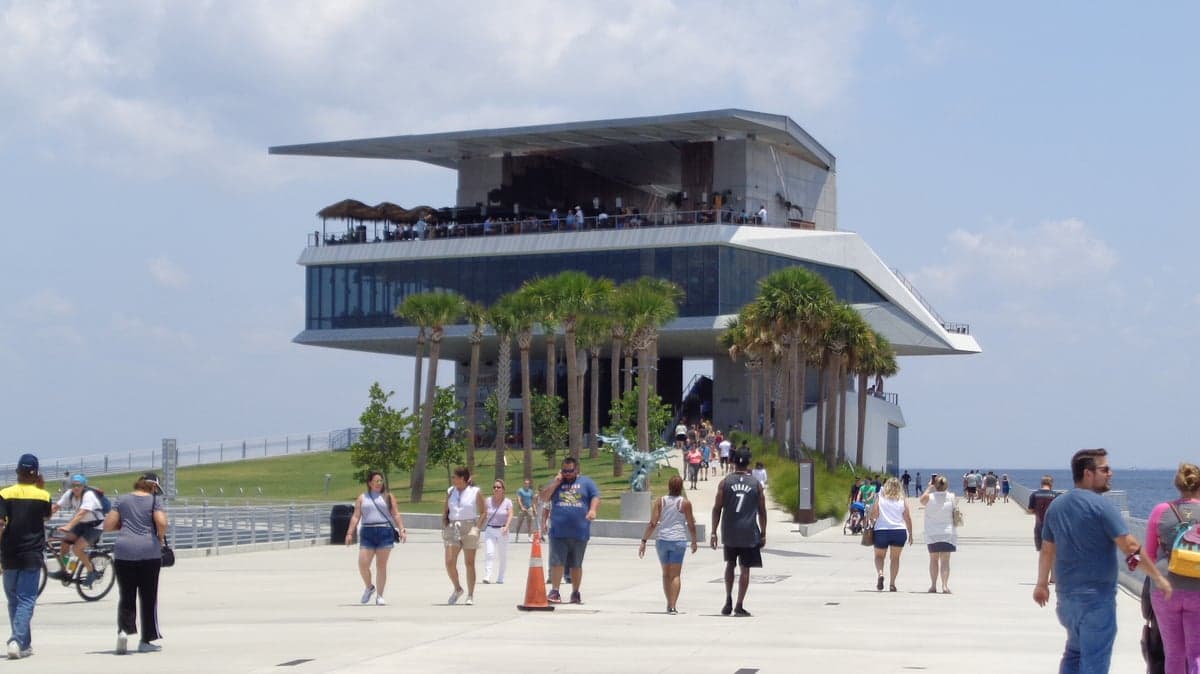
Most days in St. Pete revolve around the water and the weather. The average commute is just over 25 minutes, which is manageable, and many residents bike or walk to local spots, especially in neighborhoods like Old Northeast, Kenwood, and the Grand Central District. You’ll see people heading to the Saturday Morning Market at Al Lang Stadium for fresh produce and local crafts, or grabbing a Cuban sandwich at Bodega on Central Avenue. The median age here is 43.1, which means the city skews a bit older than the national average, but it’s not a sleepy place—weekends are filled with kayaking in the mangroves at Weedon Island Preserve, paddleboarding on Tampa Bay, or just lounging on the white sand at Fort De Soto Park. For families, the St. Pete Pier is a daily destination: a redeveloped waterfront hub with a playground, a splash pad, and a rotating lineup of food trucks and live music. Grocery shopping often means a trip to the local Publix, but the city also has a strong farmers’ market culture and a growing number of independent co-ops.
Sports, Festivals, and the Weekend Vibe
Sports are a big deal here, but not in the way you might expect. There’s no NFL or NBA team in St. Pete proper, but the Tampa Bay Rays (MLB) play at Tropicana Field right downtown, and the Tampa Bay Lightning (NHL) are just across the bay in Tampa. High school football is genuinely popular—games at Lakewood High and St. Petersburg High draw solid crowds, especially during playoff season. The city also hosts the Grand Prix of St. Petersburg, an IndyCar race that shuts down downtown streets every spring and turns the waterfront into a roaring festival. For music and arts, the vibe is eclectic: the Salvador Dalí Museum is a world-class draw, and the Warehouse Arts District has open studios and galleries that feel more grassroots than polished. The annual St. Pete Pride parade is one of the largest in the Southeast, and the city’s identity is proudly inclusive. If you’re looking for a night out, you’ll find craft breweries like Green Bench and 3 Daughters Brewing, plus a string of live music venues like Jannus Live, an outdoor courtyard that books everything from indie rock to reggae.
Who Fits In Here—and Who Might Struggle
St. Pete tends to suit people who value lifestyle over hustle. The median household income is about $73,118, and 41.3% of adults hold a bachelor’s degree or higher, which puts the city in a comfortable middle-class bracket—educated but not elitist. The kind of person who thrives here is someone who wants to trade a long commute for a bike ride to the beach, who doesn’t mind humidity for eight months of the year, and who appreciates a community where you can strike up a conversation with a stranger at a taco joint. Families often choose St. Pete for its relatively strong public school options (though school quality varies by neighborhood) and the sheer number of kid-friendly outdoor activities. That said, the cost of living index is 127, well above the national average, and the median home value sits at $331,500—a figure that has climbed sharply in recent years. Longtime residents will tell you that housing affordability is the city’s biggest frustration, especially for younger singles and service workers. Rent has risen faster than wages, and the influx of remote workers from higher-cost states has pushed prices up.
Pros, Cons, and the Real Weather Reality
The upsides are obvious: year-round sunshine, world-class beaches, a thriving arts scene, and a downtown that’s genuinely walkable. The downsides are just as real. The violent crime rate is 210.9 per 100,000 residents, which is lower than the national average but still a concern in certain pockets—particularly south of Central Avenue and some parts of the 34th Street corridor. Traffic has gotten noticeably worse, especially on I-275 and the bridges to Tampa, though it’s still nothing like Miami or Atlanta. And then there’s the weather: summer brings daily thunderstorms, oppressive humidity, and the ever-present threat of hurricanes. Locals learn to plan outdoor activities for the morning and accept that afternoons from June through September are for air conditioning or a quick dip in the Gulf. The seasonal rhythm is real—snowbirds arrive in November, restaurants get crowded, and the pace slows again by May. For all its quirks, St. Pete has a strong sense of place. People who live here tend to stay, and they’ll tell you it’s the kind of city that grows on you—not because it’s perfect, but because it’s genuinely livable.

Similar mid-size cities to Saint Petersburg



* Values derived from national, state, county, city and local statistics and may differ in a specific area. Last updated: 2026-11-20T05:17:55.000Z
Narrative content on this page is AI-generated and may contain mistakes. Verify any details that matter before acting on them.
ReloMaps may earn a commission from affiliate links at no extra cost to you.

