Photo: Wikipedia
Find The Best Places To Live
in Redmond
PRO TIP! You can paste a Zillow or Redfin link to get info on that property.
What It's Like Living in Redmond, OR
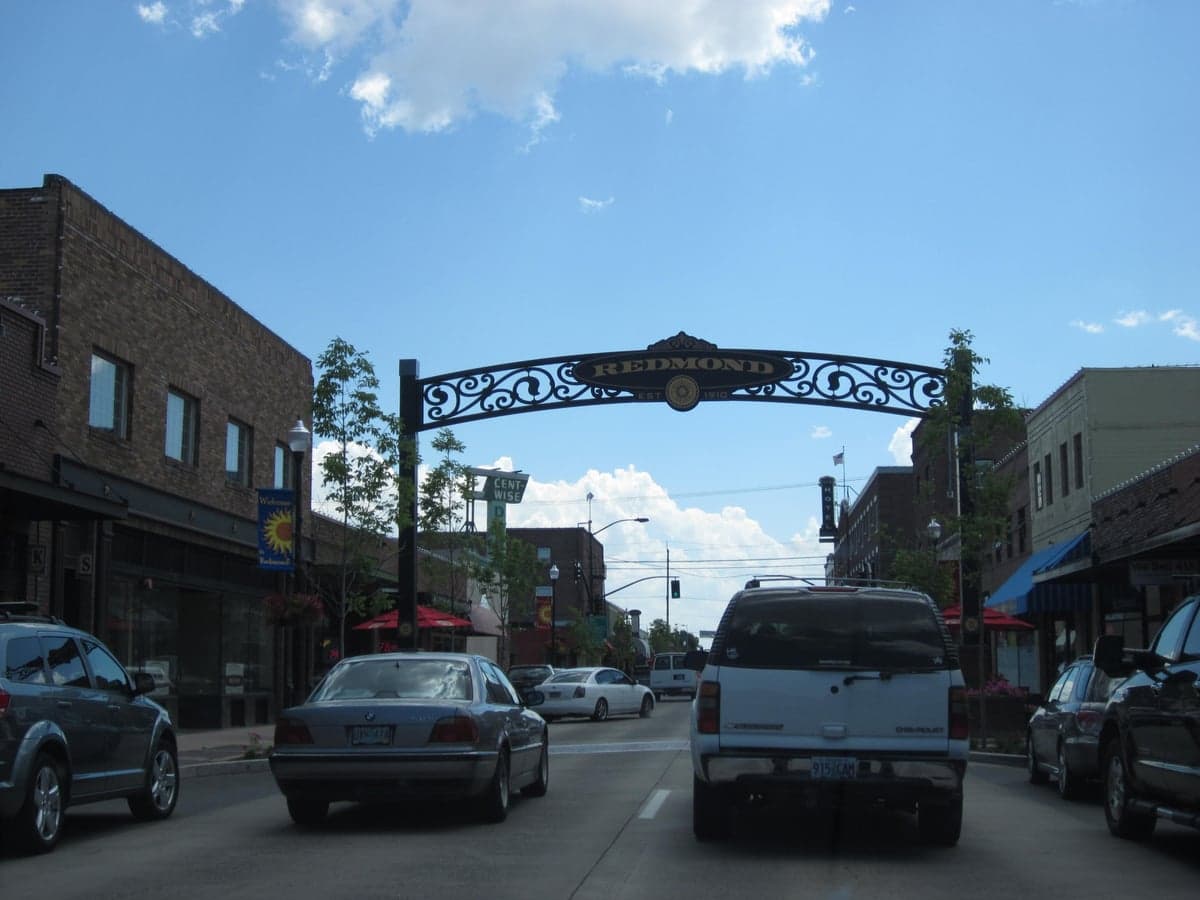
Redmond, Oregon, feels like the working, unpretentious cousin of nearby Bend — a place where people are less concerned about image and more focused on getting things done. Perched on the high desert plateau at just over 3,000 feet, it’s a town of about 35,000 residents that has quietly grown from a railroad stop into a full-fledged community of its own, with a distinct blue-collar backbone that still defines its daily rhythm.
The Daily Rhythm: Work, Weather, and Weekends
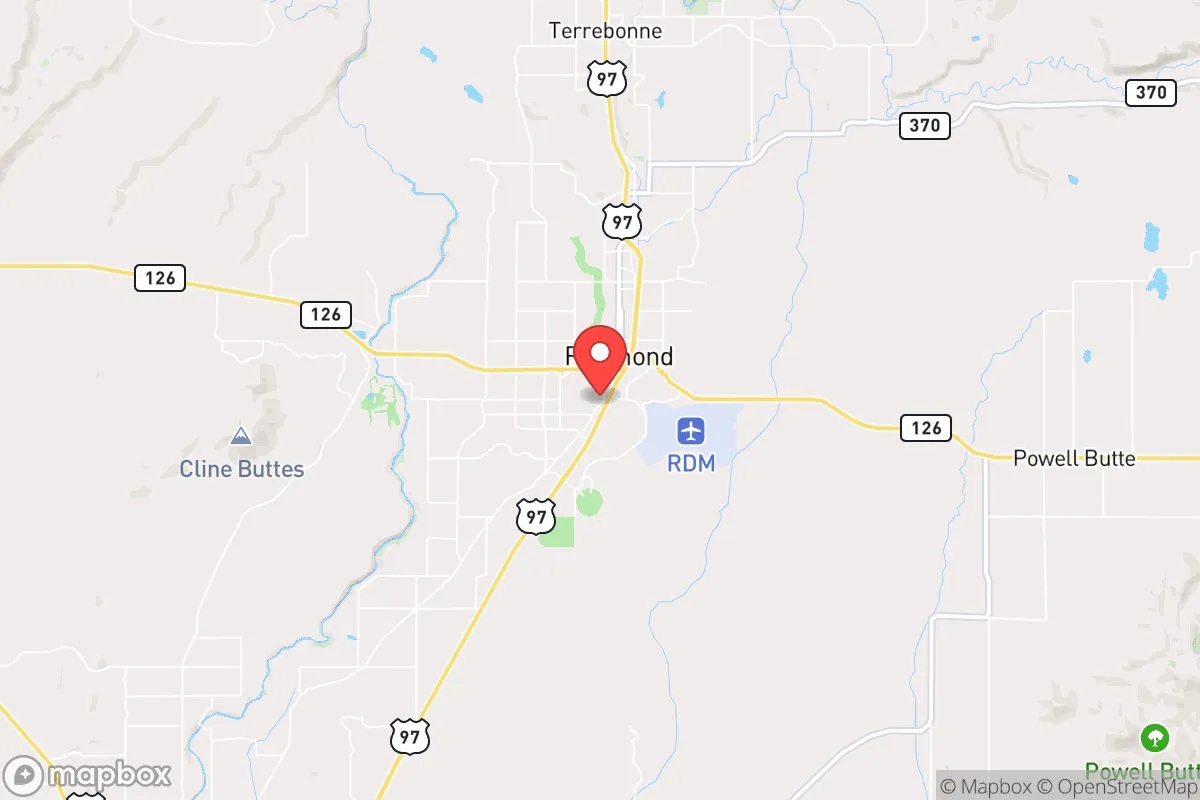
Life in Redmond revolves around a straightforward, outdoorsy pragmatism. The median age is a fairly young 36.1, and the median household income lands at $79,789 — enough to live comfortably here thanks to a cost of living index of 138 (well above the national average, but lower than Bend’s notorious 150+). Most folks work in construction, healthcare, manufacturing, or the growing aviation sector tied to the Redmond Municipal Airport (RDM). The average commute is a blessedly short 21 minutes, which means fewer people wasting hours behind a wheel and more time actually living. When the workday ends, you’ll find people heading to the nearby Smith Rock State Park for rock climbing, biking the Cline Butte trails, or simply grabbing a beer at Wild Ride Brewing on 5th Street, a true local hangout where high school coaches and mechanics stand shoulder to shoulder with remote workers.
Weather dominates conversation here. Summers are hot, dry, and brilliant — 85 to 95°F for months on end — while winters are cold, cloudy, and prone to freezing fog that can make driving a task. Snow is common but not crippling; the real winter quirk is “Redmond fog,” a thick inversion layer that can settle in for weeks at a time while the sun shines just 20 minutes up at Mount Bachelor. It shapes the seasonal rhythm: people hunker down in January, then explode outdoors in spring.
Sports, Community, and What People Actually Do
High school sports are a big deal here. The Redmond High School Panthers pack the stands for Friday night football in the fall, and the gym is packed for basketball games in the winter. There’s no college or pro team to speak of, so the community rallies around its own kids and local youth leagues. Soccer, baseball, and lacrosse fields are full on summer evenings, and the Redmond Area Parks and Recreation District does a solid job keeping facilities modern. The biggest annual event is the Deschutes County Fair & Rodeo in late July — a week-long affair that draws 100,000-plus people from across the region for rodeo events, carnival rides, and a livestock auction that feels authentically rural.
Beyond the fair, festivals are low-key but meaningful. The St. Patrick’s Day Parade down 6th Street is a genuine community tradition — think candy thrown from pickup trucks, not corporate floats. Art in the High Desert is a fine arts festival in August that fills Sam Johnson Park with painters and sculptors. For food, you’ll find standouts like Nano’s Pizza (a thin-crust cult favorite) and Munchies Eatery for breakfast burritos that take up half a plate. Nightlife is sparse but functional: Wild Ride, a few dive bars like Gene’s Place, and the newer Faith Hope and Charity Vineyards tasting room offer a few different vibes.
Who Fits In Here, and Who Might Not
Redmond tends to attract people who value space, affordability (compared to Bend), and a slower pace. You see a lot of families with young children — the schools are a central community hub, with the elementary and middle schools hosting parent nights, art shows, and track meets that bring people together. About 29% of adults have a college degree, a figure notably lower than Bend’s 45%, and that difference is felt in the town’s comfortable, no-nonsense atmosphere. The median home value is $435,000 — a number that, while high historically, is still roughly $200,000 less than the median in Bend. This financial reality has attracted a wave of tradespeople, shift workers, and service-industry families who were priced out of their hometowns.
The type of person who fits in here values practical competence over status. If you want to talk about your hiking gear, you might feel out of place; if you want to go hiking, you’ll fit right in. The biggest frustration for longtime residents is the rapid growth — new subdivisions of cookie-cutter homes are spreading across the sagebrush flats, and traffic on Highway 97 through town has become a real headache during peak hours. The violent crime rate is 204.3 per 100,000, slightly below the national average but a real talking point among locals who remember when you didn’t lock your truck doors.
The Honest Trade-Offs: What Stays and What Changes
On the pro side: the access to world-class outdoor recreation is unmatched for a town this size — you can be on the Deschutes River Trail in 15 minutes or at Mount Bachelor’s ski lifts in 40. The airport is a genuine regional asset, with direct flights to Seattle, Denver, and Los Angeles. The community is friendly and small enough that you’ll recognize faces at the grocery store.
On the con side: amenities are limited. There’s no proper downtown nightlife beyond a few bars, no major music venue (you drive to Bend’s Hayden Homes Amphitheater for concerts), and the restaurant scene is improving but still thin. The high desert landscape can feel stark and brown to newcomers used to Oregon’s green western valleys. And while the cost of living is lower than Bend, it’s still 38% above the national average — groceries, gas, and utilities all carry a premium. Redmond remains a town in transition, balancing its ranching roots with an influx of families seeking a foothold in Central Oregon. It’s not a destination — it’s a place where people live, and that honesty is what keeps the character intact.

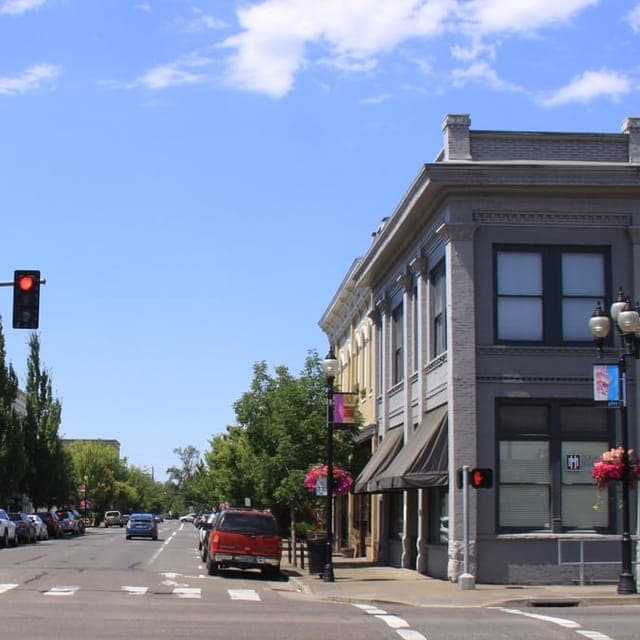
Similar towns to Redmond
* Values derived from national, state, county, city and local statistics and may differ in a specific area. Last updated: 2026-06-25T20:59:50.000Z
Narrative content on this page is AI-generated and may contain mistakes. Verify any details that matter before acting on them.
ReloMaps may earn a commission from affiliate links at no extra cost to you.

