Photo: Wikipedia
Quality of Life in Passaic, NJ
A livable area that tracks near national norms for affordability, walkability, and neighborhood health.
What does Quality of Life tell us?
Quality of Life blends cost of living, nearby amenities, socioeconomic signals, and neighborhood character. City-level scores represent the whole municipality; individual neighborhoods can differ.
What does this tell us?
Quality of Life blends cost of living, nearby amenities, socioeconomic signals, and neighborhood character. City-level scores represent the whole municipality; individual neighborhoods can differ.
Cost of Living
29% above national average
The Real Cost of Living in Passaic, NJ for 2026
| Tier | Individual | Family (4) |
|---|---|---|
| Survival | $22k | $42k |
| Comfortable | $77k | $113k |
| Luxury | $103k+ | $159k+ |
| Elite (Top 5%) | $132k+ | $205k+ |
50%
The Area Signal
A metric tracking the socioeconomic signals of the area.
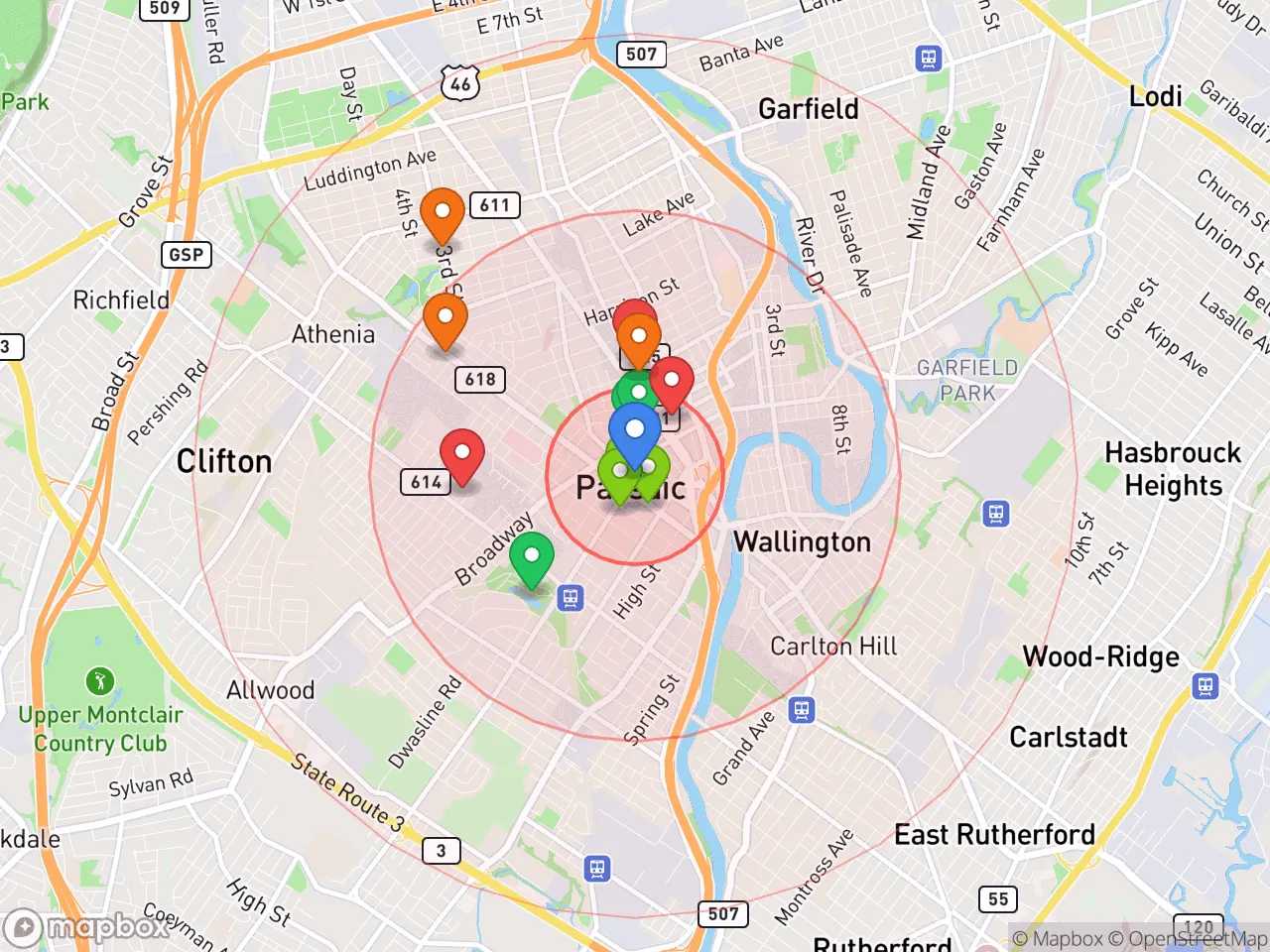
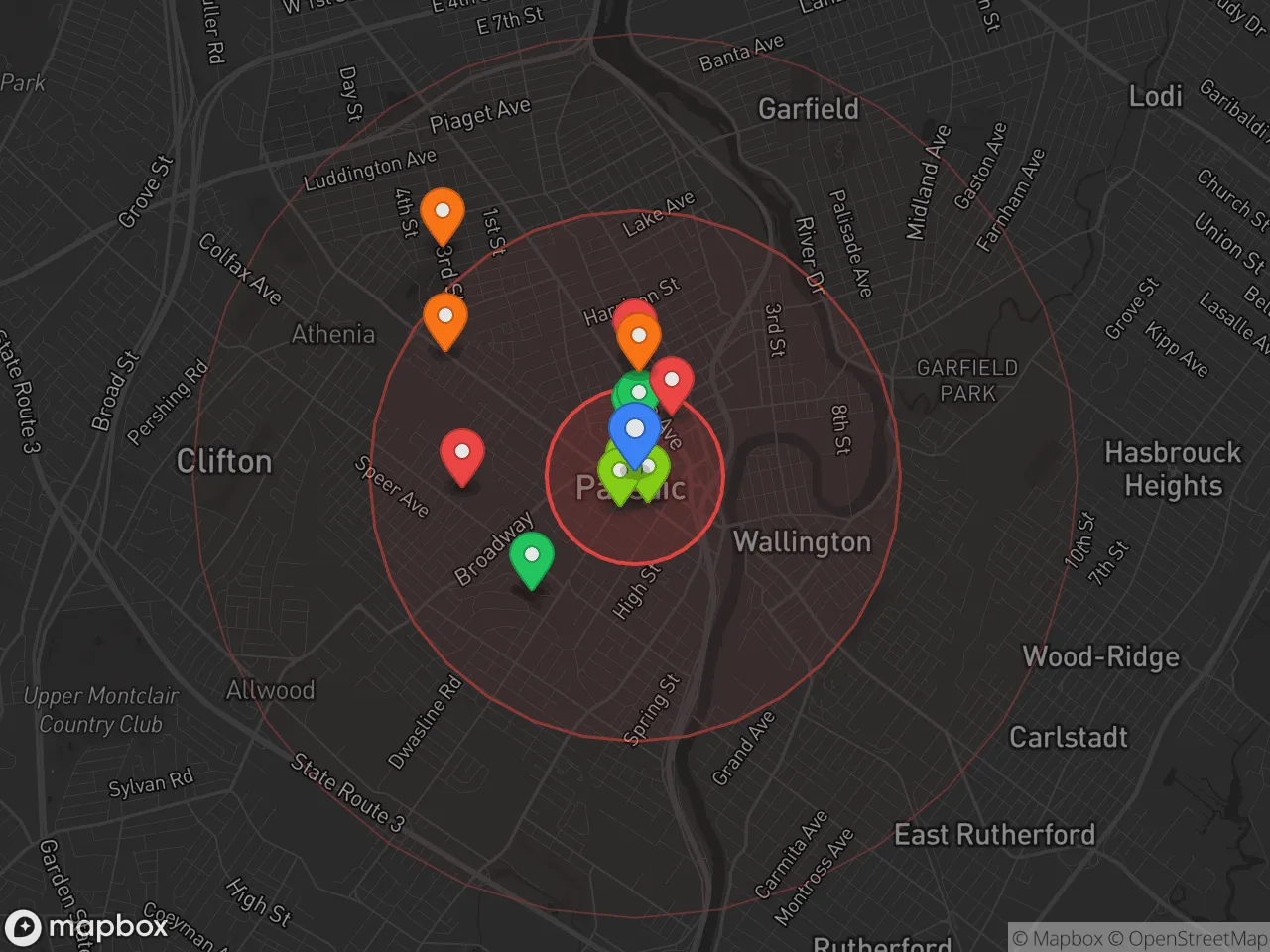
Hobbies
Explore the areaGroceries
7 within 10 miles
Gas
20 within 10 miles
Hospital
20 within 20 miles
Airport
EWR — Newark Liberty International
Post Office
USPS — 46 Grove Street, Passaic
Critical Amenities
Quality-of-Life Analysis
Passaic, New Jersey, presents a distinctive quality-of-life profile as a densely populated, working-class city with a cost of living index of 129 (29% above the U.S. average), driven primarily by its proximity to New York City. The city is home to a predominantly Hispanic and immigrant population, with many residents employed in manufacturing, logistics, and service industries. While not an affluent suburb, Passaic offers a gritty, urban energy and a lower barrier to entry than many neighboring communities in Bergen and Passaic counties.
Cost of living, housing, and affordability compared to nearby areas
Passaic’s cost of living is significantly higher than the national average but remains a relative bargain within the New York metropolitan area. The median home value of $406,500 is roughly half that of nearby Montclair or Ridgewood, making it one of the more affordable entry points for homeownership in northern New Jersey. Median rent sits at $1,392, which is notably lower than the Bergen County median of around $1,800. However, these figures must be weighed against the city’s higher property tax rates—among the highest in the nation—and an average commute of 25.9 minutes, which is shorter than many suburban commutes but often involves crowded bus or train routes into Manhattan. For renters and first-time buyers priced out of Hoboken, Jersey City, or even Clifton, Passaic offers a functional, if less polished, alternative.
Local amenities, schools, and what daily life feels like
Daily life in Passaic is defined by its walkable, transit-oriented layout and a strong sense of community centered on Main Avenue and Passaic Street. The city’s public school system, Passaic City Public Schools, serves over 14,000 students and has faced challenges with funding and performance, though Passaic High School offers several magnet programs. For families, the nearby Passaic County Technical Institute provides a highly regarded vocational option. Amenities include the Passaic Riverfront Park, the Passaic Public Library, and a dense array of Latin American bakeries, bodegas, and restaurants. The city lacks the boutique retail and nightlife of wealthier suburbs, but its proximity to the Willowbrook Mall in Wayne and the American Dream Mall in East Rutherford provides major retail and entertainment within a 15-minute drive. The rhythm is fast-paced and urban, with heavy traffic on Route 21 and frequent NJ Transit bus service to the Port Authority Bus Terminal.
Passaic is best suited for budget-conscious commuters, immigrant families building roots, and young professionals who prioritize short commute times and urban energy over suburban amenities. The city’s affordability relative to the region, combined with its direct transit links to New York City, makes it a pragmatic choice for those who value access over aesthetics. However, prospective residents should be prepared for higher taxes, older housing stock, and a school system that requires active parental involvement. For those who thrive in dense, multicultural, working-class environments, Passaic offers a viable and often overlooked quality of life within the expensive New York metro area.

Crime in Passaic, NJ
Higher crime rates than 60% of comparable U.S. locations.
Violent CrimeViolent Crime Analysis
Property CrimeProperty Crime Analysis
Crime Analysis
Passaic, New Jersey, reports a violent crime rate of 585.2 incidents per 100,000 residents and a property crime rate of 1,839 per 100,000, placing it among the higher-risk communities in the state. These figures reflect a city grappling with the challenges common to dense, post-industrial urban centers in the New York metropolitan area. Prospective residents should weigh these statistics carefully, particularly given the broader criminal justice environment in New Jersey, where progressive prosecutorial policies in nearby counties have been linked to reduced incarceration rates and increased recidivism.
Crime in context
Passaic’s violent crime rate is roughly 1.5 times the national average and significantly exceeds the New Jersey state average of approximately 240 per 100,000. Property crime, while closer to the national norm, still outpaces the state average by a notable margin. These numbers place Passaic in a tier with other high-crime North Jersey cities such as Paterson and Newark. The state’s liberal judiciary and district attorneys in Passaic County have implemented bail reform and diversion programs that, while intended to reduce incarceration, have been criticized for releasing repeat offenders back onto the streets, contributing to the city’s persistent crime challenges.
What residents experience
Daily life for Passaic residents involves heightened vigilance, particularly after dark and in less-trafficked areas. The city’s violent crime is driven largely by aggravated assault and robbery, with occasional incidents of homicide and sexual assault. Property crime, including burglary and motor vehicle theft, is a routine concern, especially in neighborhoods with older housing stock and limited off-street parking. Many residents report that police response times can be slow due to understaffing, and that community trust in law enforcement is eroded by the perception that progressive policies prioritize offender rehabilitation over public safety. Local news frequently covers incidents where individuals arrested for violent offenses are released on minimal bail, only to reoffend.
Neighborhood-level variation
Crime is not uniform across Passaic. The 1st Ward, near the city’s industrial core and main commercial corridors, sees the highest concentration of violent incidents and drug-related activity. In contrast, the 3rd Ward, with its tree-lined streets and larger single-family homes, experiences lower crime rates, though property theft remains a concern. The area around Passaic High School and the Passaic River waterfront can be risky after school hours. For those considering a move, focusing on blocks with active block associations and well-lit streets can mitigate some risk, but the overarching reality is that Passaic’s crime problem is systemic and tied to the region’s lenient criminal justice approach.
* Values derived from national, state, county, city and local statistics and may differ in a specific area. Last updated: 2026-06-14T02:06:34.000Z
Narrative content on this page is AI-generated and may contain mistakes. Verify any details that matter before acting on them.
ReloMaps may earn a commission from affiliate links at no extra cost to you.

