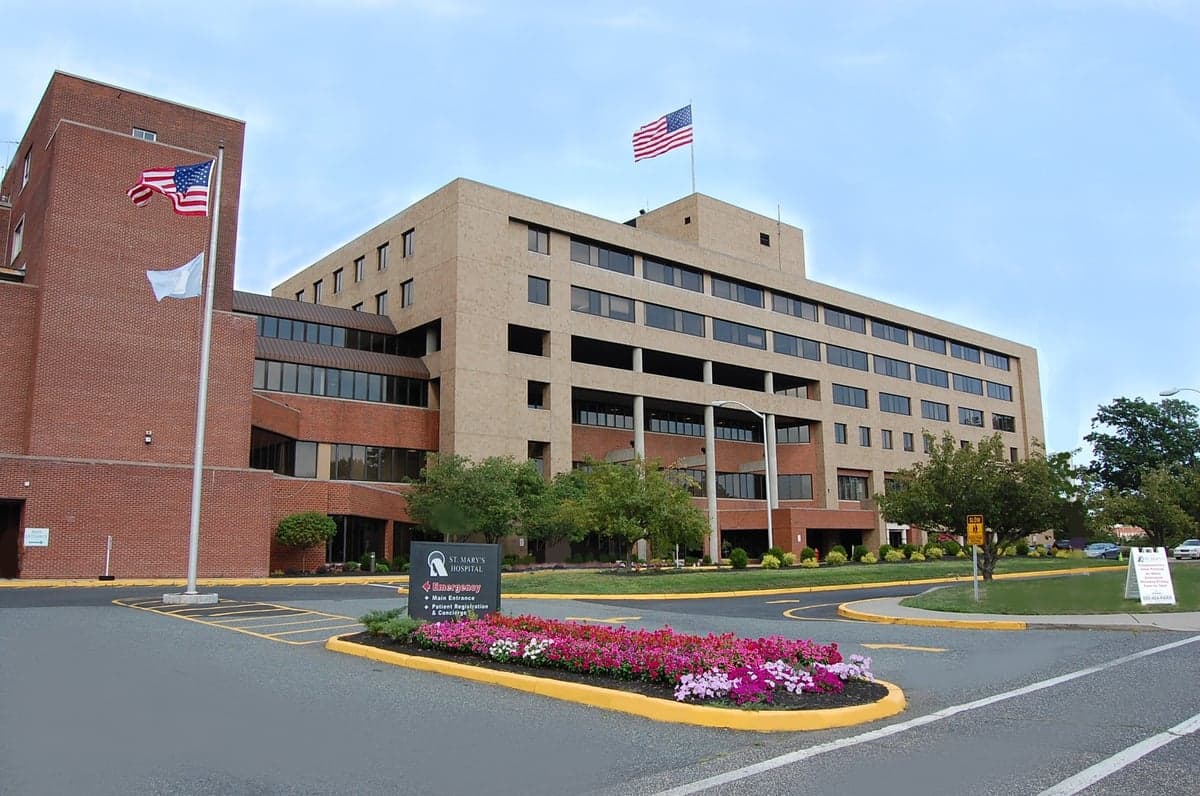
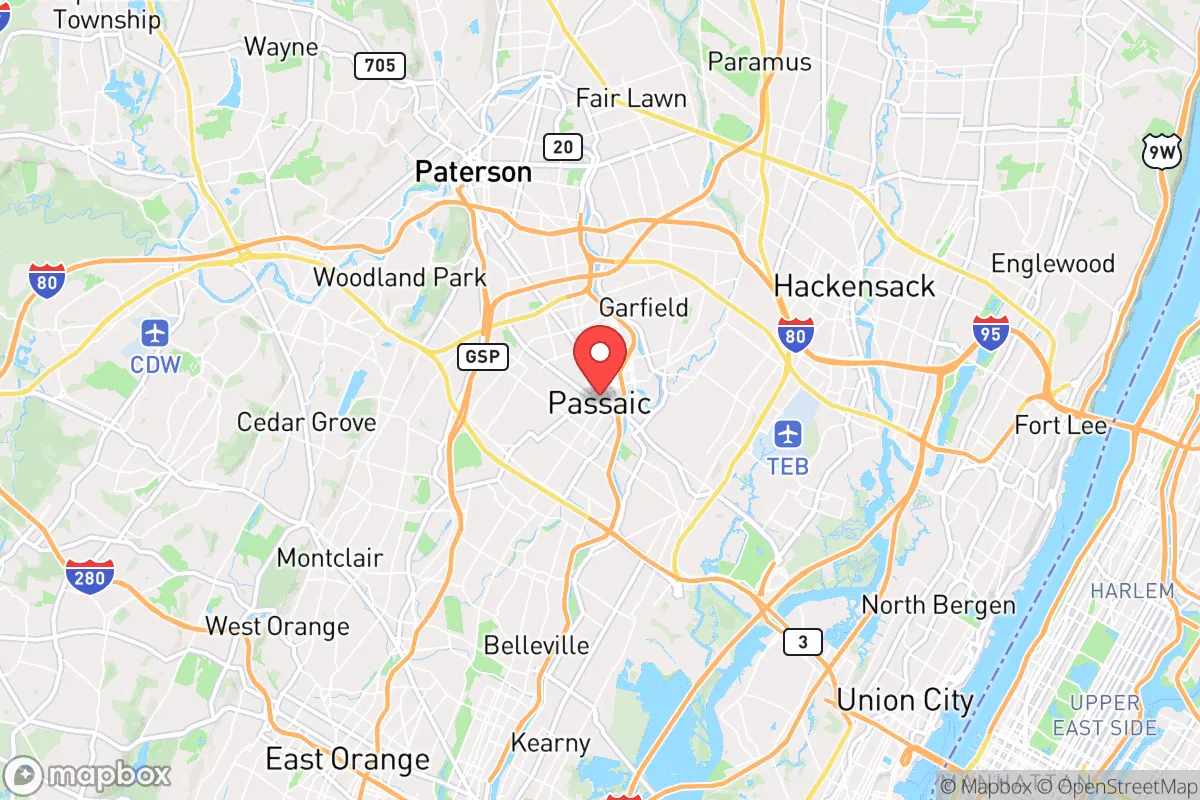
Photo: Wikipedia
Find The Best Places To Live
in Passaic
PRO TIP! You can paste a Zillow or Redfin link to get info on that property.
Compare Passaic with another place
What It's Like Living in Passaic, NJ
Passaic, New Jersey, feels like a city that’s always in motion—a dense, working-class hub where the hum of Route 21 and the smell of fresh empanadas from a corner bodega are part of the daily soundtrack. It’s not a place you stumble into for a quiet weekend getaway; it’s a place where people live, work, and raise families, often in multi-generational homes. With a median age of just 30.9 and a median household income of $56,780, Passaic is younger and more budget-conscious than many of its suburban neighbors, and that shapes everything from the local restaurants to the high school football bleachers on a Friday night.
The Daily Rhythm: Tight Streets and Quick Errands
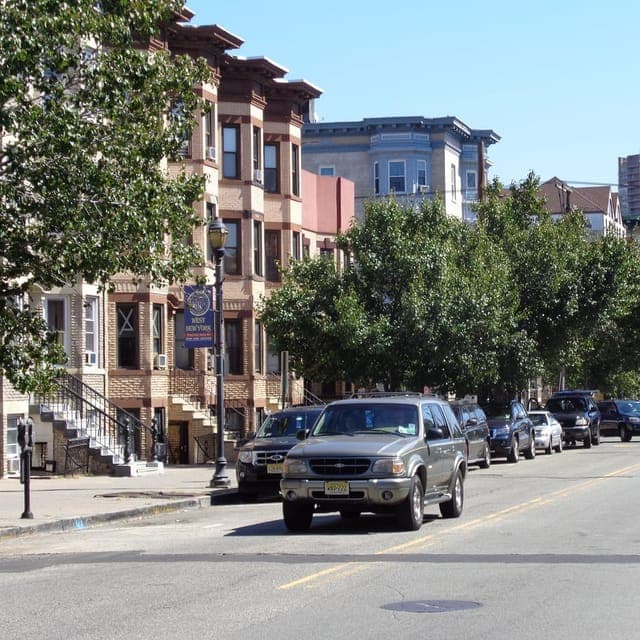
Life in Passaic moves at a pace that’s faster than the surrounding suburbs but slower than Manhattan, which is about a 30-minute bus ride away. Most residents don’t spend their weekends browsing boutique shops; instead, they’re hitting the bodegas on Main Avenue for produce, grabbing a Dominican plate at El Malecon, or picking up fresh bread at a Portuguese bakery. The average commute clocks in at just under 26 minutes, which is notably shorter than the state average—many people work in Passaic itself or in nearby Clifton and Paterson, so you’re not burning an hour on the bus every day. Traffic on Main Avenue and Monroe Street can get snarled during rush hour, but the city’s grid layout makes it easy to navigate on foot if you live near the downtown core.
The weather follows a classic Northeast pattern: hot, humid summers that push people toward the Passaic River waterfront or the spray pads at Pulaski Park, and cold winters that keep everyone indoors or bundled up for the short walk to the bus stop. Schools here are a central part of community life—Passaic High School’s sports events draw real crowds, and the district’s reputation is a frequent topic of conversation among parents weighing the trade-offs of city living versus moving out to Wayne or Montclair.
Sports, Community, and Where People Actually Hang Out
High school sports are the main event in Passaic. Passaic High School football games on autumn Friday nights are a genuine community gathering, with families, alumni, and local business owners filling the stands. The rivalry with Clifton High School is a big deal—expect packed bleachers and a lot of noise. There’s no major pro team in town, but the New York Giants and Yankees are the default allegiances, and you’ll see plenty of jerseys at local bars like Mickey’s Tavern on Main Avenue, a no-frills spot where the beer is cheap and the conversation is loud. For a slightly more relaxed vibe, El Rancho on Gregory Avenue serves up solid Mexican food and is a weekend favorite for families.
Entertainment is more about community events than big venues. The annual Passaic River Festival in June brings live music, food trucks, and carnival rides to the waterfront, and it’s one of the few times the whole city seems to slow down together. For outdoor space, Pulaski Park is the go-to—it’s got basketball courts, a playground, and enough green space for a picnic, though it’s not a sprawling nature escape. If you want serious hiking, you’re driving 20 minutes to Garret Mountain Reservation in Paterson.
Who Fits In Here—and Who Might Struggle
Passaic is a city for people who value affordability and convenience over prestige and elbow room. The median home value of $406,500 is a fraction of what you’d pay in Hoboken or Jersey City, and the cost of living index of 129 (29% above the national average) is still manageable for a two-income household earning near the median. The typical resident is a renter—homeownership rates are lower here than in surrounding towns—and many are first- or second-generation immigrants, which gives the city a genuinely multicultural feel. You’ll hear Spanish, Portuguese, Arabic, and Polish spoken on the streets, and the local businesses reflect that diversity.
The kind of person who thrives here is someone who doesn’t mind a little grit. The violent crime rate of 585.2 per 100,000 is higher than the national average, and while many residents will tell you it’s concentrated in specific areas and not random, it’s a real concern for newcomers. Property crime is the more common annoyance—car break-ins and package thefts happen. If you’re looking for a quiet, manicured suburb with top-tier schools and a low-stress commute, Passaic probably isn’t your fit. But if you want a place where you can walk to a dozen different cuisines, afford a three-bedroom apartment, and be in Midtown Manhattan in under an hour, it’s a solid bet.
The Honest Trade-Offs: What Locals Love and Lament
- What people love: The food scene is genuinely excellent and cheap—Dominican, Peruvian, Mexican, and Portuguese restaurants are everywhere. The commute is short by North Jersey standards. The diversity means you’ll never feel like an outsider for long. Rent is high but still lower than in Hudson County.
- What frustrates them: Parking is a nightmare, especially near the downtown area. The school system gets mixed reviews—parents often supplement with charter or private options. The city’s budget struggles mean potholes and trash pickup can be inconsistent. And while the crime rate is a talking point, most residents will tell you it’s block-by-block, not citywide.
Only 16.9% of residents hold a college degree, which is low by state standards, and that shapes the local economy—you’ll find more warehouse and manufacturing jobs than tech startups. That’s not a knock; it just means the city’s rhythm is built around shift work, family obligations, and practical trades. If you’re a remote worker or a creative professional, you’ll find fewer peers here than in Montclair or Jersey City, but you’ll also pay a lot less for your apartment.

Similar small cities to Passaic
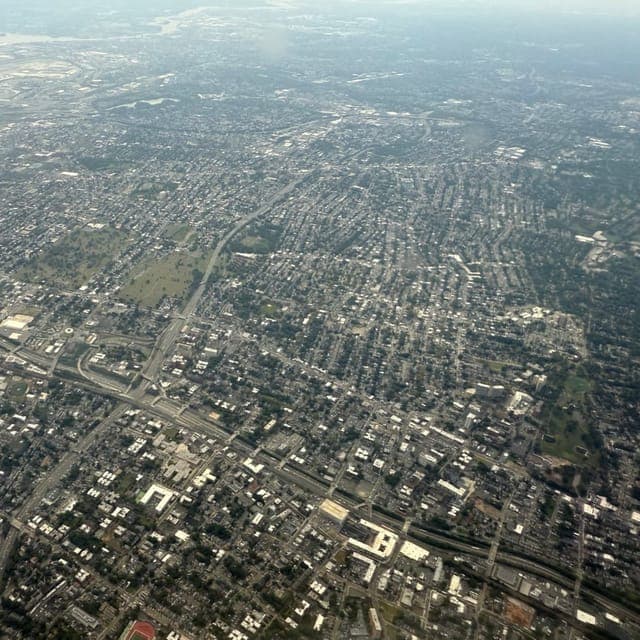

* Values derived from national, state, county, city and local statistics and may differ in a specific area. Last updated: 2026-06-14T02:06:34.000Z
Narrative content on this page is AI-generated and may contain mistakes. Verify any details that matter before acting on them.
ReloMaps may earn a commission from affiliate links at no extra cost to you.

