 Popular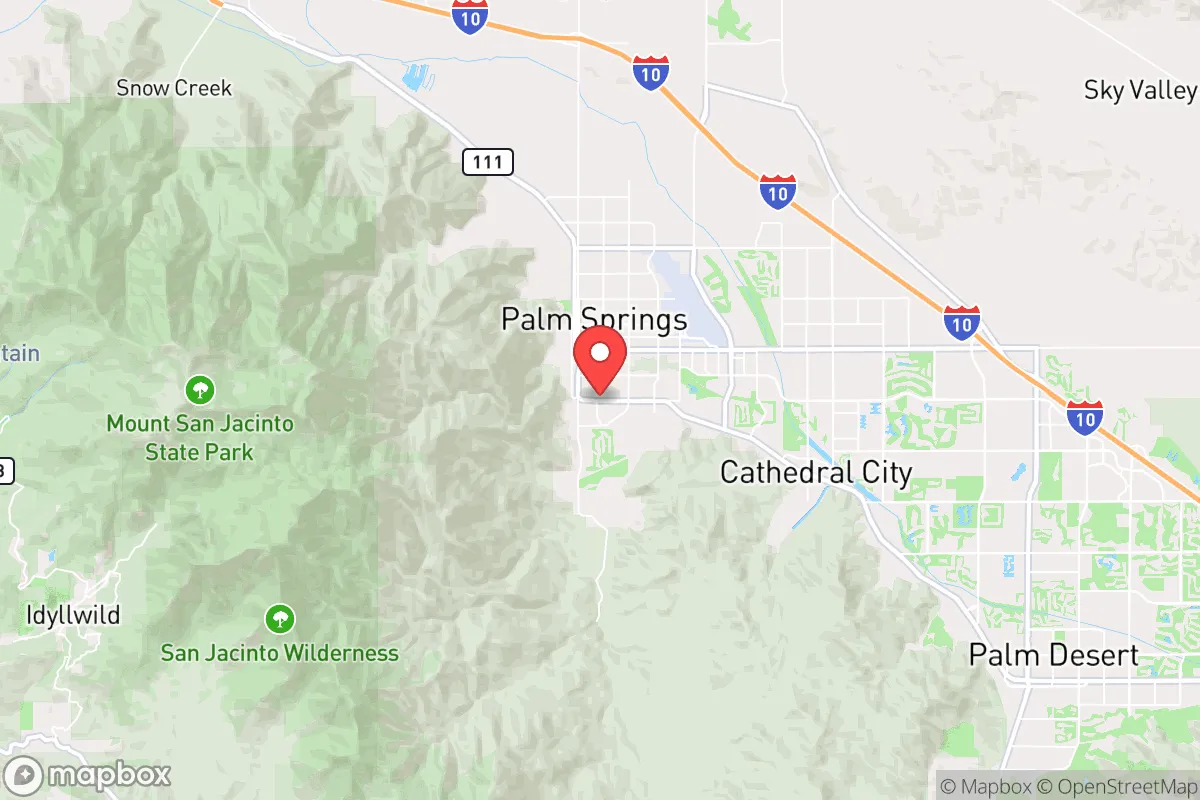
Photo: Wikipedia
Find The Best Places To Live
in Palm Springs
PRO TIP! You can paste a Zillow or Redfin link to get info on that property.
Compare Palm Springs with another place
What It's Like Living in Palm Springs, CA
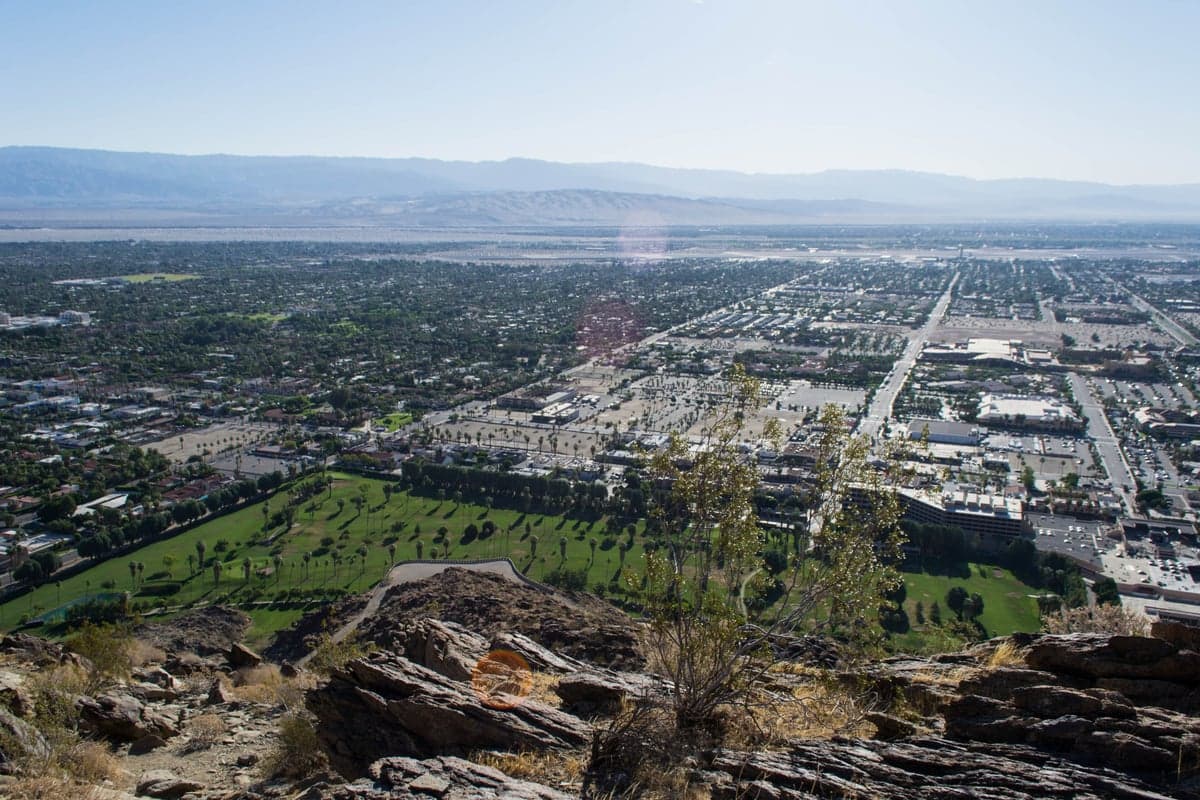
Palm Springs has an energy that feels like a permanent vacation, but with a very real set of trade-offs. It's a place where mid-century architecture, desert sun, and a famously welcoming social scene collide, drawing everyone from seasonal snowbirds to remote workers and retirees. For a family or single person considering the move, the reality is a mix of stunning natural beauty and very specific lifestyle constraints.
The Daily Rhythm: A Town of Afternoons and Evenings
Life here doesn't start at a frantic 7 AM. With a median age of 57.8, the morning rush is more about coffee on a patio at Koffi or a hike in Tahquitz Canyon than a frantic school drop-off line. The town is deeply seasonal; from November to April, the population swells with "snowbirds" and tourists, making Palm Canyon Drive lively with art walks (the VillageFest street fair every Thursday) and packed outdoor dining at places like Birba or Workshop Kitchen + Bar. Summer, however, turns quiet. Many local restaurants close on Mondays, and you'll learn to do your errands early (before 9 AM) or late (after 7 PM) to avoid the heat. The average commute of just 23 minutes is a true luxury—you can live a relaxed life without wasting hours in a car.
Who Fits In Here (And Who Might Struggle)
This is a place where affluence is often understated but present. The median household income of $71,979 is decent, but with a cost of living index of 156 (well above national average), many newcomers are surprised by how much a modest two-bedroom home costs—the median home value sits at $567,300. The kind of person who thrives here is someone who values outdoor space over square footage, is comfortable with a highly tolerant social culture (the city has a large LGBTQ+ community and is famously open-minded), and doesn't mind a slower pace in summer. It's less suited for someone seeking high-energy nightlife or a traditional "family-centric" suburban school environment. The local public schools, while improving, aren't the primary draw—many families opt for private or charter options, and the schools don't anchor community identity the way they do in, say, Irvine.
The Weekend Vibe: Hikes, Festivals, and Vintage Finds
Weekends are the main event. You'll start Saturday with a hike at Indian Canyons (an oasis with palm trees and streams) or a walk around the Palm Springs Art Museum. By afternoon, people flock to the Palm Springs Air Museum or browse the Palm Springs Vintage Market for mid-century furniture. Sports are not a major force here—there are no pro teams. The biggest local athletic energy comes from the Palm Springs Power (a collegiate summer baseball team) and the BNP Paribas Open tennis tournament in nearby Indian Wells, which truly is a world-class event. The town's identity is less about the team on the field and more about the vibe in the stands—poolside at a hotel like The Saguaro or the Ace Hotel is a more common weekend meeting point than a stadium.
Pros and Cons of Living in Palm Springs
To be honest about what works and what grates on longtime residents:
- Pro: The Weather (Most Days). 350 days of sunshine a year. The dry heat is tolerable, and winter is perfect—70s and 80s in January. You'll spend more time outside than anywhere else in California.
- Con: The Summer Heat. June through September, daytime highs repeatedly hit 110-115°F. It's not just hot; it's oppressive. You cannot enjoy the outdoors between 11 AM and 5 PM unless you're poolside. Air conditioning runs six months a year.
- Pro: A Strong Sense of Community. Unlike sprawling suburbs, Palm Springs feels like a small town. You'll see familiar faces at the grocery store (the Pioneertown crowd, the Trina Turk shoppers). People are friendly; it's easy to make friends through hiking groups or volunteer work.
- Con: Safety Concerns. The violent crime rate of 503.8 per 100K is higher than the national average and a real concern, particularly downtown and in certain neighborhoods near the railroad tracks. Property crime (car break-ins, package theft) is also an issue. It's not a place where you leave your door unlocked.
- Pro: Proximity to Everything. You're two hours from Los Angeles, an hour from Joshua Tree National Park, and minutes from the San Jacinto Mountains (which you can reach via the Palm Springs Aerial Tramway). The airport (PSP) is tiny and easy to navigate.
- Con: Limited Job Market. The economy is heavily tourism and hospitality; 45.1% of residents hold a bachelor's degree or higher, but many commute to jobs in Riverside or San Diego if they're not in real estate, healthcare, or remote work. The median income of $71,979 reflects a mix of high-earning remote workers and lower-wage service staff.
The cultural quirk you'll notice most is the preservation mentality. This is not a place that embraces "new and shiny." The city has strict historic preservation laws for its mid-century modern architecture. A homeowner can't just tear down a 1950s steel-and-glass house and build a McMansion. That gives the town a cohesive, curated feel, but it also means housing inventory is tight and prices are sticky—rentals are scarce in summer when owners Airbnb to tourists. For the right person, Palm Springs offers a beautiful, slow, and socially progressive version of desert living. Just be ready for the heat, the quirks, and the crowd that comes with it.

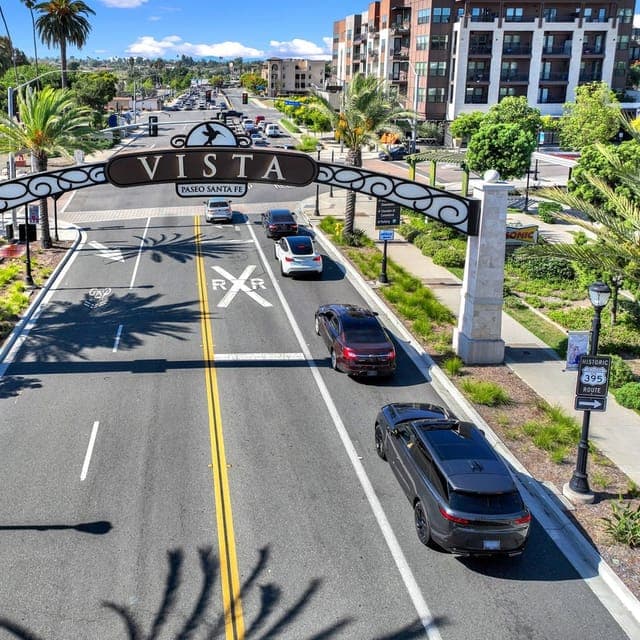
Similar towns to Palm Springs
* Values derived from national, state, county, city and local statistics and may differ in a specific area. Last updated: 2026-06-25T05:14:10.000Z
Narrative content on this page is AI-generated and may contain mistakes. Verify any details that matter before acting on them.
ReloMaps may earn a commission from affiliate links at no extra cost to you.

