 Popular
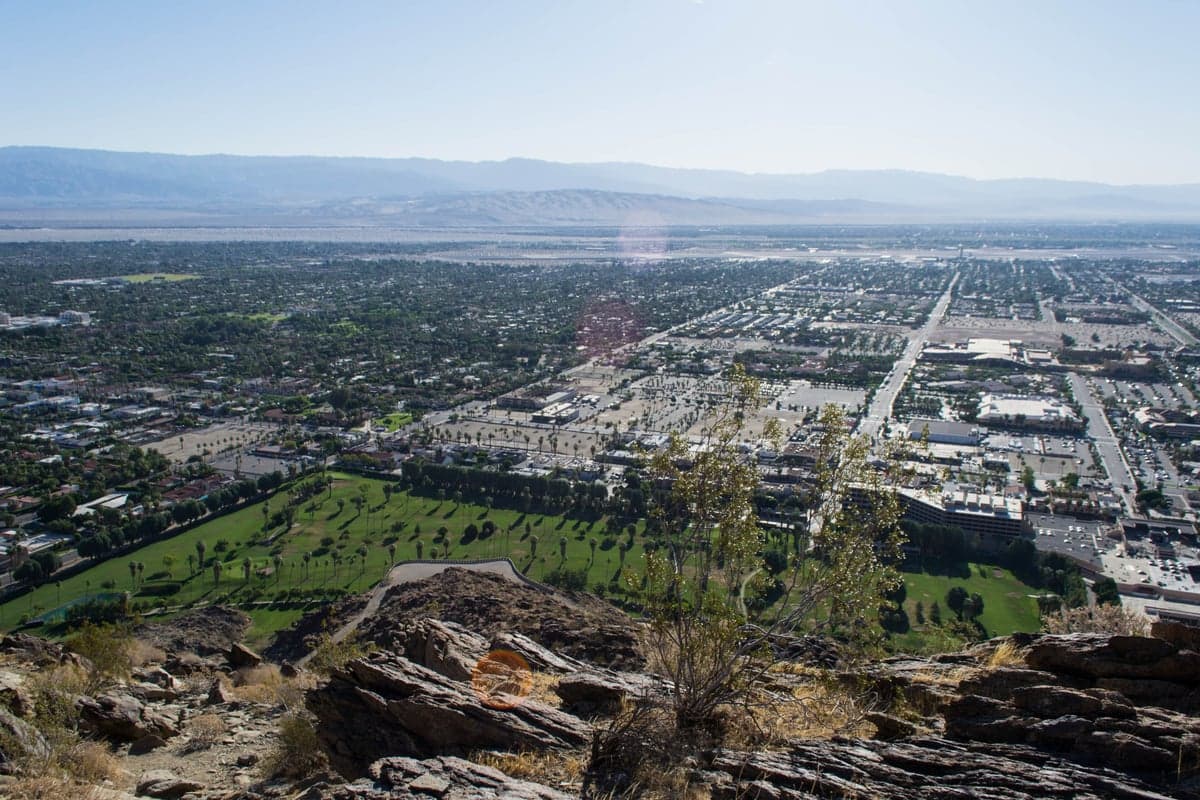
Photo: Wikipedia
Quality of Life in Palm Springs, CA
Above-average quality of iife. The area offers a reasonable cost of living, decent mobility, and a mix of neighborhood amenities.
What does Quality of Life tell us?
Quality of Life blends cost of living, nearby amenities, socioeconomic signals, and neighborhood character. City-level scores represent the whole municipality; individual neighborhoods can differ.
What does this tell us?
Quality of Life blends cost of living, nearby amenities, socioeconomic signals, and neighborhood character. City-level scores represent the whole municipality; individual neighborhoods can differ.
Cost of Living
56% above national average
The Real Cost of Living in Palm Springs, CA for 2026
| Tier | Individual | Family (4) |
|---|---|---|
| Survival | $24k | $44k |
| Comfortable | $110k | $162k |
| Luxury | $130k+ | $202k+ |
| Elite (Top 5%) | $220k+ | $341k+ |
44%
The Area Signal
A metric tracking the socioeconomic signals of the area.
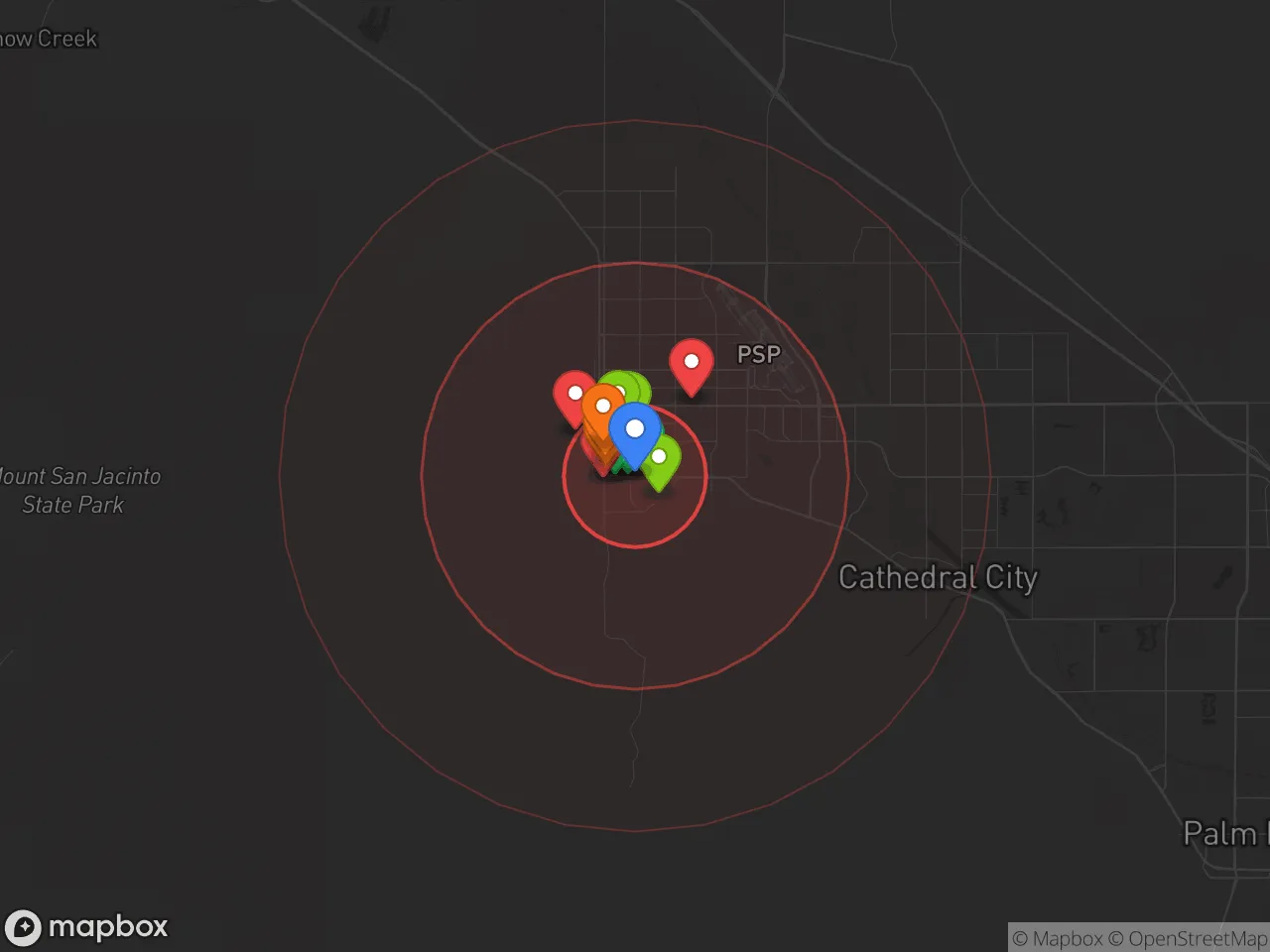
Hobbies
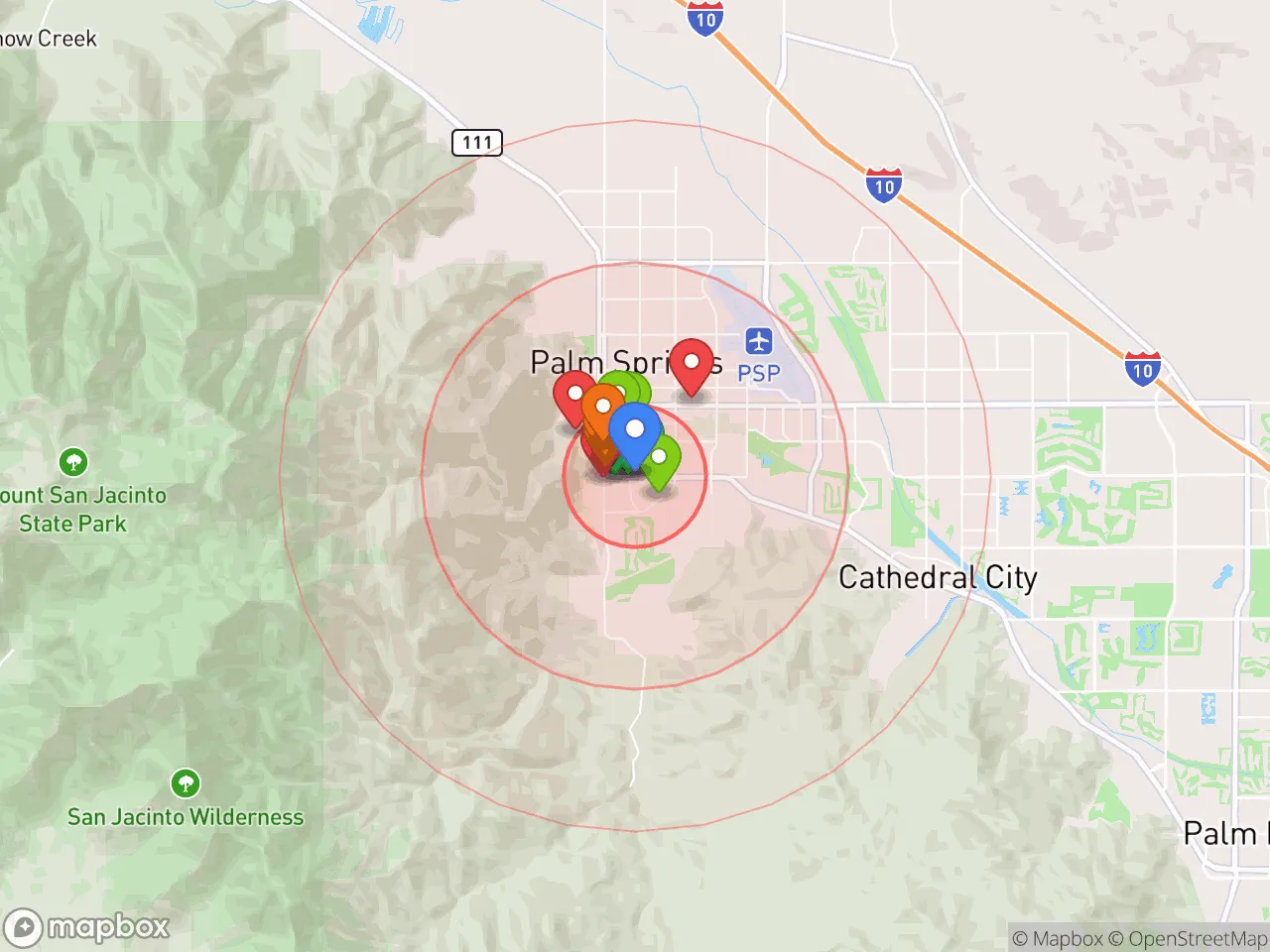
Explore the areaGroceries
9 within 10 miles
Gas
20 within 10 miles
Hospital
4 within 20 miles
Airport
SAN — San Bernardino International
Post Office
USPS — Palm Springs, CA
Critical Amenities
Quality-of-Life Analysis
Palm Springs is a high-cost, high-amenity oasis in the Coachella Valley that draws a distinct demographic mix: affluent retirees, seasonal "snowbirds" from cooler states, remote workers, and a vibrant LGBTQ+ community. With a cost-of-living index of 156 (56 percent above the national average), the city commands a premium for sunshine, midcentury architecture, and proximity to luxury resorts, while still remaining more attainable than coastal California metros like Los Angeles or San Diego.
What it costs to live in Palm Springs — housing, rent, and value compared to nearby cities
The primary affordability story in Palm Springs is housing. The median home value sits at $567,300, roughly $150,000 below the California statewide median but more than double the national figure. For renters, the median monthly rent is $1,473, which, while high by U.S. standards, is a relative bargain compared to Palm Springs' immediate neighbors: Rancho Mirage (median rent $1,900+) and Palm Desert ($1,750+). The overall cost-of-living index of 156 is driven less by housing alone and more by elevated grocery, healthcare, and utility costs — all typical of desert resort towns. Residents benefit from no local city income tax (California state income tax applies, ranging from 1% to 12.3%), and property taxes are effectively capped by Proposition 13 for long-term owners. For a household earning the area's median income of roughly $58,000 annually, housing costs would consume about 40% of gross pay — a tight fit that pushes many lower-income workers to commute from cheaper Coachella Valley towns like Cathedral City or Indio.
Daily life, local amenities, and what the schools are like
Palm Springs offers a 23-minute average commute — well below the California average of 30 minutes — largely because most jobs in hospitality, healthcare, and retail are within the same valley. The city's public schools are part of the Palm Springs Unified School District, which serves roughly 20,000 students. The district's high schools rank below state averages on math and English proficiency, though several magnet and charter options (e.g., Palm Springs High School's International Baccalaureate program) attract motivated families. Daily life revolves around outdoor recreation: residents hike the adjacent San Jacinto Mountains via the Palm Springs Aerial Tramway, golf at more than 100 valley courses, and walk the Uptown Design District for boutique shopping. Cultural amenities include the annual Palm Springs International Film Festival and Modernism Week, which collectively draw over 150,000 visitors. The city's walkable core — concentrated along Palm Canyon Drive — supports a pedestrian-friendly lifestyle rare among desert towns, though most errands still require a car due to the valley's spread-out layout.
Who will thrive in Palm Springs — and who should think twice
This city is best suited for retirees, dual-income professionals with remote or local jobs paying above $80,000, and seasonal residents who can absorb the premium costs. The same qualities that attract those groups — heat, resort pricing, a slower pace — make Palm Springs less ideal for young families seeking top-tier public schools or for workers in lower-wage industries who would struggle with the 156 cost index. Snowbirds from higher-tax states such as Oregon, Washington, and Canada often find the overall package compelling despite the sticker shock, because the trade-off buys year-round sunshine and a social scene that is famously welcoming and pet-friendly. For anyone prioritizing budget over climate and culture, neighboring La Quinta or Indio offer COL indexes around 130-140 with similar weather but fewer walkable amenities.

Crime in Palm Springs, CA
Higher crime rates than 71% of comparable U.S. locations.
Violent CrimeViolent Crime Analysis
Property CrimeProperty Crime Analysis
Crime Analysis
Palm Springs, California, presents a mixed safety profile for potential residents, with crime rates significantly elevated above both state and national averages. The city's violent crime rate stands at 503.8 per 100,000 residents, and its property crime rate is 2,941.5 per 100,000, reflecting an environment where proactive personal security measures are strongly advisable. These figures are especially concerning given the region's broader progressive justice policies, which, while intended to reduce incarceration, have been correlated with higher recidivism and increased crime in many California communities.
Crime in context
When compared to the rest of the United States, Palm Springs has a violent crime rate that is roughly 44% higher than the national average, while property crime here exceeds the national figure by approximately 30%. Compared to the state of California as a whole, which has a violent crime rate of about 442 per 100,000 and a property crime rate near 2,380 per 100,000, Palm Springs exceeds both benchmarks. The city is situated in Riverside County, which, like much of Southern California, has experienced the effects of progressive prosecutorial policies, including reduced charges for certain thefts and lowered bail requirements. Critics of these approaches argue they have directly contributed to a revolving-door justice system, emboldening some offenders and undermining deterrence, which is a legitimate source of concern for anyone considering a move to the area.
What residents experience
Daily life for many Palm Springs residents involves navigating a significant risk of property-related incidents. The most common crimes include theft from vehicles, burglaries, and package theft, which are particular nuisances for those living in single-family homes or condominium complexes. Violent crime, while less frequent than property crime, is concentrated in specific zones and often involves disputes among individuals who know each other, though random incidents of assault or robbery can occur. The presence of a transient population and a vibrant nightlife scene can also contribute to increased opportunities for crime, particularly in the downtown and tourist-heavy areas. Many long-term residents report that a combination of personal vigilance, strong locks, and good outdoor lighting is essential, rather than optional, for daily security.
Neighborhood-level variation
Safety and crime risk are not uniform across Palm Springs. The wealthier neighborhoods west of Palm Canyon Drive, such as the historic Tennis Club and Old Las Palmas areas, generally experience lower crime rates due to higher property values, more private security presence, and lower population density. Conversely, areas east of Highway 111 and sections closer to the city's core, particularly around the Demuth Park neighborhood and some mobile home communities, have statistically higher rates of both property and violent crime. The Sunny Dunes and Vista Santa Rosa areas are often cited in local police reports for more frequent disturbances and thefts. Potential residents are strongly urged to check the Palm Springs Police Department's crime mapping tool and speak with local patrol officers or neighborhood watch groups before selecting a specific street or complex.
* Values derived from national, state, county, city and local statistics and may differ in a specific area. Last updated: 2026-06-25T05:14:10.000Z
Narrative content on this page is AI-generated and may contain mistakes. Verify any details that matter before acting on them.
ReloMaps may earn a commission from affiliate links at no extra cost to you.

