 Popular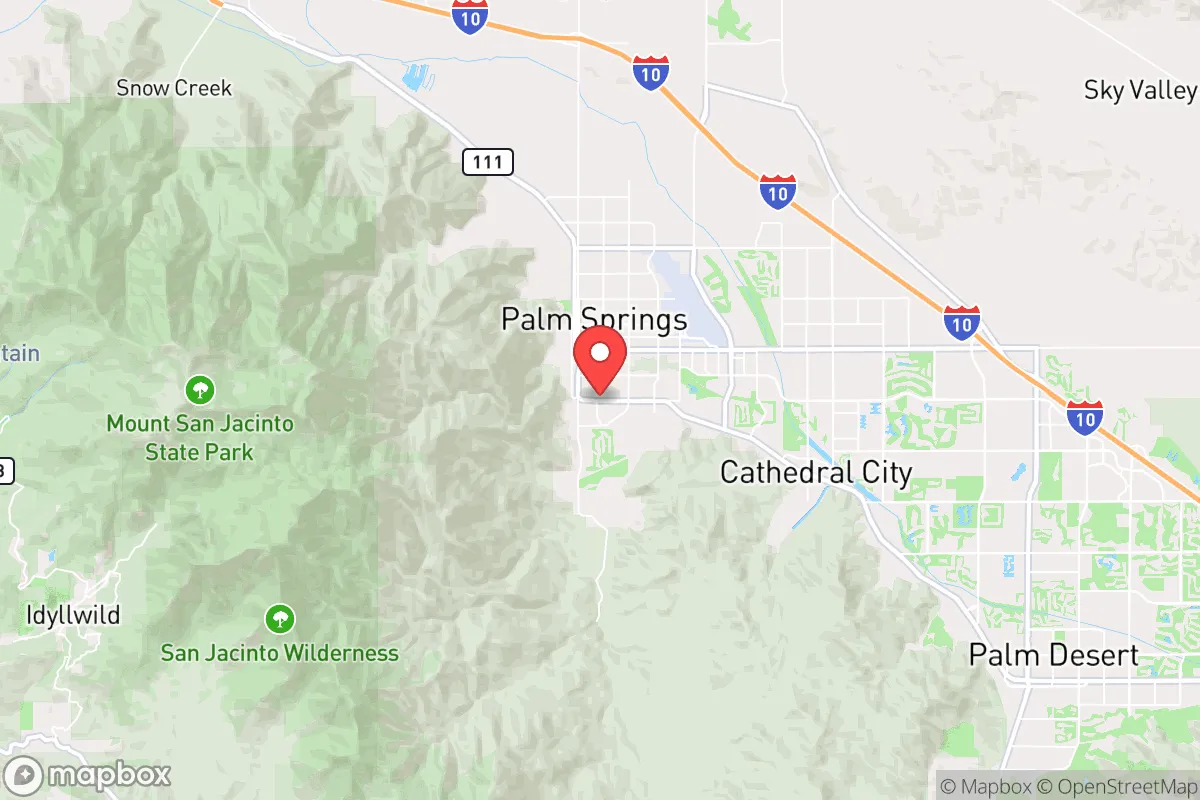
Photo: Wikipedia
Demographics of Palm Springs, CA
Affluence Level in Palm Springs, CA
A middle-class area roughly in line with national averages across income, home values, education, and employment.
People of Palm Springs, CA
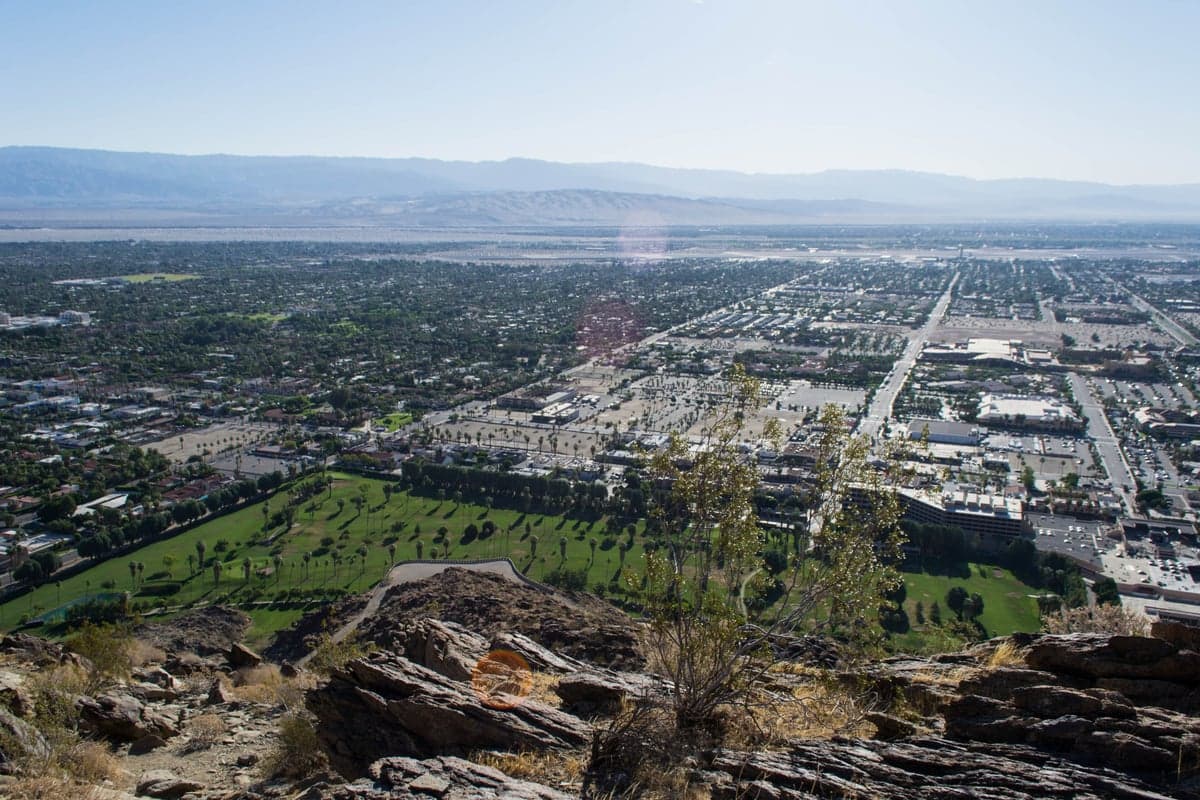
The people of Palm Springs today number roughly 44,998, forming a community that is notably older and more affluent than the California average, with 45.1% holding a college degree. The city’s population is 62.5% White, 24.3% Hispanic, 5.2% Black, and 4.2% East/Southeast Asian, with a small Indian-subcontinent community at 0.3% and a foreign-born share of just 7.4%. This demographic profile reflects a history of distinct migration waves—from Indigenous Cahuilla inhabitants to mid-century Hollywood escapees, followed by later Hispanic and LGBTQ+ settlement—that have shaped a city known for its midcentury modern architecture, resort economy, and politically liberal but socially diverse character.
How the city was settled and grew
Long before incorporation in 1938, the Palm Springs area was home to the Agua Caliente Band of Cahuilla Indians, who settled around the natural hot springs in what is now the Section 14 area near downtown. Their land allotments, granted under the Dawes Act of 1887, created a checkerboard pattern of tribal and non-tribal ownership that still influences development today. The first non-Native settlers arrived in the 1880s, drawn by the desert climate and the promise of health tourism. Judge John Guthrie McCallum, a San Francisco attorney seeking a cure for his son’s respiratory illness, purchased land and built the area’s first irrigation system, attracting other Anglo homesteaders to what became the Tahquitz River Estates neighborhood. By the 1920s and 1930s, Hollywood stars like Charlie Farrell and Ralph Bellamy began building winter retreats in the Movie Colony district, establishing Palm Springs as a glamorous desert getaway for the entertainment industry elite. This wave of wealthy, mostly White seasonal residents drove the construction of the city’s iconic midcentury modern homes and the development of the Racquet Club Estates area.
Modern era (post-1965)
The Immigration and Nationality Act of 1965 had a limited direct effect on Palm Springs compared to larger California cities, but it did contribute to a gradual increase in Hispanic settlement. Many Hispanic families arrived from Mexico and other Latin American countries to work in the hospitality, construction, and landscaping sectors that supported the resort economy. These workers concentrated in the Sunrise Park and B Street corridor areas east of downtown, where more affordable housing stock and proximity to service jobs created a distinct Hispanic enclave. Meanwhile, the 1970s and 1980s saw a major domestic in-migration of LGBTQ+ individuals, particularly gay men, who were drawn to Palm Springs’ tolerant atmosphere and the availability of midcentury homes in neighborhoods like Warm Sands and the Deepwell Estates. This wave transformed the city’s cultural identity and spurred a real estate revival that attracted affluent retirees from across the United States. The Black population, at 5.2%, has historically been smaller and more dispersed, with roots in the railroad and service industries, and today is spread across the city without a single dominant neighborhood. The East/Southeast Asian community (4.2%) grew more recently, largely through professional migration tied to the healthcare and technology sectors, settling in newer developments on the city’s south end near South Palm Canyon Drive.
The future
Palm Springs’ population is projected to remain relatively stable, with modest growth driven by continued domestic in-migration of affluent retirees and remote workers rather than international immigration. The Hispanic share is expected to increase slowly, as younger families in the Sunrise Park area have higher birth rates than the aging White population. The East/Southeast Asian community may see slight growth as the nearby Desert Regional Medical Center and emerging tech-adjacent businesses attract skilled professionals. However, the city’s high housing costs—median home prices consistently above $600,000—will likely limit significant diversification, as lower-income families are priced out. The LGBTQ+ population, while still a defining cultural force, is aging, and younger cohorts are more dispersed across the Coachella Valley, including in neighboring Cathedral City and Palm Desert. The Agua Caliente tribe remains a major landowner and economic player, with new casino and hotel developments in the downtown core reshaping the city’s commercial landscape.
For someone moving to Palm Springs now, the city offers a stable, amenity-rich environment with a strong sense of place, but it is becoming increasingly exclusive. The population is trending older, whiter, and wealthier, with a growing Hispanic working class concentrated in specific eastern neighborhoods. New residents should expect a community that values its midcentury architectural heritage, outdoor recreation, and social tolerance, but also one where economic divides are visible and housing affordability is a growing challenge.

* Values derived from national, state, county, city and local statistics and may differ in a specific area. Last updated: 2026-06-25T05:14:10.000Z
Narrative content on this page is AI-generated and may contain mistakes. Verify any details that matter before acting on them.
ReloMaps may earn a commission from affiliate links at no extra cost to you.

