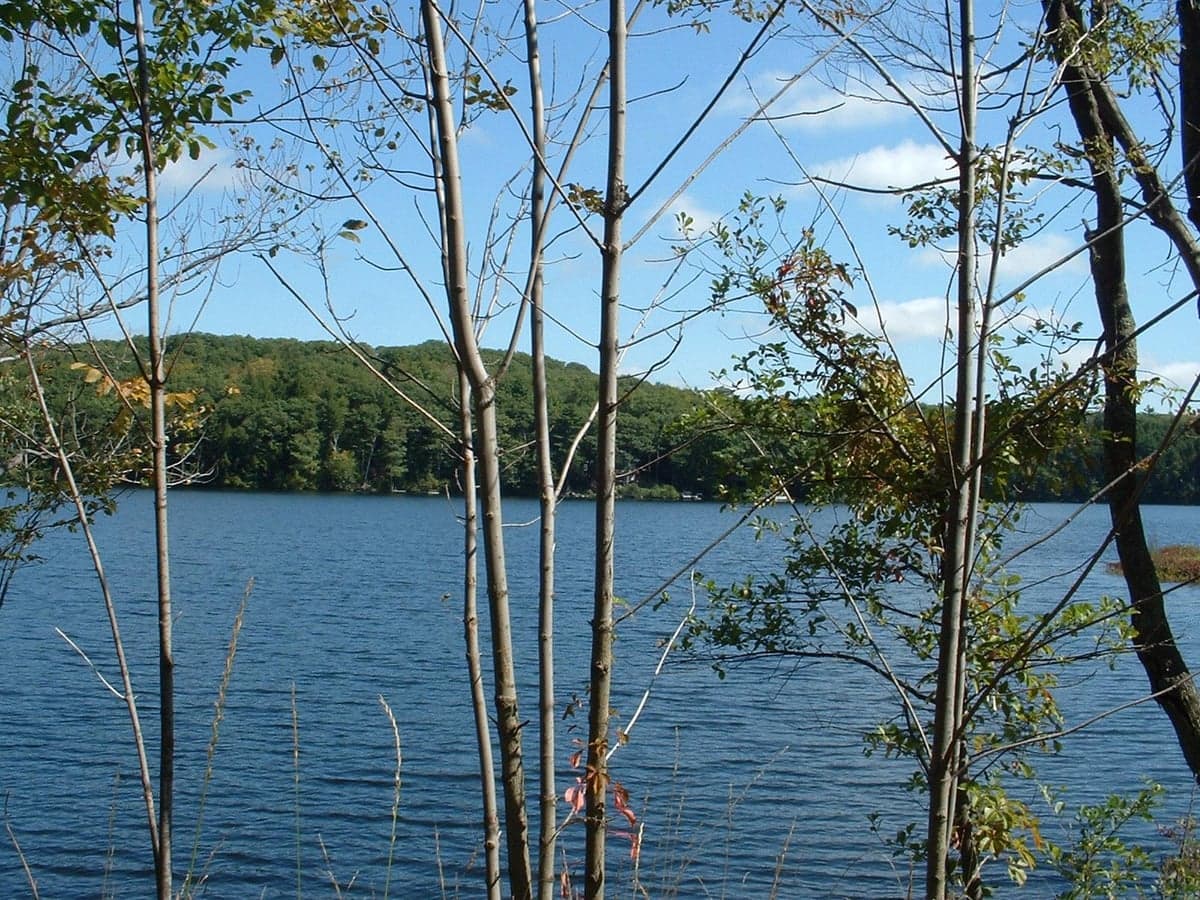
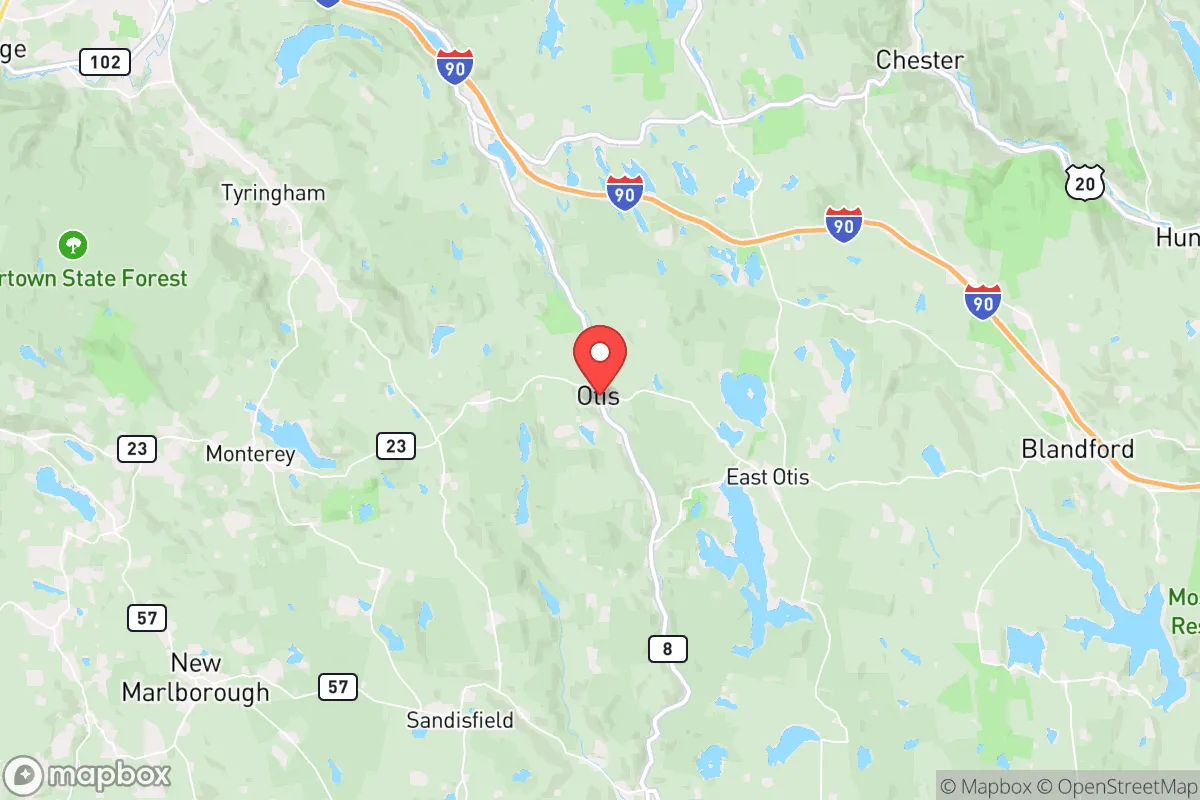
Photo: Wikipedia
An Unincorporated Community in Berkshire County, Massachusetts
Find The Best Places To Live
in Otis
PRO TIP! You can paste a Zillow or Redfin link to get info on that property.
What It's Like Living in Otis, MA
Otis, Massachusetts, is the kind of place where you trade convenience for quiet, and most people here are perfectly fine with that. Tucked into the Berkshires along the Appalachian Trail, this town of about 2,566 residents feels more like a seasonal retreat than a bustling suburb—half the homes are vacation properties, and the year-round population skews older, with a median age of 53.3. If you’re looking for a place where neighbors wave from their porches, the biggest decision of the day is whether to hike or fish, and the nearest traffic light is a 15-minute drive away, Otis might be your speed.
The Daily Rhythm: Quiet Mornings and Long Commutes
Life in Otis moves slowly, deliberately. Most residents wake up to the sound of birds rather than sirens—the violent crime rate here is literally zero per 100,000 people, which tracks with the town’s vibe. Mornings often start with coffee at the Otis Poultry Farm (yes, a farm stand that also sells eggs and local honey) or a quick stop at the Otis General Store for a paper and a breakfast sandwich. The workday, however, is a different story. With a median income of $101,250, many residents hold professional jobs in Pittsfield, Great Barrington, or even Albany, NY, which is about an hour west. The average commute clocks in at 33 minutes—not brutal by rural standards, but enough to make you think twice about that last cup of coffee. For families, the school day at Farmington River Elementary (part of the Farmington River Regional School District) is the town’s social hub; parent-teacher events and Friday night basketball games draw a crowd that feels like a community reunion.
Sports, Seasons, and the Great Outdoors
Otis doesn’t have a pro sports team, and high school athletics are modest—the local Otters (yes, Otters) compete in small Berkshire County leagues, and games are more about community pride than college recruitment. What Otis lacks in stadiums, it makes up for in terrain. The Appalachian Trail cuts right through town, and the Otis State Forest offers 5,000 acres of hiking, mountain biking, and snowmobiling trails. In winter, the nearby Otis Ridge ski area (a family-run hill with a vertical drop of 400 feet) is where locals teach their kids to ski; it’s not Vail, but the lift tickets are under $50, and the chili in the lodge is legendary. Summer weekends revolve around Otis Reservoir—pontoon boats, kayaks, and the occasional bass tournament. The big annual event is the Otis Firemen’s Carnival in August, a classic small-town affair with fried dough, a dunk tank, and a parade that shuts down Route 8 for an afternoon.
What’s There to Do: Restaurants, Bars, and Local Hangouts
Dining options are limited but characterful. The Old Mill Restaurant, a converted 18th-century gristmill, serves up comfort food like pot roast and clam chowder in a setting that feels like a history lesson. For a drink, the Otis Tavern is the unofficial town living room—wood-paneled, dimly lit, with a pool table and a jukebox that leans classic rock. Locals gather there for trivia nights and to grumble about the cost of living (which is 30% above the national average, driven largely by housing). The median home value is $364,200, which is steep for a town with no supermarket and only one gas station, but it buys you privacy and lake access. The biggest frustration among residents is the lack of year-round retail—if you need a new pair of boots or a prescription filled, you’re driving 20 minutes to Lee or Great Barrington. On the flip side, the peace and quiet is a genuine draw; you can hike for hours without seeing another soul.
Who Fits In—and Who Might Struggle
Otis is best suited for people who value solitude over convenience. The median age of 53.3 tells the story: this is a town of empty nesters, remote workers, and retirees who want a second home in the woods. About 35% of adults hold a college degree, which is slightly below the state average but reflects a mix of tradespeople, healthcare workers, and creatives who’ve fled city rents. Families with young kids are a minority, and the school district is small—Farmington River Regional has about 200 students total—so if you’re looking for AP classes or a robust sports program, you’ll need to look at Lee or Lenox. The cultural quirk here is a fierce independence: people don’t lock their doors, but they also don’t appreciate outsiders telling them how to manage their land. Town meeting is the real theater, where debates over zoning bylaws and snowplow contracts can get surprisingly heated. If you’re the type who wants a Home Depot within 10 minutes and a Starbucks within 5, Otis will frustrate you. But if you’re willing to drive a half-hour for groceries in exchange for a backyard that borders the Appalachian Trail, it might be exactly what you’re looking for.

Similar small towns to Otis
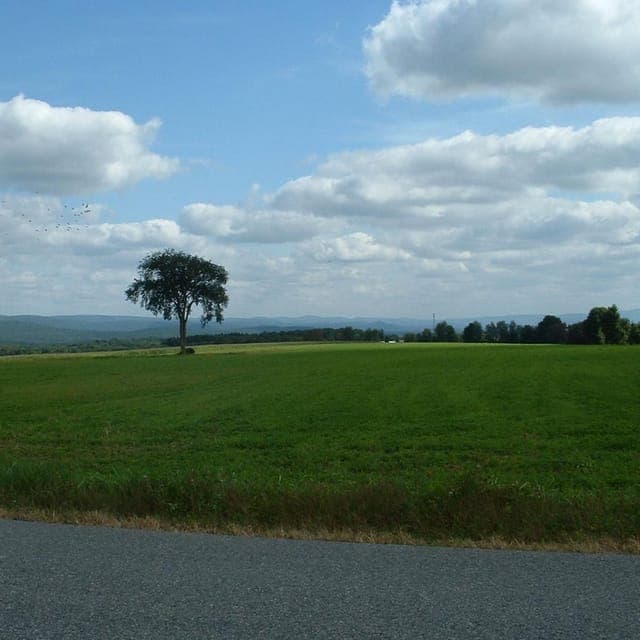

* Values derived from national, state, county, city and local statistics and may differ in a specific area. Last updated: 2026-09-29T17:16:35.000Z
Narrative content on this page is AI-generated and may contain mistakes. Verify any details that matter before acting on them.
ReloMaps may earn a commission from affiliate links at no extra cost to you.

