Photo: Wikipedia
Find The Best Places To Live in Berkshire County
PRO TIP! You can paste a Zillow or Redfin link to get info on that property.
Best Places to Live in Berkshire County
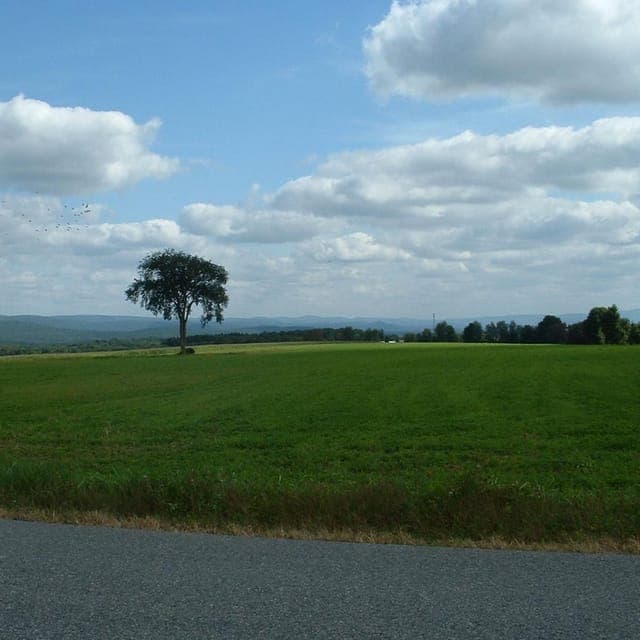
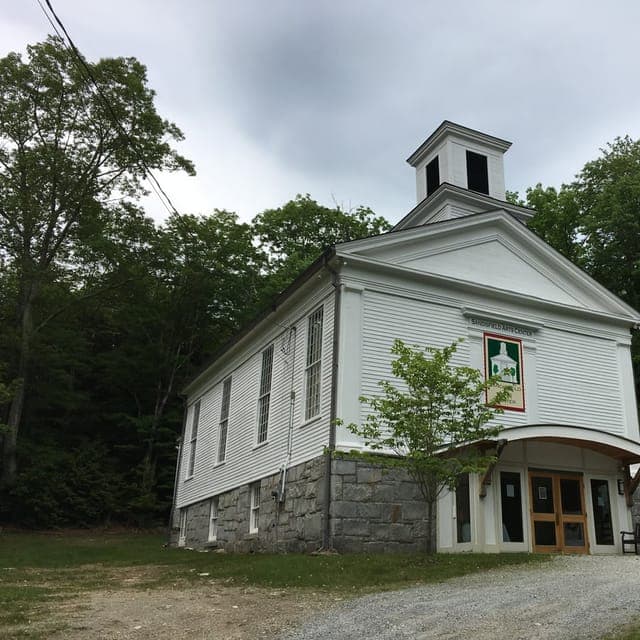
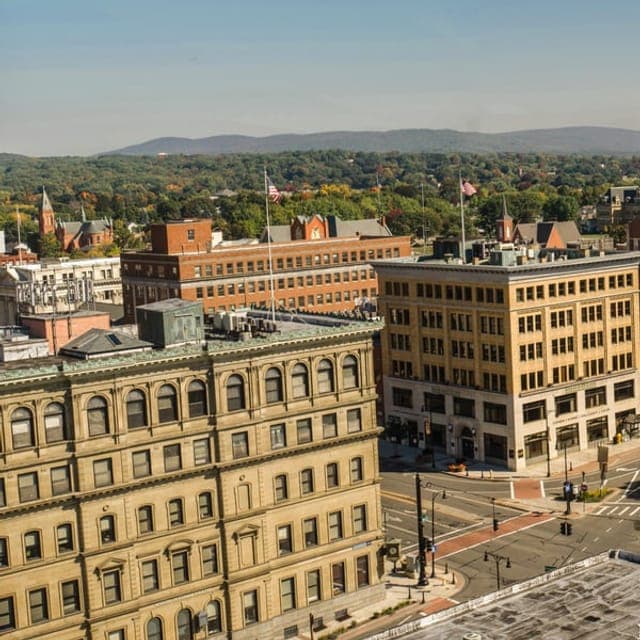
Cities & Towns in Berkshire County
Cities in Berkshire County
What It's Like Living in Berkshire County, MA
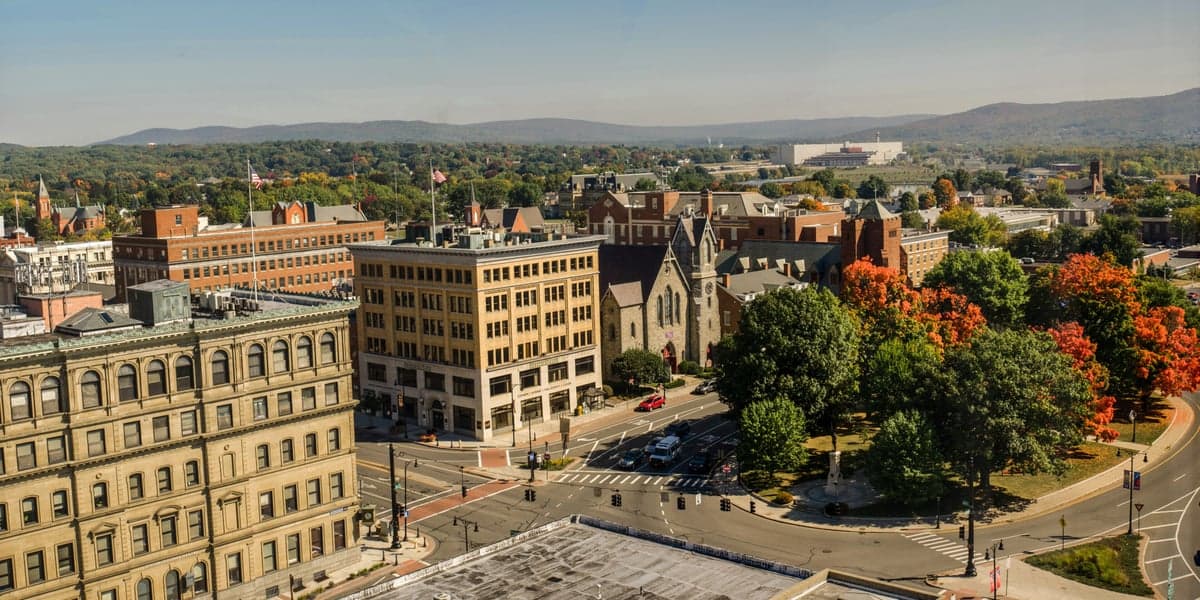
Berkshire County feels less like a single destination and more like a collection of distinct small towns and cities, each with its own rhythm, spread across the westernmost third of Massachusetts. Living here means trading the breakneck pace of Boston or New York for a life where the seasons dictate the calendar, the arts punch well above the population's weight, and your commute is measured in minutes, not hours. It’s a place that attracts people who value space, nature, and a slower, more intentional way of living, but it also demands a certain self-reliance and tolerance for quiet stretches.
The Daily Rhythm: Slow Mornings, Short Commutes, and Seasonal Swings
Daily life in Berkshire County revolves around the weather and the landscape. With a median age of 47.8, the population skews older, and the pace reflects that. Mornings often start with a coffee from a local spot like Dottie’s Coffee Lounge in Pittsfield or Fuel Coffee in Great Barrington before a commute that averages just 20.7 minutes — a figure that feels almost impossibly short to anyone coming from a major metro area. The workday is often followed by an errand at a local farm stand or a walk in one of the many state parks. The cost of living index sits at 94, meaning everyday expenses are slightly below the national average, which is a major draw for families and remote workers priced out of eastern Massachusetts. The median home value of $283,800 is a fraction of what you’d pay in Boston’s suburbs, making homeownership a realistic goal for many, though wages in the county (median household income of $72,565) also lag behind the state average.
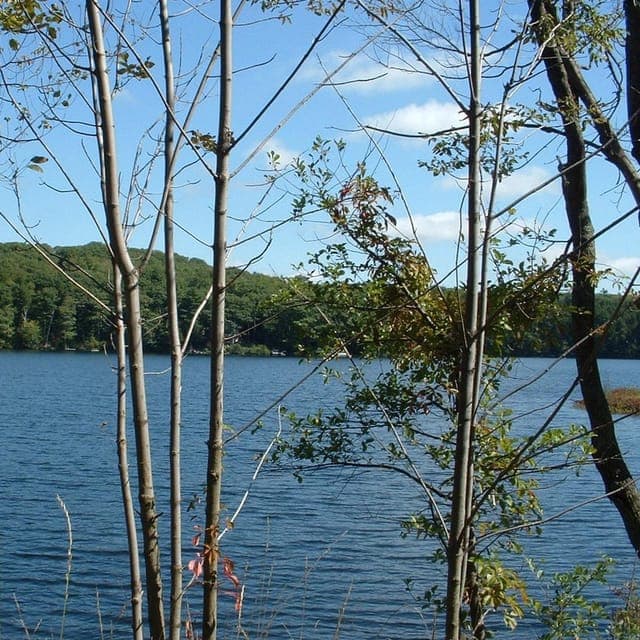
The rhythm shifts dramatically with the seasons. Summer brings a flood of tourists and second-home owners to towns like Lenox and Stockbridge, filling the restaurants and concert venues. Fall is a spectacle of foliage that draws leaf-peepers, but locals know the backroads to avoid the traffic. Winter is long and real — snow removal is a way of life, and the county’s many ski areas, like Jiminy Peak in Hancock, become the social hub. Spring is a muddy, hopeful thaw. This seasonal cycle is a defining feature; you have to be someone who can embrace a quiet January evening as much as a bustling July afternoon.
Sports, Arts, and the Weekend Vibe
For a county of just 128,047 people, the cultural offerings are surprisingly deep. The Tanglewood Music Festival in Lenox is the summer home of the Boston Symphony Orchestra, drawing world-class performers and tens of thousands of visitors. It’s a quintessential Berkshire experience — packing a picnic and a blanket for a concert on the lawn. But the arts scene isn’t just classical; the Mass MoCA museum in North Adams is a massive contemporary art space that has helped revitalize that city, and the Williamstown Theatre Festival brings top-tier theater to the northern part of the county.
Sports are less of a unifying force here than in many other parts of the country. There are no major professional teams. High school football and basketball games, particularly in towns like Pittsfield and Lee, draw solid local crowds, but they don’t dominate the conversation the way Friday-night lights do in Texas. Instead, the weekend focus is on outdoor recreation. Hiking Mount Greylock, the state’s highest peak, is a rite of passage. The Appalachian Trail runs right through the county, and the Ashuwillticook Rail Trail is a popular paved path for biking and walking that connects several towns. Skiing, snowshoeing, and cross-country skiing fill the winter months.
Pros and Cons: What You Gain and What You Trade
Living in Berkshire County comes with clear trade-offs. On the plus side, the sense of community is genuine. People know their neighbors, and local businesses — from the Berkshire Co-op Market in Great Barrington to the Hot Plate Brewing Co. in Pittsfield — are supported fiercely. The natural beauty is constant, and the access to hiking, skiing, and lakes is unparalleled in Massachusetts. The violent crime rate of 284.3 per 100,000 is slightly above the national average, but it’s heavily concentrated in specific areas of Pittsfield and North Adams; most of the county’s small towns feel very safe. The low cost of living and short commute are genuine quality-of-life wins.
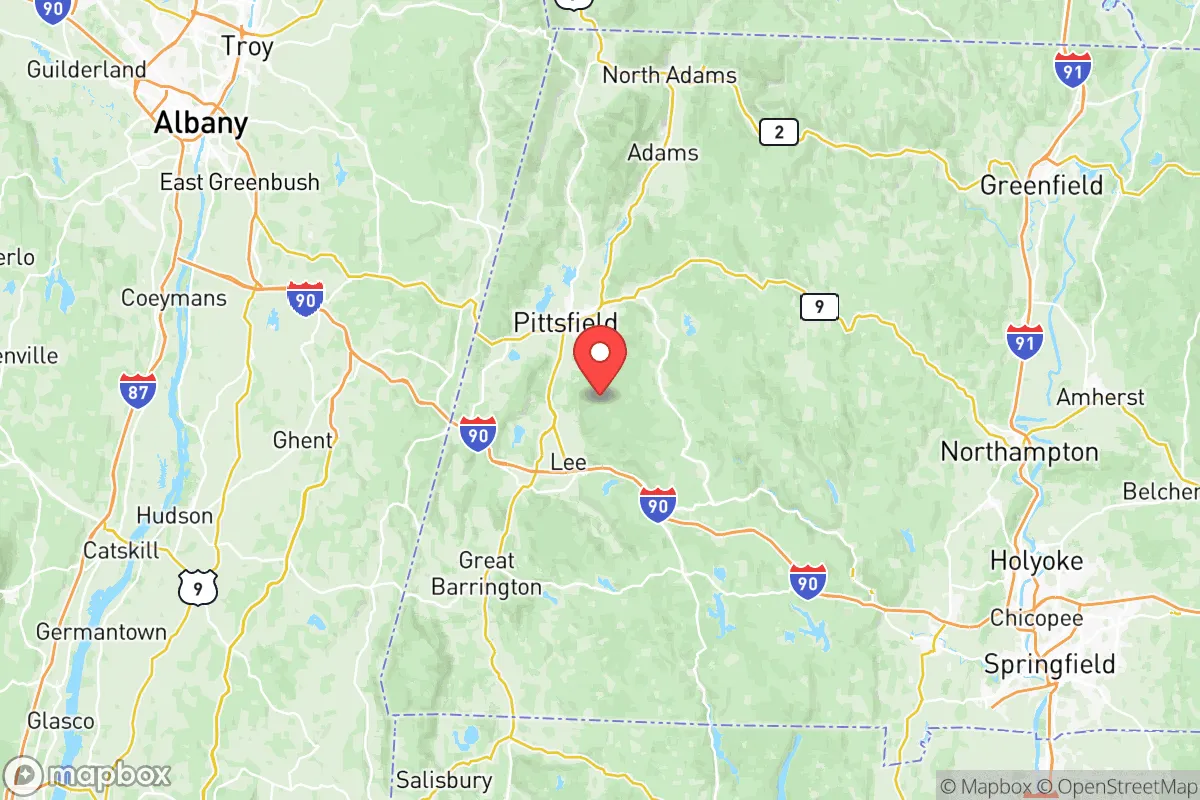
On the downside, the isolation can be real. The nearest major city, Albany, NY, is about an hour’s drive from Pittsfield, and Boston is a solid three hours. Job opportunities outside of healthcare, education, and tourism are limited. The county has a high proportion of college-educated residents (38.3%), but many young people leave for career opportunities elsewhere and don’t return until later in life, contributing to that older median age. The restaurant and nightlife scene is decent for the size, but it’s not a place for people who crave constant new options or a vibrant singles scene. Winters can feel long and isolating, especially for those not into winter sports. The schools, particularly in wealthier towns like Williamstown and Lenox, are strong, but the county as a whole faces the same funding challenges as many rural areas.
The kind of person who thrives here is self-sufficient, values nature over nightlife, and is comfortable with a quieter, more predictable life. It’s a great fit for remote workers, retirees, artists, and families who want their kids to grow up with space to roam and a strong sense of place. It’s less ideal for someone seeking career advancement in a fast-paced industry or a bustling social scene. The trade-off is simple: you trade convenience and opportunity for space, beauty, and a life that moves at its own pace.

* Values derived from national, state, county, city and local statistics and may differ in a specific area. Last updated: 2026-06-24T22:48:13.000Z
Narrative content on this page is AI-generated and may contain mistakes. Verify any details that matter before acting on them.
ReloMaps may earn a commission from affiliate links at no extra cost to you.

