Photo: Wikipedia
Strategic Assessment of Oriental, NC
Meaningful friction. Expect exposure to either population pressure, blast zones, or natural disaster risk. Consider buying a retreat property.
What does the Strategic Assessment tell us?
Our Strategic Assessment grades tactical survivability of an area. Major population centers, military targets, fallout zones, natural disasters, and border exposure all drive risk — lower exposure means a more defensible position in a crisis.
This is heavily inspired by Joel Skousen's Strategic Relocation book. Highly recommended you checkout the book ($)What does this tell us?
Our Strategic Assessment grades tactical survivability of an area. Major population centers, military targets, fallout zones, natural disasters, and border exposure all drive risk — lower exposure means a more defensible position in a crisis.
This is heavily inspired by Joel Skousen's Strategic Relocation book. Highly recommended you checkout the book ($)Strategic Pillars
Key Distances
Regional Safe Places
Below is our recommended "safe zones" in North Carolina and the surrounding area based on our strategic heuristics. For most people, it's unrealistic to live in a “safe zone” full-time due to work, family or other personal reasons. They tend to be more rural. However, many of these areas are perfect for second homes and retreat properties that double as a vacation home or even a short-term rental.

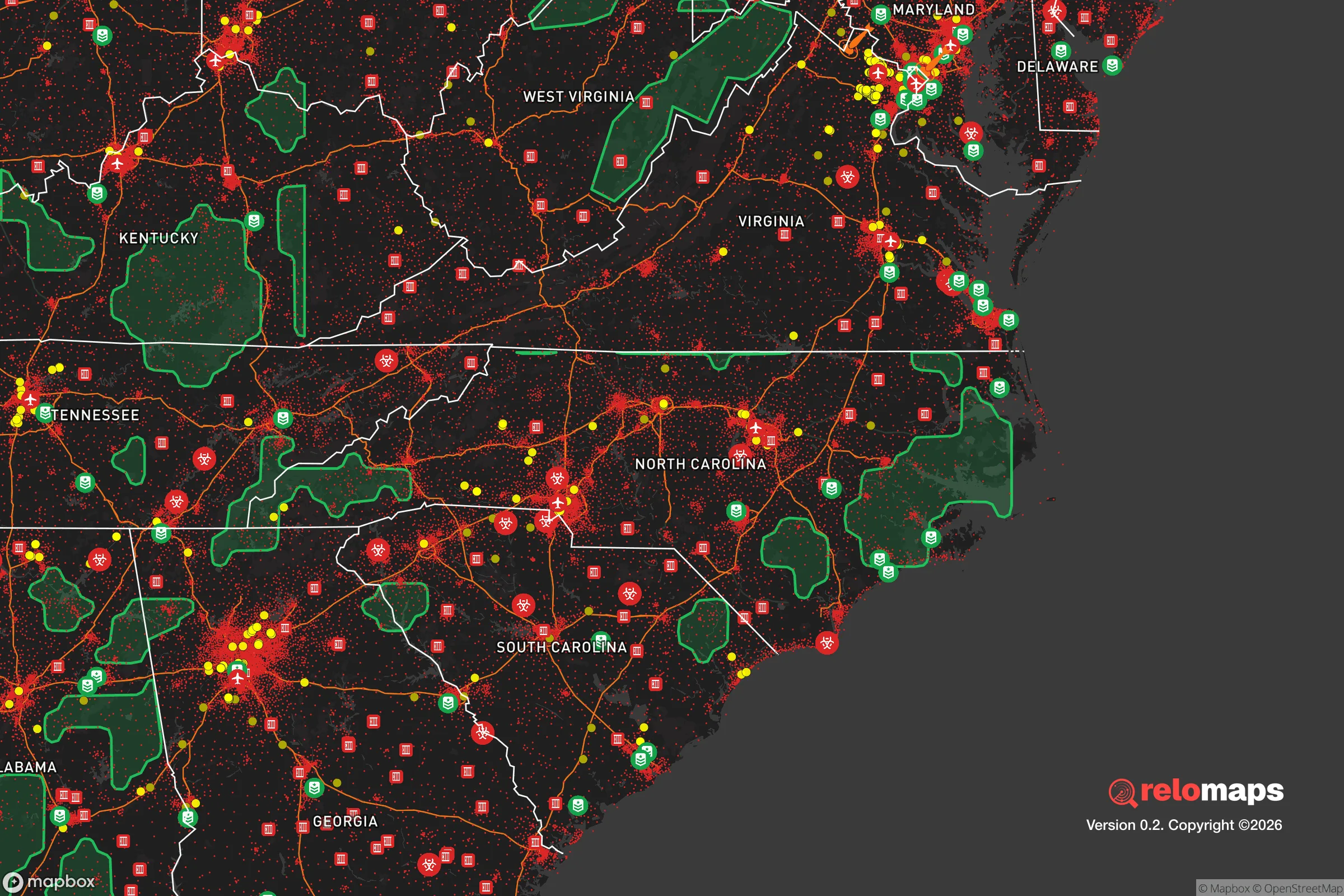


Important Note: For informational purposes only. This does not mean nothing bad ever happens in the green zones. Please use common sense. This is based on public data and modeled with AI. We tried to take a conservative approach but mistakes happen. We update this regularly as new information becomes available.
Solar Generator Recommendations
Backup power matters more here than in safer locations. We've picked three solar generators across budgets and capacity tiers — start with the budget unit if you only need a few essentials, or step up if you want to run a fridge and HVAC for days at a time.

Jackery Portable Power Station Explorer 300
Budget OptionPower on the Go: Weighing only 11 lbs, it's convenient to set up and store with book-sized foldable solar panels

BLUETTI Portable Power Station AC180
Designed for both indoor and outdoor scenarios, AC180 is highly capable as it has a robost capacity and continuous output power.

EF ECOFLOW DELTA Pro Ultra Power Station
Upgraded PickEcoFlow DELTA Pro Ultra is a whole-home energy system designed to grow with your family. Integrated with the Smart Home Panel 2, it scales to meet your evolving energy needs — keeping your home powered, intelligent, and secure through every stage of life.
We earn a commission, at no additional cost to you.
Strategic Assessment Analysis
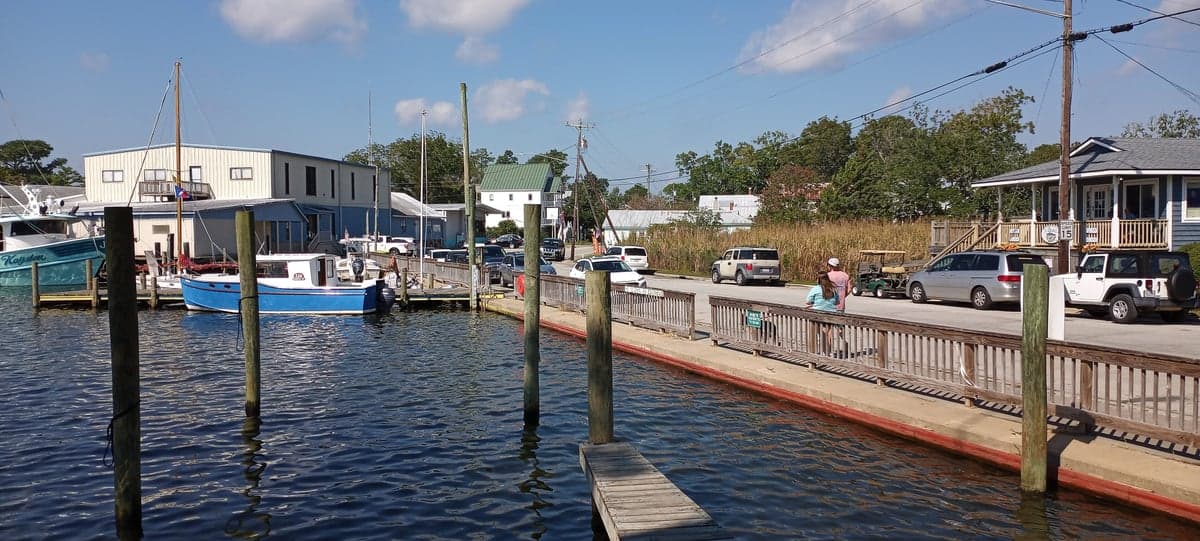
Oriental, North Carolina, presents a unique strategic profile for the relocation-minded reader focused on resilience and self-sufficiency. This small, unincorporated waterfront community on the Neuse River offers genuine geographic advantages—namely, its position as a "pocket" of relative isolation within a region that is otherwise increasingly exposed to the sprawl and vulnerabilities of the mid-Atlantic coast. For the single individual or family weighing disaster readiness, Oriental’s value lies not in its amenities, but in its combination of water access, low population density, and distance from the most obvious man-made and natural threat corridors, though it is far from a perfect redoubt.
Geographic position and natural advantages for a self-sufficient lifestyle
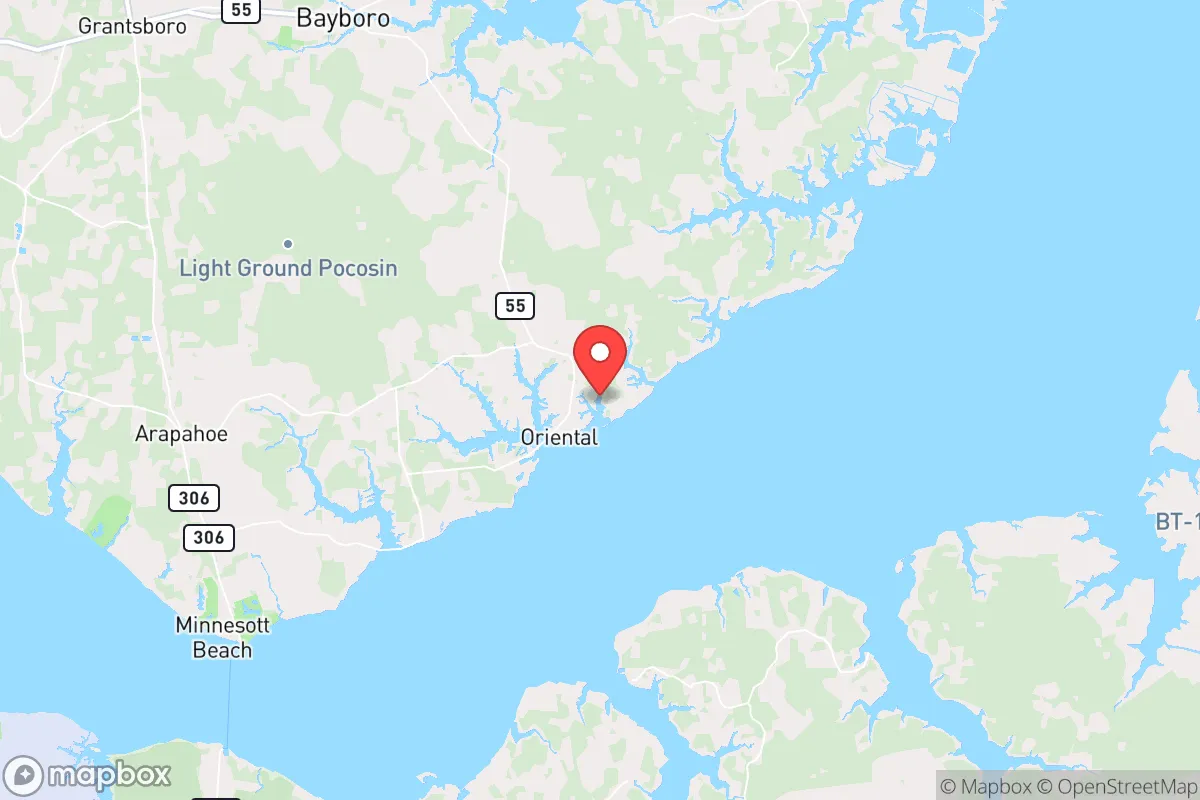
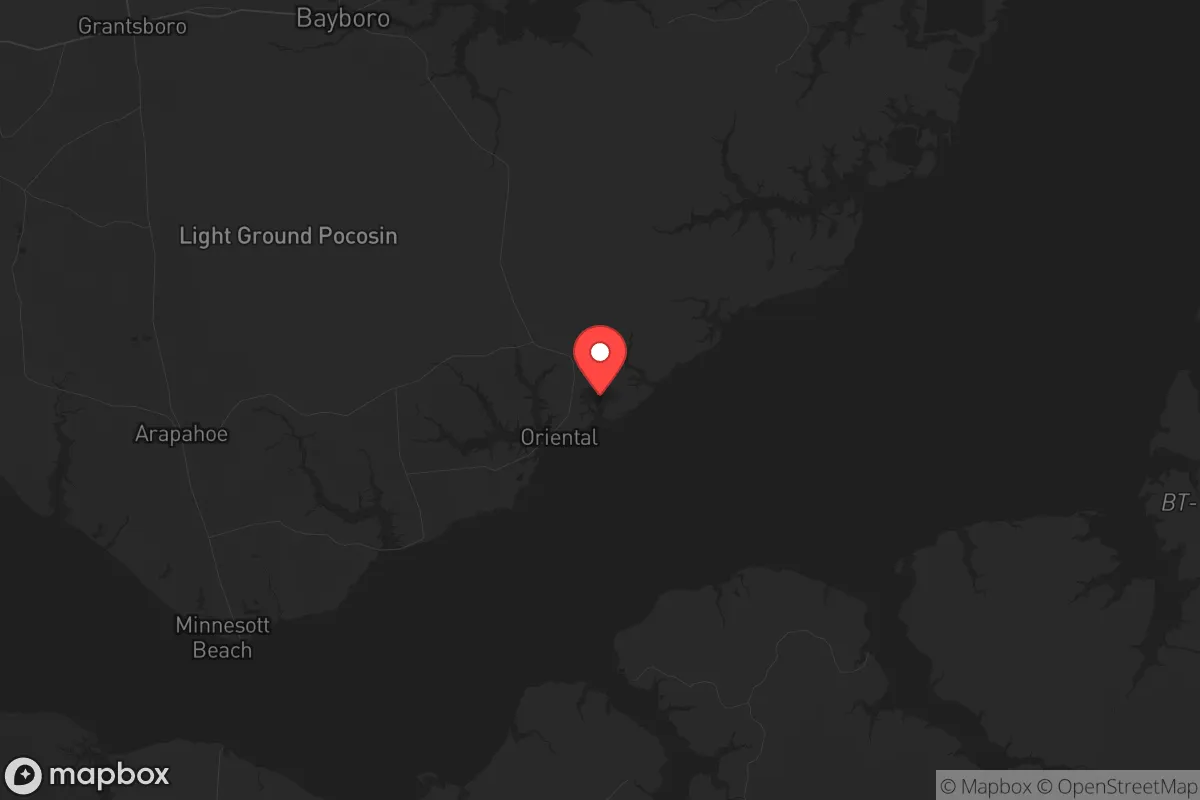
Oriental sits on a peninsula formed by the Neuse River and its tributaries, roughly 25 miles northeast of New Bern and about 100 miles east of Raleigh. This location places it squarely in the coastal plain, but with a key distinction: it is not on the open Atlantic. The Outer Banks, roughly 60 miles to the southeast, act as a natural barrier that blunts the worst of hurricane storm surge, though the Neuse River itself is a tidal estuary and remains vulnerable to surge from major storms. The surrounding landscape is a mix of pine forests, wetlands, and farmland, offering ample space for private food production, rainwater catchment, and off-grid energy systems. The area's low population density—Pamlico County, where Oriental is located, has fewer than 13,000 residents—means less competition for resources in a crisis and fewer eyes on your property. The Neuse River provides a reliable water source for treatment and transport, and the region's temperate climate allows for year-round growing seasons, a significant advantage for anyone serious about food security. The terrain is flat, which simplifies construction and gardening but offers no natural defensive elevation.
Risks, exposures, and proximity to fallout-relevant landmarks
No honest assessment can ignore the liabilities. Oriental’s greatest natural risk is hurricanes and tropical storms. The area has been hit directly by major storms—Hurricane Florence in 2018 caused catastrophic flooding in nearby New Bern, and Oriental itself saw significant surge and wind damage. Storm surge from the Neuse River can inundate low-lying areas, and the region's flat, sandy soil is prone to flooding after heavy rain. Power outages are common and can last days or weeks after a major storm. On the man-made risk side, Oriental is not near any major military installations, nuclear power plants, or large industrial targets that would be primary fallout concerns. The closest significant infrastructure is the Marine Corps Base Camp Lejeune, about 50 miles south, and the Harris Nuclear Plant, about 60 miles west near New Hill. Neither is close enough to be a direct fallout hazard in most plausible scenarios, but both are within a 100-mile radius that could see secondary effects from a major event. The larger concern is the proximity to the I-95 corridor and the urbanized areas of eastern North Carolina—New Bern, Havelock, and Morehead City are all within 30-40 miles. In a collapse or evacuation scenario, these population centers could become sources of refugee flow or resource competition. Oriental’s single main road, NC-55, is a two-lane highway that can become choked quickly. The area is not a hardened bunker; it is a quiet coastal village with real but manageable risks.
Practical resilience for a relocator: food, water, energy, and defensibility
For the relocator, the practical resilience picture is mixed but workable. Water is the strongest asset: the Neuse River is a massive, year-round surface water source, and the shallow water table means private wells are common and reliable. Rainwater catchment is straightforward given the region's 50+ inches of annual rainfall. Food is a moderate strength. The growing season runs from April to October, and the sandy loam soil, while not rich, is workable for vegetables, fruit trees, and small livestock. Local fishing in the Neuse and Pamlico Sound is excellent—flounder, trout, blue crab, and shrimp are abundant. However, the area is not a major agricultural hub; most food is trucked in from outside the region. A serious prepper would need to establish gardens and food storage well before any crisis. Energy is a vulnerability. The grid is fragile, and Duke Energy’s coastal infrastructure is prone to storm-related outages. Solar is viable—the region gets about 210 sunny days per year—but battery storage is essential. Propane and wood are the primary backup heating options; natural gas is not widely available in rural Pamlico County. Defensibility is the weakest link. Oriental is not a defensible position in any tactical sense. The flat, open terrain offers no natural chokepoints, and the single road in and out (NC-55) is a liability. The community is small and tight-knit, which helps with mutual aid, but there is no organized security infrastructure. A relocator would need to rely on their own perimeter security, situational awareness, and good relations with neighbors. The best defensive asset is obscurity—Oriental is not a known destination for preppers or survivalists, which means it is unlikely to be on anyone’s radar in a crisis.
The overall strategic picture for Oriental is one of moderate resilience with clear trade-offs. It offers genuine advantages in water access, low population density, and a temperate climate that supports year-round food production. Its risks—hurricanes, flooding, a fragile grid, and a single evacuation route—are real but manageable with proper preparation. For the relocator who is serious about self-sufficiency and willing to invest in off-grid infrastructure, Oriental provides a solid foundation. It is not a fortress, and it is not a remote mountain retreat. It is a quiet, coastal community where a prepared individual or family can carve out a resilient lifestyle, provided they respect the area’s natural hazards and plan accordingly. If your priority is a location that balances access to water and isolation from major threat corridors, Oriental deserves a close look—but only if you are ready to build your own resilience from the ground up.

* Values derived from national, state, county, city and local statistics and may differ in a specific area. Last updated: 2026-10-25T18:03:31.000Z
Narrative content on this page is AI-generated and may contain mistakes. Verify any details that matter before acting on them.
ReloMaps may earn a commission from affiliate links at no extra cost to you.

