Photo: Wikipedia
Quality of Life in Oriental, NC
A high quality of life with strong walkability, manageable living costs, healthy neighborhood signals, and solid amenity access.
What does Quality of Life tell us?
Quality of Life blends cost of living, nearby amenities, socioeconomic signals, and neighborhood character. City-level scores represent the whole municipality; individual neighborhoods can differ.
What does this tell us?
Quality of Life blends cost of living, nearby amenities, socioeconomic signals, and neighborhood character. City-level scores represent the whole municipality; individual neighborhoods can differ.
Cost of Living
15% above national average
The Real Cost of Living in Oriental, NC for 2026
| Tier | Individual | Family (4) |
|---|---|---|
| Survival | $18k | $33k |
| Comfortable | $65k | $96k |
| Luxury | $95k+ | $148k+ |
| Elite (Top 5%) | $112k+ | $174k+ |
60%
The Area Signal
A metric tracking the socioeconomic signals of the area.
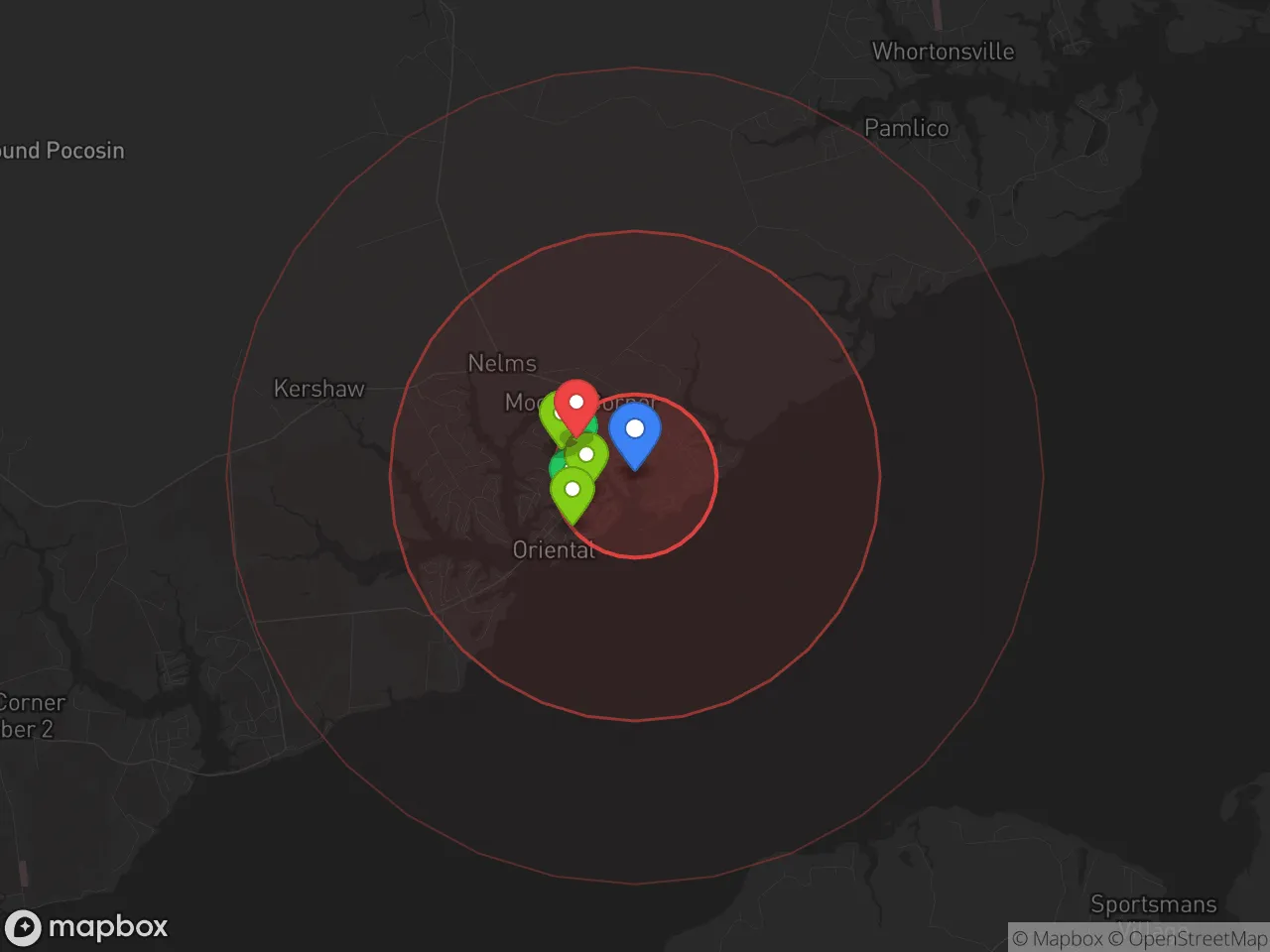
Hobbies
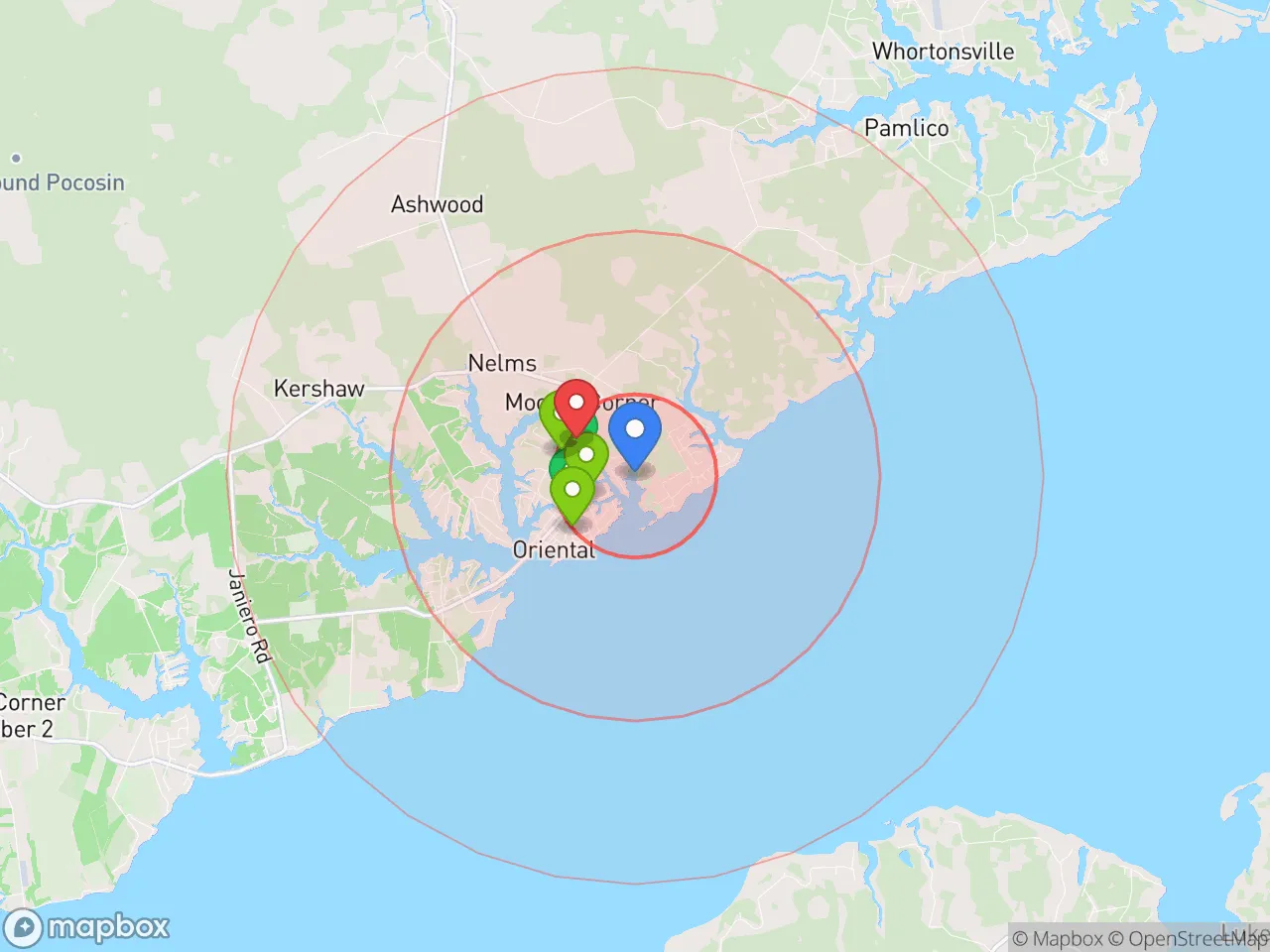
Explore the areaGroceries
1 within 10 miles
Gas
1 within 10 miles
Hospital
0 within 20 miles
Airport
RDU — Raleigh–Durham International
Post Office
USPS — Oriental, NC
Critical Amenities
Quality-of-Life Analysis
Oriental, North Carolina, is a small waterfront town with a cost of living index of 115—15% above the national average—reflecting its desirability as a boating and retirement destination on the Neuse River. The population skews older and more affluent than the state median, with a median home value of $406,800 that places it among the pricier communities in Pamlico County. Many residents are retirees, second-home owners, or professionals who commute to New Bern or even the Research Triangle region, drawn by the town’s quiet maritime character and tight-knit social fabric.
Cost of living, housing market, and affordability compared to nearby towns
Oriental’s housing market is the primary driver of its above-average cost of living. The median home value of $406,800 is roughly double the Pamlico County median and significantly higher than in nearby towns like Bayboro or Vandemere, where comparable homes often sell for under $200,000. Renters face a more moderate burden: the median rent of $1,106 is only slightly above the national figure, making rental options more accessible than homeownership. The average commute of 25.1 minutes is manageable, though most jobs are concentrated in New Bern (30 minutes west) or along the US-70 corridor. For buyers, the premium reflects direct water access and the town’s reputation as the “Sailing Capital of North Carolina”—a trade-off that retirees and remote workers often find worthwhile, but that may price out younger families or local service workers.
Local amenities, schools, and what daily life is like for residents
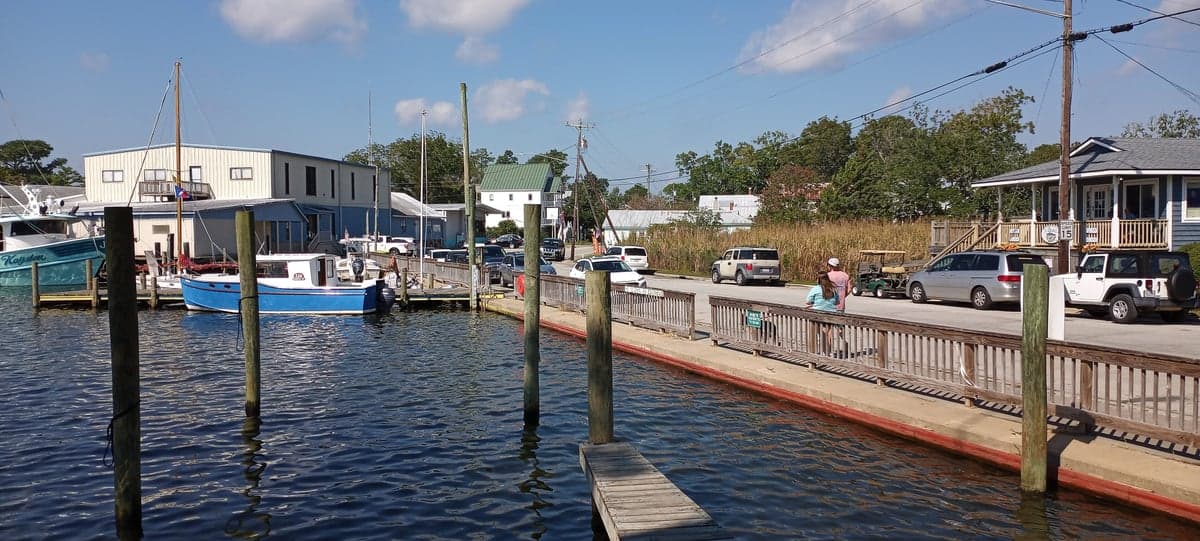
Daily life in Oriental revolves around the water and a walkable downtown core. The town has a handful of restaurants, a grocery store, a hardware store, and a public marina, but lacks a hospital or major retail—residents drive to New Bern for most shopping and medical needs. The Pamlico County School system serves the area, with Oriental’s elementary school rated average by state standards; high school students commute to the county seat in Bayboro. The pace is slow and seasonal: summer brings regattas and tourist traffic, while winter is quiet. The town’s social calendar is built around the Oriental Rotary Club, the annual Croaker Festival, and volunteer-run events at the local library. For families, the lack of after-school programs and limited job diversity can be a drawback, while retirees and boaters appreciate the low crime rate and easy access to the Pamlico Sound.
Who thrives in Oriental and who might struggle
Oriental is best suited for retirees, remote workers, and sailing enthusiasts who prioritize waterfront living and a tight-knit community over urban amenities. The high home values and limited rental supply mean that renters or first-time buyers on a median income will likely find the market challenging. Families with school-age children may need to factor in the commute to New Bern for extracurriculars or specialized services. Ultimately, the town rewards those who value quiet, nature, and neighborly connection—and who have the financial flexibility to afford its premium on coastal charm.

Crime in Oriental, NC
Lower crime rates than 99% of comparable U.S. locations.
Violent CrimeViolent Crime Analysis
Property CrimeProperty Crime Analysis
Crime Analysis
Oriental, North Carolina, is one of the safest small towns in the state, with a violent crime rate of 0 per 100,000 residents and a property crime rate of 330.4 per 100,000. This waterfront community in Pamlico County reports no incidents of murder, rape, robbery, or aggravated assault, placing it far below both state and national averages for violent offenses. The property crime rate, while present, remains significantly lower than the North Carolina average of roughly 2,200 per 100,000 and the national median of approximately 1,900 per 100,000.
Crime in context
Oriental’s crime statistics reflect a community that is both small and geographically isolated, factors that naturally limit criminal opportunity. The town’s violent crime rate of zero is a statistical outlier even among rural North Carolina towns, many of which report rates between 200 and 400 per 100,000. Property crime in Oriental is concentrated in theft from unlocked vehicles and minor burglaries, with no reported arson or motor vehicle theft in recent reporting periods. By comparison, nearby New Bern reports a violent crime rate near 500 per 100,000 and a property crime rate above 3,000 per 100,000, making Oriental substantially safer on both measures. The town benefits from being outside the jurisdiction of any large metropolitan area, meaning it is not subject to the progressive prosecutorial policies that have been linked to rising crime rates in urban centers like Raleigh or Durham. In those cities, district attorneys elected on reform platforms have reduced incarceration rates and declined to prosecute certain low-level offenses, contributing to a perception of increased lawlessness. Oriental, by contrast, operates under the Pamlico County District Attorney’s office, which maintains a traditional approach to prosecution, and residents report a visible law enforcement presence from the Oriental Police Department and the Pamlico County Sheriff’s Office.
What residents experience
Daily life in Oriental is characterized by a high degree of personal safety. Residents commonly leave doors unlocked during the day and walk the town’s waterfront paths and marinas without concern. The most frequent public safety issues are minor: bicycle thefts from docks, package thefts during the holiday season, and occasional disputes between seasonal boaters and full-time residents. The town’s small population of roughly 900 means that most criminal incidents are quickly known and addressed through informal community networks. Emergency response times from the Oriental Police Department are under five minutes within town limits, and the Pamlico County Sheriff’s Office provides backup for any serious incident. There are no neighborhoods in Oriental that are considered dangerous or high-crime; the entire town is uniformly safe, with the highest-risk area being the public boat ramps during peak tourist season, where out-of-town visitors occasionally leave valuables visible in parked vehicles.
Neighborhood-level variation in Oriental is minimal. The town’s housing stock is concentrated along the waterfront and a few inland streets, with no significant difference in crime rates between the historic district, the marina area, or the newer subdivisions on the outskirts. The only notable pattern is a slight uptick in property crime during the summer months, when transient populations increase and some seasonal homes sit vacant. Overall, Oriental ranks among the safest municipalities in North Carolina for both violent and property crime, and its isolation from large metro areas insulates it from the broader crime trends affecting urban and suburban communities with progressive justice policies.
* Values derived from national, state, county, city and local statistics and may differ in a specific area. Last updated: 2026-10-25T18:03:31.000Z
Narrative content on this page is AI-generated and may contain mistakes. Verify any details that matter before acting on them.
ReloMaps may earn a commission from affiliate links at no extra cost to you.

