Photo: Wikipedia
Quality of Life in Oregon
A livable area that tracks near national norms for affordability, walkability, and neighborhood health.
What does Quality of Life tell us?
Quality of Life measures an area by evaluating factors like cost of living, nearby amenities, country club access, airport proximity, socioeconomic signals and neighborhood character. For large states, this is a general average — quality of life can vary dramatically between metro areas, suburbs, and rural communities within the same state.
What does this tell us?
Quality of Life measures an area by evaluating factors like cost of living, nearby amenities, country club access, airport proximity, socioeconomic signals and neighborhood character. For large states, this is a general average — quality of life can vary dramatically between metro areas, suburbs, and rural communities within the same state.
Cost of Living
39% above national average
42%
The Real Cost of Living in Oregon for 2026
| Tier | Individual | Family (4) |
|---|---|---|
| Survival | $44k | $82k |
| Comfortable | $130k | $191k |
| Luxury | $145k+ | $225k+ |
| Elite (Top 5%) | $174k+ | $269k+ |
Quality-of-Life Analysis
Oregon offers a remarkably broad spectrum of quality-of-life options, from dense, walkable urban cores to remote coastal hamlets and high-desert ranch towns. The state’s lifestyle tiers attract distinctly different residents: Portland draws creatives and tech workers, the Willamette Valley appeals to families and wine enthusiasts, while eastern Oregon and the coast attract retirees, outdoor recreationists, and those seeking solitude. With a cost-of-living index of 139 (39% above the U.S. average), a median home value of $454,200, and median rent of $1,450, the financial reality varies dramatically depending on where you choose to settle.
Major metros
Oregon’s urban landscape is dominated by Portland, the state’s largest city and economic engine. Portland offers a dense, bike-friendly urban core with a strong food scene, craft beer culture, and a tech and creative-services job market anchored by companies like Nike, Intel, and Columbia Sportswear. The city’s walkable neighborhoods—Pearl District, Hawthorne, Alberta Arts—cater to young professionals and artists, but the median home value in Portland proper exceeds $500,000, pushing many buyers to suburbs like Beaverton or Hillsboro. Salem, the state capital, is a smaller metro with a more government- and healthcare-driven economy (home to Salem Health and the Oregon State Capitol), offering a quieter, more affordable alternative with a median home value around $380,000. Eugene, home to the University of Oregon, blends college-town energy with a strong outdoor recreation culture (rivers, trails, nearby mountains) and a growing biotech sector. Its median home value sits near $420,000, and the average commute of 23 minutes is among the shortest in the state.
Mid-size cities & college towns
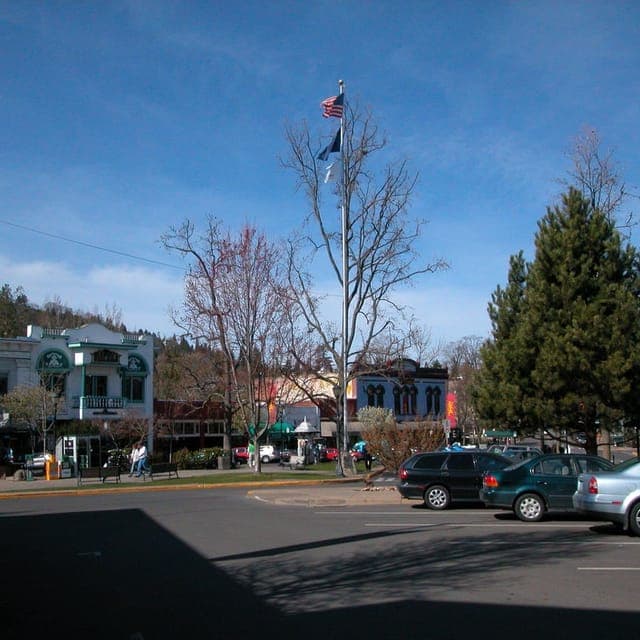
Beyond the major metros, Oregon’s mid-size cities offer distinct identities. Bend, in central Oregon’s high desert, has exploded in popularity due to its outdoor lifestyle—skiing at Mt. Bachelor, mountain biking, and craft breweries—but home values have surged to a median of $650,000, making it one of the state’s priciest non-Portland markets. Corvallis, home to Oregon State University, is a classic college town with a strong STEM focus (OSU’s engineering and agricultural programs) and a median home value around $440,000. Medford, in the Rogue Valley, offers a warmer, drier climate and a lower cost of living (median home value ~$380,000), attracting retirees and those priced out of the Willamette Valley. Ashland, just south of Medford, is a cultural hub known for the Oregon Shakespeare Festival, with a median home value near $500,000 and a walkable downtown that appeals to arts-oriented residents. Gresham, east of Portland, provides a more affordable entry point to the metro area (median home value ~$400,000) with growing retail and healthcare employment.
Small towns & rural areas
Oregon’s small towns and rural regions offer dramatically different lifestyles. On the coast, Cannon Beach and Lincoln City attract tourists and second-home owners, but year-round residents face limited job opportunities and median home values above $450,000. Further south, Bandon and Gold Beach offer quieter, more affordable coastal living (median home values around $350,000) with fishing and tourism economies. In eastern Oregon, Pendleton (famous for the Pendleton Round-Up) and Baker City provide true rural living with median home values under $300,000, wide-open spaces, and a slower pace. The Columbia River Gorge towns—Hood River, The Dalles—blend windsurfing culture with agricultural roots; Hood River’s median home value has climbed to $550,000 due to its scenic appeal, while The Dalles remains more affordable at ~$350,000. For those seeking off-grid or agricultural lifestyles, Lake County and Harney County in the southeast offer vast, sparsely populated landscapes with median home values under $250,000, but limited services and long drives to grocery stores or hospitals.
Luxury vs. affordable living
The luxury tier in Oregon is concentrated in a few enclaves. Dunthorpe (a Portland suburb) and Oswego Lake (Lake Oswego) feature median home values exceeding $1.2 million, with waterfront properties and top-rated schools. Sunriver, near Bend, is a resort community with homes averaging $800,000+, catering to wealthy second-home owners. On the coast, Manzanita and Yachats attract affluent retirees with ocean-view properties above $700,000. At the affordable end, Klamath Falls offers median home values around $290,000, with a dry climate and proximity to Crater Lake. Ontario, in far eastern Oregon, has median home values near $250,000 and a strong agricultural economy. Coos Bay and North Bend on the southern coast provide median home values around $320,000, with a working-class fishing and timber heritage. The Willamette Valley towns of Albany and Lebanon offer median home values in the $350,000–$380,000 range, with commutes of 30–40 minutes to Salem or Eugene.
The practical reality is that Oregon’s quality-of-life spectrum is defined by trade-offs. Portland and Bend offer vibrant urban and outdoor lifestyles but demand high incomes or significant housing sacrifices. Mid-size cities like Corvallis and Medford provide a balance of amenities and affordability, while rural eastern Oregon and the southern coast offer the lowest costs but limited employment and services. The state’s average commute of 23 minutes is relatively short, but in rural areas it can stretch to 45–60 minutes for basic errands. Ultimately, the best fit depends on whether you prioritize walkability, career opportunities, outdoor access, or financial breathing room—and how much you’re willing to pay for each.

Crime in Oregon
Crime rates similar to the national median for U.S. locations.
Violent CrimeViolent Crime Analysis
Property CrimeProperty Crime Analysis
Crime Analysis
Oregon’s overall safety picture is mixed, with a violent crime rate of 306.9 per 100,000 residents and a property crime rate of 2,110.8 per 100,000. These figures place the state above national averages for property offenses, while violent crime hovers near the U.S. median. However, these statewide numbers mask sharp disparities between urban centers and smaller communities, driven largely by progressive criminal justice policies in major metro areas.
Crime in context
Compared to the national violent crime rate of roughly 380 per 100,000, Oregon’s 306.9 figure is slightly below average. Property crime, however, tells a different story: the national rate sits around 1,950 per 100,000, meaning Oregon’s 2,110.8 rate is about 8% higher. The state’s property crime problem is concentrated in its largest cities, particularly Portland, where rates exceed 5,000 per 100,000 for theft and burglary. Salem and Eugene also report elevated property crime numbers, while Bend and Medford fall closer to the state average. The gap between urban and rural areas is stark: Lakeview and Baker City in eastern Oregon see property crime rates below 1,500 per 100,000.
What residents experience
For everyday Oregonians, property crime is the most tangible threat. Car break-ins, package theft, and home burglaries are common complaints in Portland’s inner neighborhoods and along the I-5 corridor. Violent crime, while less frequent, has risen in pockets of Portland and Gresham since 2020, driven by gang activity and drug-related disputes. A key factor is the state’s progressive judicial environment: Multnomah County (Portland) and Lane County (Eugene) have district attorneys who emphasize diversion programs and reduced sentencing for nonviolent offenders. Critics argue this approach leads to repeat offenders cycling through the system quickly, undermining deterrence. For example, Portland’s property crime clearance rate hovers around 12%, compared to the national average of 18%, meaning most thefts go unsolved. Residents in these areas often report feeling that reporting crime is futile, as prosecutors rarely pursue charges for low-level offenses.
Neighborhood-level variation
Within Oregon’s metro areas, safety varies dramatically by neighborhood. In Portland, the Pearl District and Northwest District see higher rates of car theft and vandalism due to dense street parking, while Southwest Hills and Eastmoreland report lower crime thanks to wealthier demographics and private security. In Salem, the South Salem area is generally safer than the North Lancaster corridor, which has higher rates of drug-related crime. Suburban cities like Beaverton and Hillsboro offer a middle ground: property crime rates around 2,500 per 100,000, but violent crime below 200 per 100,000. For those seeking lower crime, West Linn and Lake Oswego consistently rank among the safest communities in the state, with violent crime rates under 100 per 100,000. Rural towns like Hood River and Astoria also maintain low crime, though they face occasional property theft spikes during tourist seasons.
Top Cities for Quality of Life in Oregon

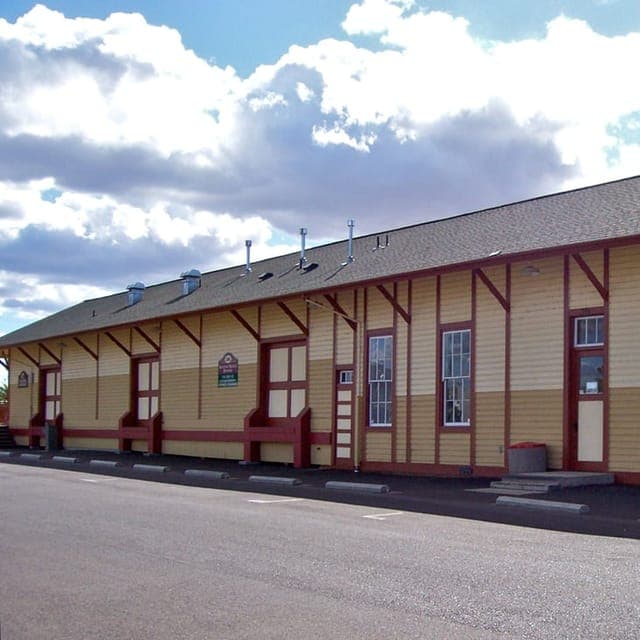
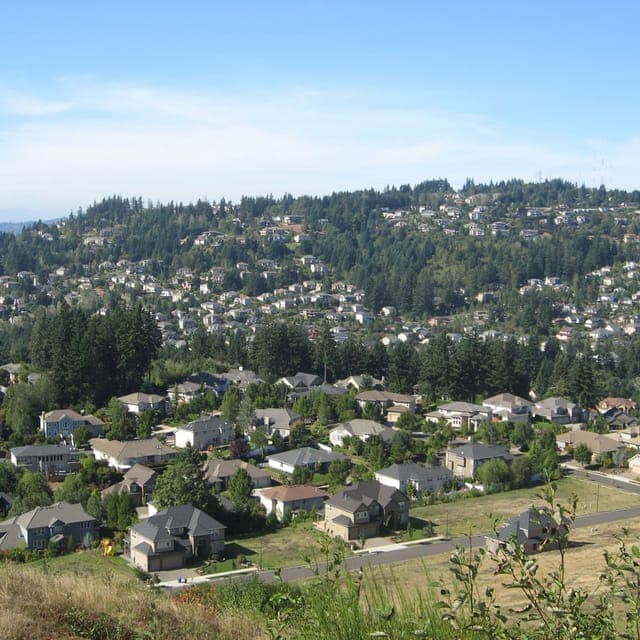
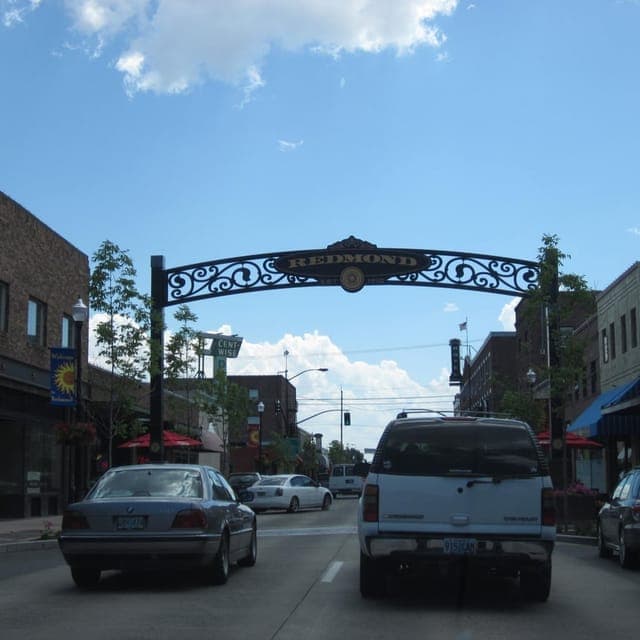
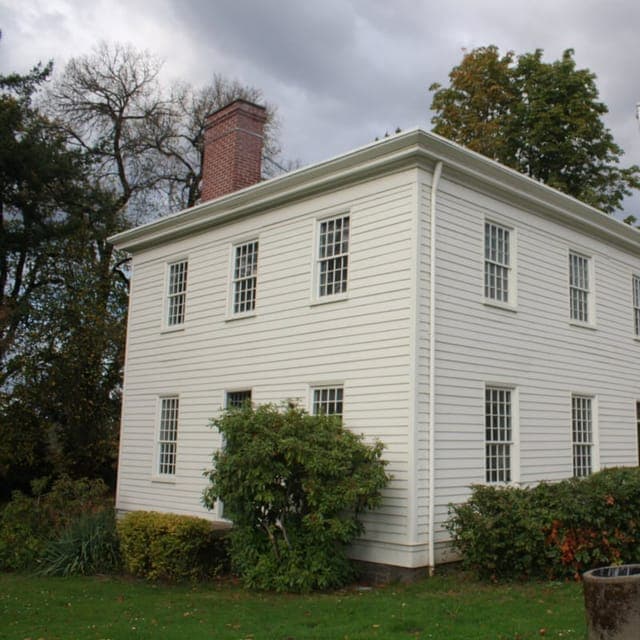
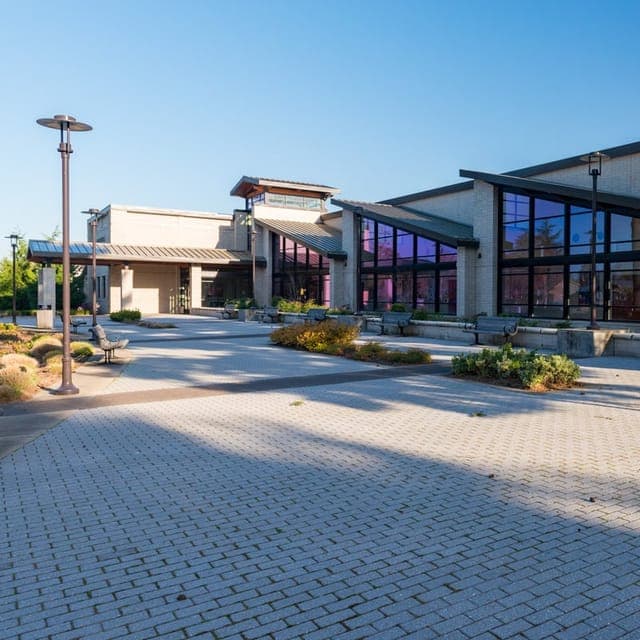
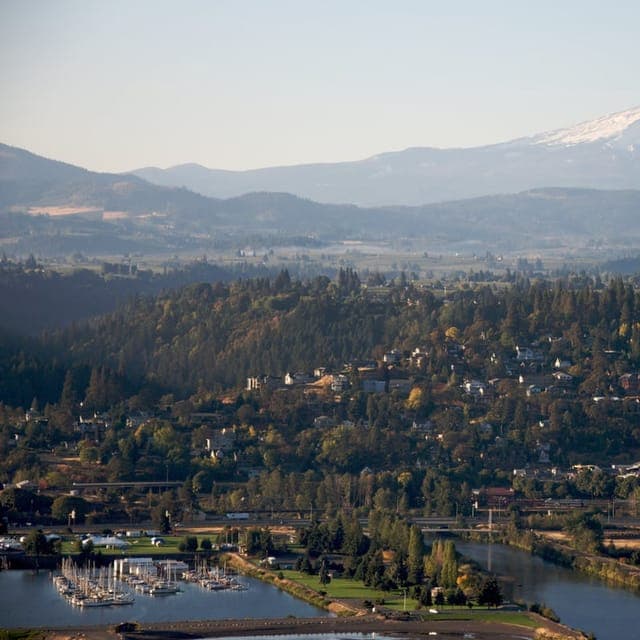
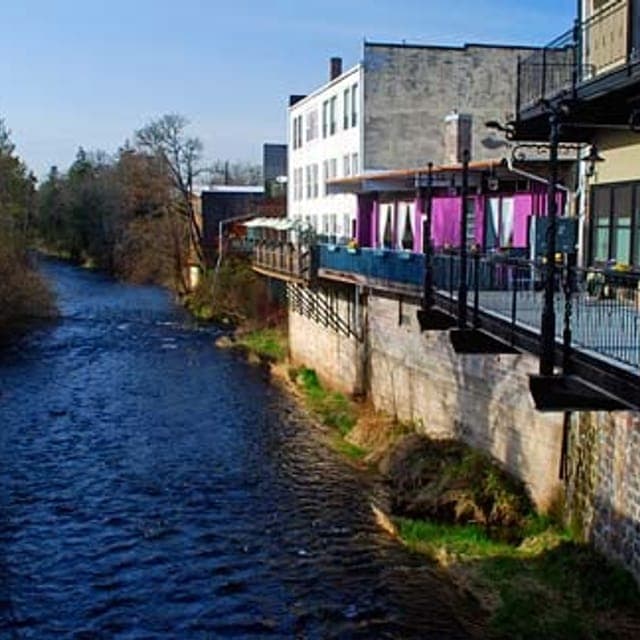

* Values derived from national, state, county, city and local statistics and may differ in a specific area. Last updated: 2026-04-14T06:20:14.000Z
Narrative content on this page is AI-generated and may contain mistakes. Verify any details that matter before acting on them.
ReloMaps may earn a commission from affiliate links at no extra cost to you.

