Photo: Wikipedia
Find The Best Places To Live
in Klamath Falls
PRO TIP! You can paste a Zillow or Redfin link to get info on that property.
What It's Like Living in Klamath Falls, OR
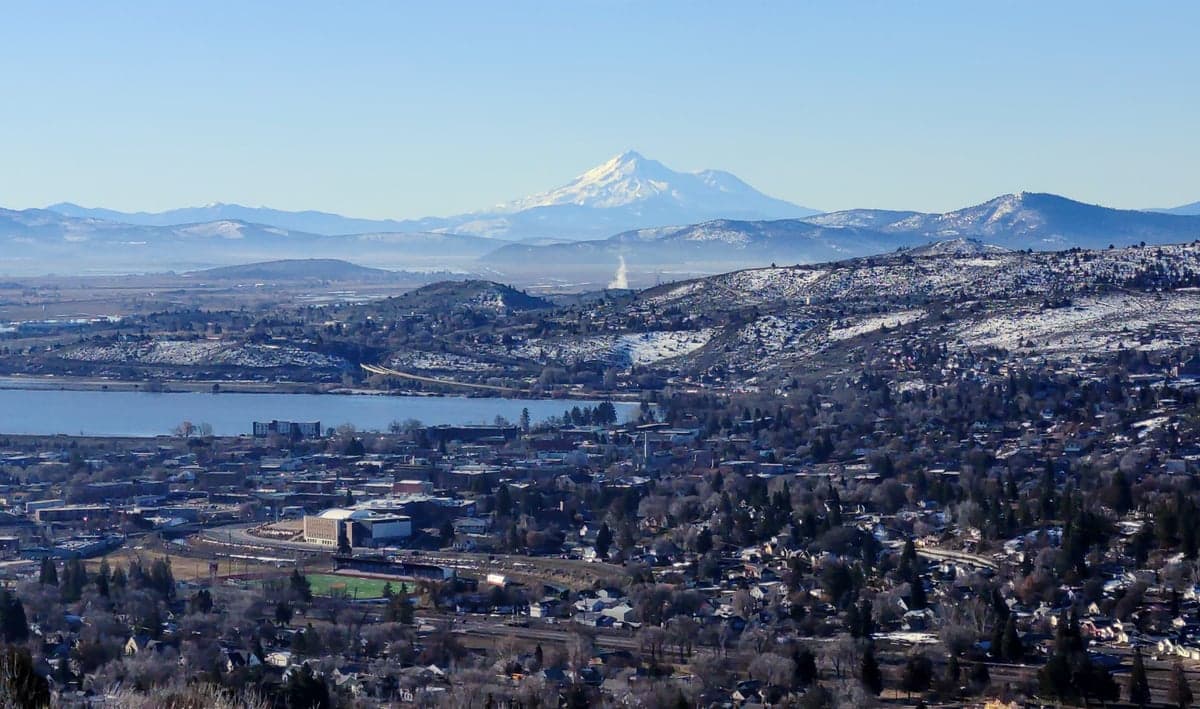
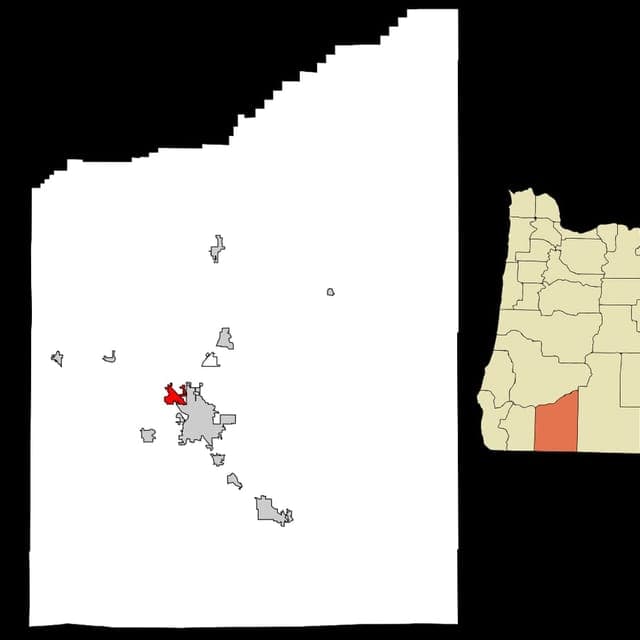
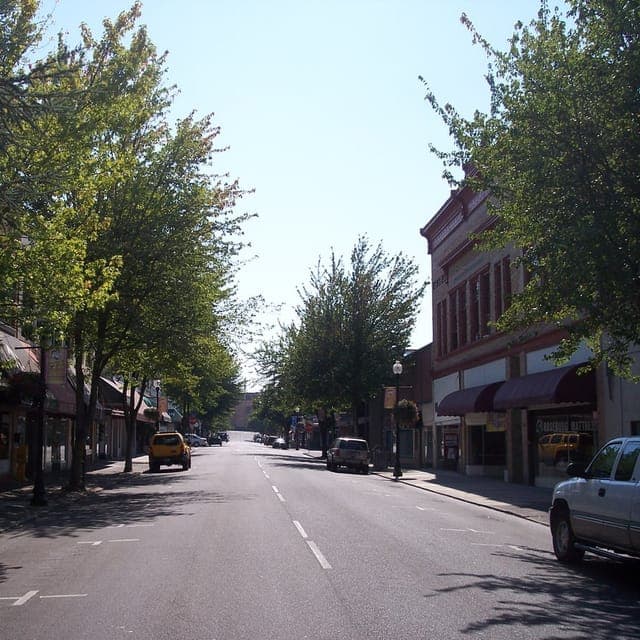
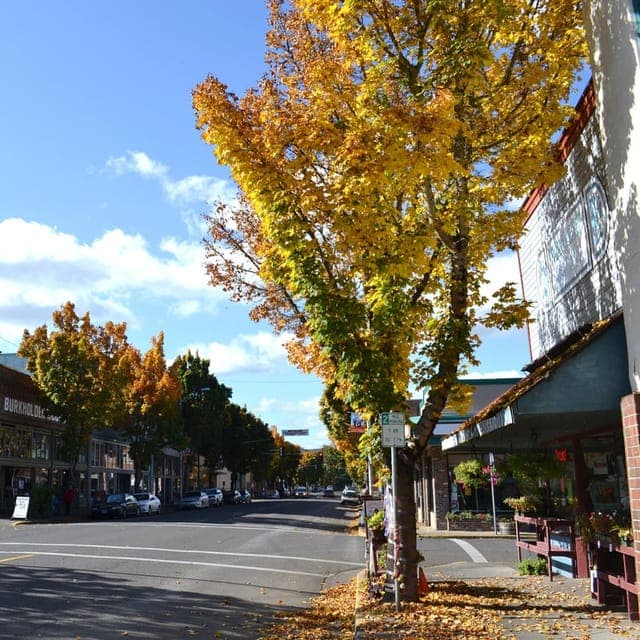
Klamath Falls has a quiet, hardworking rhythm that feels more like a small town than a city, even though it’s the largest population center in the region. With just under 22,000 people, it’s the kind of place where you run into someone you know at the grocery store, and the high school football game on Friday night is the main event of the week. The vibe is practical, outdoorsy, and unpretentious—people here value self-reliance and a slower pace, and they’re not trying to impress anyone.
Daily Rhythm and Who Fits In
A typical weekday in Klamath Falls starts early. The average commute is just 14 minutes, so most people are home well before 6 p.m., which leaves plenty of time for evening activities. The median age is 35.7, and the median household income sits at $47,268—below the national average, but the cost of living index is 86, meaning housing and groceries are noticeably cheaper than in most of the country. The median home value is $257,400, which is attainable for a single earner or a young family, especially compared to Oregon’s pricier cities like Portland or Bend. The kind of person who fits in here is someone who doesn’t mind driving 20 minutes to the nearest big-box store (Medford is about an hour away) and who values quiet weekends over nightlife. You’ll find a lot of tradespeople, remote workers who moved for the low housing costs, and retirees who want to fish and hunt without the crowds.
Sports, Community, and What People Actually Do
High school sports are a big deal here—especially football and basketball at Klamath Union High School and Henley High School. Games draw big crowds, and the local paper still covers them like they’re the pros. There’s no major professional team nearby, but Oregon Institute of Technology (OIT) fields competitive NAIA teams, and their basketball games are a solid Friday night option. For outdoor recreation, Upper Klamath Lake is the centerpiece—people fish for trophy trout, kayak, and bird-watch (the lake is a major stop on the Pacific Flyway). In winter, Mount Bailey and Crater Lake are within an hour for snowmobiling and cross-country skiing. The Klamath Basin Birding Trail draws serious birders, especially during the fall migration of bald eagles—one of the largest concentrations in the lower 48.
Entertainment, Eats, and Local Quirks
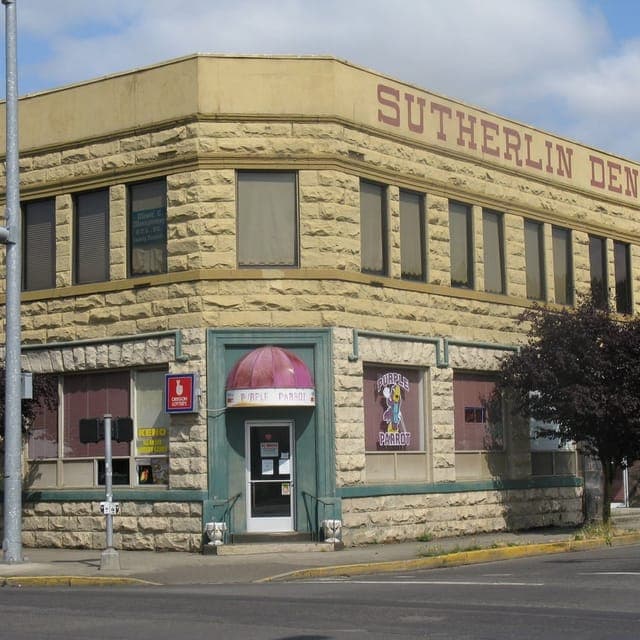
Entertainment is low-key but not nonexistent. The Ross Ragland Theater downtown hosts concerts, plays, and film screenings—it’s a historic venue that punches above its weight for a town this size. For food, locals swear by Nibbley’s for breakfast, Thai Orchid for dinner, and Klamath Basin Brewing Company for a beer and a burger. The Klamath County Fair in August is the big annual event, with rodeo, carnival rides, and 4-H exhibits. A cultural quirk: the town has a strong sense of independence and a bit of a libertarian streak—people are friendly but don’t love being told what to do. You’ll see a lot of “Keep Klamath Falls Weird” bumper stickers, but it’s a different kind of weird than Portland—more about resisting chain stores and preserving the rural character.
Pros and Cons of Living Here
The honest upsides: affordable housing (you can buy a decent three-bedroom home for under $300,000), short commutes, and unmatched access to outdoor recreation—you can be on a lake or a trail in 10 minutes. The downsides are real, too. The violent crime rate is 458.6 per 100,000, which is higher than the national average—property crime and drug-related incidents are the main drivers, and it’s something to be aware of, especially near the downtown core. The weather is another factor: winters are cold and dry (average January highs around 35°F), and the town sits in a high desert basin, so summer days can hit 90°F but nights drop into the 40s. The air quality can be poor in summer due to wildfire smoke, and in winter, temperature inversions trap wood smoke from home heating, creating a haze locals call “the inversion.” The school system is a mixed bag—Klamath Falls City Schools have struggled with funding and test scores, but the surrounding rural districts (like Henley and Bonanza) are generally well-regarded and play a big role in community life. Only 22.3% of adults hold a bachelor’s degree, which reflects the area’s blue-collar roots and limited white-collar job market outside of healthcare, education, and the county government.

Similar towns to Klamath Falls
* Values derived from national, state, county, city and local statistics and may differ in a specific area. Last updated: 2026-04-20T23:05:01.000Z
Narrative content on this page is AI-generated and may contain mistakes. Verify any details that matter before acting on them.
ReloMaps may earn a commission from affiliate links at no extra cost to you.

