Photo: Wikipedia
Find The Best Places To Live
in Gresham
PRO TIP! You can paste a Zillow or Redfin link to get info on that property.
What It's Like Living in Gresham, OR
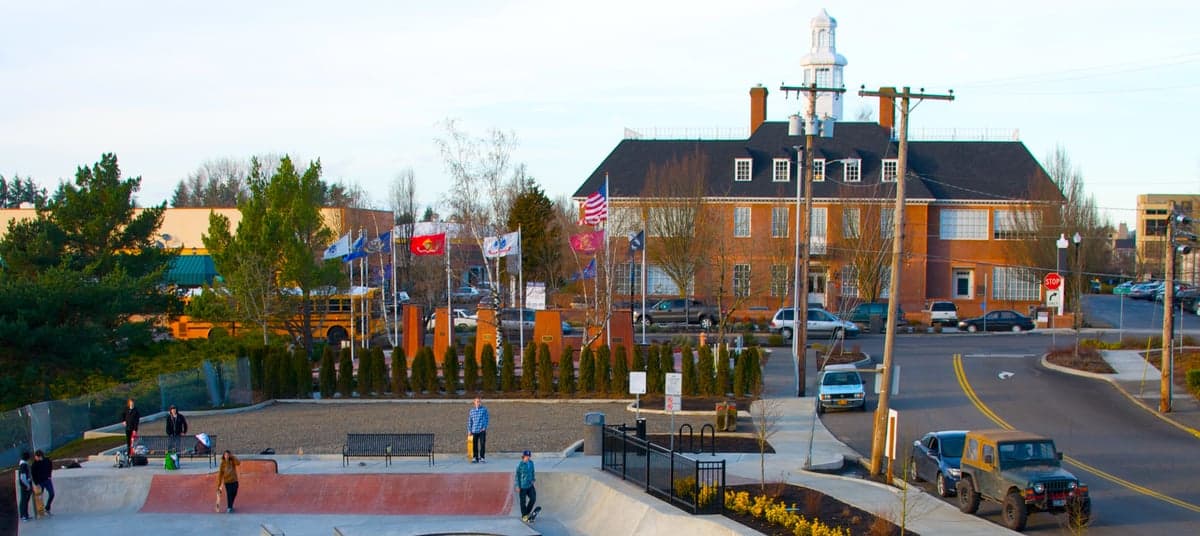
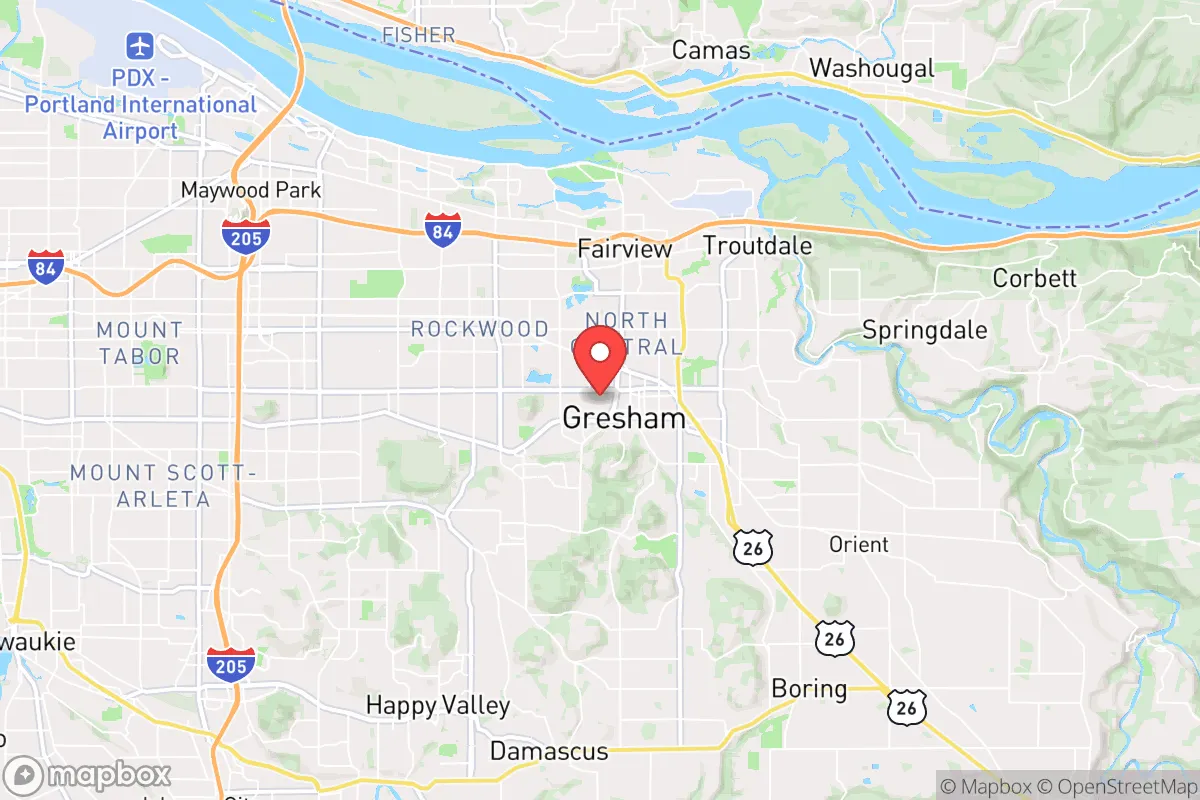
Gresham feels like the Pacific Northwest’s best-kept secret for people who want Portland’s energy without paying Portland’s prices or dealing with Portland’s parking headaches. It’s a city of 112,818 that sits at the eastern edge of the metro area, where the urban grid starts giving way to the foothills of Mount Hood, and the vibe is distinctly more blue-collar and family-oriented than its western neighbors. If you’re the kind of person who values a decent yard, a shorter commute to the mountain, and neighbors who actually know your name, Gresham might be your spot.
Daily Rhythm: What Life Actually Looks Like Here
Most mornings in Gresham start with a commute that averages about 27 minutes — noticeably shorter than the slog from Beaverton or Hillsboro, and a big reason why families settle here. People head west on the MAX light-rail line (which runs right through town) or hop on I-84 toward Portland, but a solid chunk of the workforce stays local. Major employers like Mt. Hood Community College, the Gresham-Barlow School District, and a cluster of manufacturing and logistics centers keep a lot of folks close to home. After work, you’ll find families at the Gresham Farmers Market (Saturdays from May through October) or grabbing dinner at places like McMenamins Edgefield, a sprawling former poor farm turned hotel, brewery, and movie theater complex that’s basically its own little destination. The median household income here is $73,608, which goes further than you might expect because housing — while not cheap — is still a relative bargain compared to Portland proper, where the median home value hovers around $440,000 versus Portland’s $550,000-plus.
Sports, Community, and What People Do on Weekends
High school sports are a genuine big deal here. Gresham High School and Barlow High School have a long-running rivalry that fills bleachers on Friday nights in the fall, and the community turns out for it in a way that feels more Midwest than West Coast. There’s no major pro team in Gresham itself, but the Portland Timbers (MLS) and Trail Blazers (NBA) are a 25-minute MAX ride away, and plenty of residents hold season tickets. On weekends, the real draw is the outdoors. Mount Hood is 45 minutes east — skiing at Timberline in the winter, hiking the Mirror Lake loop in the summer. Closer to home, the Springwater Corridor Trail runs right through Gresham, a 21-mile paved path that cyclists, runners, and dog-walkers use year-round. The city also has a surprising number of neighborhood parks — over 30 — and Powell Butte Nature Park on the western edge offers panoramic views of the Cascades on a clear day.
For entertainment, the Gresham Arts Festival in July draws a few thousand people to downtown, and the Mount Hood Jazz Festival (held at Mt. Hood Community College) has been a summer staple for decades. The local bar scene is low-key but solid: The Speakeasy on Main Avenue is a dimly lit spot with live music on weekends, and Gresham Station shopping center has a mix of chain restaurants and local joints like Brick House Pizza, which is the go-to for post-soccer-game slices.
Pros and Cons of Living Here — Honest Talk
What longtime residents love: The sense of space. Gresham isn’t dense — you can get a house with a yard and a garage without a six-figure income. The access to Mount Hood is unmatched in the metro area; you can leave your house and be on a chairlift in under an hour. The MAX line means you don’t have to drive into Portland for work or a night out, which saves on parking and stress. And the schools — particularly the Gresham-Barlow district — are a draw for families, with several elementary schools rated above average and a strong community focus on after-school programs.
What frustrates people: The violent crime rate of 363.8 per 100,000 is higher than the national average (around 380 nationally, but still notable for a suburb). Property crime — car break-ins, package theft — is the bigger headache, especially near MAX stations and the downtown core. The cost of living index sits at 140 (100 is the U.S. average), which means groceries and utilities cost more than in, say, Texas or the Midwest, even if housing is a relative deal. And while the commute is shorter than from other suburbs, it’s still a grind if you work in downtown Portland — I-84 eastbound in the afternoon can back up from the I-205 interchange all the way to Gresham. Weather-wise, expect gray skies from November through March; the median age of 37.2 reflects a population that’s largely settled into the rain rather than fleeing it.
Who Fits In — and Who Might Not
Gresham works best for people who want a practical, no-nonsense lifestyle — families with kids, tradespeople, remote workers who need space for a home office, and outdoor enthusiasts who prioritize proximity to the mountain over proximity to the trendiest coffee shop. Only 23.6% of adults hold a bachelor’s degree or higher, which is well below Portland’s 50%+ rate, and that shapes the culture: it’s less about artisanal everything and more about what works. You’ll see more pickup trucks than Priuses, more backyard barbecues than farm-to-table dinners. If you’re a single professional in your 20s looking for a vibrant nightlife and a dating scene, Gresham will feel sleepy. But if you’re raising kids, training for a marathon on the Springwater Trail, or just tired of paying $2,000 for a one-bedroom apartment in the city, Gresham offers a solid, unflashy quality of life that a lot of people end up loving precisely because it doesn’t try to impress you.

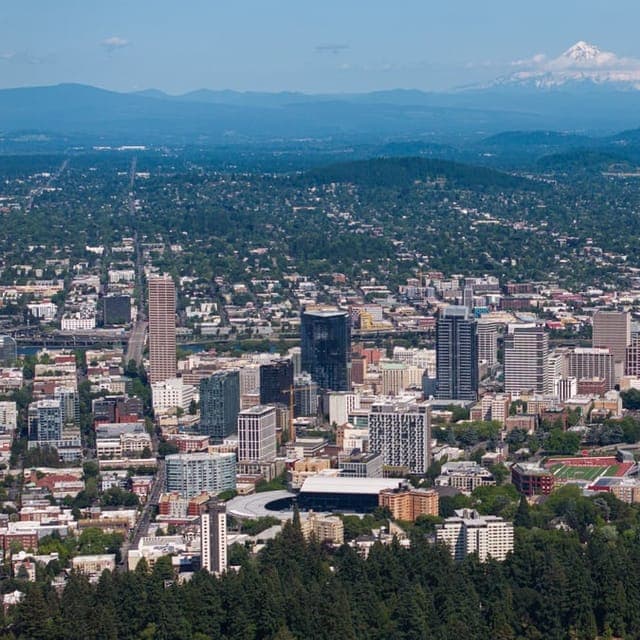
Similar small cities to Gresham
* Values derived from national, state, county, city and local statistics and may differ in a specific area. Last updated: 2026-06-14T10:21:58.000Z
Narrative content on this page is AI-generated and may contain mistakes. Verify any details that matter before acting on them.
ReloMaps may earn a commission from affiliate links at no extra cost to you.

