Photo: Wikipedia
Personal Sovereignty in Oregon
Viable for self-reliance. Generally workable, though some barriers may limit total independence.
What does Personal Sovereignty tell us?
Personal Sovereignty measures your capacity for self-reliance and independence with minimal government friction. Higher scores mean fewer barriers between you and the way you want to live... but it assumes you have the space you need and good neighbors.
What does this tell us?
Personal Sovereignty measures your capacity for self-reliance and independence with minimal government friction. Higher scores mean fewer barriers between you and the way you want to live... but it assumes you have the space you need and good neighbors.
State Policy
Energy independence: Importer (35% of energy produced in-state)
Personal Liberty
Homesteading

Personal Liberty Analysis
Oregon presents a deeply divided landscape for personal sovereignty, where the progressive urban corridor of the Willamette Valley clashes sharply with the libertarian-leaning rural and eastern counties. For those prioritizing autonomy, the state’s legal framework offers a mixed bag: strong protections for land use and self-defense in some areas, but heavy taxation, regulatory overreach, and a growing erosion of parental rights in others. The key to preserving personal freedom here is not in Portland or Salem, but in places like Joseph, John Day, or Burns, where local culture still resists state-level mandates and community self-reliance remains the norm.
Tax burden and regulatory posture in Oregon’s urban vs. rural divide
Oregon’s tax burden is among the highest in the nation for individuals, with no sales tax but a progressive income tax that hits top earners at 9.9% and a state property tax system that can surprise newcomers. The regulatory posture is equally aggressive: the state’s Land Use Planning system, established in the 1970s, strictly controls development, making it difficult to build or expand on rural parcels without lengthy permitting. In urban centers like Portland and Eugene, this translates into high costs and bureaucratic hurdles for any kind of independent living—think solar panels, rainwater collection, or even backyard chickens. However, in counties like Harney or Lake County, local enforcement is often lax, and many residents simply operate off-grid without state interference. The state’s energy code and building regulations are also among the strictest in the West, so anyone planning to build a self-sufficient homestead should budget for compliance or look at counties where code enforcement is minimal.
Self-defense and gun law specifics in Oregon’s shifting legal landscape
Oregon’s gun laws have become a flashpoint for personal sovereignty, with Measure 114 (passed in 2022 but still tied up in court) threatening to require permits, background checks, and a ban on magazines over 10 rounds. As of 2026, the law remains partially blocked, but the uncertainty has driven many gun owners to rural counties where sheriffs have pledged not to enforce it. Baker City and Grants Pass are known for strong Second Amendment support, with local gun clubs and training facilities that operate without the political pressure found in the Willamette Valley. Open carry is legal without a permit, and concealed carry permits are issued on a shall-issue basis, though processing times vary by county. For those serious about self-defense, the practical reality is that Oregon’s rural areas remain gun-friendly, but the state legislature in Salem continues to push restrictions that could eventually limit magazine capacity and storage requirements. The best hedge is to live in a county with a sheriff who publicly opposes state overreach—Joseph in Wallowa County is a prime example.
Self-reliance and homesteading viability across Oregon’s diverse regions
Homesteading in Oregon is a study in contrasts. The western third of the state is wet, fertile, and heavily regulated, while the eastern two-thirds are arid, sparsely populated, and far more permissive. Minimum lot sizes for rural residential zoning vary dramatically: in Lake County, you can find parcels as small as 5 acres zoned for farm use, while in Washington County near Portland, you’ll need 20 acres or more to avoid subdivision restrictions. Off-grid living is technically legal statewide, but the state’s building code requires septic systems and well permits that can cost $10,000–$20,000 to install. Rainwater collection is allowed, but only for outdoor use in most areas—a restriction that many rural residents simply ignore. The best bet for self-reliance is John Day in Grant County, where land is cheap, county officials are pragmatic, and the local economy still revolves around ranching and timber. Solar is viable across the state, but the cloudy western valleys reduce efficiency; eastern Oregon gets 300+ days of sun per year, making it ideal for off-grid power systems.
Personal liberties in Oregon: parental rights, medical autonomy, and property
Parental rights in Oregon have been under sustained assault, with the state mandating comprehensive sex education in public schools that includes LGBTQ+ content without an opt-out for parents. The state also allows minors to consent to certain medical procedures without parental notification, including reproductive health and gender-affirming care. This has driven many conservative families to homeschool or enroll in private religious schools, which are legal but subject to minimal state oversight. Medical autonomy is similarly constrained: Oregon has legalized assisted suicide and recreational marijuana, but vaccine mandates for school attendance remain in place, and the state’s health authority has broad emergency powers that were used aggressively during COVID-19. Property rights are protected by the state’s takings law, but the Land Use Planning system can effectively prevent you from using your land as you see fit—especially if you’re in a designated “resource zone” that limits residential construction. For those who value speech, Oregon has no hate speech law, but local ordinances in Portland and Ashland have created de facto censorship through noise and permit restrictions on public gatherings.
Overall, Oregon’s personal sovereignty is a tale of two states. The urban corridor offers little freedom from taxation, regulation, or government intrusion into family life, while the rural counties—especially Harney, Lake, Grant, and Wallowa—still provide a viable environment for those willing to trade convenience for autonomy. Compared to states like Idaho or Montana, Oregon’s regulatory overhead is higher, but the land is cheaper and the growing season is longer in the west. For the survivalist or prepper, the smart play is to locate in a rural county with a strong sheriff, minimal code enforcement, and a community that values self-reliance over state control. Just be prepared to drive three hours to the nearest big-box store—and consider that a feature, not a bug.

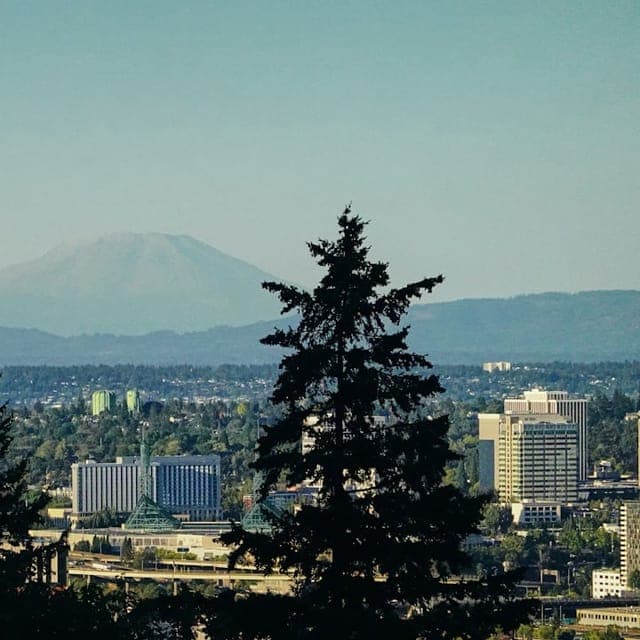
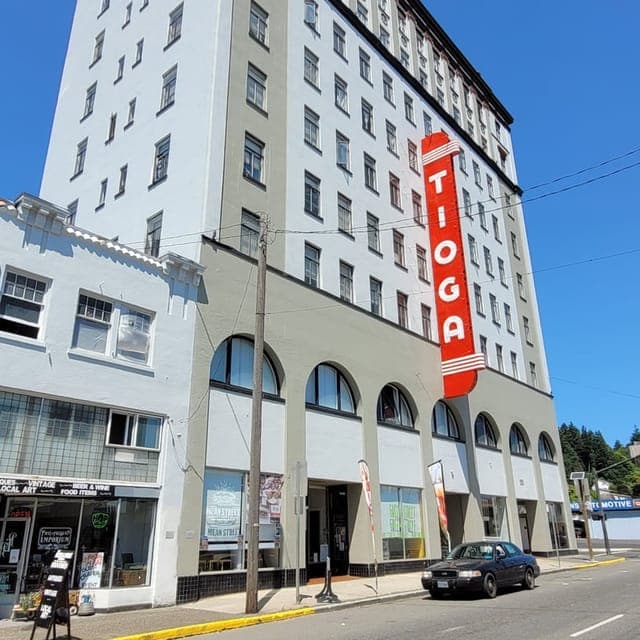
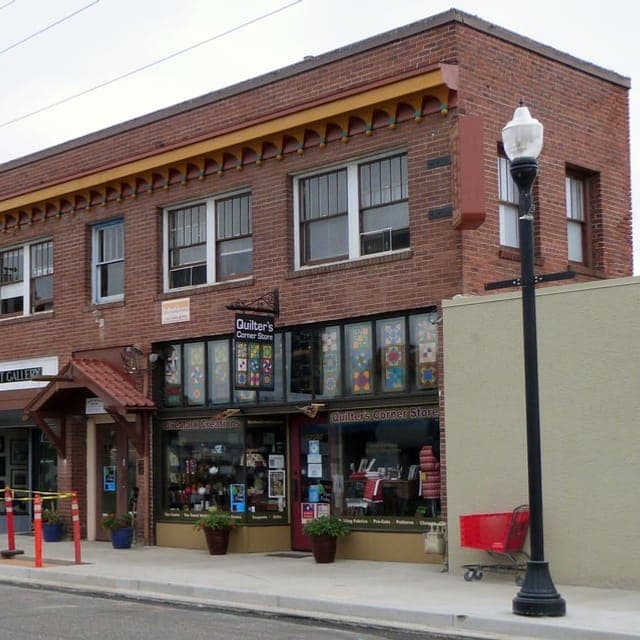
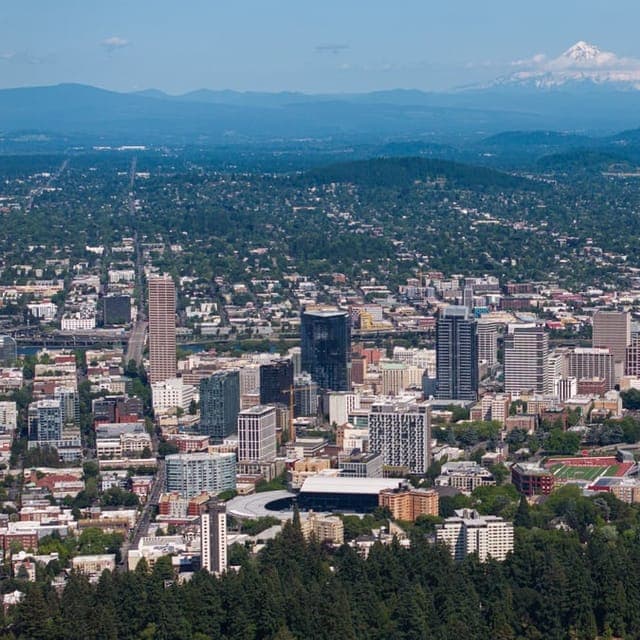
Top Cities for Personal Sovereignty in Oregon


* Values derived from national, state, county, city and local statistics and may differ in a specific area. Last updated: 2026-04-14T06:20:14.000Z
Narrative content on this page is AI-generated and may contain mistakes. Verify any details that matter before acting on them.
ReloMaps may earn a commission from affiliate links at no extra cost to you.

