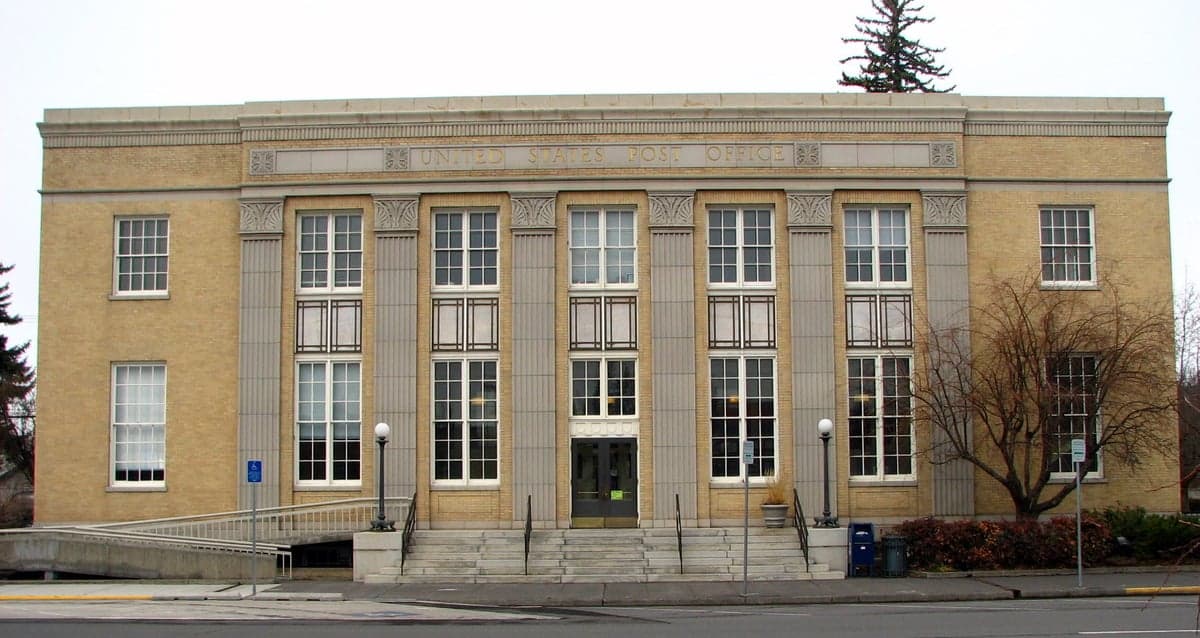
Photo: Wikipedia
Quality of Life in Deschutes County
A livable area that tracks near national norms for affordability, walkability, and neighborhood health.
What does Quality of Life tell us?
Quality of Life measures an area by evaluating factors like cost of living, nearby amenities, country club access, airport proximity, socioeconomic signals and neighborhood character. For large states, this is a general average — quality of life can vary dramatically between metro areas, suburbs, and rural communities within the same state.
What does this tell us?
Quality of Life measures an area by evaluating factors like cost of living, nearby amenities, country club access, airport proximity, socioeconomic signals and neighborhood character. For large states, this is a general average — quality of life can vary dramatically between metro areas, suburbs, and rural communities within the same state.
Cost of Living
71% above national average
53%
The Real Cost of Living in Deschutes County for 2026
| Tier | Individual | Family (4) |
|---|---|---|
| Survival | $27k | $50k |
| Comfortable | $113k | $166k |
| Luxury | $158k+ | $245k+ |
| Elite (Top 5%) | $195k+ | $302k+ |
Quality-of-Life Analysis
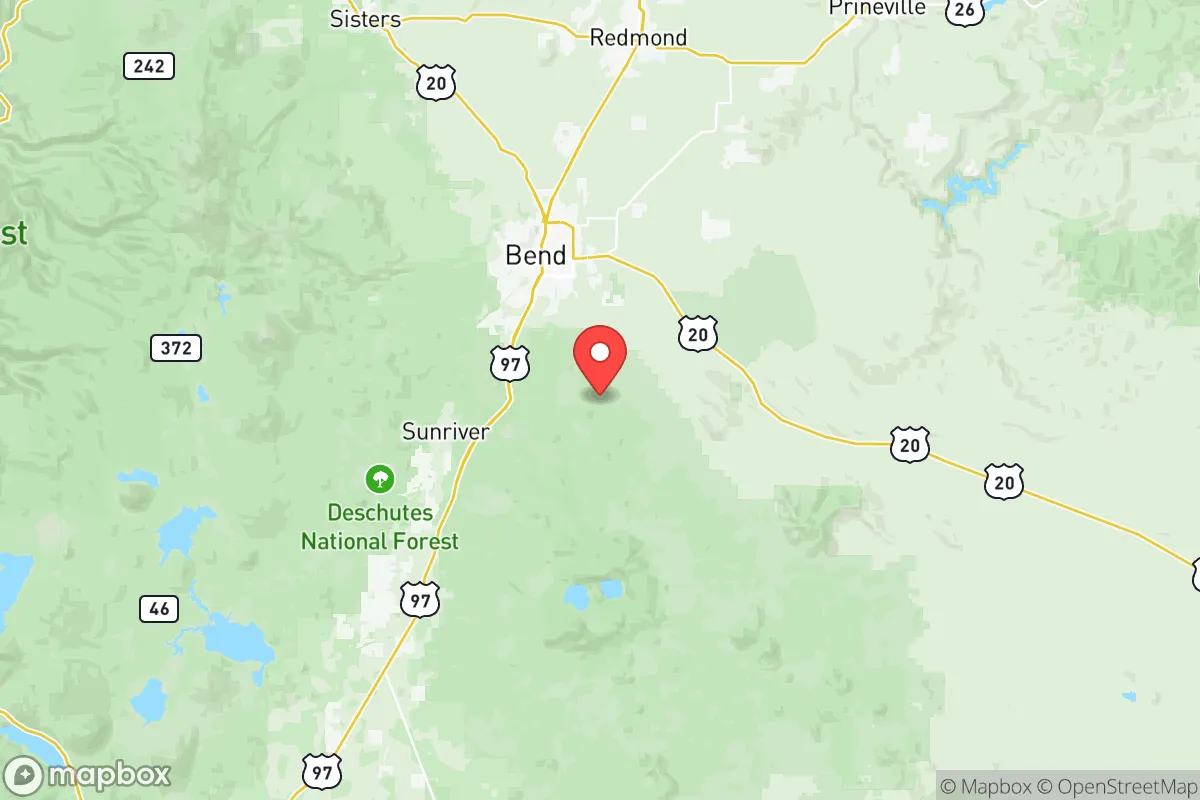
Deschutes County offers a spectrum of living environments that range from the urban energy of its largest city, Bend, to the quiet agricultural rhythms of towns like Terrebonne and the high-desert solitude of unincorporated areas near the Cascade Lakes. This diversity attracts a mix of remote tech workers, outdoor recreationists, retirees, and agricultural families, each finding a distinct quality of life within the county’s 3,055 square miles. The county’s overall cost of living index sits at 171 (100 = US average), but that figure masks significant variation between its population centers and rural pockets.
Largest town(s) & population centers
Bend is the county’s undisputed hub, home to roughly 100,000 residents and the epicenter of its tourism-driven economy. Daily life here revolves around a dense network of breweries, bike trails, and boutique shopping along the Deschutes River Trail, with a median home value of $596,000 and median rent of $1,674 reflecting its desirability. The city’s average commute of 20.3 minutes is notably short for a metro area of its size, largely because many residents work locally in hospitality, healthcare (St. Charles Medical Center), or remotely for tech firms. Redmond, the county’s second-largest city (pop. ~35,000), offers a more affordable entry point, with home values roughly 15-20% lower than Bend’s, and a stronger blue-collar base tied to the Roberts Field airport and manufacturing. Life in Redmond feels less curated than Bend—more strip malls and working ranches—but it provides quicker access to the Smith Rock State Park climbing area and a growing number of family-oriented subdivisions.
Smaller towns & rural pockets
South of Bend, Sunriver is a planned resort community built around golf and vacation rentals, with a seasonal population that swells in summer and winter. Its permanent residents are largely retirees or second-home owners who value gated quiet over nightlife. Sisters, to the northwest, retains a Western-themed downtown with art galleries and the annual Sisters Rodeo, drawing a mix of artists, ranchers, and commuters willing to drive 25 minutes into Bend for work. Terrebonne, north of Redmond, is a true agricultural pocket where alfalfa fields and horse properties dominate, and the nearest grocery store is a 15-minute drive. Unincorporated areas like La Pine (south county) and Millican (east) offer the cheapest land in the county—often under $200,000 for a lot—but lack municipal water, sewer, and high-speed internet, making them viable only for self-sufficient homesteaders or off-grid enthusiasts.
Cost & lifestyle range
The cost spread across Deschutes County is stark. At the high end, Bend’s west side (near the Old Mill District) and Sunriver command home prices above $800,000, with HOAs and resort fees adding to monthly costs. At the low end, La Pine and the unincorporated Crooked River Ranch area offer median home values around $350,000–$400,000, though these come with longer commutes (30–40 minutes to Bend) and fewer services. Rent follows a similar gradient: a one-bedroom in Bend averages $1,674, while the same unit in Redmond or Sisters might run $1,200–$1,400. Amenities also diverge—Bend has multiple grocery chains, urgent cares, and a performing arts center, while Terrebonne and La Pine rely on a single gas station market and a volunteer fire department. The county’s average commute of 20.3 minutes is pulled down by Bend’s compact layout, but rural residents often face 35–50 minute drives for specialized shopping or medical appointments.
The resident who thrives in Deschutes County is one who matches their tolerance for trade-offs to their budget and lifestyle. A remote worker who values walkable breweries and mountain-bike access will pay a premium for Bend’s west side. A family seeking acreage and quiet will find value in Terrebonne or La Pine, accepting longer drives and fewer conveniences. Retirees often gravitate to Sunriver or Sisters for their slower pace and built-in social scenes. The county’s strength lies in offering a genuine choice—not just between urban and rural, but between distinct communities with their own economies, cultures, and price points, all within a 45-minute drive of the Cascade Range’s ski resorts and alpine lakes.

Crime in Deschutes County
Crime rates similar to the national median for U.S. locations.
Violent CrimeViolent Crime Analysis
Property CrimeProperty Crime Analysis
Crime Analysis
Deschutes County, Oregon, reports a violent crime rate of 311.2 per 100,000 residents and a property crime rate of 2,135.5 per 100,000, placing it above both the national and state averages for property offenses. While the county is not among Oregon's most dangerous, its rising crime trends—particularly in property theft and drug-related offenses—have become a central concern for residents and local officials. The overall safety picture varies significantly across the county, with the city of Bend experiencing the bulk of reported incidents, while smaller communities like Sisters and La Pine see notably lower crime volumes.
Crime in context
Deschutes County's violent crime rate of 311.2 per 100,000 is roughly on par with the national average of 380 per 100,000 but sits below Oregon's state average of approximately 330 per 100,000. However, the property crime rate of 2,135.5 per 100,000 is substantially higher than the national average of 1,954 per 100,000 and significantly exceeds Oregon's state average of around 2,500 per 100,000. The county's property crime problem is driven largely by theft from vehicles, shoplifting, and burglary, with Bend and Redmond accounting for the majority of these incidents. Bend alone reported over 4,000 property crimes in 2023, representing roughly 60% of the county's total. By contrast, the unincorporated areas and smaller towns like Tumalo and Sunriver report property crime rates closer to 1,200 per 100,000, reflecting a more rural, lower-density environment.
What residents experience
Residents in Deschutes County frequently cite property crime as their top safety concern, with car break-ins and package theft being common complaints in Bend's central neighborhoods and near the Old Mill District. Violent crime, while less frequent, is concentrated in specific areas: Bend's downtown core and the 9th Street corridor have seen a rise in aggravated assaults and drug-related incidents, often linked to the region's growing homelessness population. Redmond, the county's second-largest city, has experienced a spike in vehicle thefts and residential burglaries, with a rate roughly 15% higher than Bend's for those categories. The progressive policies of the Deschutes County District Attorney's office, which has emphasized diversion programs and reduced sentencing for non-violent offenders under Oregon's Measure 110 (drug decriminalization), have drawn criticism from residents who feel these approaches have emboldened repeat offenders. Critics argue that the county's focus on rehabilitation over accountability has led to a revolving-door justice system, where property criminals are frequently released without meaningful consequences, undermining public trust and safety.
Neighborhood-level variation
Safety in Deschutes County is highly neighborhood-dependent. The western parts of Bend, including the Northwest Crossing and Awbrey Butte areas, report violent crime rates below 100 per 100,000, making them among the safest in the county. In contrast, the southeast quadrant of Bend—particularly near the intersection of 3rd Street and Reed Market Road—has a violent crime rate exceeding 500 per 100,000, driven by drug activity and transient populations. Sisters, a small town of about 3,000 residents, consistently reports the lowest crime rates in the county, with fewer than 50 property crimes annually. La Pine, at the county's southern edge, has a moderate crime profile but struggles with methamphetamine-related offenses. Redmond's central neighborhoods near the Deschutes County Fairgrounds have seen a 20% increase in property crime since 2021, while newer subdivisions on the city's north side remain relatively safe. For those considering relocation, the safest bets are the rural communities and Bend's west side, while the urban cores of Bend and Redmond require more vigilance.
* Values derived from national, state, county, city and local statistics and may differ in a specific area. Last updated: 2026-07-10T12:03:55.000Z
Narrative content on this page is AI-generated and may contain mistakes. Verify any details that matter before acting on them.
ReloMaps may earn a commission from affiliate links at no extra cost to you.

