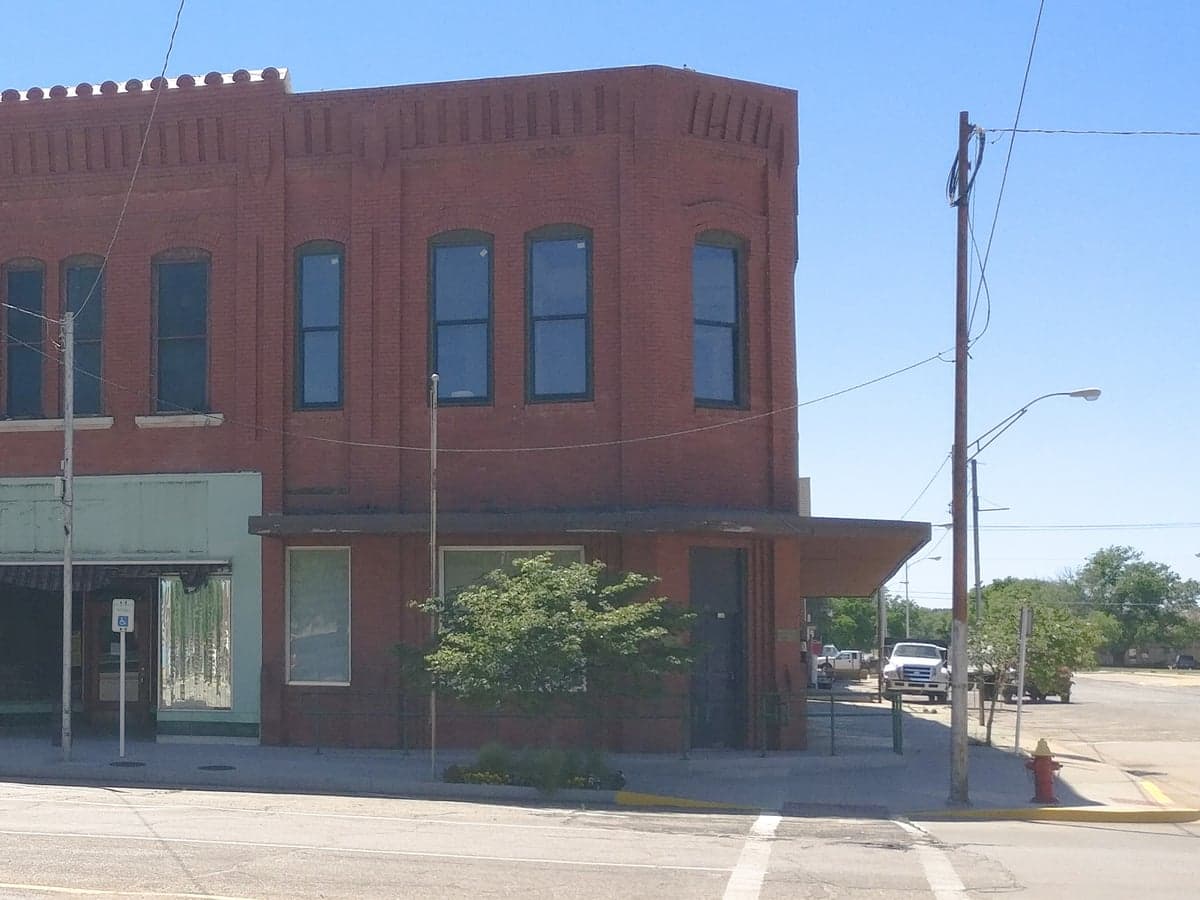
Photo: Wikipedia
Quality of Life in Woods County
A livable area that tracks near national norms for affordability, walkability, and neighborhood health.
What does Quality of Life tell us?
Quality of Life measures an area by evaluating factors like cost of living, nearby amenities, country club access, airport proximity, socioeconomic signals and neighborhood character. For large states, this is a general average — quality of life can vary dramatically between metro areas, suburbs, and rural communities within the same state.
What does this tell us?
Quality of Life measures an area by evaluating factors like cost of living, nearby amenities, country club access, airport proximity, socioeconomic signals and neighborhood character. For large states, this is a general average — quality of life can vary dramatically between metro areas, suburbs, and rural communities within the same state.
Cost of Living
38% below national average
125%
The Real Cost of Living in Woods County for 2026
| Tier | Individual | Family (4) |
|---|---|---|
| Survival | $13k | $24k |
| Comfortable | $28k | $41k |
| Luxury | $91k+ | $141k+ |
| Elite (Top 5%) | $113k+ | $175k+ |
Quality-of-Life Analysis
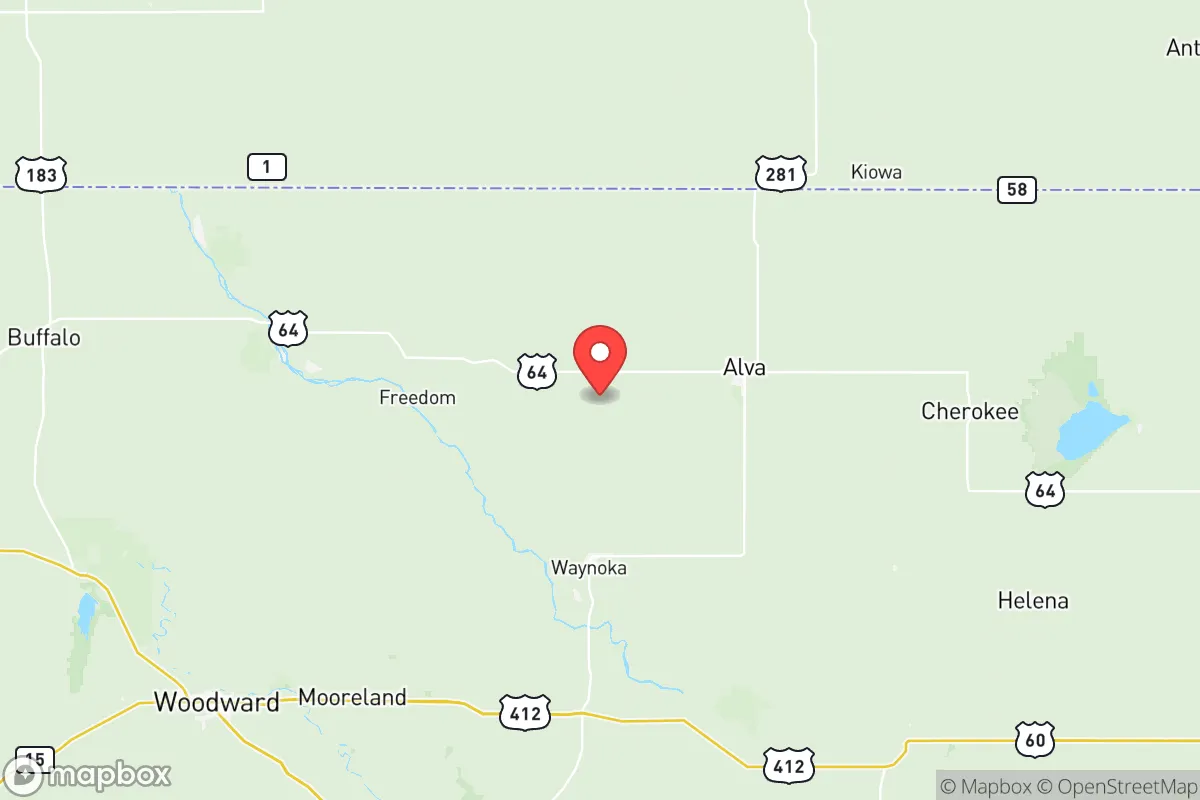
Woods County, Oklahoma, offers a distinct quality-of-life spectrum that ranges from the modest conveniences of its county seat, Alva, to the quiet isolation of unincorporated communities like Freedom and Waynoka. The county’s character is defined by its agricultural roots and wide-open spaces, attracting people who value low costs, short commutes, and a slower pace of life. Retirees, remote workers, and families seeking affordable housing are drawn to Alva’s services, while those wanting maximum privacy and land gravitate toward the smaller towns and rural pockets that dot the county’s 1,289 square miles.
Largest town(s) & population centers
Alva, the county seat and only incorporated town with a population over 1,000 (roughly 5,000 residents), is the undisputed hub of Woods County. Daily life here centers around Northwestern Oklahoma State University, which brings a small but steady student population and cultural events like theater productions and guest lectures. The downtown square features a handful of locally owned restaurants, a grocery store, and a hardware store, while the Alva Regional Airport supports general aviation and occasional charter flights. Commute times average just under 16 minutes, making it easy to reach the town’s medical clinic, library, and public schools. For most residents, Alva provides the essential services—a Walmart Supercenter, a hospital, and a few fast-food chains—without the traffic or noise of a larger city. The town’s economy is anchored by agriculture, education, and healthcare, with major employers including the university, the county government, and the local hospital.
Smaller towns & rural pockets
Beyond Alva, Woods County’s smaller communities offer a more spartan lifestyle. Freedom, with fewer than 300 residents, sits in the county’s western edge and is known for the annual Freedom Rodeo and its proximity to the Salt Plains National Wildlife Refuge. Life here is defined by wide-open horizons, minimal traffic, and a strong sense of neighborly reliance. Waynoka, population roughly 900, lies along U.S. Highway 64 and is a gateway to the Little Sahara State Park, a popular destination for off-road vehicle enthusiasts. Waynoka has a small grocery store, a post office, and a few churches, but residents typically drive to Alva or even Woodward (in Woodward County) for most shopping and medical needs. Capron and Dacoma are unincorporated hamlets with populations under 100, where homes often sit on acreage and the nearest gas station may be 15 miles away. These areas attract people who prioritize land, quiet, and self-sufficiency over convenience.
Cost & lifestyle range
The cost of living in Woods County is exceptionally low, with a cost-of-living index of 62 (100 is the U.S. average). The median home value of $141,900 and median rent of $806 make it one of the most affordable places in Oklahoma. At the higher end of the spectrum, Alva offers the most housing options, including newer subdivisions and historic homes near the university, with prices ranging from $120,000 to $250,000. Rentals in Alva are scarce but typically run $700–$900 for a two-bedroom apartment. At the lower end, rural properties in Freedom or Capron can be found for under $100,000, though they often require well water, septic systems, and a tolerance for long drives to basic services. Amenities vary sharply: Alva has a hospital, a pharmacy, and a public pool, while smaller towns may have only a volunteer fire department and a church. The trade-off is clear—lower costs and more land versus fewer services and longer trips for groceries or healthcare.
Woods County is best suited for people who value affordability, space, and a tight-knit community over urban amenities. Retirees on fixed incomes, remote workers with reliable internet (available in Alva and parts of Waynoka), and families who want a safe, low-stress environment for raising children will find the county appealing. Those who need frequent access to shopping, entertainment, or specialized medical care may struggle with the 90-minute drive to Enid or the two-hour trip to Oklahoma City. For the right person, however, Woods County offers a rare combination of financial freedom and genuine rural character that is increasingly hard to find elsewhere.

Crime in Woods County
Crime rates similar to the national median for U.S. locations.
Violent CrimeViolent Crime Analysis
Property CrimeProperty Crime Analysis
Crime Analysis
Woods County, Oklahoma, presents a mixed safety profile that diverges sharply between its two main population centers, Alva and Waynoka. With a violent crime rate of 411.9 per 100,000 residents and a property crime rate of 1,838.3 per 100,000, the county sits above the national average for violence but below the national average for property crime. The overall picture is one where the county's rural character offers some insulation from big-city crime waves, yet localized issues—particularly in Alva—demand careful attention from prospective residents.
Crime in context
Woods County’s violent crime rate of 411.9 per 100K is 18% higher than the national average of roughly 380 per 100K and significantly above the Oklahoma state average of approximately 460 per 100K. Property crime at 1,838.3 per 100K is about 15% lower than the national average of 2,200 per 100K, placing the county in a better position for theft and burglary risks than many urbanized parts of the state. For comparison, neighboring Alfalfa County reports a violent crime rate near 300 per 100K, while Major County sits closer to 250 per 100K, making Woods County the higher-risk jurisdiction in the northwestern corner of Oklahoma. The county is served by the District 4 District Attorney’s Office, which covers Woods, Alfalfa, Grant, and Kay Counties. The political and judicial lean of this office is a critical factor: progressive-leaning DA offices in larger Oklahoma counties have been associated with lower prosecution rates for property and drug offenses, but District 4 has historically maintained a more traditional approach to sentencing, which may help keep recidivism in check relative to urban jurisdictions like Oklahoma County or Tulsa County.
What residents experience
Residents in Alva, the county seat and home to Northwestern Oklahoma State University, report the most frequent encounters with crime. The university’s presence brings a transient population and associated issues: alcohol-related incidents, minor thefts, and occasional assaults. Alva’s violent crime rate is estimated to be roughly 450 per 100K, driven largely by simple assaults rather than homicides or armed robberies. Property crime in Alva is concentrated around the downtown commercial corridor and near campus housing. In contrast, Waynoka—a smaller town of about 900 people—experiences far fewer incidents, with violent crime rates near 200 per 100K and property crime rates below 1,200 per 100K. The unincorporated areas of the county, including the communities of Freedom and Capron, report negligible crime, though law enforcement response times can exceed 30 minutes due to the vast distances involved. Residents in these areas rely heavily on the Woods County Sheriff’s Office, which has a reputation for proactive patrolling but is limited by a small staff.
Neighborhood-level variation
Within Alva, the safest areas are the residential neighborhoods west of College Avenue and south of Flynn Street, where single-family homes and older residents predominate. The area immediately surrounding the university campus—particularly along Oklahoma Boulevard and Barnes Street—sees the highest concentration of property crime, including bicycle thefts and vehicle break-ins. Waynoka’s crime is almost entirely confined to the vicinity of the railroad depot and the main highway (US-281), where transient traffic creates occasional theft opportunities. For those considering a move to Woods County, the choice between Alva’s amenities and Waynoka’s quiet is a direct trade-off: Alva offers more services but carries a higher crime risk, while Waynoka and the rural townships provide a safer environment at the cost of convenience. Prospective residents should also note that the county’s judicial system, while not as progressive as those in Oklahoma City or Norman, still reflects a rural conservatism that prioritizes victim restitution over offender rehabilitation—a factor that may reassure those concerned about lenient sentencing trends elsewhere in the state.
* Values derived from national, state, county, city and local statistics and may differ in a specific area. Last updated: 2026-10-27T19:20:28.000Z
Narrative content on this page is AI-generated and may contain mistakes. Verify any details that matter before acting on them.
ReloMaps may earn a commission from affiliate links at no extra cost to you.

