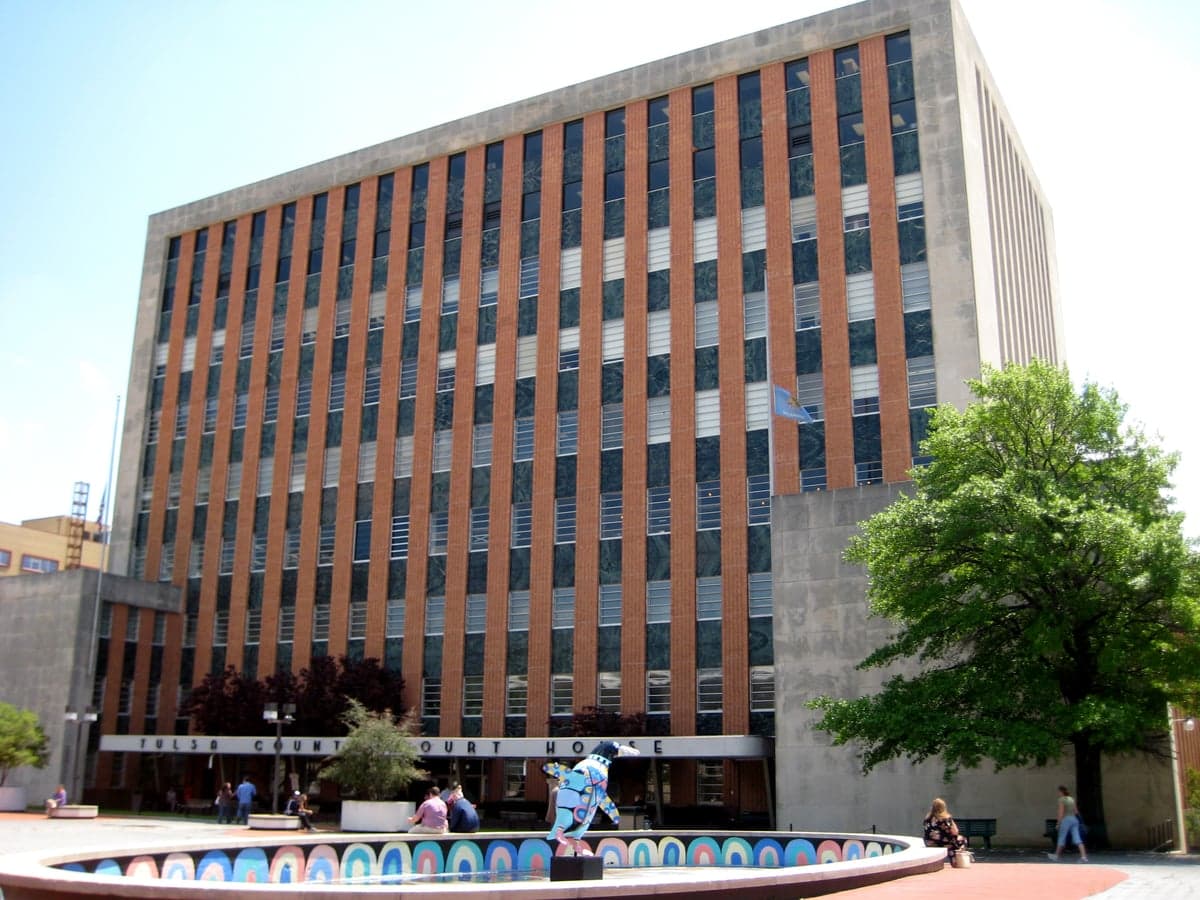
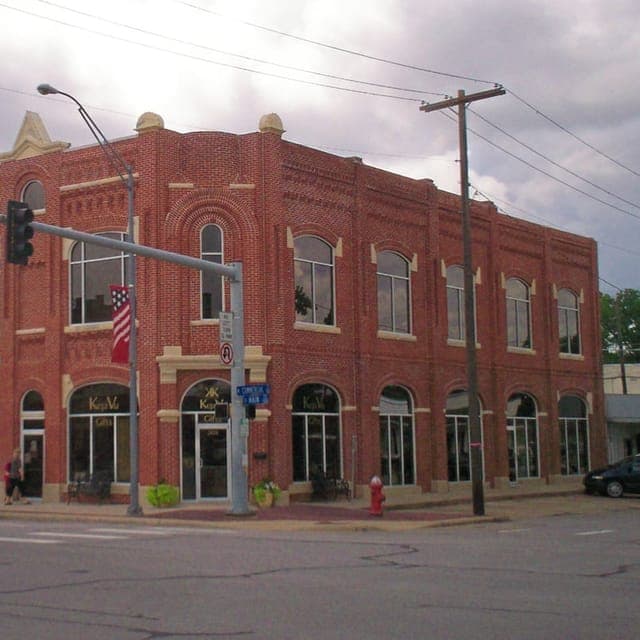
Photo: Wikipedia
Find The Best Places To Live in Tulsa County
PRO TIP! You can paste a Zillow or Redfin link to get info on that property.
Best Places to Live in Tulsa County
Cities & Towns in Tulsa County
Cities in Tulsa County
What It's Like Living in Tulsa County, OK
Tulsa County is a place where the pace of life feels a little more manageable than in the big coastal metros, but with enough going on to keep things interesting. It’s the kind of county where you can live in a quiet, tree-lined suburb like Broken Arrow or Bixby, commute to a job in downtown Tulsa in under 20 minutes, and still have time to catch a Friday-night football game or hit a local trail on the weekend. With a median age of 36 and a median household income of $67,317, the county leans toward families and mid-career professionals who value affordability—the cost of living index sits at 85, well below the national average—without wanting to sacrifice access to decent schools, parks, and a few good restaurants.
Daily Rhythm: Commutes, Schools, and Where You Actually Spend Your Time
One of the first things newcomers notice is the commute. The average travel time to work in Tulsa County is just over 20 minutes, which means you can live in a place like Jenks or Owasso and still be downtown in a reasonable amount of time. That short drive changes how people structure their evenings—there’s genuine time for dinner at home, a kid’s soccer practice, or a quick trip to the Gathering Place, the massive riverfront park in Tulsa that draws families from all over the county. Schools are a major factor in where people choose to settle; districts like Jenks, Union, and Broken Arrow have strong reputations, and real estate conversations here often start with school boundaries before they get to square footage. The median home value of $213,500 means a solid three-bedroom in a good district is still within reach for a lot of buyers, especially compared to what you’d pay in Dallas or Denver.
Sports, Weekends, and What People Actually Do
Sports are a genuine thread in the county’s social fabric. High school football is a big deal—Friday nights in Jenks and Union draw crowds that would surprise outsiders, and the rivalry between those two programs is one of the most intense in the state. On the college side, the University of Tulsa’s Golden Hurricane games have a loyal but smaller following, and plenty of residents also drive down to Norman for Sooners games. For pro sports, the Tulsa Oilers (hockey) and FC Tulsa (soccer) offer affordable nights out. Beyond the stadiums, weekends often involve the Tulsa Zoo, the Philbrook Museum of Art, or a hike at Turkey Mountain Urban Wilderness Area. The county also has a surprising number of good local restaurants—places like Burn Co Barbecue in Tulsa or the Brookside neighborhood’s string of independent eateries are where you’ll find locals on a Saturday night. The weather shapes the rhythm too: summers are hot and humid, winters are mild with occasional ice storms, and spring and fall are genuinely pleasant, which is when everyone tries to be outside.
Pros and Cons of Living in Tulsa County
What longtime residents love most is the balance. You get a midsize city’s amenities—decent museums, a growing food scene, an airport with direct flights to most major hubs—without the traffic headaches or sky-high housing costs. The cost of living index of 85 makes a real difference: a family can afford a home in Bixby or Glenpool and still have room in the budget for travel or savings. The outdoor access is better than many people expect, with the Arkansas River running through the county and a network of trails that keeps growing. What frustrates people is more nuanced. The violent crime rate of 409.6 per 100,000 is higher than the national average, and while that number is concentrated in specific parts of Tulsa proper, it’s a concern that comes up in conversations about where to live. The weather can be a genuine hassle—tornado season brings real anxiety, and the summer humidity is draining. Culturally, the county is fairly conservative overall, though Tulsa itself leans more moderate and has a growing arts and music scene. That split means you can find your people whether you’re looking for a quiet suburban life in Owasso or a walkable neighborhood near Cherry Street in Tulsa. The county’s identity is rooted in that mix: it’s not trying to be Austin or Nashville, but it offers a solid, affordable quality of life that works well for people who want a real home base, not just a stepping stone.

* Values derived from national, state, county, city and local statistics and may differ in a specific area. Last updated: 2026-06-22T14:10:49.000Z
Narrative content on this page is AI-generated and may contain mistakes. Verify any details that matter before acting on them.
ReloMaps may earn a commission from affiliate links at no extra cost to you.

