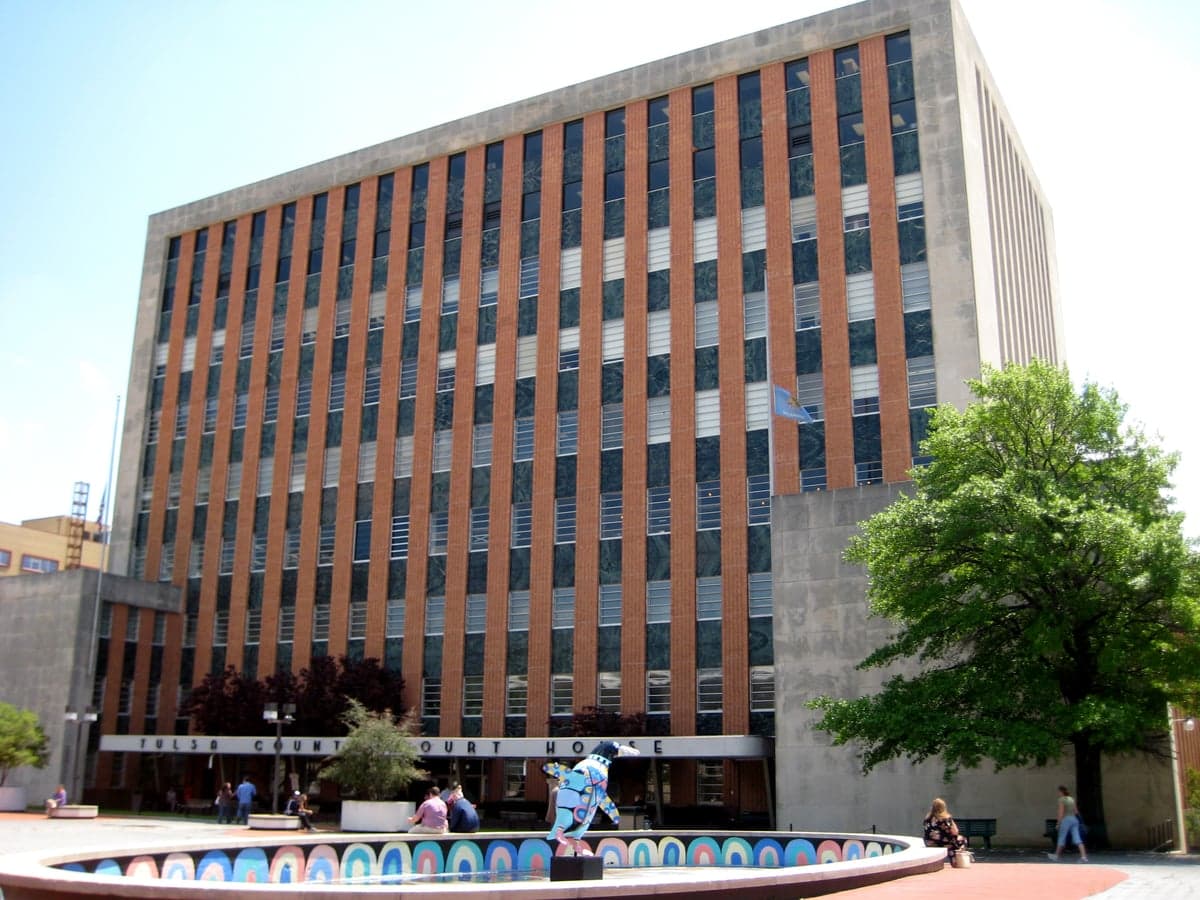
Photo: Wikipedia
Quality of Life in Tulsa County
A livable area that tracks near national norms for affordability, walkability, and neighborhood health.
What does Quality of Life tell us?
Quality of Life measures an area by evaluating factors like cost of living, nearby amenities, country club access, airport proximity, socioeconomic signals and neighborhood character. For large states, this is a general average — quality of life can vary dramatically between metro areas, suburbs, and rural communities within the same state.
What does this tell us?
Quality of Life measures an area by evaluating factors like cost of living, nearby amenities, country club access, airport proximity, socioeconomic signals and neighborhood character. For large states, this is a general average — quality of life can vary dramatically between metro areas, suburbs, and rural communities within the same state.
Cost of Living
15% below national average
110%
The Real Cost of Living in Tulsa County for 2026
| Tier | Individual | Family (4) |
|---|---|---|
| Survival | $17k | $32k |
| Comfortable | $41k | $61k |
| Luxury | $122k+ | $188k+ |
| Elite (Top 5%) | $163k+ | $252k+ |
Quality-of-Life Analysis
Tulsa County offers a broad spectrum of living environments, from the dense urban core of Tulsa itself to quiet agricultural communities and suburban bedroom towns. The county's character shifts dramatically within a 30-minute drive, attracting young professionals and creatives to the city's arts districts, families to master-planned suburbs, and retirees or commuters to rural pockets where land is more affordable. With a cost of living index of 85 (15% below the national average) and a median commute of just over 20 minutes, the county balances urban opportunity with accessible countryside.
Largest town(s) & population centers
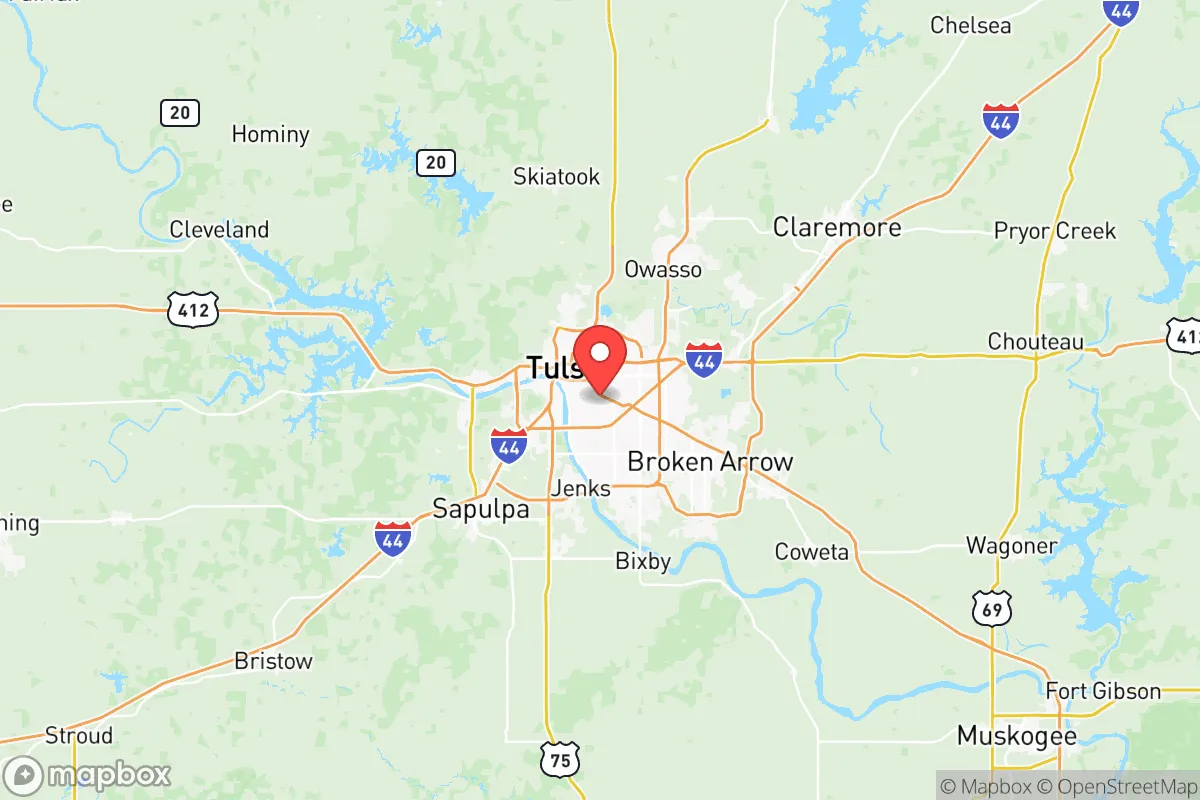
Tulsa is the county's anchor and Oklahoma's second-largest city, with a population exceeding 410,000. Daily life here centers on a revitalized downtown featuring the Gathering Place park, the Tulsa Arts District, and the BOK Center. The city offers a mix of historic neighborhoods like Midtown and Cherry Street, alongside newer developments near the Riverside area. Broken Arrow, the county's largest suburb with over 113,000 residents, provides a more family-oriented environment with strong public schools and the Rose District walkable shopping area. Jenks and Bixby, both on the county's southern edge, are fast-growing suburbs known for top-rated school districts and newer housing developments, attracting families who work in Tulsa but prefer suburban amenities.
Smaller towns & rural pockets
Beyond the suburban ring, Tulsa County contains several smaller communities with distinct identities. Collinsville, in the northern part of the county, retains a small-town feel with a historic main street and annual festivals, while still being within a 20-minute commute to downtown Tulsa. Owasso, straddling the county's northern border, has grown rapidly but maintains a separate identity with its own school system and retail corridor. Skiatook, on the western edge, is a smaller community (around 8,000 residents) that serves as a gateway to Skiatook Lake, attracting outdoor enthusiasts. Unincorporated areas like Turley and Sperry offer more rural living with larger lots and lower housing costs, though with fewer immediate services. The county's rural pockets are concentrated in the northern and western sections, where agricultural land and acreage properties dominate.
Cost & lifestyle range
The cost of living varies noticeably across Tulsa County. At the higher end, Bixby and Jenks command median home values above the county average of $213,500, often exceeding $300,000 in newer subdivisions, with rents also trending higher. These areas offer the most amenities per capita, including upscale dining, boutique shopping, and highly rated schools. At the lower end, Turley and parts of north Tulsa have median home values well below $150,000 and rents closer to $800, making them among the most affordable options in the county. The median rent countywide is $1,060, which is significantly below the national average. The average commute of 20 minutes means that even residents in rural areas like Sperry or Collinsville can reach downtown Tulsa in under half an hour, a key factor for those seeking land without sacrificing urban job access.
Tulsa County suits a wide range of residents: urban professionals who want walkable neighborhoods and cultural amenities, families seeking strong school districts in suburbs like Broken Arrow or Bixby, and those who prefer a slower pace in towns like Skiatook or Collinsville. The county's affordability, short commutes, and variety of housing options make it particularly attractive to first-time homebuyers and remote workers who want space without isolation.

Crime in Tulsa County
Crime rates similar to the national median for U.S. locations.
Violent CrimeViolent Crime Analysis
Property CrimeProperty Crime Analysis
Crime Analysis
Tulsa County’s overall crime picture is mixed, with a violent crime rate of 409.6 per 100,000 residents and a property crime rate of 1,833.2 per 100,000. These figures place the county above national averages for both categories, though the experience of safety varies dramatically depending on whether you live in downtown Tulsa, a suburban enclave like Jenks or Bixby, or a smaller town like Owasso. The county’s justice system, shaped by progressive district attorneys and judicial policies in recent years, has contributed to a climate where property crime is persistent and violent offenses remain a serious concern for residents and businesses alike.
Crime in context
Compared to Oklahoma’s statewide violent crime rate of roughly 470 per 100,000, Tulsa County’s 409.6 is slightly below the state average, but it still exceeds the national rate of approximately 380 per 100,000. Property crime in the county, at 1,833.2 per 100,000, is significantly higher than the national average of around 1,950 per 100,000, though it tracks closely with other mid-sized metropolitan areas in the region. The city of Tulsa itself drives the bulk of these numbers, with neighborhoods near downtown, north Tulsa, and parts of west Tulsa reporting the highest concentrations of theft, burglary, and aggravated assault. In contrast, suburbs like Broken Arrow and Bixby consistently report lower crime rates, often 30-50% below the county average, making them attractive for families and commuters. The disparity is partly a function of policing resources, but also reflects the impact of prosecutorial policies: Tulsa County’s district attorney has pursued diversion and reduced sentencing for non-violent offenders, a progressive approach that critics argue has emboldened repeat property criminals and contributed to a revolving-door justice system.
What residents experience
For those living in Tulsa County, property crime is the most tangible daily concern. Vehicle break-ins, package theft, and residential burglaries are common complaints, particularly in neighborhoods near major thoroughfares like Highway 169 or the Broken Arrow Expressway. Violent crime, while less frequent, is concentrated in specific corridors: north Tulsa and parts of west Tulsa see higher rates of robbery and aggravated assault, often linked to gang activity and drug markets. Residents in Owasso and Jenks report feeling safer, with lower incidence of both violent and property crime, though even these suburbs have seen upticks in smash-and-grab thefts from vehicles. The county’s progressive judicial policies have drawn particular scrutiny after several high-profile cases where repeat offenders were released on low bail or given deferred sentences, only to reoffend within weeks. This has eroded trust in the justice system among victims and neighborhood watch groups, who feel that public safety is being sacrificed for ideological goals. Business owners in Tulsa’s midtown and downtown districts have also voiced frustration, citing shoplifting and vandalism as persistent drains on profitability.
Neighborhood-level variation is stark. The safest areas in Tulsa County are generally the southern and southeastern suburbs: Bixby, Jenks, and Broken Arrow all have violent crime rates below 250 per 100,000, roughly half the county average. Owasso, in the north, also maintains relatively low crime, though it borders higher-risk areas. In contrast, parts of downtown Tulsa and the Riverside corridor experience property crime rates that can exceed 3,000 per 100,000, driven by car theft and burglary. For prospective residents, the choice of neighborhood is the single most important factor in determining safety, and the county’s progressive justice system means that even in safer suburbs, vigilance against property crime is warranted. Those considering a move to Tulsa County should research specific zip codes and consult local crime maps, as the difference between a block in midtown and a block in Bixby can be the difference between frequent victimization and relative peace.
* Values derived from national, state, county, city and local statistics and may differ in a specific area. Last updated: 2026-06-22T14:10:49.000Z
Narrative content on this page is AI-generated and may contain mistakes. Verify any details that matter before acting on them.
ReloMaps may earn a commission from affiliate links at no extra cost to you.

