Photo: Wikipedia
Find The Best Places To Live in Pittsburg County
PRO TIP! You can paste a Zillow or Redfin link to get info on that property.
Best Places to Live in Pittsburg County
Cities & Towns in Pittsburg County
Cities in Pittsburg County
What It's Like Living in Pittsburg County, OK
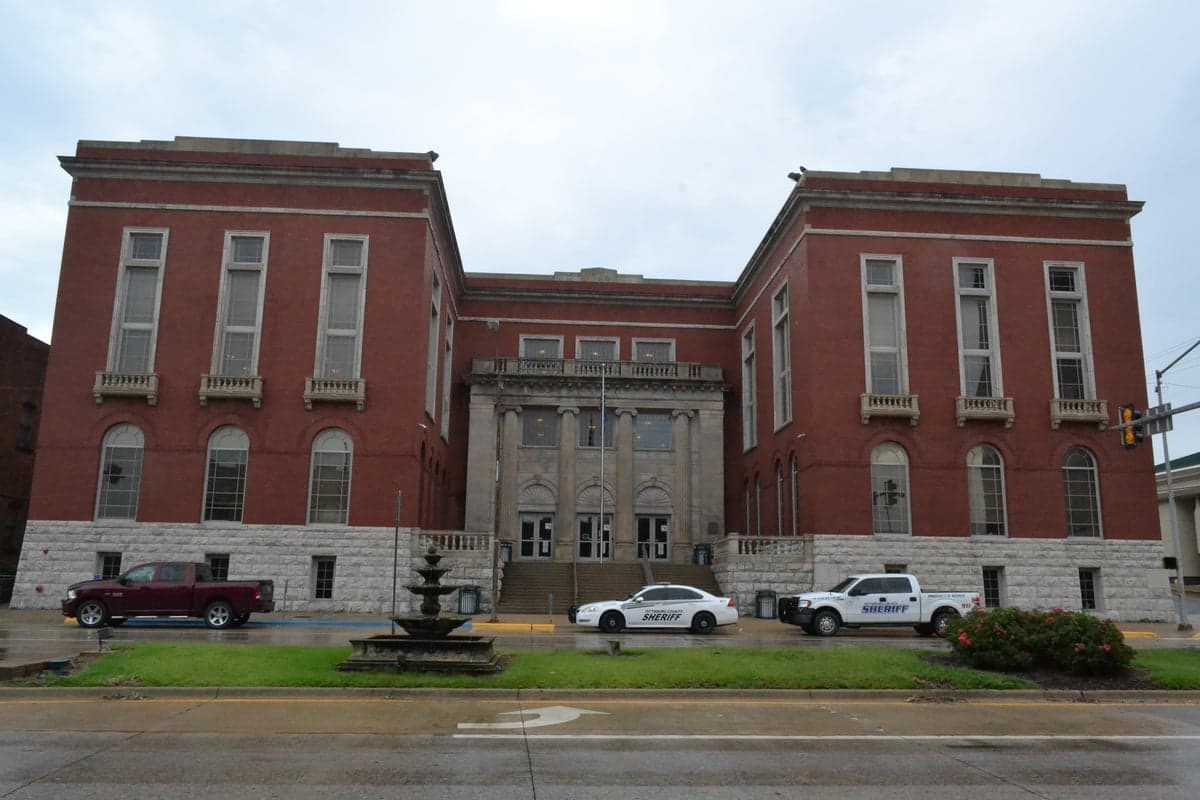
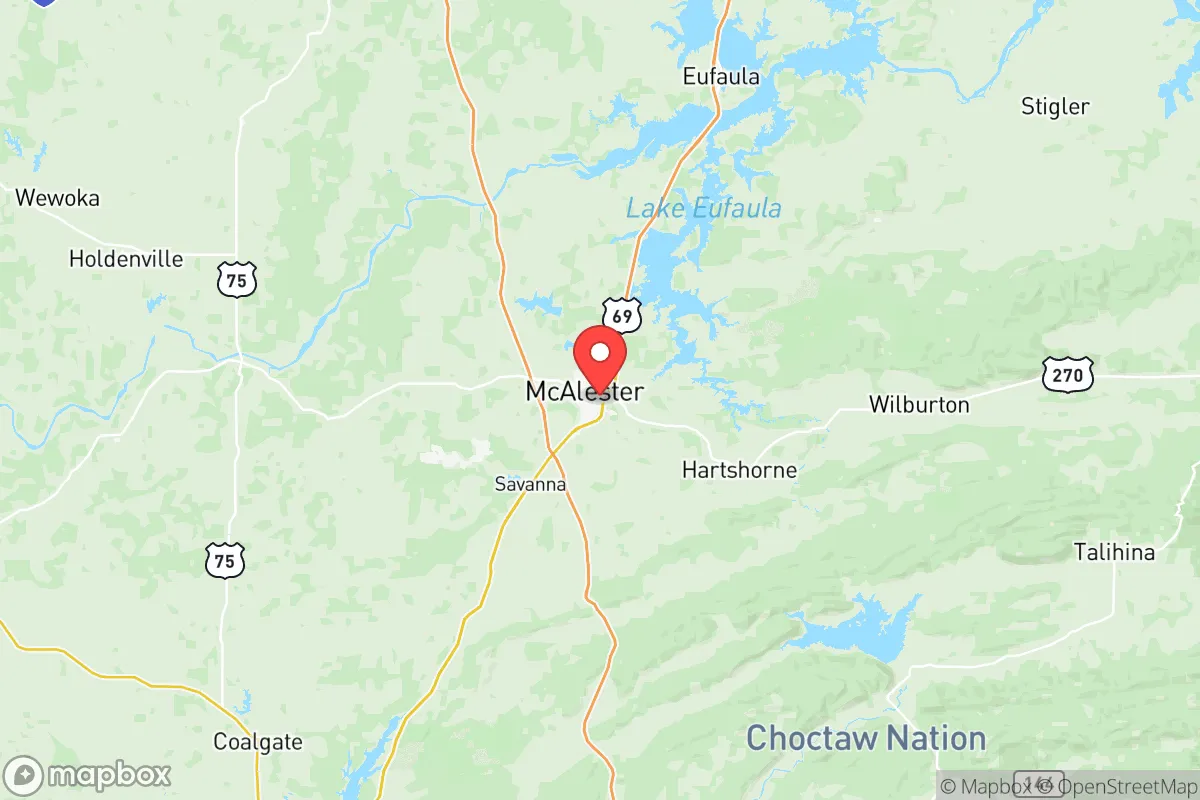
Living in Pittsburg County means settling into a rhythm that balances small-city amenities with wide-open rural space, where the biggest decision on a Friday night might be whether to catch a game at McAlester's Hook Eales Stadium or head to a lake house near Krebs. The county's identity is rooted in coal mining history, Choctaw heritage, and a stubborn independence that shows up in everything from local politics to the way folks maintain their own land. With a population just over 43,600 spread across towns like McAlester, Krebs, Hartshorne, and Kiowa, you get the sense that everyone knows someone who knows someone, but there's still room to breathe.
Daily Rhythm and Where You Actually Spend Your Time
Most mornings in Pittsburg County start early, especially for the many residents who commute an average of 21 minutes to work in McAlester's medical centers, county government offices, or the Oklahoma Department of Corrections headquarters. The median income sits around $54,787, which goes a long way here thanks to a cost of living index of 65 — well below the national average. You'll see families grabbing breakfast at places like Pete's Place in Krebs, a century-old Italian restaurant that doubles as a local institution, or stopping by the McAlester Walmart for groceries before heading home. Evenings are often spent on front porches or at youth sports fields, and weekends mean trips to Lake Eufaula or the Ouachita National Forest for fishing and hiking. The median age of 40.3 suggests a community that's settled but not elderly, with a mix of young families and empty-nesters who've lived here for generations.
For the 19.7% of adults with a college degree, professional life often ties back to education or healthcare — Eastern Oklahoma State College in Wilburton draws some commuters, and McAlester Regional Health Center is the county's largest employer. The rest of the workforce leans heavily into trades, oil and gas, agriculture, and retail. If you're a remote worker or a retiree on a fixed income, the low home prices — median value of $146,300 — make Pittsburg County an attractive place to stretch a dollar, though you'll trade some career opportunities for that affordability.
Sports, Community, and the Things That Bring People Together
High school football is the closest thing to a civic religion here. McAlester High School's Buffaloes pack the stands on fall Fridays, and the rivalry with nearby Ada is the kind of thing locals talk about year-round. Basketball and baseball also draw strong crowds, especially during playoff runs. For college sports, most residents root for the University of Oklahoma or Oklahoma State, but the real passion is reserved for local teams. The county also has a deep connection to rodeo and livestock shows, with the Pittsburg County Free Fair in McAlester serving as a major late-summer gathering point for 4-H families and cattle ranchers.
Beyond sports, the social calendar revolves around festivals that reflect the area's mix of cultures. The Italian Festival in Krebs draws thousands each spring for homemade pasta, sausage, and live music, while the McAlester Scottish Festival celebrates the area's Scottish coal-mining roots with bagpipes and Highland games. The Choctaw Nation's influence is visible year-round through cultural events and the Choctaw Casino in McAlester, which offers a rare nightlife option for a county this size. For outdoor enthusiasts, the 9,000-acre McGee Creek State Park and the Sardis Lake area provide camping, boating, and hunting opportunities that define weekends for many families.
What Works, What Doesn't, and Who Thrives Here
The biggest draw is affordability — you can buy a three-bedroom home in Hartshorne or Kiowa for well under $150,000 and still have money left for a boat or ATV. The trade-off is that the violent crime rate of 410.4 per 100,000 residents is notably higher than the national average, and property crime can be an issue in more isolated rural areas. Longtime residents will tell you to keep your vehicle locked and your porch light on, but they'll also say most trouble stays contained to specific parts of McAlester's older neighborhoods. The schools — particularly McAlester Public Schools and the smaller districts in Krebs and Hartshorne — are community anchors, with parent involvement high and class sizes small enough that teachers know every student's name.
People who fit in here tend to be self-reliant, outdoorsy, and comfortable with a slower pace. If you need a craft coffee shop or a Whole Foods, you'll drive to Tulsa or Dallas. If you're happy with a diner breakfast, a lake on Saturday, and neighbors who'll help you pull a stuck truck out of a ditch, Pittsburg County feels like home. The weather brings hot, humid summers and occasional ice storms in winter, but the seasonal rhythm is predictable enough that locals plan around it. Traffic is almost never an issue except during the fair or a big football game, and the commute is short enough that you can actually go home for lunch — something newcomers from bigger cities find almost unbelievable.

* Values derived from national, state, county, city and local statistics and may differ in a specific area. Last updated: 2026-07-18T10:25:27.000Z
Narrative content on this page is AI-generated and may contain mistakes. Verify any details that matter before acting on them.
ReloMaps may earn a commission from affiliate links at no extra cost to you.

