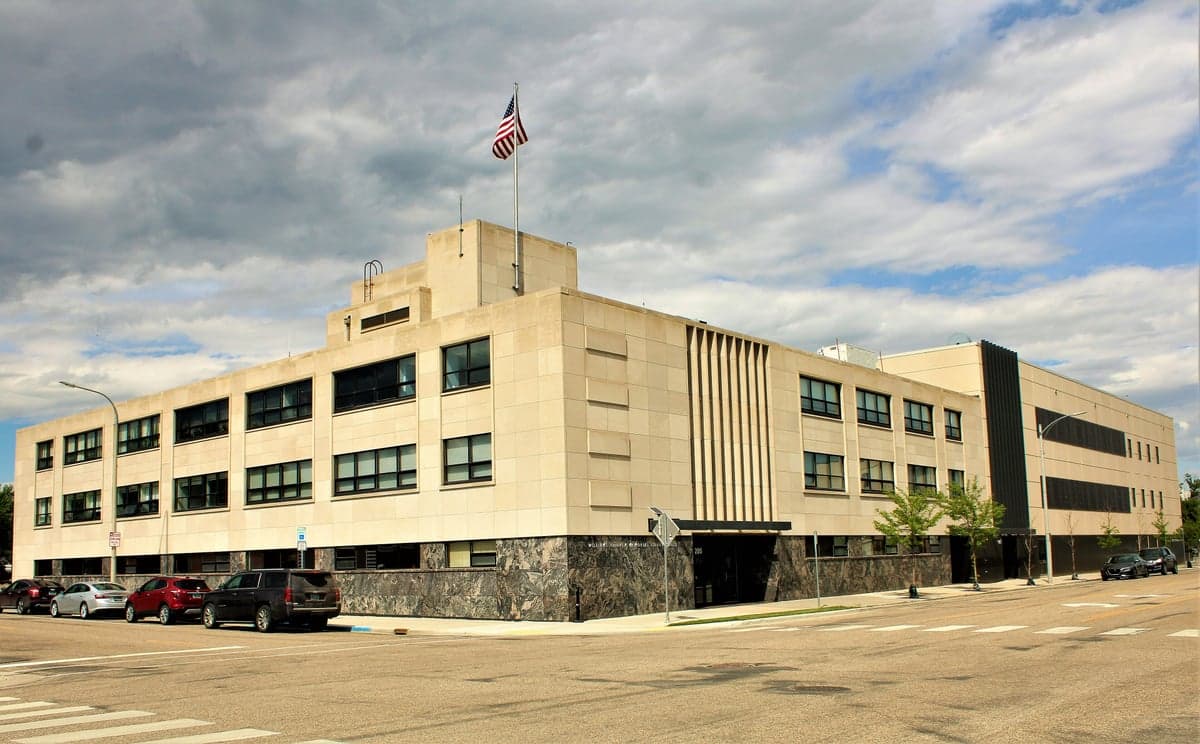
Photo: Wikipedia
Quality of Life in Williams County
A livable area that tracks near national norms for affordability, walkability, and neighborhood health.
What does Quality of Life tell us?
Quality of Life measures an area by evaluating factors like cost of living, nearby amenities, country club access, airport proximity, socioeconomic signals and neighborhood character. For large states, this is a general average — quality of life can vary dramatically between metro areas, suburbs, and rural communities within the same state.
What does this tell us?
Quality of Life measures an area by evaluating factors like cost of living, nearby amenities, country club access, airport proximity, socioeconomic signals and neighborhood character. For large states, this is a general average — quality of life can vary dramatically between metro areas, suburbs, and rural communities within the same state.
Cost of Living
5% below national average
118%
The Real Cost of Living in Williams County for 2026
| Tier | Individual | Family (4) |
|---|---|---|
| Survival | $18k | $33k |
| Comfortable | $52k | $76k |
| Luxury | $163k+ | $253k+ |
| Elite (Top 5%) | $192k+ | $298k+ |
Quality-of-Life Analysis
Williams County, North Dakota, offers a quality-of-life spectrum that ranges from the regional hub of Williston to remote, unincorporated farming hamlets, attracting everyone from oil-field workers seeking high wages to retirees valuing low property taxes and wide-open spaces. The county’s cost of living index sits at 95 (below the U.S. average of 100), with a median home value of $267,800 and median rent of $1,108, making it more affordable than many Western boomtowns. The average commute of just over 18 minutes underscores the rural character, even in the largest town. This mix draws distinct groups: young families and energy-sector employees to Williston’s schools and services, while agricultural families and homesteaders gravitate toward quieter spots like Tioga or Grenora.
Largest town(s) & population centers
Williston, the county seat and only city with a population over 10,000, is the undisputed center of commerce, healthcare, and education. Daily life here revolves around the Bakken oil fields, with major employers like CHI St. Alexius Health Williston and the Williston Basin School District providing stability. The city offers a Walmart Supercenter, a regional airport, and the Raymond Family Community Center, giving residents amenities typical of a small Midwestern city. Williston’s median home value of $267,800 is the county’s highest, reflecting demand from oil workers and professionals. The average commute of 18.7 minutes is notably short for a regional hub, largely because most jobs are within city limits or on nearby drilling sites. For families, the Williston Area Recreation Center and the Missouri River’s nearby Lewis and Clark State Park provide outdoor recreation without the isolation of rural life.
Smaller towns & rural pockets
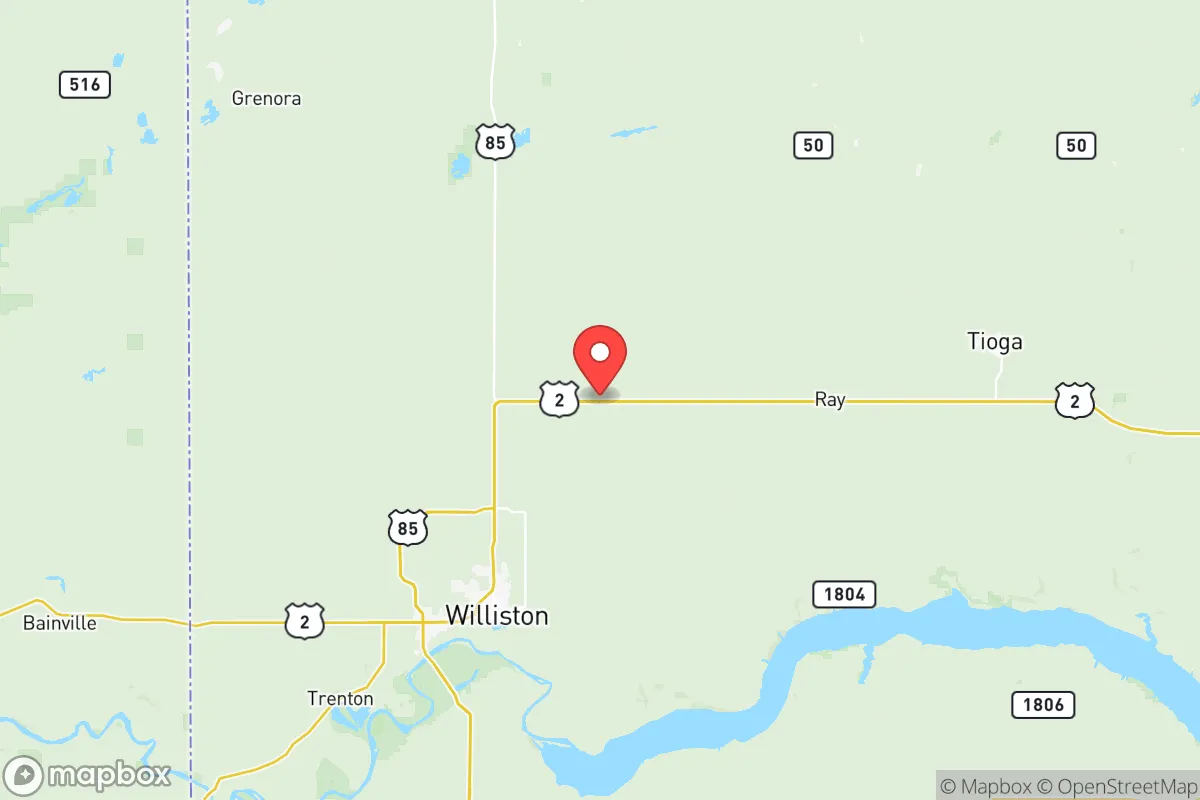
Beyond Williston, the county’s smaller communities offer a quieter, more affordable lifestyle. Tioga (pop. ~1,200) sits 30 miles east of Williston and serves as a bedroom community for oil workers, with a small grocery store, a pharmacy, and the Tioga High School. Ray (pop. ~800) is a farming and energy crossroads, known for its annual Ray Rodeo and proximity to Lake Sakakawea. Grenora (pop. ~200) near the Montana border is a classic Great Plains hamlet, where grain elevators and a single main street define daily life. Unincorporated areas like Spring Brook and Hanks consist of scattered farmsteads and oil-well pads, with residents often driving 20–30 minutes to Williston for groceries or medical care. These pockets lack chain retail but offer median home values often below $200,000, making them attractive to buyers willing to trade convenience for space and lower costs.
Cost & lifestyle range
The cost-of-living spread across Williams County is significant. At the high end, Williston’s newer subdivisions and rental apartments command median rents of $1,108, while older homes in the city’s core can be found for under $250,000. At the low end, rural properties in towns like Grenora or Epping (pop. ~100) often sell for $150,000–$200,000, with property taxes among the lowest in the state due to agricultural land valuation. The lifestyle range is equally broad: Williston offers a hospital, a movie theater, and multiple fast-food chains, while Grenora has a single gas station and a post office. Utilities and transportation costs are lower in rural areas, but residents pay more in time and fuel for commuting—a trade-off that suits self-sufficient households. The county’s overall COL index of 95 means a typical family of four spends about 5% less on housing, groceries, and healthcare than the national average, but the gap between Williston and the hinterlands can be 10–15% wider.
This county works best for people who value economic opportunity and low housing costs over urban density and cultural amenities. Oil-field workers and tradespeople thrive in Williston’s job market, while farmers, ranchers, and remote workers find peace in Tioga or Grenora. Retirees on fixed incomes benefit from the low property taxes and short commutes to Williston’s medical facilities. For anyone seeking a genuine rural-urban spectrum within a single county—where a 20-minute drive separates a Walmart from a wheat field—Williams County delivers a clear, affordable choice.

Crime in Williams County
Generally safer than 66% of comparable U.S. locations.
Violent CrimeViolent Crime Analysis
Property CrimeProperty Crime Analysis
Crime Analysis
Williams County, North Dakota, presents a mixed safety picture for prospective residents. While its violent crime rate of 237.7 incidents per 100,000 people is slightly below the national average, its property crime rate of 1,476.9 per 100,000 significantly exceeds both state and national benchmarks, driven largely by the economic volatility of the Bakken oil region. The county's two primary population centers, Williston and Tioga, experience the bulk of this crime, while smaller communities like Ray and Wildrose report far fewer incidents.
Crime in context
Williams County's violent crime rate of 237.7 per 100,000 is roughly 32% lower than the national average of about 380 per 100,000, but it is notably higher than North Dakota's statewide rate of approximately 240 per 100,000. The county's property crime rate of 1,476.9 per 100,000, however, is nearly 50% higher than the national average and roughly double the North Dakota state average. This disparity is a direct consequence of the oil boom-and-bust cycle, which has created a transient population and a high number of unoccupied rental units and storage facilities—prime targets for theft and burglary. The Northwest Judicial District, which covers Williams County, has seen a consistent push for tougher sentencing on property crimes, but the sheer volume of cases strains local resources.
What residents experience
For those living in Williston, the county seat and economic hub, property crime is the most tangible safety concern. Vehicle break-ins, theft from construction sites, and burglaries of oil-field equipment are common. The Williston Police Department has responded by increasing patrols in high-traffic areas like the 2nd Avenue West corridor and near the Williston Basin International Airport. In contrast, the town of Tioga, 20 miles east, sees a lower volume of incidents but still grapples with drug-related property crime tied to the regional workforce. Residents in Ray and Wildrose consistently report a much quieter, small-town experience where most crime is limited to minor vandalism or domestic disputes. Violent crime in Williams County is largely non-random, concentrated in domestic situations or disputes among transient workers, and rarely affects the general public in residential neighborhoods.
Neighborhood-level variation and judicial concerns
Safety varies sharply within Williston itself. The older, established neighborhoods near Harmon Park and the Williston State College area are generally considered safer, with lower incident rates. The newer developments along the 16th Avenue West strip and the apartment complexes near the oil-field service roads see more frequent police calls for theft and disorderly conduct. A key concern for residents is the influence of the Northwest Judicial District's approach to prosecution. While the district attorney's office in Williston has maintained a relatively tough stance on violent offenders, critics argue that progressive bail reform policies and a focus on rehabilitation over incarceration for property crimes have led to a revolving door for repeat offenders. This is particularly problematic in a county where the transient workforce makes community-based supervision difficult. Residents should be aware that the judicial philosophy in Williams County, while not as lenient as in some larger metro areas, still prioritizes treatment and diversion for many property crimes, which can leave victims feeling that justice is incomplete. For those seeking the lowest crime risk, the rural townships outside of Williston—such as those near Grenora or Epping—offer the safest environments, though they come with significant trade-offs in terms of access to services and employment.
* Values derived from national, state, county, city and local statistics and may differ in a specific area. Last updated: 2026-10-21T23:32:38.000Z
Narrative content on this page is AI-generated and may contain mistakes. Verify any details that matter before acting on them.
ReloMaps may earn a commission from affiliate links at no extra cost to you.

