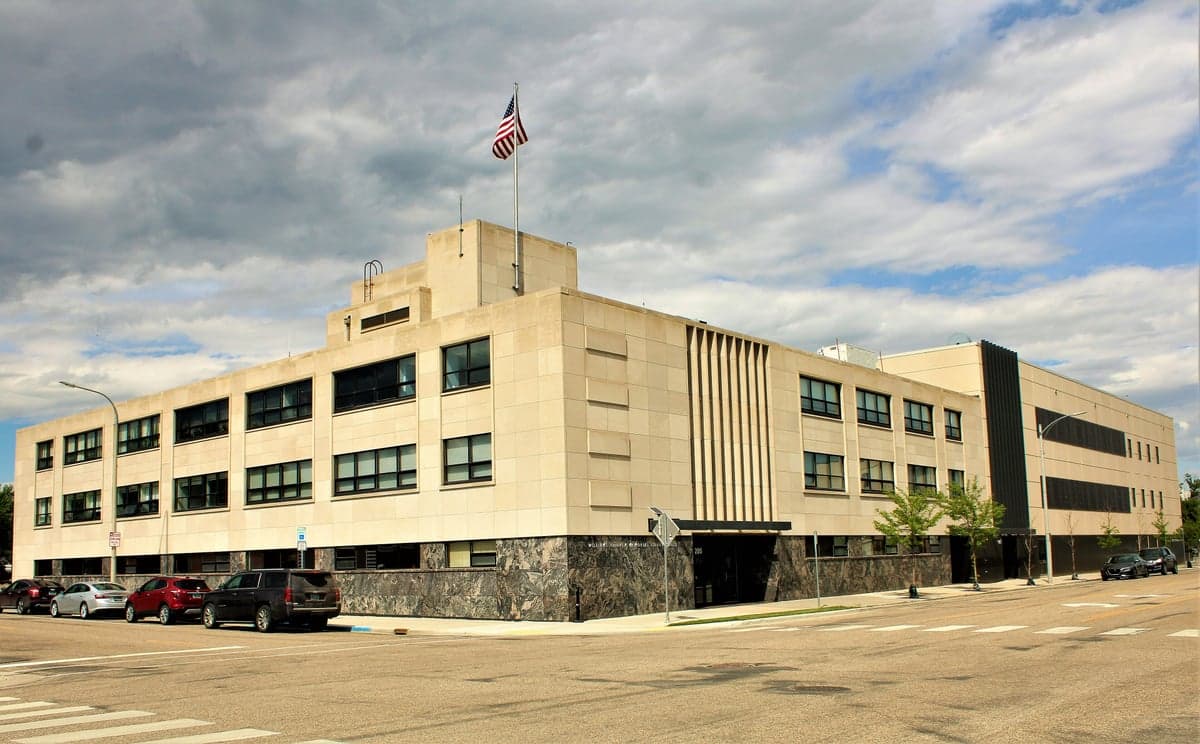
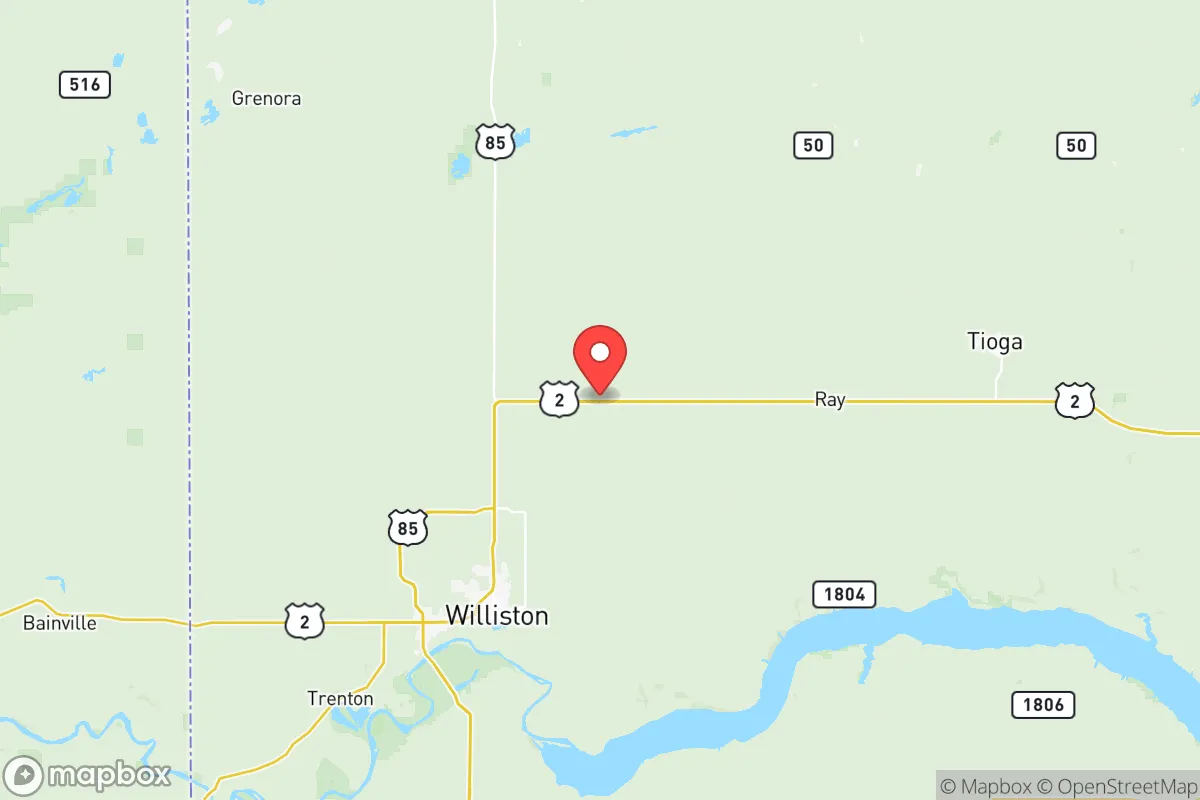
Photo: Wikipedia
Find The Best Places To Live in Williams County
PRO TIP! You can paste a Zillow or Redfin link to get info on that property.
Best Places to Live in Williams County
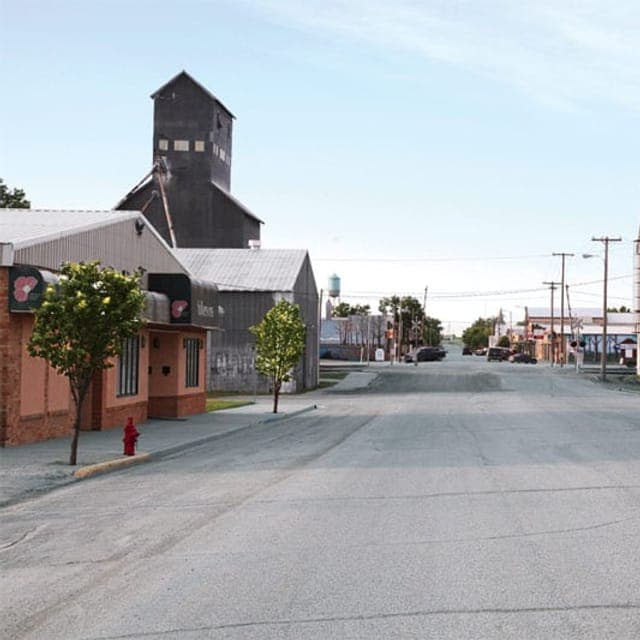
Cities & Towns in Williams County
Cities in Williams County
What It's Like Living in Williams County, ND
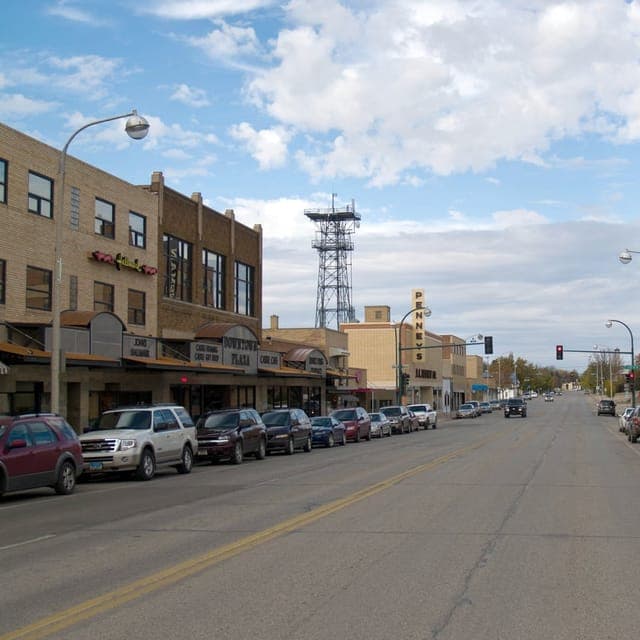
Living in Williams County, North Dakota, feels a bit like being in on a secret that’s not quite a secret anymore. The oil boom of the 2010s reshaped places like Williston, Ray, and Tioga, bringing a wave of energy and new faces, but the core of the county remains rooted in a practical, hardworking, and surprisingly tight-knit community. It’s a place where a six-figure household income is common, but the local dive bar is still where everyone knows your name, and the wide-open prairie is never more than a five-minute drive from your front door.
The Daily Grind and Weekend Pace
For most people here, the day starts early. The average commute is just under 19 minutes, which means you can live in a quieter spot like Ray or Tioga and still get to a job in Williston without a soul-crushing drive. The median income sits at a robust $90,224, a figure that reflects the prevalence of high-paying jobs in the oil fields, trucking, and supporting industries. You’ll find a lot of people in their 20s and 30s—the median age is just 32.3—working long shifts, then spending their days off hunting, fishing on Lake Sakakawea, or fixing up their homes. Weekends often revolve around practical projects: a trip to the hardware store in Williston, a youth soccer game in Grenora, or a family dinner at a spot like the Williston Brewing Company. The cost of living is slightly below the national average (index of 95), which helps offset the fact that a median home value of $267,800 still requires a solid down payment, especially for newer construction in Williston’s newer subdivisions.
Sports, Community, and Where You’ll Actually Go
High school sports are the undisputed kings of local entertainment. Friday nights in the fall are dominated by Williston High School Coyotes football, and the gyms are packed for basketball in the winter. It’s not just about the game; it’s the social hub where you’ll see your neighbors, your boss, and the local mechanic all in the same bleachers. For a change of pace, the Williston State College Tetons offer a more laid-back but still competitive atmosphere for basketball and volleyball. The biggest cultural event is undoubtedly the Williams County Fair in Williston, a genuine multi-day affair with rodeo, carnival rides, and 4-H livestock shows that draws families from every corner of the county. For a night out, the local bar scene in Williston is more subdued than its boomtown reputation suggests, with places like The Eagles Club and JP’s Bar & Grill serving as reliable spots for a beer and a burger. Outdoor enthusiasts live for the Little Knife State Recreation Area and the nearby Fort Buford State Historic Site, offering hiking, fishing, and a direct line to the area’s frontier history.
Who Fits In, and Who Might Struggle
This county is a natural fit for people who value stability, straightforwardness, and a strong work ethic. It’s a place where a 23.7% college-educated rate is less important than knowing how to fix a fence or run a pump jack. The conservative lean is palpable in local politics and daily life—it’s a “pull yourself up by your bootstraps” kind of place. Families appreciate that the schools, from Williston’s larger district to the smaller K-12 in Wildrose, are deeply integrated into the community fabric. The violent crime rate of 237.7 per 100,000 is slightly above the national average, a statistic that locals will tell you is tied to specific transient pockets rather than a general sense of danger in residential neighborhoods. The real frustration for longtime residents is the weather—winters are long, dark, and brutally cold, with wind chills that can keep you indoors for days. The flip side is a fierce sense of community pride; when a blizzard hits, neighbors in Epping or Springbrook are checking on each other before the plows even roll. The biggest con for newcomers is the feeling of isolation—the nearest major city, Minot, is an hour and a half away, and Minneapolis is a solid six-hour drive. You have to be okay with your entertainment being what you and your neighbors make of it.
Pros and Cons at a Glance
- Pros: High median income relative to cost of living; short commutes; strong, family-oriented community; abundant outdoor recreation (hunting, fishing, hiking); a genuine sense of frontier self-reliance.
- Cons: Harsh, long winters with limited daylight; a somewhat isolated location far from major cities; a housing market that, while better than boom years, still demands a high price for decent inventory; a slightly elevated violent crime rate that is concentrated in specific areas.

* Values derived from national, state, county, city and local statistics and may differ in a specific area. Last updated: 2026-10-21T23:32:38.000Z
Narrative content on this page is AI-generated and may contain mistakes. Verify any details that matter before acting on them.
ReloMaps may earn a commission from affiliate links at no extra cost to you.

