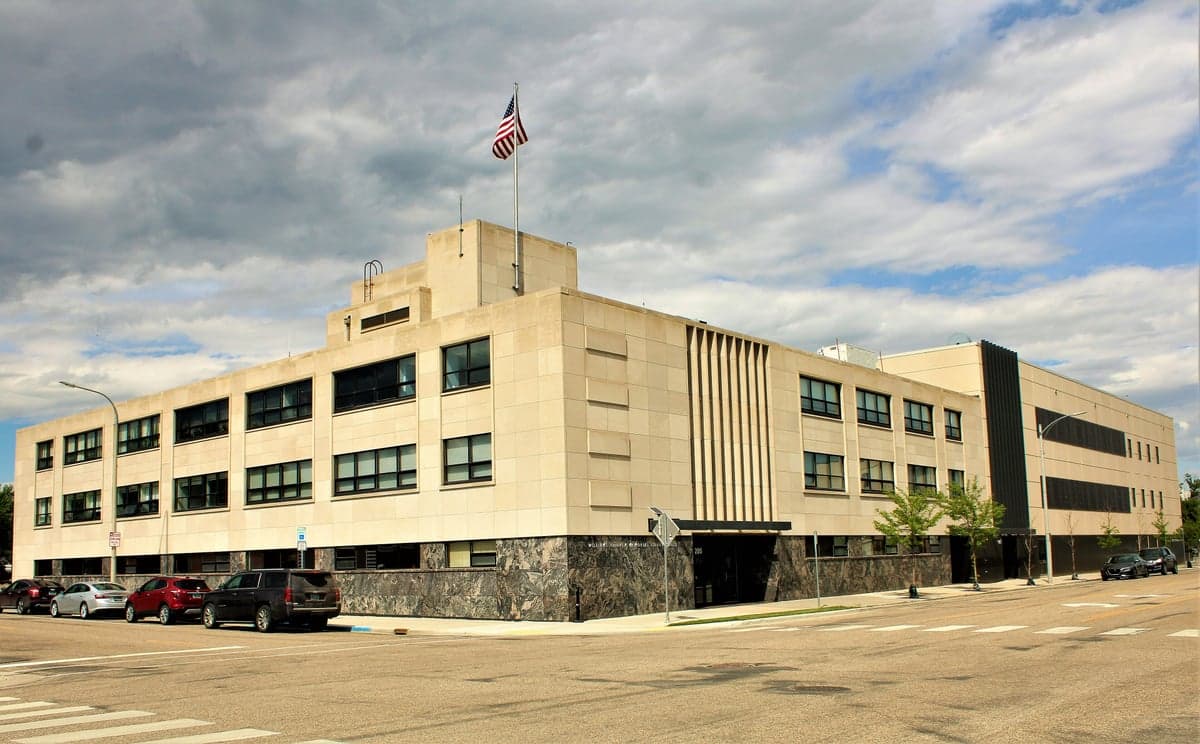
Photo: Wikipedia
Personal Sovereignty in Williams County
Viable for self-reliance. Generally workable, though some barriers may limit total independence.
What does Personal Sovereignty tell us?
Personal Sovereignty measures your capacity for self-reliance and independence with minimal government friction. Higher scores mean fewer barriers between you and the way you want to live... but it assumes you have the space you need and good neighbors.
What does this tell us?
Personal Sovereignty measures your capacity for self-reliance and independence with minimal government friction. Higher scores mean fewer barriers between you and the way you want to live... but it assumes you have the space you need and good neighbors.
State Policy
Energy independence: Net exporter (500% of energy produced in-state)
Personal Liberty
Homesteading

Personal Liberty Analysis
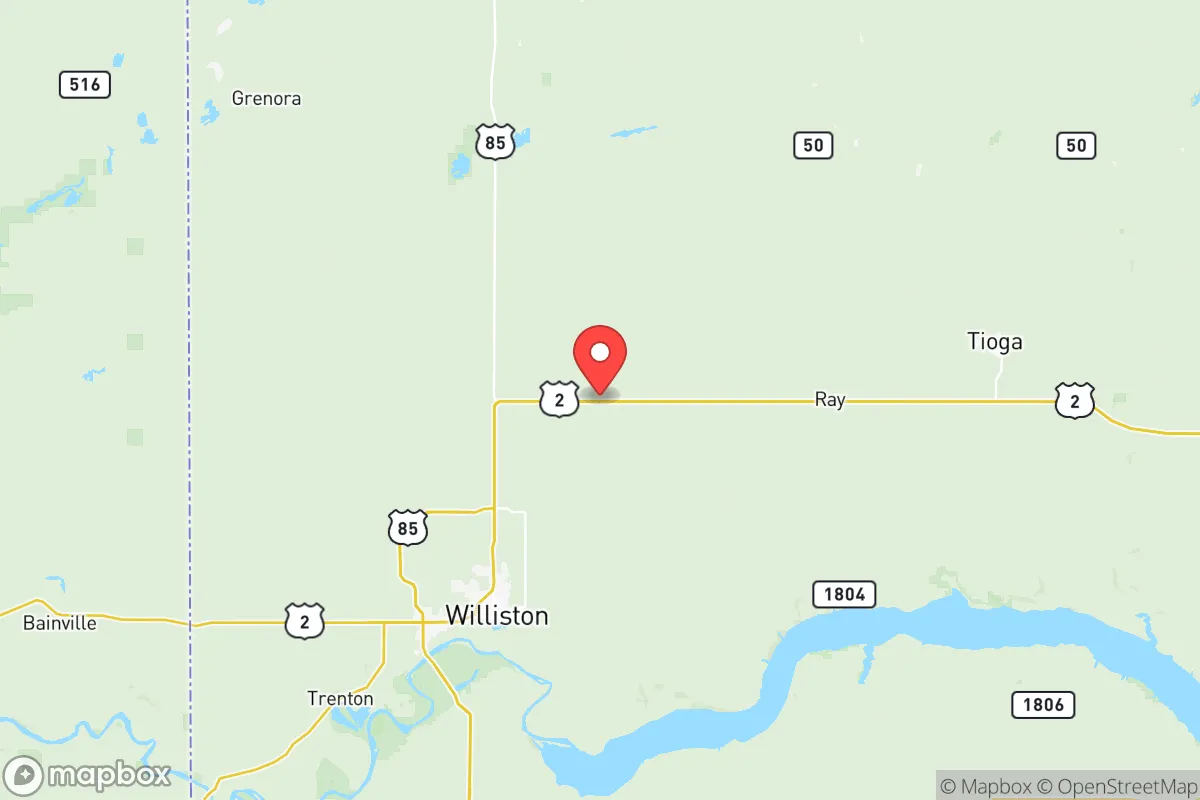
Williams County, North Dakota, offers one of the strongest personal sovereignty environments in the upper Great Plains, driven by a state-level commitment to low taxation, minimal regulation, and expansive individual liberties. The county’s autonomy profile is shaped by its oil-boom history, which has fostered a culture of self-reliance and a government posture that generally defers to private decision-making. For individuals and families seeking to maximize personal freedom—whether through financial independence, self-defense rights, or off-grid living—Williams County presents a compelling option, though specific conditions vary across its communities, from the county seat of Williston to smaller towns like Tioga, Ray, and Grenora.
Tax burden and regulatory posture: how light is the government footprint?
North Dakota’s tax structure is among the most favorable in the nation for those prioritizing financial sovereignty, and Williams County benefits directly. The state has no personal income tax and no state-level sales tax on most goods, though local jurisdictions can add their own—Williston, for example, imposes a 2% city sales tax, while unincorporated areas of the county may have none. Property taxes in Williams County are moderate, with effective rates typically around 1.0% to 1.2% of assessed value, lower than the national average. The regulatory posture is similarly light: North Dakota is a right-to-work state, meaning no forced union membership, and occupational licensing requirements are less burdensome than in many coastal states. For a family or individual, this translates to keeping more of what they earn and facing fewer bureaucratic hurdles when starting a business or trade. In Tioga and Ray, local governments are especially hands-off, with minimal zoning enforcement outside of core oilfield safety codes, while Williston has slightly more structured permitting for commercial development due to its larger population and infrastructure demands.
Self-defense and gun law specifics: what the Second Amendment looks like here
Williams County is deeply aligned with a robust interpretation of the Second Amendment, reflecting North Dakota’s status as a constitutional carry state since 2017. No permit is required to carry a concealed firearm for any law-abiding adult 18 or older, and open carry is legal without a license. The state also has strong preemption laws, meaning cities like Williston or Tioga cannot enact their own firearm restrictions that are stricter than state law—so gun owners face uniform rules across the county. Stand-your-ground and castle doctrine protections are codified in state statute, with no duty to retreat in any place where a person has a legal right to be. Background checks are only required for purchases from licensed dealers, not private sales. For residents in rural areas like Grenora or Epping, where law enforcement response times can exceed 20 minutes, the ability to carry without bureaucratic delay is a practical necessity. Shooting ranges and gun clubs are common, and the local culture strongly supports firearm ownership for both self-defense and hunting.
Self-reliance and homesteading viability: lot sizes, zoning, and off-grid feasibility
Williams County offers substantial opportunities for self-reliant living, particularly outside the Williston city limits. In unincorporated areas and smaller towns like Ray, Tioga, and Wildrose, zoning is minimal or nonexistent, allowing for off-grid construction, rainwater collection, and alternative energy systems without special permits. Minimum lot sizes in rural zones are typically one acre or larger, and many parcels of 5 to 40 acres are available at prices well below national averages—often $1,000 to $3,000 per acre for raw land. The county does not prohibit composting toilets, solar panels, or wind turbines, though grid-tied systems are more common due to the region’s harsh winters. Williston itself has more conventional suburban zoning with minimum lot sizes around 6,000 to 8,000 square feet and restrictions on livestock within city limits, but even there, backyard chickens and small gardens are generally allowed. For those seeking full homesteading—raising livestock, growing food, and living off-grid—the areas north and west of Williston, toward Grenora and the Montana border, are the most permissive. The county’s agricultural heritage means that local officials are accustomed to self-sufficient lifestyles, and enforcement of building codes is often complaint-driven rather than proactive.
Personal liberties: parental rights, medical autonomy, speech, and property
North Dakota has enacted several laws that strengthen personal liberties in ways that resonate with a conservative-leaning audience. Parental rights are explicitly protected under state law, with statutes affirming that parents have the fundamental right to direct the upbringing, education, and healthcare of their children. This includes opt-out provisions for school curricula and medical treatments, and the state does not mandate COVID-19 or other vaccines for school attendance. Medical autonomy is similarly broad: there is no state-level mandate for health insurance coverage of specific procedures, and the state has passed laws protecting conscientious objection for healthcare providers. Free speech is robustly protected, with no hate speech laws that restrict expression, and property rights are strong—North Dakota has a long-standing tradition of mineral rights ownership, which is particularly relevant in Williams County’s oil-producing areas. Eminent domain is used sparingly and primarily for infrastructure projects like pipelines, with fair compensation required. In practice, this means a family in Tioga can homeschool without excessive state oversight, choose alternative medical treatments, and speak freely on political or religious topics without fear of government reprisal.
Overall, Williams County ranks among the top-tier areas in the United States for personal sovereignty, comparable to rural counties in Montana or Idaho but with a lower cost of land and a more established energy economy that provides economic stability. The combination of no income tax, constitutional carry, minimal zoning outside of Williston, and strong parental and property rights creates an environment where individuals and families can exercise a high degree of autonomy. For those willing to adapt to the region’s cold winters and remote character, the trade-off is a level of personal freedom that is increasingly rare in more densely populated or heavily regulated parts of the country.

* Values derived from national, state, county, city and local statistics and may differ in a specific area. Last updated: 2026-10-21T23:32:38.000Z
Narrative content on this page is AI-generated and may contain mistakes. Verify any details that matter before acting on them.
ReloMaps may earn a commission from affiliate links at no extra cost to you.

