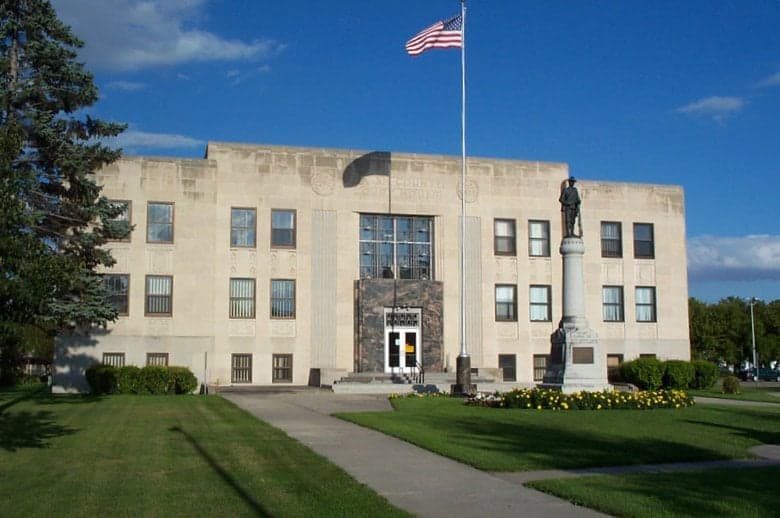
Photo: Wikipedia
Quality of Life in Walsh County
A livable area that tracks near national norms for affordability, walkability, and neighborhood health.
What does Quality of Life tell us?
Quality of Life measures an area by evaluating factors like cost of living, nearby amenities, country club access, airport proximity, socioeconomic signals and neighborhood character. For large states, this is a general average — quality of life can vary dramatically between metro areas, suburbs, and rural communities within the same state.
What does this tell us?
Quality of Life measures an area by evaluating factors like cost of living, nearby amenities, country club access, airport proximity, socioeconomic signals and neighborhood character. For large states, this is a general average — quality of life can vary dramatically between metro areas, suburbs, and rural communities within the same state.
Cost of Living
43% below national average
195%
The Real Cost of Living in Walsh County for 2026
| Tier | Individual | Family (4) |
|---|---|---|
| Survival | $12k | $23k |
| Comfortable | $24k | $36k |
| Luxury | $109k+ | $169k+ |
| Elite (Top 5%) | $128k+ | $199k+ |
Quality-of-Life Analysis
Walsh County, North Dakota offers a distinct quality-of-life spectrum that ranges from the modest commercial hub of Grafton to the quiet, unincorporated crossroads of Nash and the vast agricultural stretches of the county’s eastern plains. The county’s overall cost of living index sits at 57 (43% below the U.S. average), with a median home value of $125,700 and median rent of $766, making it one of the most affordable places in the state. People drawn here typically prioritize low housing costs, short commutes, and a slower pace of life, though the specific experience varies sharply depending on whether they settle in the county seat, a smaller village, or an isolated farmstead.
Largest town(s) & population centers
Grafton, the county seat and largest town with roughly 4,000 residents, is the commercial and social anchor of Walsh County. Daily life here centers around the downtown core along Hill Avenue, where residents access grocery stores, a hospital (Unity Medical Center), and the county’s only Walmart. The average commute in the county is just 18 minutes, and in Grafton most errands are a five-minute drive. The town also hosts the annual Walsh County Fair and offers a small regional airport. Park River, the second-largest community with about 1,400 people, provides a quieter alternative with its own K-12 school system, a public golf course, and the nearby Homme Dam recreation area for fishing and camping.
Smaller towns & rural pockets
Beyond the two main towns, Walsh County contains a string of small incorporated communities and unincorporated places that define its rural character. Edinburg (pop. ~180), Minto (pop. ~600), and Hoople (pop. ~250) each maintain a grain elevator, a church or two, and a volunteer fire department. Ardoch and Nash are unincorporated hamlets with little more than a few homes and a post office, representing the most isolated living options in the county. These areas lack retail and medical services entirely, requiring a 15- to 25-minute drive to Grafton or Park River for basic needs. The surrounding landscape is dominated by wheat, soybean, and sugar beet fields, with farmsteads spaced a half-mile apart along gravel section roads.
Cost & lifestyle range
The cost spread within Walsh County is narrow by national standards but meaningful locally. At the low end, a two-bedroom home in Edinburg or Hoople can sell for $60,000–$80,000, and rental units in those towns are scarce but often rent for under $600. At the higher end, newer construction in Grafton’s south side or along Park River’s tree-lined streets can reach $180,000–$220,000, still well below the national median. Lifestyle differences are more pronounced: Grafton offers a public library, a swimming pool, and a handful of sit-down restaurants, while residents of Nash or Ardoch must drive 20 minutes for a sit-down meal or a pharmacy. Internet access also varies — Grafton and Park River have cable broadband, while many rural addresses rely on fixed wireless or satellite with slower speeds.
Walsh County best suits people who value extreme affordability, short commutes, and a close-knit community over urban amenities. Retirees on fixed incomes, young families buying their first home, and agricultural workers find the most to like here. Professionals seeking nightlife, diverse dining, or high-speed remote-work infrastructure will likely find the trade-offs too steep, but for those comfortable with a 20-minute drive to the nearest coffee shop, the county delivers a stable, low-stress daily life at a fraction of the national cost.

Crime in Walsh County
Generally safer than 65% of comparable U.S. locations.
Violent CrimeViolent Crime Analysis
Property CrimeProperty Crime Analysis
Crime Analysis
Walsh County, North Dakota, presents a mixed safety picture that falls between the state average and national benchmarks. With a violent crime rate of 235.4 per 100,000 residents and a property crime rate of 1,471.7 per 100,000, the county offers a level of security that is notably better than the U.S. average but requires residents to remain vigilant, particularly in certain communities. The county's rural character and small-town policing dynamics shape the day-to-day safety experience, with significant variation between the county seat of Grafton and smaller communities like Park River, Edinburg, and Minto.
Crime in context
Walsh County's violent crime rate of 235.4 per 100,000 is roughly 37% lower than the national average of approximately 380 per 100,000, placing it in a safer tier than many comparably sized counties nationwide. However, it runs about 30% higher than the North Dakota state average of roughly 180 per 100,000, meaning residents face elevated risk relative to the rest of the Peace Garden State. Property crime in Walsh County stands at 1,471.7 per 100,000, which is approximately 20% below the national property crime rate of about 1,950 per 100,000 but slightly above the North Dakota state average of roughly 1,400 per 100,000. These figures suggest that while Walsh County is not a high-crime area by national standards, it is not among the safest counties in North Dakota either. The county's proximity to Grand Forks, a larger city with its own crime challenges, and its position along the U.S.-Canada border may influence these statistics through transient populations and regional crime patterns.
What residents experience
Daily life in Walsh County is generally quiet, but residents in Grafton — the county's largest city and commercial hub — report more frequent encounters with property crime, including vehicle break-ins and shed burglaries. The city of Grafton accounts for a disproportionate share of the county's reported incidents, driven by its denser population and the presence of state highways that facilitate easy access for offenders. In contrast, smaller communities like Park River, Edinburg, and Minto experience far fewer incidents, with residents often leaving doors unlocked and reporting that most crime is limited to minor theft or occasional domestic disturbances. The Walsh County Sheriff's Office and the Grafton Police Department maintain visible patrols, but response times in the county's far-flung rural areas can exceed 20 minutes. Prosecution in Walsh County falls under the Northeast Judicial District, which has historically taken a balanced approach to sentencing — neither notably lenient nor exceptionally harsh — though residents express concern that state-level trends toward progressive criminal justice reforms could shift this balance in the future, potentially reducing accountability for repeat offenders.
Neighborhood-level variation within Walsh County is pronounced. The safest areas tend to be the unincorporated farming communities and the smaller incorporated towns of Hoople, Lankin, and Fordville, where population density is low and social cohesion is high. Grafton's older residential neighborhoods near the downtown core see more police activity, while newer subdivisions on the town's outskirts report fewer incidents. The county's eastern townships, bordering Minnesota's Polk County, occasionally experience cross-border crime, particularly theft from vehicles parked at boat ramps along the Red River. Residents considering a move to Walsh County should prioritize properties in Park River or Edinburg if maximum safety is the goal, while understanding that Grafton offers more amenities at the cost of slightly elevated crime risk. Overall, Walsh County remains a reasonably safe place to live, but the data and resident accounts both suggest that vigilance — particularly regarding property crime — is warranted across the county.
* Values derived from national, state, county, city and local statistics and may differ in a specific area. Last updated: 2026-07-18T17:31:06.000Z
Narrative content on this page is AI-generated and may contain mistakes. Verify any details that matter before acting on them.
ReloMaps may earn a commission from affiliate links at no extra cost to you.

