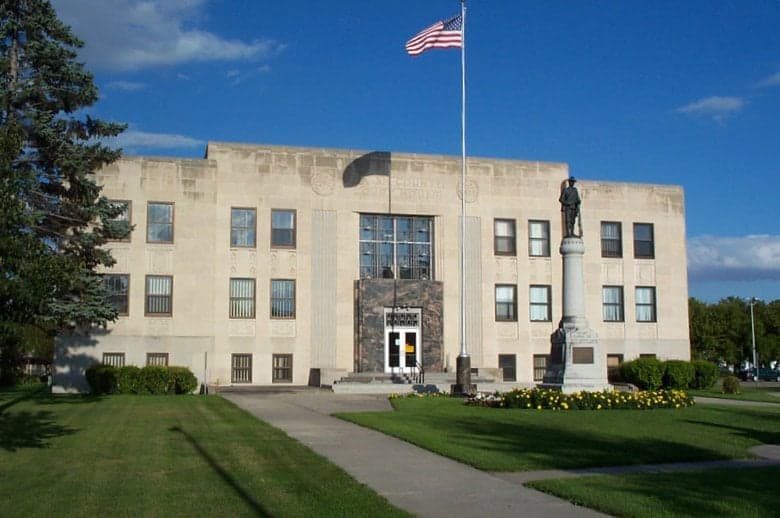
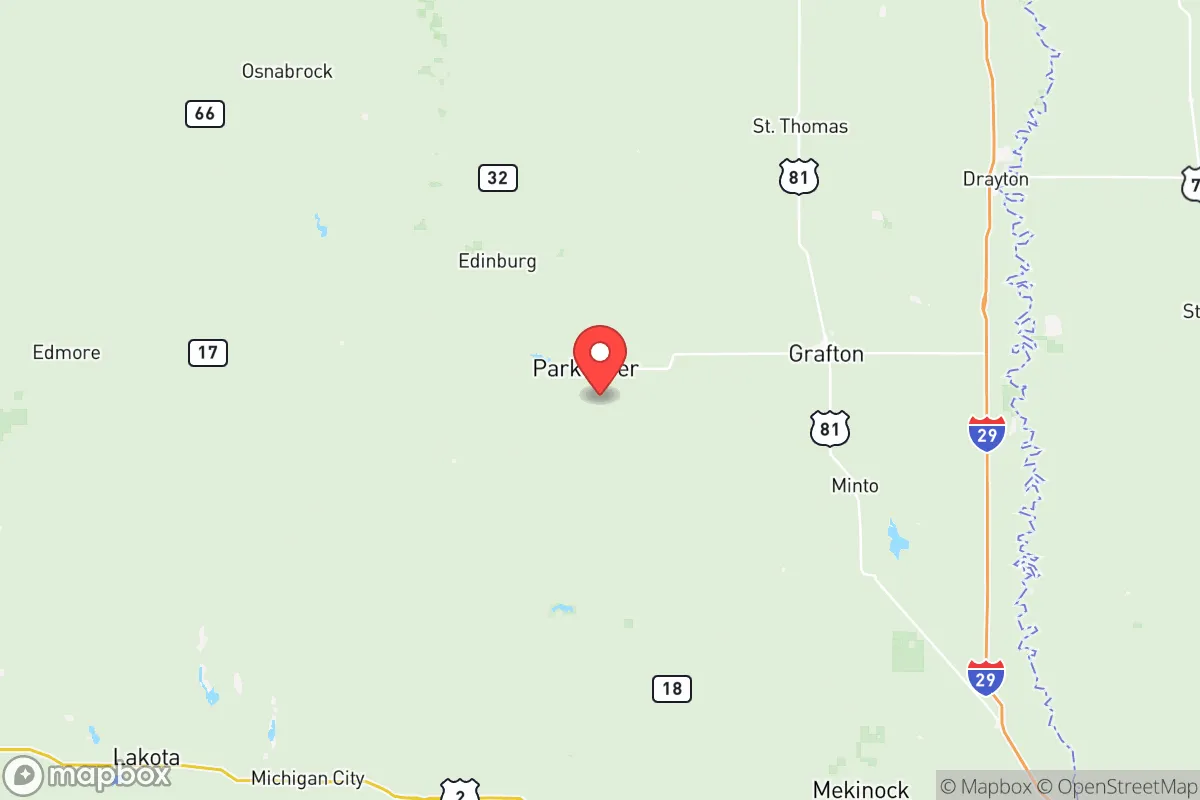
Photo: Wikipedia
Find The Best Places To Live in Walsh County
PRO TIP! You can paste a Zillow or Redfin link to get info on that property.
Best Places to Live in Walsh County
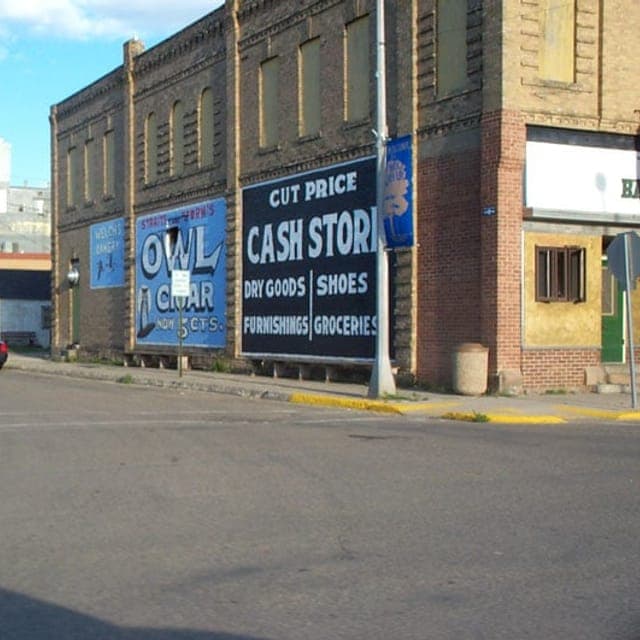
Cities & Towns in Walsh County
Cities in Walsh County
What It's Like Living in Walsh County, ND
Living in Walsh County, North Dakota, means trading the constant hum of city life for a rhythm set by the seasons and the wide-open horizon. The county seat, Grafton, is the largest community and the commercial hub, while smaller towns like Park River, Minto, and Hoople offer a quieter, close-knit pace. It’s a place where most people know your name, where the local café is the social network, and where the cost of living is low enough that a median income of $69,976 goes a long way.
Daily Rhythm: Work, Weather, and the Weekend
Life here is grounded in practical routines. The average commute is just over 18 minutes, so you’re not burning hours in traffic. Most people work in agriculture, healthcare, education, or energy-related fields. The region’s economy is tied to the land—sugar beets, wheat, and sunflowers are big crops—and you’ll see that reflected in the pace of life. In Grafton, the weekday starts early. Folks grab coffee at the Main Street Café or the local Casey’s, and by 7 a.m., the streets are quiet again as people head to work or the fields.
Weekends are for catching up. You might see families at the Walsh County Fairgrounds in Grafton, or kids playing soccer and baseball at the city park. In Park River, the Homme Dam Recreation Area is a popular spot for fishing and hiking. The median age here is 43.8, which skews a bit older, but there’s a steady presence of young families drawn by affordable housing. The median home value sits at just $125,700, and with a cost of living index of 57—well below the national average—a single income can still buy a house with a yard.
Sports, Community, and What People Do for Fun
High school sports are the main event. Friday nights in the fall revolve around Grafton High School football, where the Spoilers draw crowds that fill the bleachers. Basketball season is just as intense, especially when Grafton faces off against Park River or Minto in district play. These games aren’t just entertainment—they’re community gatherings. You’ll see farmers, teachers, and retirees all in the same gym, cheering on kids they’ve known since kindergarten.
Beyond sports, the social calendar is shaped by local festivals. The Walsh County Fair in Grafton is a highlight every summer, with rodeo events, 4-H exhibits, and carnival rides. In Park River, the Potato Days festival celebrates the area’s agricultural roots with a parade, food, and live music. For a night out, the Grafton Eagles Club and the local VFW host karaoke and dances. If you’re into the outdoors, the Turtle River State Park is a short drive west, offering hiking, cross-country skiing, and camping. The Red River Valley’s flat landscape makes for incredible sunsets, and the lack of light pollution means stargazing is a genuine pastime.
Pros and Cons of Living in Walsh County
Let’s be honest: this isn’t a place for everyone, and that’s part of its identity. Here’s what longtime residents appreciate and what newcomers sometimes struggle with.
- Pro: Affordability is real. With a median home value of $125,700 and a cost of living index of 57, you can live comfortably on a modest salary. For comparison, a similar house in Fargo would cost two to three times as much.
- Pro: Low crime, but not zero. The violent crime rate is 235.4 per 100,000, which is slightly above the national average, but property crime is lower than in urban areas. Most people still leave their doors unlocked in the smaller towns like Hoople and Minto.
- Pro: Strong community bonds. When someone’s barn burns down or a family faces a medical crisis, neighbors organize fundraisers and meal trains. You’re not anonymous here.
- Con: Winters are long and harsh. From November through March, temperatures regularly drop below zero, and blizzards can shut down roads for days. Seasonal affective disorder is a real concern, and cabin fever sets in by February.
- Con: Limited entertainment and dining. There are no malls, no concert venues, and only a handful of sit-down restaurants. For a night out with variety, you’re driving an hour to Grand Forks. The bar scene in Grafton is friendly but small.
- Con: Fewer job opportunities for professionals. Only 19.5% of adults hold a college degree, and the job market is narrow. If you’re in tech, finance, or specialized fields, you’ll likely need to work remotely or commute.
Who Fits In Here
Walsh County works best for people who value space, quiet, and self-reliance. It’s a good fit for families who want their kids to grow up with room to roam, for retirees on a fixed income, and for anyone who doesn’t mind driving 20 minutes for groceries. The cultural identity is rooted in Scandinavian and German heritage, with a strong work ethic and a conservative tilt. You’ll find church suppers, hunting seasons, and a general distrust of government overreach. It’s not a place for people who need constant stimulation or urban amenities. But if you’re looking for a place where your dollar stretches, your neighbors have your back, and the sky feels impossibly big, Walsh County might feel like home.

* Values derived from national, state, county, city and local statistics and may differ in a specific area. Last updated: 2026-07-18T17:31:06.000Z
Narrative content on this page is AI-generated and may contain mistakes. Verify any details that matter before acting on them.
ReloMaps may earn a commission from affiliate links at no extra cost to you.

