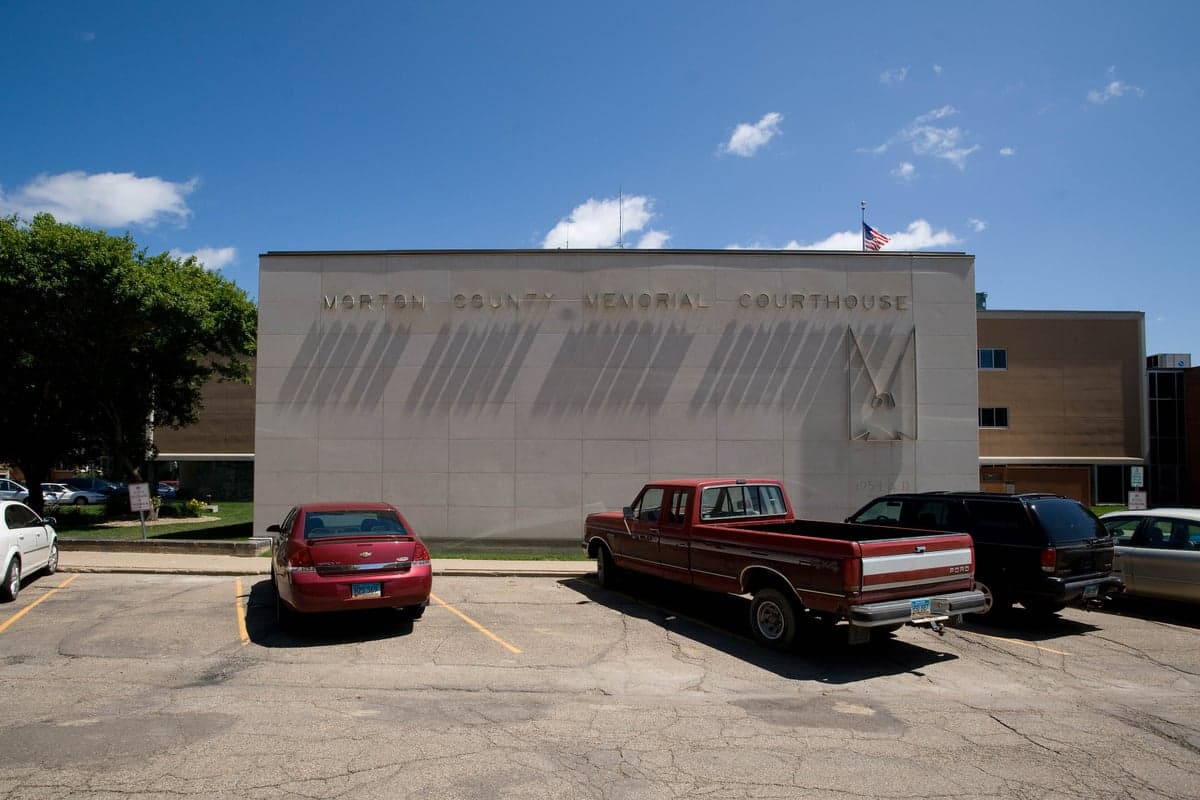
Photo: Wikipedia
Quality of Life in Morton County
A livable area that tracks near national norms for affordability, walkability, and neighborhood health.
What does Quality of Life tell us?
Quality of Life measures an area by evaluating factors like cost of living, nearby amenities, country club access, airport proximity, socioeconomic signals and neighborhood character. For large states, this is a general average — quality of life can vary dramatically between metro areas, suburbs, and rural communities within the same state.
What does this tell us?
Quality of Life measures an area by evaluating factors like cost of living, nearby amenities, country club access, airport proximity, socioeconomic signals and neighborhood character. For large states, this is a general average — quality of life can vary dramatically between metro areas, suburbs, and rural communities within the same state.
Cost of Living
11% below national average
112%
The Real Cost of Living in Morton County for 2026
| Tier | Individual | Family (4) |
|---|---|---|
| Survival | $17k | $31k |
| Comfortable | $48k | $71k |
| Luxury | $144k+ | $223k+ |
| Elite (Top 5%) | $176k+ | $273k+ |
Quality-of-Life Analysis
Morton County, North Dakota, offers a spectrum of quality-of-life options that ranges from the full-service regional hub of Mandan, with its strong sense of community and access to state capital amenities, to tranquil unincorporated areas like Fort Rice and Saint Anthony. The county’s overall character is defined by its deep roots in agriculture and energy, drawing families and professionals who value a slower pace, lower cost of living, and proximity to the Missouri River. With a composite cost of living index of 89 (11% below the national average), the county provides a significant economic buffer, though the lifestyle experience shifts visibly from the convenience-oriented town centers to the expansive, self-reliant homesteads in the countryside.
Largest town(s) & population centers
Mandan is the county seat and the clear population center, home to over 24,000 residents and serving as the commercial and social anchor. Daily life in Mandan is defined by a walkable downtown along Main Street, anchored by local businesses like the Blaise Bistro and Hearth Restaurant, and the newly revitalized Sweetheart Park along the Missouri River. The city offers a full complement of big-box retail along 6th Avenue, a strong public school system (Mandan Public Schools, consistently rated above state averages), and direct access to cultural amenities in Bismarck via the nearby Memorial Bridge. The average commute in Morton County is only 20.3 minutes, which in Mandan translates to a stress-free, 10- to 15-minute drive to most jobs, including major employers like CHI St. Alexius Health in Bismarck or the state government offices across the river. Mandan is where most professionals, young families, and those wanting daily conveniences without urban congestion cluster.
Smaller towns & rural pockets
Venturing outward, the county reveals a network of smaller, quieter communities. New Salem, with roughly 900 residents, is the second-largest town and is known for its strong agricultural base and the iconic New Salem Sue — a massive Holstein statue that signals the town’s rural character. Daily life here revolves around the local school system, the Harley’s Pub restaurant, and events at the New Salem Community Center. Further south, Almont (pop. ~120) and Glen Ullin (pop. ~700) offer even tighter-knit communities, where the general store and the grain elevator remain central gathering points. Fort Rice, an unincorporated area along the Missouri River, is largely populated by ranchers and legacy landowners; its lifestyle is defined by quiet river views and a profound connection to the landscape. Saint Anthony, near the southern county line, is a tiny agricultural hamlet where residents often commute 20-30 minutes for groceries or school, but enjoy complete peace and expansive property at a fraction of metro-area costs.
Cost & lifestyle range
The cost of living in Morton County varies less dramatically than in major metro areas, but a clear gradient exists. At the high end, Mandan offers the most expensive real estate, with a median home value of $249,600 — modest by national standards but representing newer subdivisions like Fox Hills and Riverwood, where homes typically range from $300,000 to $400,000. Rents in Mandan average $1,036 per month for a two-bedroom, offering a significant discount over nearby Bismarck ($1,200+). At the low end, a house in Almont or rural areas near Hebron (pop. ~670) can easily be found for under $150,000, and a full acre of land with river access may cost less than a condo in Mandan. Utility costs in the smaller towns can be slightly higher due to well water and propane heating, but property taxes remain low relative to the region. The trade-off is clear: Mandan provides year-round street plowing, a public library, and a hospital clinic, whereas in Saint Anthony or rural Sims, residents rely on personal vehicles and a higher degree of self-sufficiency for daily needs.
Morton County’s lifestyle spectrum accommodates a wide range of residents. The county is best suited for people who value affordability, outdoor access (hunting, fishing on the Missouri River, hiking in the Fort Rice area), and a grounded, community-oriented pace of life. Those who require a vibrant arts scene or fast-paced urban life will find the county limiting, but for families, remote workers seeking land, retirees on fixed incomes, or workers in the energy and agricultural sectors, the mix of Mandan’s convenience and the deep quiet of the surrounding prairie offers compelling, cost-effective choices.

Crime in Morton County
Generally safer than 65% of comparable U.S. locations.
Violent CrimeViolent Crime Analysis
Property CrimeProperty Crime Analysis
Crime Analysis
Morton County, North Dakota, presents a mixed public safety profile where property crime rates significantly exceed state and national averages while violent crime remains below the national benchmark. In 2024, the county recorded a violent crime rate of 234.1 incidents per 100,000 residents and a property crime rate of 1,467.8 per 100,000, according to the most recent FBI Uniform Crime Reporting data. The county seat of Mandan, which holds roughly two-thirds of the county's population, drives most crime reporting, though smaller communities like New Salem and Flasher generate far fewer incidents. Overall, Morton County is safer than North Dakota's high-crime urban centers such as Fargo or Grand Forks, but residents in unincorporated areas and along the Interstate 94 corridor should maintain standard precautions against theft and burglary.
Crime in context
Morton County’s violent crime rate of 234.1 per 100,000 is 14% lower than the national average of approximately 272 per 100,000, but roughly 30% higher than the North Dakota state average of 180 per 100,000. The county’s violent crime is heavily concentrated in Mandan's downtown core and near the I-94/Bismarck border, where aggravated assaults and robberies occur more frequently. Property crime, at 1,467.8 per 100,000, is 33% above the national average of 1,100 per 100,000 and nearly double North Dakota's state average of 780 per 100,000. Larceny-theft and motor vehicle theft account for the bulk of these incidents, with vehicle thefts rising 12% year-over-year in Mandan as of early 2026. Residents of Hebron and Glen Ullin experience property crime at roughly half the countywide rate, making those communities notably safer for families and retirees.
What residents experience
The day-to-day safety experience in Morton County varies sharply by jurisdiction and neighborhood. Mandan residents frequently report unlocked-vehicle prowling and garage break-ins in subdivisions west of Memorial Highway, while the historic Main Street area sees occasional vandalism and public intoxication. The Morton County Sheriff’s Office, under a non-partisan elected sheriff, maintains a conservative law-enforcement posture focused on proactive patrols and quick response times — typically under 8 minutes in urban Mandan. By contrast, the South Central Judicial District, which covers Morton County, has been notably progressive in sentencing for non-violent property offenses, often favoring diversion programs and reduced bond amounts over incarceration. This lenient approach has contributed to repeat property offenders cycling through Mandan and Bismarck's adjacent areas, a pattern documented in local court filings. Victims of theft or burglary in the county frequently express frustration that prosecutors decline to pursue felony charges unless losses exceed $10,000, a threshold that leaves most car break-in and bike theft victims without meaningful restitution.
Neighborhood-level safety in Morton County correlates strongly with distance from Mandan's commercial corridors. The Fort Lincoln area along Highway 1806 sees virtually no violent crime and very low property crime, while the Riverside neighborhood near the Heart River experiences elevated theft rates during summer tourist season. For those considering relocation, New Salem (population ~1,000) and Flasher (population ~250) report fewer than 10 total crimes annually, making them among the safest municipalities in western North Dakota. Commuters who work in Bismarck but prefer a small-town setting often choose Hebron or Glen Ullin specifically for their low crime rates and responsive local police forces. The county's overall safety outlook remains stable, though residents should budget for comprehensive property insurance and invest in outdoor security lighting, especially if living within Mandan's city limits.
* Values derived from national, state, county, city and local statistics and may differ in a specific area. Last updated: 2026-07-01T01:54:54.000Z
Narrative content on this page is AI-generated and may contain mistakes. Verify any details that matter before acting on them.
ReloMaps may earn a commission from affiliate links at no extra cost to you.

