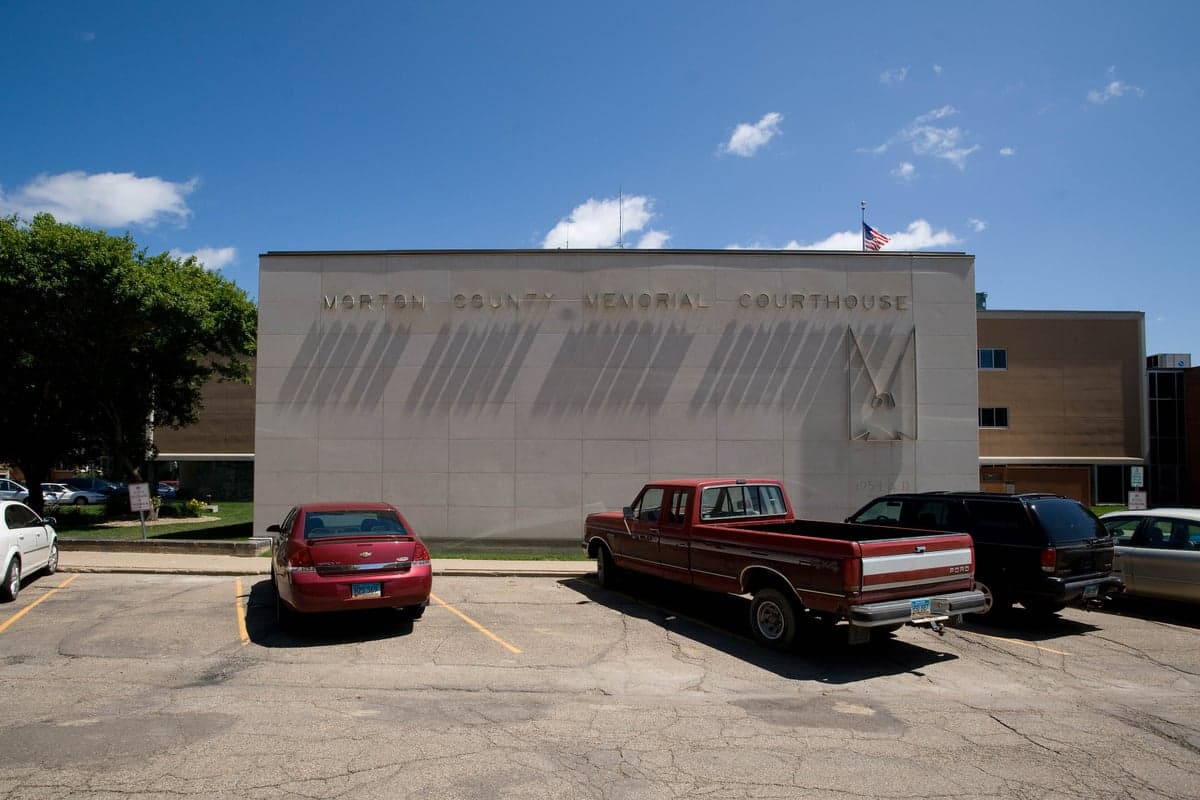
Photo: Wikipedia
Find The Best Places To Live in Morton County
PRO TIP! You can paste a Zillow or Redfin link to get info on that property.
Best Places to Live in Morton County
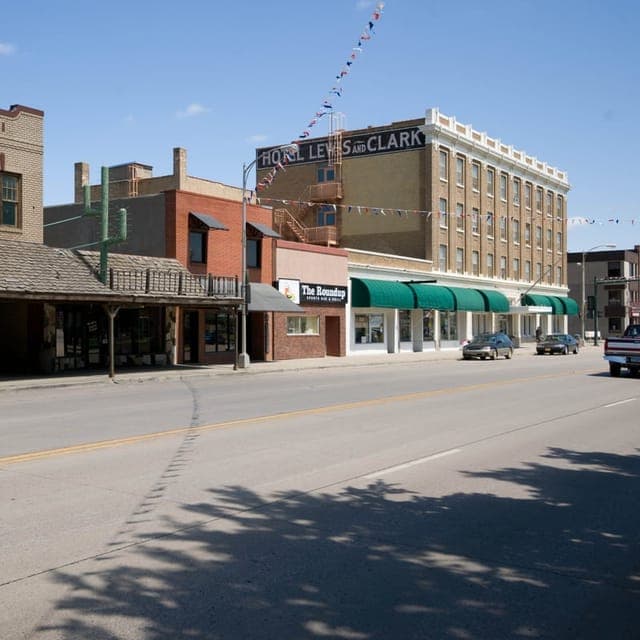
Cities & Towns in Morton County
Cities in Morton County
What It's Like Living in Morton County, ND
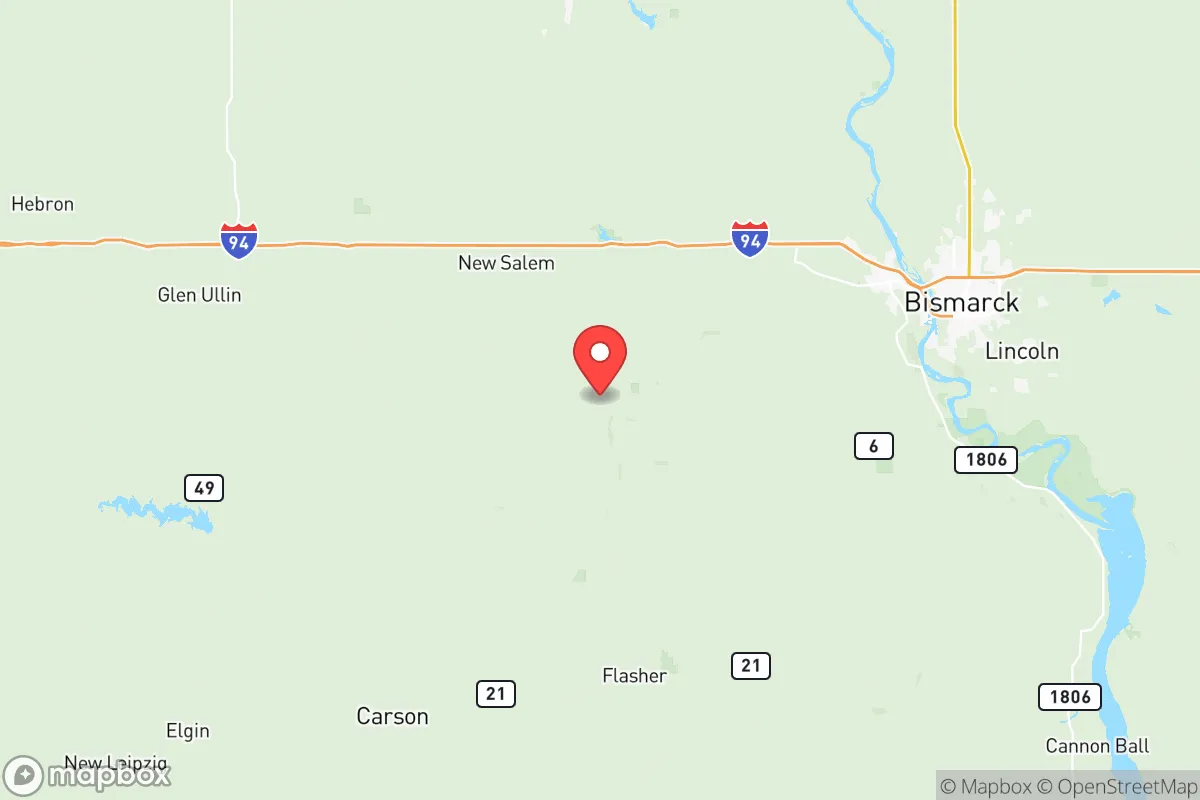
If you're looking at Morton County, North Dakota, you're probably picturing wide-open spaces, a slower pace, and a community where people still wave at each other. That’s the gist of it, but there’s more to the story. Stretching from the Missouri River to the rolling prairie, Morton County is anchored by the city of Mandan, but also includes smaller towns like New Salem, Flasher, Glen Ullin, and Hebron—each with its own character. Living here means adapting to a rhythm set by the seasons, the oil economy, and a strong sense of local pride that can feel both refreshing and, at times, insular.
Daily Rhythm: What Weekends and Weeknights Actually Look Like
For most residents, daily life revolves around work, school, and outdoor time. Mandan is the commercial hub—most people do their grocery shopping at the Mandan Cash Wise or run errands at the big-box stores near the Interstate 94 corridor. In smaller towns like New Salem, you’ll find a single main street with a café, a bar, and maybe a hardware store. The average commute in Morton County is roughly 20 minutes, which feels reasonable even if you live out in the rural sections and drive into Mandan or Bismarck across the river. That short drive is a genuine perk: you can live on a few acres near Hebron and still be in Mandan for a dentist appointment in under half an hour.
Weekends tend to be family- and outdoors-oriented. Hunting and fishing are huge—deer season in November can empty schools and offices as families head to the fields. In the winter, ice fishing on the Missouri River or at Lake Oahe is a regular pastime. Summer weekends often mean a trip to the Mandan Rodeo, a stallion show at the North Dakota State Fairgrounds, or a Friday night at a local sports bar like the Blarney Stone in Mandan, where the crowd is a mix of oil field workers, ranchers, and high school teachers.
Sports & Community: Where Friday Nights Matter
High school sports are the pulse of Morton County. Mandan High School football and basketball games routinely draw hundreds of fans, especially when the Braves are on a winning streak. In smaller towns like Flasher and Glen Ullin, eight-man football is the game, and the whole community packs the stands. This isn’t just about athletics—it’s the social calendar. Parents volunteer to run concession stands, and post-game gatherings at the local VFW or Legion hall are a given. If you’re not into sports, you’ll still end up at these events because that’s where the community connects.
College sports don’t have the same grip here as they do in bigger cities, but Bismarck State College and the University of Mary in Bismarck get local attention. Pro sports? The Minnesota Vikings and North Dakota’s own Fighting Hawks have followings, but it’s not a consuming passion. The real loyalties are to the local teams, the rodeo, and the annual Mandan Rodeo Days in August, which packs in bull riding, a parade, and barbecue that draws people from across the region.
What’s There to Do: Parks, Festivals, and Quiet Evenings
Outdoor recreation is the main draw. Fort Abraham Lincoln State Park, just south of Mandan, offers hiking trails, a reconstructed Mandan village, and the On-A-Slant Village—a piece of Native American history that feels genuine, not kitschy. For a quick escape, the Cross Ranch Nature Preserve north of New Salem offers quiet trails and wildlife watching. But if you’re looking for concerts or nightlife, you’ll need to cross the river to Bismarck, which has a few music venues and a growing craft brewery scene. Morton County itself is quieter—bars in towns like Hebron and Glen Ullin are more for chatting over a beer than for dancing.
The biggest annual event is North Dakota State Fair in Minot, but Morton County residents also turn out for the smaller, local festivals like New Salem’s Potato Day (yes, a festival celebrating the potato) and Glen Ullin’s Oktoberfest, which leans heavily on the area’s German-Russian heritage. These events are small but genuine—think pancake breakfasts, tractor pulls, and high school bands playing covers.
Pros and Cons of Living Here
Let’s be honest about what works and what doesn’t:
- Pro: Affordable living. The cost of living index is 89 (11% below the U.S. average), and the median home value sits at $249,600. That buys you a solid three-bedroom house in Mandan or acreage in Flasher. The median income of $79,483 stretches further here than in most of the country.
- Pro: Short commutes. At roughly 20 minutes on average, you can be home from work in time to cook dinner or take the kids to practice. Traffic jams are unheard of outside of a runaway tractor on the highway.
- Con: Limited entertainment. If you’re used to a city with multiple music venues, late-night restaurants, or any kind of major retail beyond Walmart, you’ll feel it. The nearest airport is in Bismarck, but flights are limited and expensive.
- Con: Winter is real. January averages around 14°F, and blizzards can shut down roads for a day or two. Not a problem if you’re prepared, but a shock to newcomers from warmer climates.
- Con: Crime concern. The violent crime rate of 234.1 per 100,000 is higher than the national average, though much of this is concentrated in Mandan and tied to property crime and drug-related incidents. Rural areas feel safer, but it’s something to keep in mind when choosing a neighborhood.
The bottom line: Morton County suits people who value community, space, and a straightforward life. About 29.3% of adults hold a college degree—lower than the national average, but the workforce is heavy on trades, agriculture, and energy. The median age of 37.7 reflects a mix of young families and older ranchers. If you’re ready to drive to Bismarck for a concert, embrace winter sports, and trade urban chaos for prairie quiet, this is a place where you can put down roots. Just don’t expect anonymity—everyone knows your truck, your dog’s name, and probably your business before you do.

* Values derived from national, state, county, city and local statistics and may differ in a specific area. Last updated: 2026-07-01T01:54:54.000Z
Narrative content on this page is AI-generated and may contain mistakes. Verify any details that matter before acting on them.
ReloMaps may earn a commission from affiliate links at no extra cost to you.

