Quality of Life in Mckenzie County
A livable area that tracks near national norms for affordability, walkability, and neighborhood health.
What does Quality of Life tell us?
Quality of Life measures an area by evaluating factors like cost of living, nearby amenities, country club access, airport proximity, socioeconomic signals and neighborhood character. For large states, this is a general average — quality of life can vary dramatically between metro areas, suburbs, and rural communities within the same state.
What does this tell us?
Quality of Life measures an area by evaluating factors like cost of living, nearby amenities, country club access, airport proximity, socioeconomic signals and neighborhood character. For large states, this is a general average — quality of life can vary dramatically between metro areas, suburbs, and rural communities within the same state.
Cost of Living
10% above national average
87%
The Real Cost of Living in Mckenzie County for 2026
| Tier | Individual | Family (4) |
|---|---|---|
| Survival | $18k | $35k |
| Comfortable | $69k | $102k |
| Luxury | $159k+ | $247k+ |
| Elite (Top 5%) | $219k+ | $339k+ |
Quality-of-Life Analysis
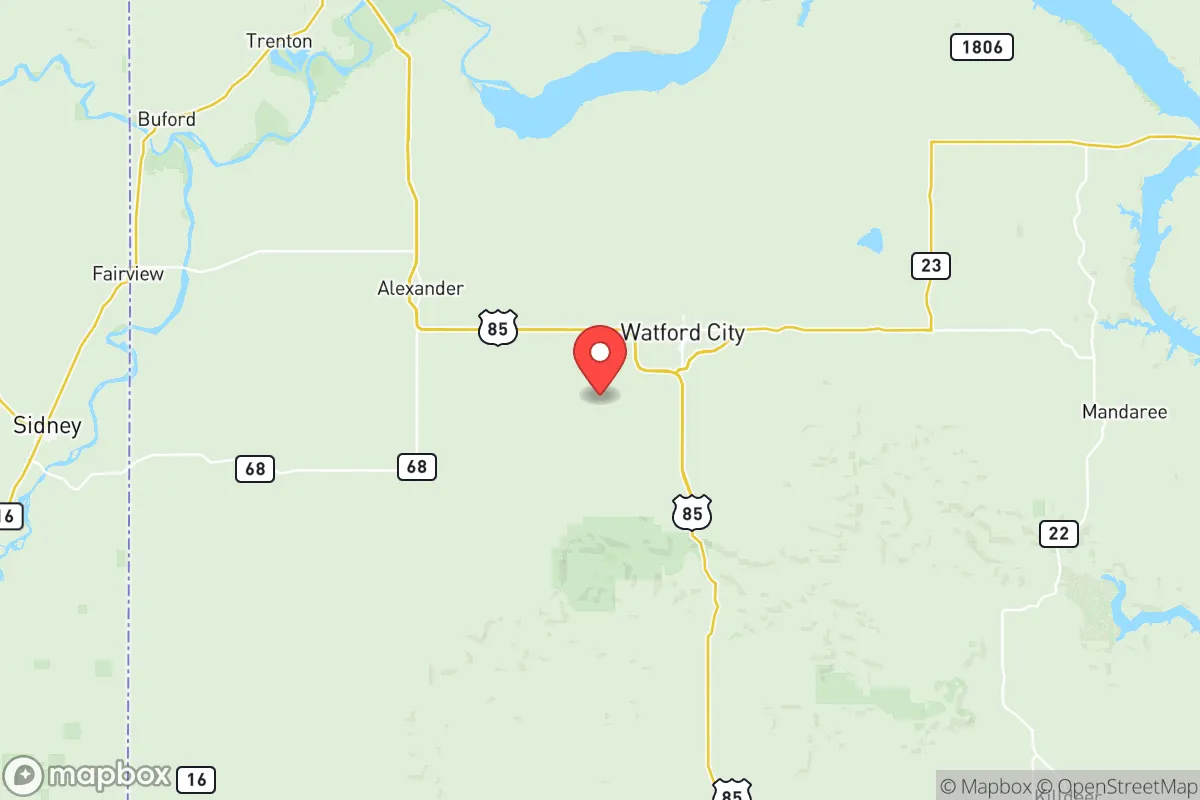
Mckenzie County, North Dakota, offers a quality-of-life spectrum that ranges from the energy-industry hub of Watford City to quiet, unincorporated prairie settlements, drawing both oil-field workers seeking high wages and families or retirees looking for affordable land and solitude. The county's character shifts dramatically across its 2,861 square miles, with the cost of living index at 110 (slightly above the national average) and a median home value of $357,300, reflecting the economic pressures of the Bakken boom. A typical commute across the county averages just over 20 minutes, but that figure masks the difference between a five-minute drive in Watford City and a 40-minute haul from a remote ranch to the nearest grocery store.
Largest town(s) & population centers
Watford City, the county seat and by far the largest population center, is home to roughly 6,000 residents and serves as the commercial and social heart of Mckenzie County. Daily life here revolves around the energy sector, with major employers like Hess Corporation and XTO Energy driving a fast-paced, service-oriented economy. The town offers modern amenities uncommon in western North Dakota, including a well-stocked hospital, multiple grocery chains, and a growing number of sit-down restaurants and hotels catering to transient workers. Housing is tight and expensive relative to the rest of the county, with median rents at $1,153 and home values pushing toward the county median of $357,300. Alexander, a smaller but still incorporated town of about 300 people, sits 20 miles east of Watford City and functions as a bedroom community for workers who want slightly lower housing costs and a quieter pace while still commuting to the county's main job centers.
Smaller towns & rural pockets
Beyond the two incorporated towns, Mckenzie County is dotted with unincorporated communities and wide-open rural areas that offer a fundamentally different lifestyle. Arnegard, a tiny settlement of fewer than 100 people along the Little Missouri River, is popular among hunters and ranchers who value seclusion and direct access to public lands. Keene, even smaller and largely depopulated since the mid-20th century, represents the extreme rural end of the spectrum — a place where residents may drive 30 minutes or more for basic supplies. The county's vast ranchlands, particularly south and west of Watford City toward the Theodore Roosevelt National Park boundary, are home to multigenerational farming families and a handful of off-grid homesteaders. These areas have no municipal services, so residents rely on well water, septic systems, and satellite internet, trading convenience for privacy and low property taxes.
Cost & lifestyle range
The cost of living and available amenities vary sharply across Mckenzie County. At the high end, Watford City has a cost of living index well above the county average of 110, driven by rental demand from oil-field workers; a two-bedroom apartment here can easily exceed $1,400 per month, and home prices have doubled since 2010. At the low end, Arnegard and the rural townships offer significantly cheaper land — raw lots can be found for under $50,000 — but buyers must factor in the cost of drilling a well, installing a septic system, and the long drive to Watford City for groceries or medical care. The lifestyle range is equally broad: Watford City residents enjoy a new recreation center, a public library, and regular community events like the Mckenzie County Fair, while rural residents experience true isolation, with dark skies, abundant wildlife, and minimal noise or light pollution. Alexander sits in the middle, offering a small-town feel with a few local businesses and a K-12 school, but still requiring a commute for most shopping and employment.
The people who thrive in Mckenzie County are those who can tolerate — or actively seek — extremes. Energy workers and their families often prefer the convenience and social opportunities of Watford City, while ranchers, hunters, and retirees with a taste for solitude gravitate toward the unincorporated pockets and river valleys. The county rewards self-reliance: residents in rural areas must manage their own utilities and emergency preparedness, while those in town benefit from a tight-knit community that has grown rapidly but retained a frontier resilience. For anyone considering a move here, the key decision is not whether to live in Mckenzie County, but which Mckenzie County — the bustling hub or the quiet expanse — best fits their tolerance for distance and their appetite for risk.

Crime in Mckenzie County
Generally safer than 65% of comparable U.S. locations.
Violent CrimeViolent Crime Analysis
Property CrimeProperty Crime Analysis
Crime Analysis
Mckenzie County, North Dakota, reports a violent crime rate of 235.4 incidents per 100,000 residents and a property crime rate of 1,471.7 per 100,000, placing it in a moderate safety tier relative to both state and national benchmarks. The county's oil-boom-driven population growth in towns like Watford City, Alexander, and Arnegard has introduced transient housing and economic pressures that influence local crime patterns. While not among the most dangerous counties in the state, the data signals that residents and newcomers should take standard precautions, particularly regarding property security and situational awareness in higher-traffic areas.
Crime in context
Mckenzie County's violent crime rate of 235.4 per 100K is roughly 40% higher than the national average of approximately 168 per 100K, though it remains below the North Dakota state average of around 290 per 100K. Property crime in the county, at 1,471.7 per 100K, sits above the national average of about 1,100 per 100K and significantly exceeds the state average of roughly 1,200 per 100K. These figures reflect the challenges of a rural energy hub: temporary worker camps near Watford City and Alexander contribute to theft and burglary reports, while violent incidents are often concentrated in commercial corridors and bar districts. The Northwest Judicial District, which covers Mckenzie County, has maintained a generally conservative prosecutorial approach, but the influx of short-term residents creates enforcement gaps that repeat offenders can exploit.
What residents experience
Daily life in Mckenzie County varies sharply by location. Watford City, the county seat and largest town, sees the bulk of reported crime, including vehicle break-ins, fuel theft, and occasional assaults tied to the energy industry's transient workforce. Alexander, a smaller oil-field hub, reports similar property-crime issues but at lower frequency. In contrast, Arnegard and Keene are quieter agricultural communities where residents often leave doors unlocked and crime is rare. The county's rural nature means response times from the Mckenzie County Sheriff's Office can exceed 20 minutes in outlying areas, making neighborhood watch and personal security measures more important than in urban settings. Property crime, especially theft from vehicles and construction sites, is the most common concern for families and businesses alike.
Neighborhood-level variation is pronounced but not formally tracked by public data. Real estate agents and local forums consistently describe Watford City's newer subdivisions near the high school as safer than older sections near the downtown core and oil-field service roads. Alexander sees seasonal spikes in property crime during peak drilling months, while Arnegard and Keene report near-zero violent incidents. The county's judicial philosophy, rooted in North Dakota's traditionally conservative rural values, generally prioritizes accountability over leniency, which helps keep recidivism lower than in jurisdictions with progressive district attorneys. However, the sheer volume of transient offenders—many passing through for short-term work—means that even a tough-on-crime approach cannot fully prevent property crimes. For those considering relocation, choosing a home in the quieter western or southern parts of the county, away from Watford City's commercial core, offers the most secure daily experience.
* Values derived from national, state, county, city and local statistics and may differ in a specific area. Last updated: 2026-07-19T14:37:20.000Z
Narrative content on this page is AI-generated and may contain mistakes. Verify any details that matter before acting on them.
ReloMaps may earn a commission from affiliate links at no extra cost to you.

