Find The Best Places To Live in Mckenzie County
PRO TIP! You can paste a Zillow or Redfin link to get info on that property.
Best Places to Live in Mckenzie County
Cities & Towns in Mckenzie County
Cities in Mckenzie County
What It's Like Living in Mckenzie County, ND
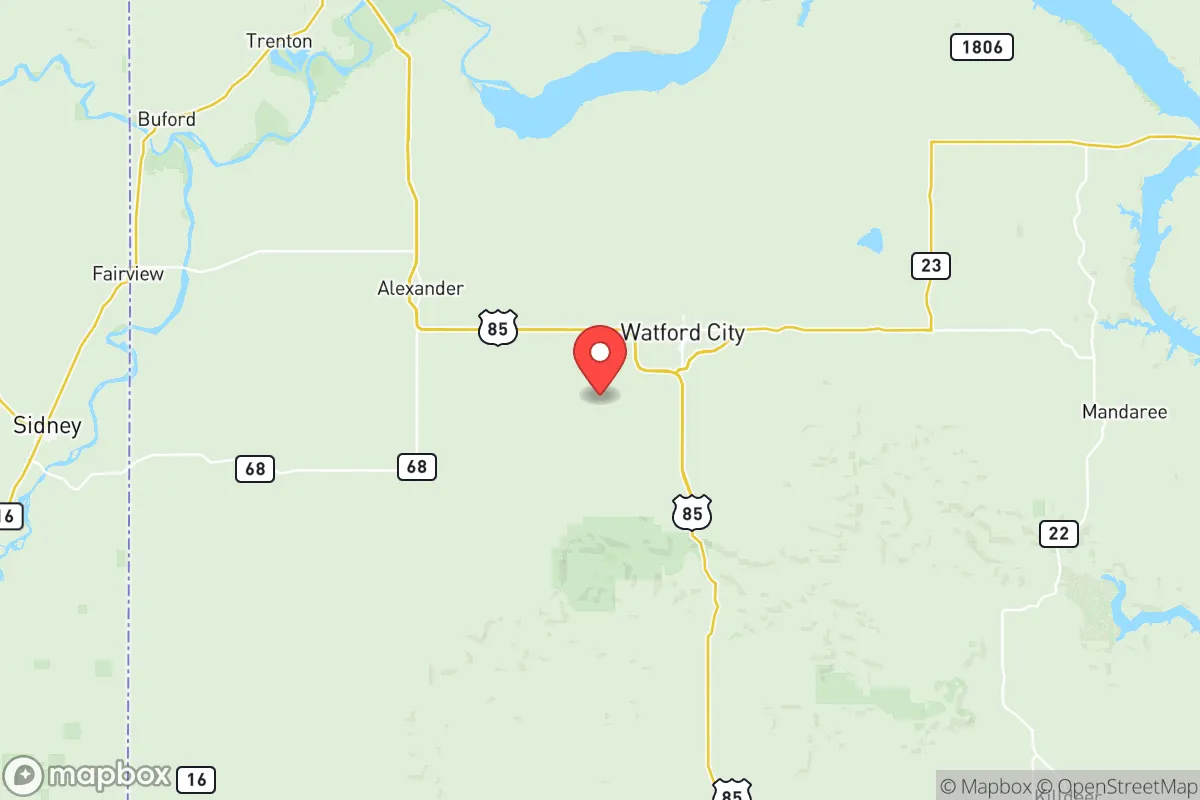
Living in McKenzie County, North Dakota, means trading the suburban sprawl for wide-open horizons and a pace of life dictated by the Bakken oil fields and the Missouri River. The county’s population of 14,280 is spread across a handful of communities—Watford City, Alexander, Arnegard, and the smaller unincorporated spots—where the median age of 31.2 reflects a workforce that’s younger and more transient than the state average. This is a place where a six-figure household income (the median sits at $88,289) is common, but so is a cost of living index of 110, meaning everyday expenses run about 10 percent higher than the national norm.
Daily Rhythm in the Oil Patch
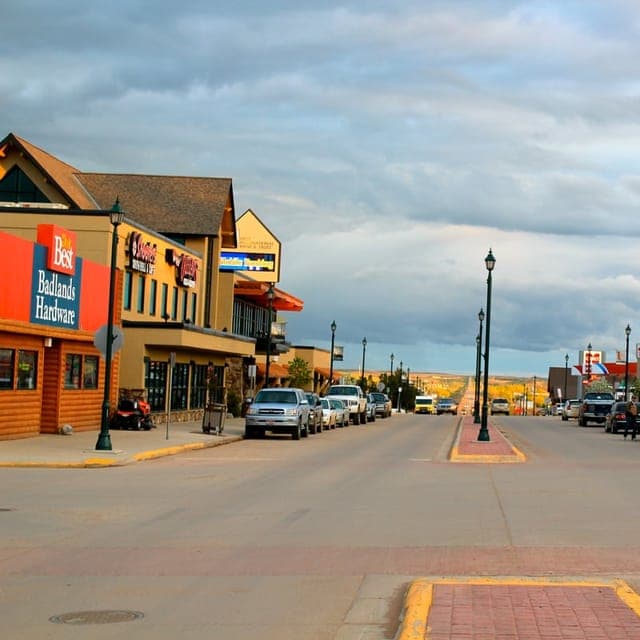
Most mornings in McKenzie County start early. In Watford City, the county seat and largest town, pickup trucks fill the parking lots of coffee shops like The Brew by 6 a.m., and the line at the McKenzie County Healthcare Systems clinic starts forming before the doors open. The average commute here is just over 20 minutes—short by national standards—but that number hides a split reality: oilfield workers might drive 45 minutes to a rig near Alexander, while teachers and retail staff live within a few blocks of their jobs. The work week often runs six days, especially during the warmer months when drilling and construction ramp up. That leaves Sundays for errands, church, or a trip to Lake Sakakawea for fishing and jet skiing.
Weekends in Arnegard or Cartwright are quieter. People here spend their free time on the river, hunting pheasant and deer in the fall, or gathering at a neighbor’s shop for a barbecue. The social scene revolves around high school sports—Watford City High School football games draw crowds that rival some small-college attendance—and local bars like The Oil Can in Watford City, where the jukebox plays a mix of country and classic rock. For groceries and household goods, most residents head to Watford City’s MarketPlace Foods or the Family Dollar, though a significant number still make the 90-minute drive to Williston for big-box shopping at Walmart or Target.
Who Fits In—and Who Doesn’t
McKenzie County attracts a specific kind of person: someone who values high wages over urban amenities, who doesn’t mind the smell of crude in the air, and who can handle a winter that runs from October to April. The median home value of $357,300 is steep for rural North Dakota—driven by the oil boom’s housing shortage—but the median income of $88,289 means a two-income household can still afford a mortgage on a three-bedroom house in Watford City’s newer subdivisions. Families with school-age children find the district responsive; only 22.8 percent of adults hold a college degree, so tradespeople and high-school graduates with a strong work ethic are the norm. Single individuals, especially men in their 20s and 30s working the rigs, dominate the rental market in Alexander and the man camps outside town.
What frustrates longtime residents is the transience. The violent crime rate of 235.4 per 100,000 is higher than the national average—a consequence of the boom-and-bust cycle, with pockets of property crime and bar fights tied to the oilfield workforce. Locals will tell you that the real McKenzie County is the one before the boom: the ranching families who’ve been here for generations, the Fort Berthold Reservation communities just across the river, and the quiet pride in surviving a winter where the wind chill can hit -40°F. Newcomers who stick around for more than two years tend to be the ones who join the volunteer fire department, coach Little League, and learn to appreciate a sky so dark you can see the Milky Way from your backyard.
What’s There to Do—and What’s Missing
Outdoor recreation is the main draw. Lake Sakakawea, the third-largest reservoir in the U.S., offers world-class walleye fishing, and the Maah Daah Hey Trail—a 144-mile singletrack through the badlands—starts just south of the county line. The McKenzie County Fair in Watford City every August is the social event of the year, with rodeo, demolition derby, and 4-H livestock shows. For music, the Watford City Pavilion hosts summer concerts, and the Rough Rider Center—a massive sports complex—brings in regional basketball tournaments and trade shows.
What’s missing is variety. There’s no movie theater in the county (the closest is in Williston), no shopping mall, and no fine-dining restaurant. The best meal in town is a steak at Theodore’s in Watford City or a burger at The Sports Page. For nightlife, you’re limited to a handful of bars, and for culture, the McKenzie County Heritage Museum is a small but earnest effort. The trade-off is that you can own a home with acreage, raise kids who know how to drive a tractor by age 12, and never sit in traffic that lasts more than five minutes. The pros and cons are stark: high income and low housing inventory, strong community and high turnover, stunning landscapes and brutal winters. For the right person, it’s a place where you can build a life that feels both rugged and rewarding.

* Values derived from national, state, county, city and local statistics and may differ in a specific area. Last updated: 2026-07-19T14:37:20.000Z
Narrative content on this page is AI-generated and may contain mistakes. Verify any details that matter before acting on them.
ReloMaps may earn a commission from affiliate links at no extra cost to you.

