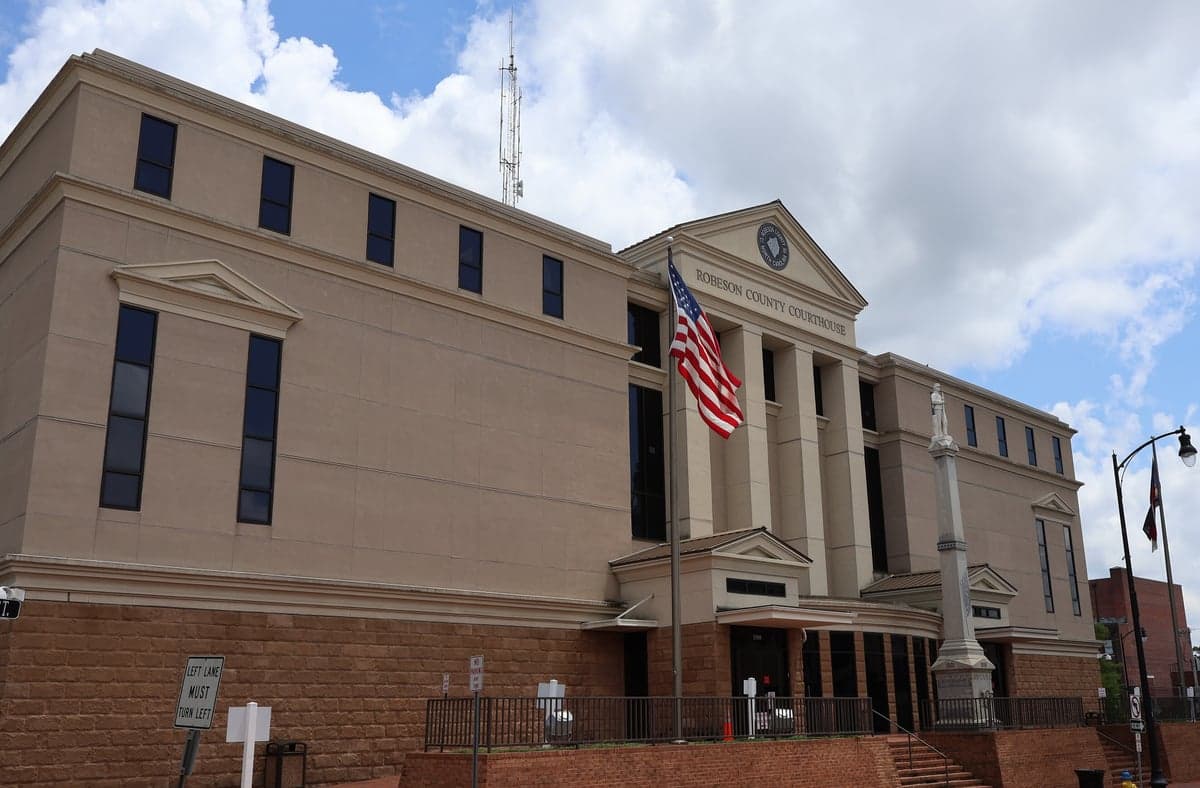
Photo: Wikipedia
Personal Sovereignty in Robeson County
Viable for self-reliance. Generally workable, though some barriers may limit total independence.
What does Personal Sovereignty tell us?
Personal Sovereignty measures your capacity for self-reliance and independence with minimal government friction. Higher scores mean fewer barriers between you and the way you want to live... but it assumes you have the space you need and good neighbors.
What does this tell us?
Personal Sovereignty measures your capacity for self-reliance and independence with minimal government friction. Higher scores mean fewer barriers between you and the way you want to live... but it assumes you have the space you need and good neighbors.
State Policy
Energy independence: Importer (15% of energy produced in-state)
Personal Liberty
Homesteading

Personal Liberty Analysis
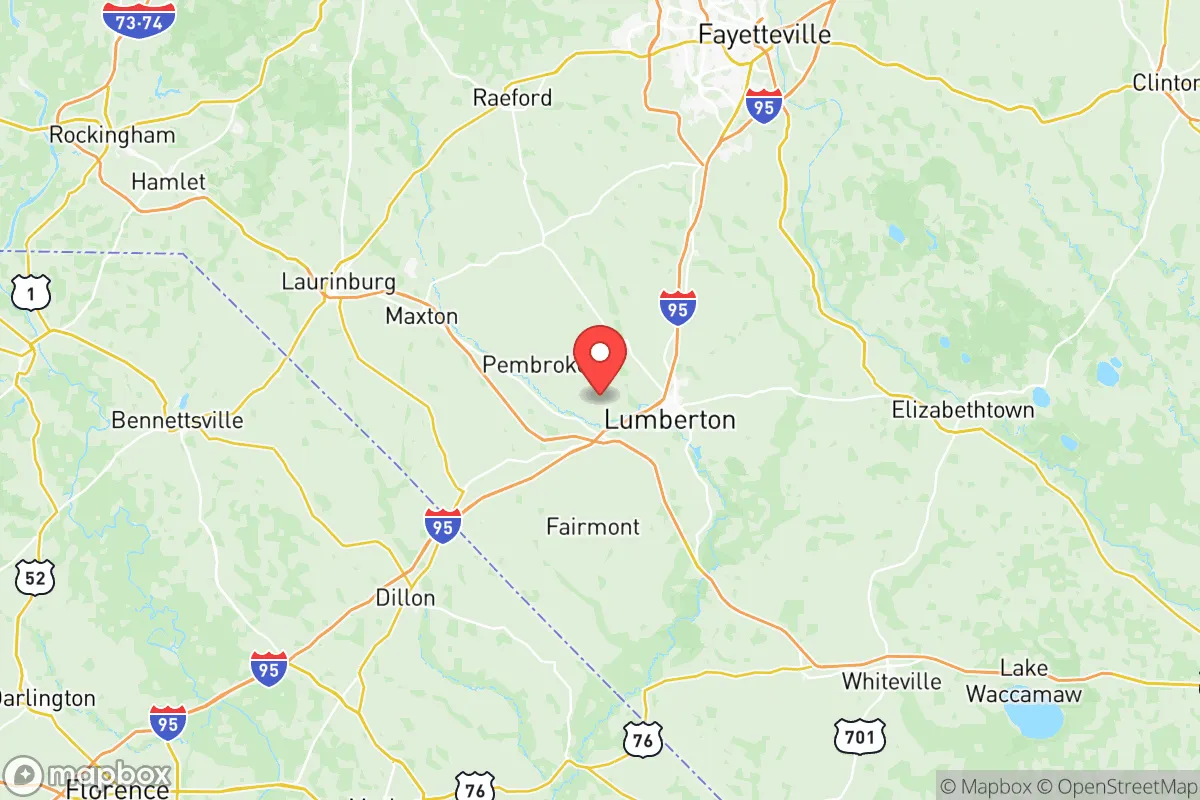
Robeson County, North Carolina, offers a notably high degree of personal sovereignty relative to many urban and suburban areas in the state, driven by a combination of low tax burdens, permissive gun laws, and a regulatory environment that generally favors individual autonomy. Located in the southeastern corner of the state along the South Carolina border, the county's political and cultural ethos leans heavily toward self-reliance, with local governance in towns like Lumberton, Pembroke, and St. Pauls reflecting a hands-off approach to daily life. For a conservative-leaning individual or family prioritizing freedom from government overreach, Robeson County presents a compelling environment where personal choices—from self-defense to homesteading—are largely left to the individual.
Tax burden and regulatory posture in Robeson County
Robeson County's tax burden is among the more favorable in North Carolina for those seeking to keep more of their earnings. The county's property tax rate is approximately $0.72 per $100 of assessed value, which is below the state average and significantly lower than rates in metropolitan areas like Wake County (Raleigh) or Mecklenburg County (Charlotte). There is no county-level income tax, as North Carolina levies a flat state income tax of 4.75% (as of 2025), and the state sales tax is 6.75%, with no additional local option sales tax in Robeson County. This creates a relatively light overall tax environment. The regulatory posture in towns like Lumberton and Pembroke is similarly restrained; zoning ordinances are minimal outside of the main commercial corridors, and there are no countywide building codes for unincorporated areas, meaning a landowner in rural stretches near Fairmont or Maxton can build a shed, workshop, or small dwelling without the permitting hurdles common in more regulated jurisdictions. Business licensing requirements are straightforward, and the county's economic development office actively courts small-scale entrepreneurs with minimal red tape.
Self-defense and gun law specifics in Robeson County
North Carolina is a "shall-issue" state for concealed carry permits, and Robeson County's sheriff's office processes permits efficiently, with no local ordinances that restrict the carrying of firearms beyond state law. The county is home to a strong gun culture, with multiple shooting ranges and gun shops in Lumberton and St. Pauls. Open carry is legal without a permit for anyone who can legally possess a firearm, and the state's Stand Your Ground law applies fully in Robeson County, meaning there is no duty to retreat before using deadly force in self-defense. Castle Doctrine protections extend to vehicles and occupied structures. For those living in more rural parts of the county, such as Proctorville or Orrum, discharging a firearm on private property is generally unrestricted, provided it is done safely and not within city limits where local noise ordinances may apply. The sheriff's department has publicly stated its support for the Second Amendment, and there are no local "red flag" laws or additional storage requirements beyond state mandates.
Self-reliance and homesteading viability in Robeson County
Robeson County is one of the more viable areas in North Carolina for homesteading and off-grid living, thanks to its rural character and permissive land-use policies. Minimum lot sizes in unincorporated areas are typically 1 acre for a single-family dwelling, though many parcels in the county's eastern and southern reaches near Fairmont and Orrum are available in 5- to 20-acre tracts. Zoning is minimal: there are no countywide restrictions on keeping livestock, chickens, or bees, and no prohibitions on rainwater collection or composting toilets. Off-grid solar installations are legal and common, with the county's building inspection department only requiring permits for grid-tied systems. The Lumber River, which runs through the county, provides a reliable water source for those with riparian rights, and well water is the norm for rural properties. The county's agricultural extension office offers resources for small-scale farming, and the local farmers' markets in Lumberton and Pembroke support direct-to-consumer sales. For those seeking to minimize reliance on municipal utilities, Robeson County's regulatory posture is among the most accommodating in the state.
Personal liberties in Robeson County: parental rights, medical autonomy, and property
Parental rights are broadly respected in Robeson County, with the local school system in Lumberton and the smaller districts in Pembroke and St. Pauls generally deferring to parents on matters of curriculum and medical decisions. North Carolina law requires parental consent for minors to receive most medical treatments, and the county's health department does not offer services that bypass parental authority. Homeschooling is a popular option, with the county's low population density making it easy to find affordable housing with space for a dedicated schoolroom. Medical autonomy is similarly protected: the state does not mandate COVID-19 or other vaccines for adults, and there are no county-level health orders that restrict personal medical choices. Property rights are strongly upheld, with the county's tax assessor's office maintaining transparent records and no local ordinances that restrict the use of land for personal gardens, workshops, or small-scale commercial activities. The county's political leadership, including the Board of Commissioners, has consistently opposed federal overreach and supports local control over land use and health decisions.
Overall, Robeson County stands out as a high-sovereignty area within North Carolina, offering a level of personal freedom that is increasingly rare in the state's growing urban centers. Compared to the regulatory density of the Research Triangle or Charlotte metro, Robeson County's light-touch governance, low taxes, and permissive gun laws create an environment where individuals and families can live largely on their own terms. For those willing to accept the trade-offs of a rural setting—fewer amenities, longer drives to major cities, and a slower pace of life—the county provides a solid foundation for self-reliance and personal autonomy.

* Values derived from national, state, county, city and local statistics and may differ in a specific area. Last updated: 2026-07-21T18:06:10.000Z
Narrative content on this page is AI-generated and may contain mistakes. Verify any details that matter before acting on them.
ReloMaps may earn a commission from affiliate links at no extra cost to you.

