Photo: Wikipedia
Find The Best Places To Live in New Hanover County
PRO TIP! You can paste a Zillow or Redfin link to get info on that property.
Best Places to Live in New Hanover County
Cities & Towns in New Hanover County
Cities in New Hanover County
What It's Like Living in New Hanover County, NC
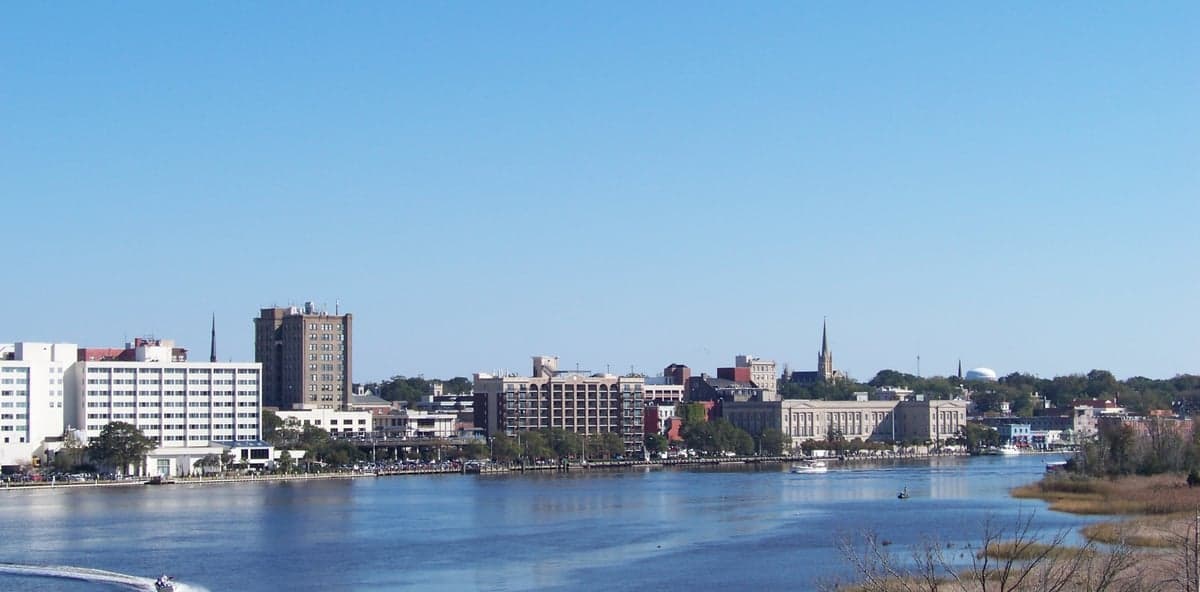
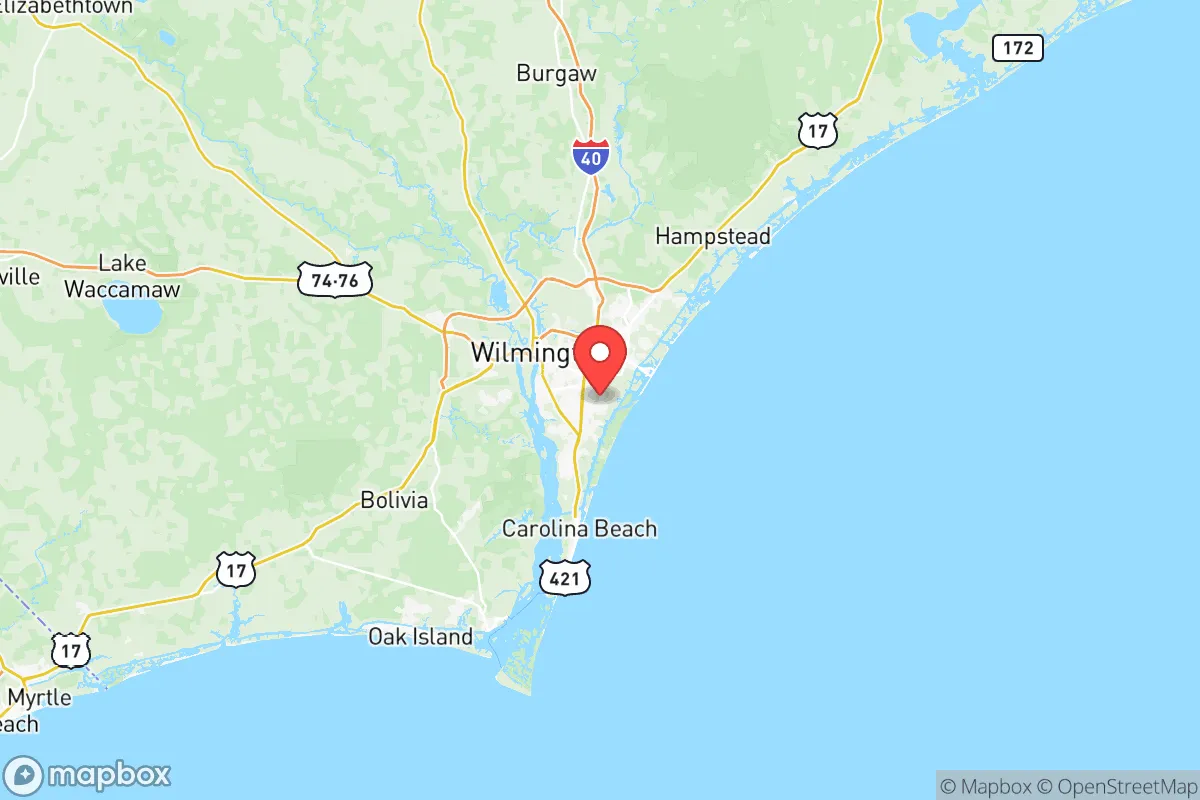
Living in New Hanover County means trading the frantic pace of a major metro for a life where the beach, the river, and the historic downtowns of Wilmington, Carolina Beach, and Wrightsville Beach set the rhythm. It’s a place where you’re as likely to spend a Saturday morning surfing as you are grabbing brunch at a spot in the Cargo District, and where the biggest local debate might be about the best place for a sunset view. With a population just over 231,000, the county offers a mix of coastal living, college-town energy, and a growing suburban feel that attracts everyone from young professionals to families looking for a slower, sunnier pace.
The Daily Rhythm: Beach Town Meets Southern City
For most residents, daily life in New Hanover County revolves around the water and the weather. The average commute is a manageable 20.5 minutes, which means you can actually live in a place like Leland or Castle Hayne and still get to work in downtown Wilmington without the soul-crushing traffic of a larger city. People here shop at the local Harris Teeter or Lowes Foods, and weekends often involve a trip to the Wilmington Riverwalk for a stroll, a visit to the Carolina Beach Boardwalk for a classic ice cream cone, or a kayak paddle through the marshes around Wrightsville Beach. The median age of 40.1 suggests a community that’s established but not elderly, with a strong presence of families and professionals who value work-life balance. The cost of living index sits at 119, above the national average, which is a trade-off many accept for the coastal lifestyle.
Sports, Community, and Where the Locals Hang Out
Sports culture here is a unique blend of college fandom and minor league fun. The UNC Wilmington Seahawks basketball games at Trask Coliseum draw a loyal crowd, and the Wilmington Sharks of the Coastal Plain League provide affordable summer baseball. High school football is a genuine community event, especially in places like Hoggard High School or New Hanover High School, where Friday nights in the fall are a social staple. For entertainment, the Live Oak Bank Pavilion on the riverfront brings in national touring acts, while the Cucalorus Film Festival showcases independent cinema. The local food scene is anchored by spots like PinPoint Restaurant for upscale Southern fare and Florence’s Restaurant for no-frills soul food. The Battleship North Carolina is a major landmark, a WWII-era vessel that serves as a museum and a backdrop for community events.
What It Costs and Who Fits In
The median home value in New Hanover County is $353,700, which is a significant jump from inland North Carolina but still less than many coastal markets in Florida or California. The median household income of $72,892 suggests that many residents are dual-income families or professionals in healthcare, education, or the growing film industry. The kind of person who thrives here is someone who values outdoor recreation over nightlife, who doesn’t mind the humidity of July and August, and who appreciates a slower, more deliberate pace of life. It’s a place that leans slightly conservative politically, especially in the more rural areas like Rocky Point and Currie, though Wilmington itself has a more mixed, college-town vibe. The violent crime rate of 310.5 per 100,000 is higher than the national average, and this is a real concern for families, particularly in certain parts of the city, though most residents feel safe in their neighborhoods and stick to well-trafficked areas.
Pros and Cons of Coastal Living
- What residents love: The easy access to beaches, the mild winters, the strong sense of community in smaller towns like Kure Beach, and the fact that you can be on the water within 15 minutes from almost anywhere in the county. The schools, particularly in the Wilmington area, are a major draw for families, with many rated highly by state standards.
- What frustrates locals: The summer tourist traffic, especially on weekends when visitors flood Wrightsville Beach and Carolina Beach, can make simple errands a chore. The cost of living, driven by housing, is a growing pain point for younger residents and service workers. Hurricanes and the associated flooding are an annual concern, and the humidity from June through September is relentless.
Living here means accepting that the beach is the center of gravity, and that the pace of life is dictated by the tides more than the clock. It’s a place where you can have a professional career and still feel like you’re on vacation, but it also requires a tolerance for seasonal crowds and a higher cost of living. For the right person—someone who values community, the outdoors, and a slower rhythm—New Hanover County offers a quality of life that’s hard to replicate anywhere else.

* Values derived from national, state, county, city and local statistics and may differ in a specific area. Last updated: 2026-07-02T17:24:37.000Z
Narrative content on this page is AI-generated and may contain mistakes. Verify any details that matter before acting on them.
ReloMaps may earn a commission from affiliate links at no extra cost to you.

