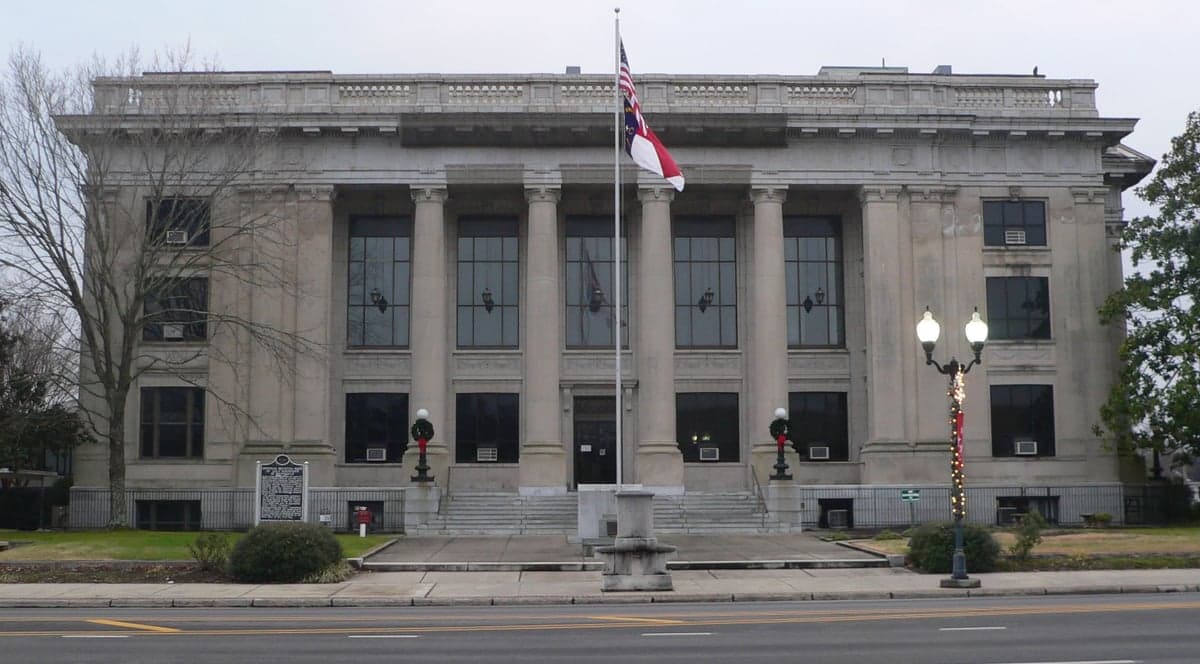
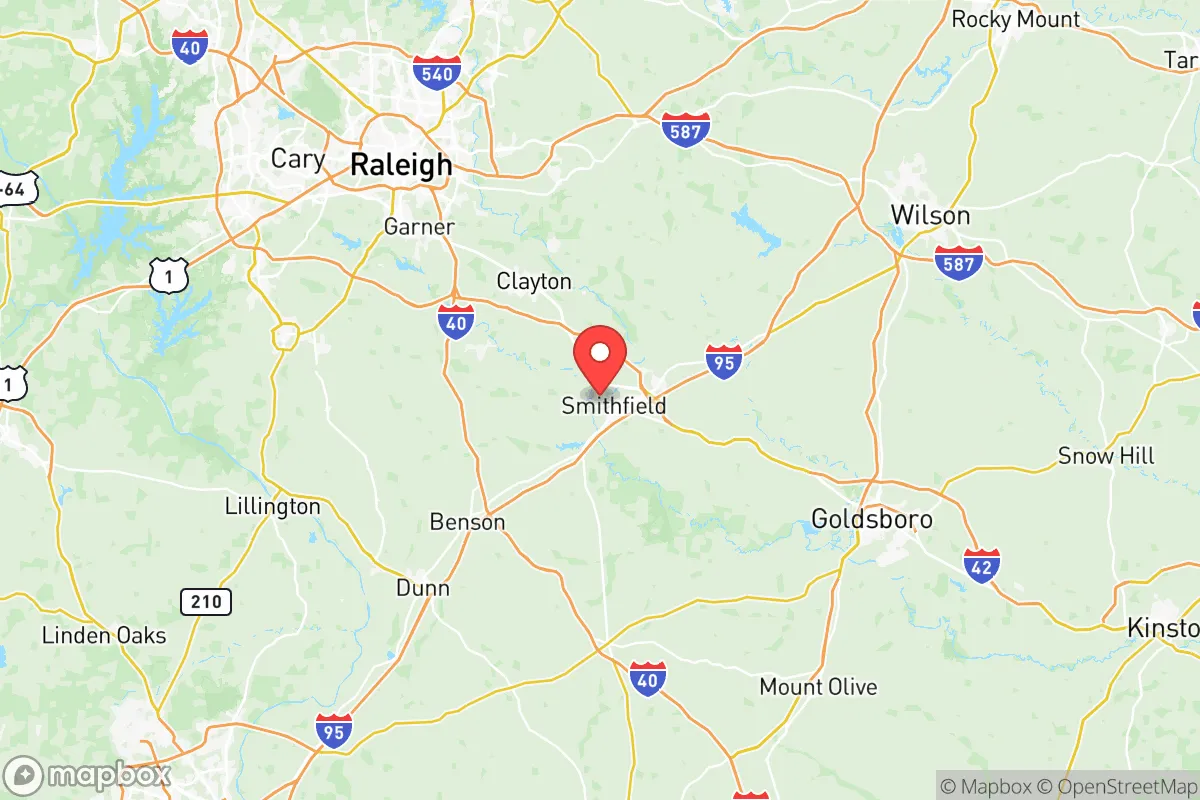
Photo: Wikipedia
Find The Best Places To Live in Johnston County
PRO TIP! You can paste a Zillow or Redfin link to get info on that property.
Best Places to Live in Johnston County
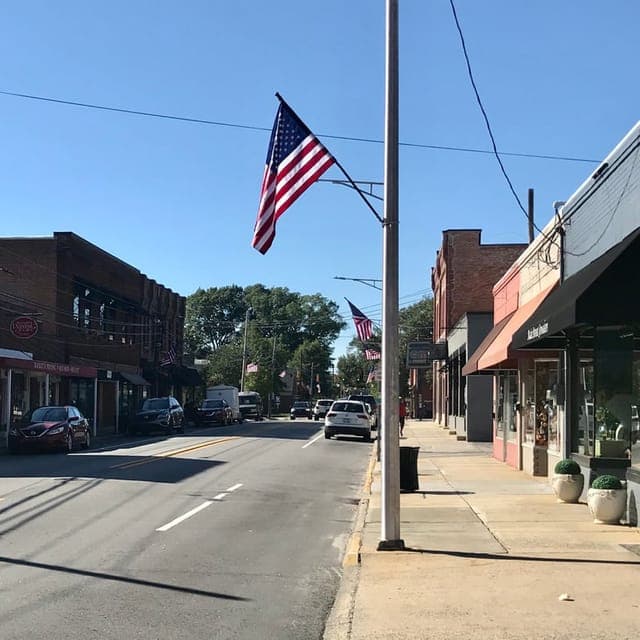
Cities & Towns in Johnston County
Cities in Johnston County
What It's Like Living in Johnston County, NC
Living in Johnston County, North Carolina, feels a lot like being part of a sprawling, close-knit family reunion that’s constantly growing. It’s a place where the line between rural quiet and suburban convenience blurs, anchored by towns like Smithfield, Clayton, Selma, and Benson. You’ll find folks who’ve farmed the same land for generations living next to young families who moved from Raleigh for a bigger yard and a lower mortgage. The county’s identity is rooted in agriculture—tobacco, sweet potatoes, and soybeans—but it’s rapidly becoming a bedroom community for the Triangle, with all the growing pains and opportunities that brings.
The Daily Rhythm: Commutes, Schools, and Weekend Errands
For most people here, the day starts early. The average commute clocks in at just over 32 minutes, a number that feels real when you’re sitting on I-40 or US 70 heading west toward Raleigh or Cary. Many residents work in the Triangle’s tech, healthcare, or education sectors, but they choose Johnston County for the space and the slower pace. After work, you’ll see families grabbing dinner at The Clayton Steakhouse or a quick bite at Smithfield’s Chicken ‘N Bar-B-Q (a local institution). Weekends often revolve around youth sports—soccer and baseball fields are packed—or a trip to the Johnston County Farmers Market in Smithfield for fresh produce and local honey. The schools are a major draw; the county’s public system is a central hub for community events, from fall festivals to PTA fundraisers, and it’s common to see neighbors chatting in the parking lot after a Friday night football game at Clayton High School or South Johnston High School.
Sports, Festivals, and the Local Hangouts
High school sports are a genuine big deal here. Friday nights in the fall see entire towns turn out for football, with the Clayton Comets and Smithfield-Selma Spartans drawing passionate crowds. It’s not just about the game—it’s the social event of the week. Beyond the gridiron, the county’s biggest annual bash is the Benson Mule Days in late September, a four-day festival that celebrates the county’s agricultural roots with a parade, rodeo, and enough fried food to feed an army. For a quieter weekend, locals head to Clemmons Educational State Forest near Clayton for hiking and picnicking, or to the Neuse River Trail for a long bike ride. In Smithfield, the Ava Gardner Museum is a quirky but beloved tribute to the Hollywood star who grew up there. For nightlife, you’re looking at a handful of solid spots: Double Barley Brewing in Clayton is a favorite for craft beer, and The Ruddy Duck in Selma offers live music and a relaxed vibe. If you want a big concert or a club scene, you’re driving 30-40 minutes into Raleigh.
Who Fits In—and Who Might Struggle
Johnston County is a natural fit for families and individuals who value space, community, and a slower tempo. The median age is 38.3, and the median household income sits at $79,838, which goes a long way here thanks to a cost of living index of 90 (10% below the national average). That means a family can afford a median home value of $267,600—a price that would get you a cramped townhouse in Raleigh. The kind of person who thrives here is someone who doesn’t mind a 30-minute drive to a Target or a specialty store, and who values knowing their neighbors over having a dozen restaurant options on the same block. It’s also a place where 27.6% of adults hold a college degree, so while it’s not a highly educated enclave, there’s a solid professional class mixed in with tradespeople and farmers. The cultural vibe is distinctly conservative-leaning, with a strong sense of self-reliance and a “live and let live” attitude. If you’re looking for a walkable urban lifestyle or a vibrant arts scene, you’ll likely feel frustrated. But if you want a safe, affordable place to raise kids or just breathe, it’s hard to beat.
Pros and Cons: The Honest Trade-Offs
Longtime residents love the affordability and the sense of safety—the violent crime rate of 310.5 per 100,000 is slightly above the national average but feels concentrated in specific areas, and most neighborhoods are quiet. They also appreciate the central location: you’re 30 minutes from Raleigh-Durham International Airport, an hour from the beaches of the Crystal Coast, and two hours from the mountains. The frustrations are real, though. Traffic is the number one complaint, especially on the main arteries like US 70 and I-40, which are clogged during rush hour. Retail and dining options are limited compared to the city; you’ll find plenty of chain restaurants and grocery stores, but fewer independent shops or fine-dining spots. And the weather—hot, humid summers with frequent thunderstorms, and mild winters that occasionally throw an ice storm—means you’ll spend a lot of time indoors in July and August. Still, for the price of a home and the quality of the schools, most people here feel they’ve made a smart trade.

* Values derived from national, state, county, city and local statistics and may differ in a specific area. Last updated: 2026-07-12T15:56:22.000Z
Narrative content on this page is AI-generated and may contain mistakes. Verify any details that matter before acting on them.
ReloMaps may earn a commission from affiliate links at no extra cost to you.

