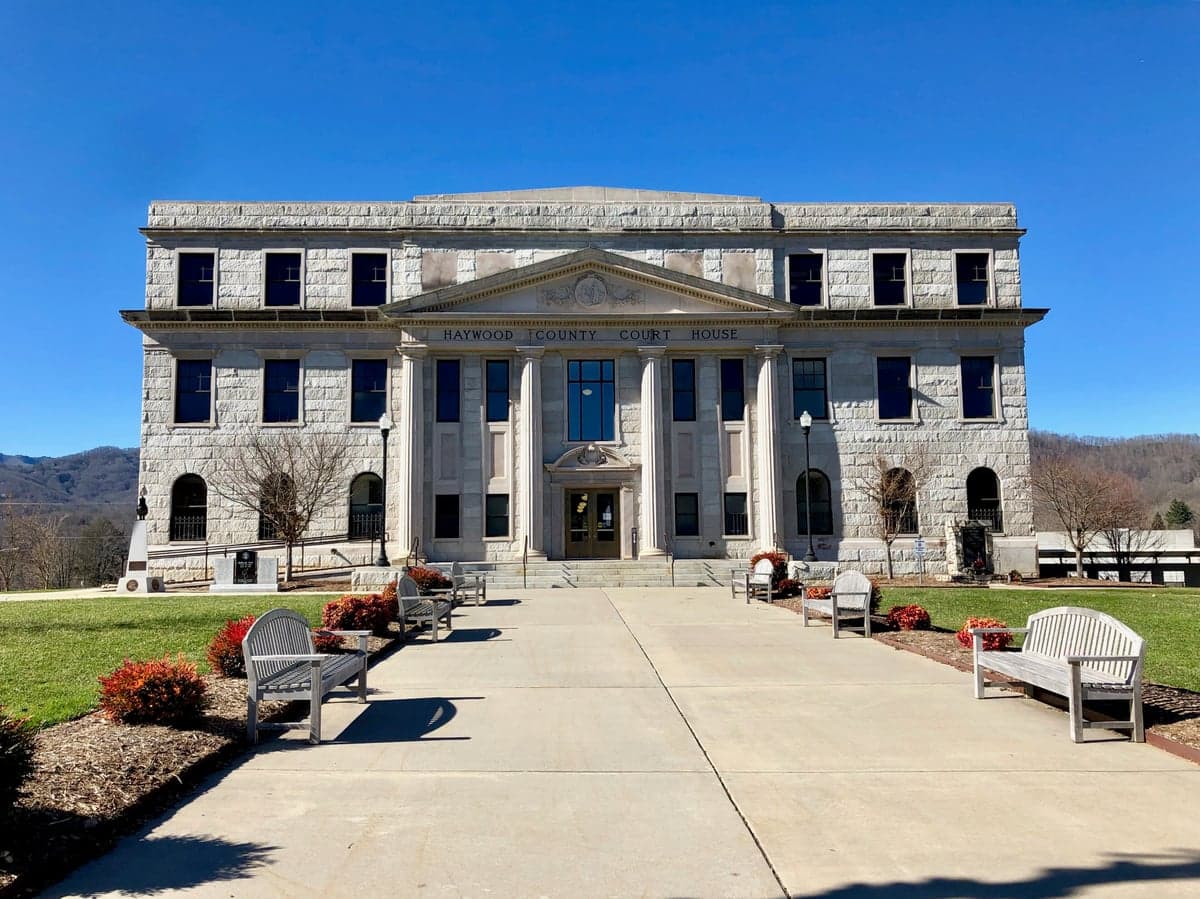
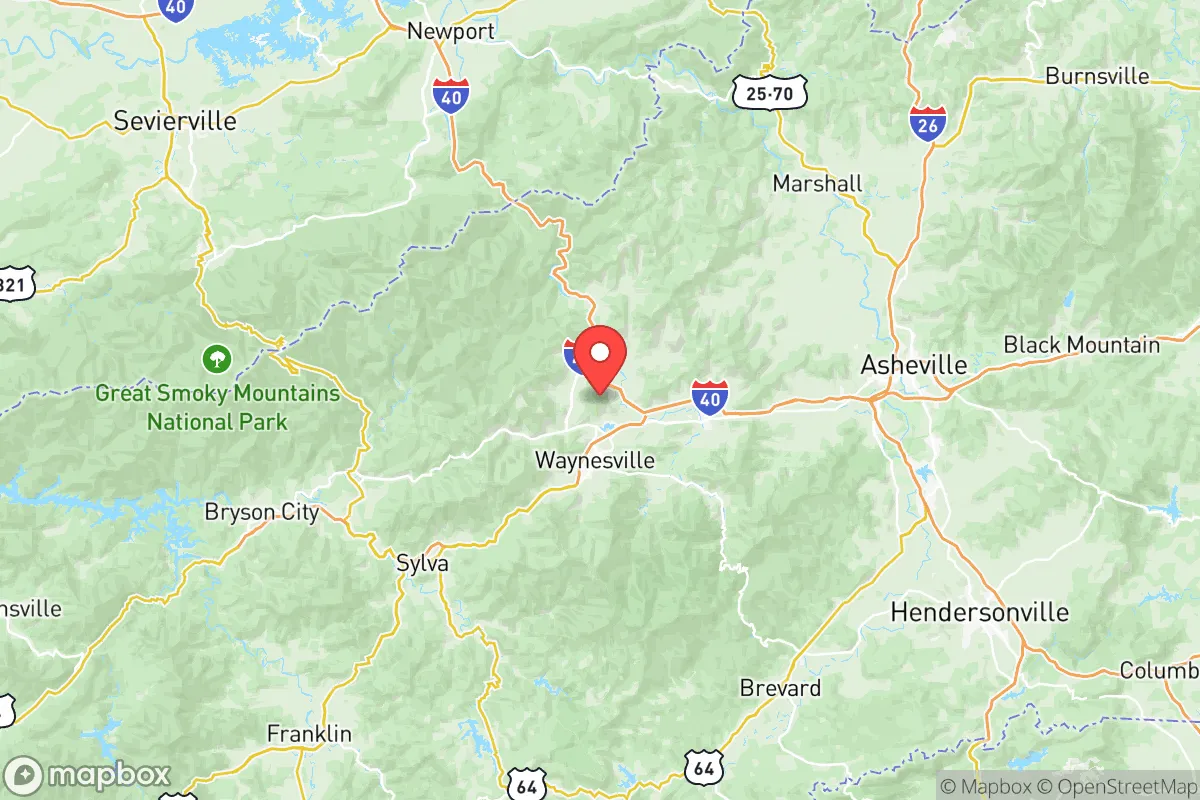
Photo: Wikipedia
Quality of Life in Haywood County
A livable area that tracks near national norms for affordability, walkability, and neighborhood health.
What does Quality of Life tell us?
Quality of Life measures an area by evaluating factors like cost of living, nearby amenities, country club access, airport proximity, socioeconomic signals and neighborhood character. For large states, this is a general average — quality of life can vary dramatically between metro areas, suburbs, and rural communities within the same state.
What does this tell us?
Quality of Life measures an area by evaluating factors like cost of living, nearby amenities, country club access, airport proximity, socioeconomic signals and neighborhood character. For large states, this is a general average — quality of life can vary dramatically between metro areas, suburbs, and rural communities within the same state.
Cost of Living
10% below national average
84%
The Real Cost of Living in Haywood County for 2026
| Tier | Individual | Family (4) |
|---|---|---|
| Survival | $17k | $32k |
| Comfortable | $50k | $73k |
| Luxury | $101k+ | $156k+ |
| Elite (Top 5%) | $118k+ | $184k+ |
Quality-of-Life Analysis
Haywood County, North Carolina, offers a broad spectrum of living environments, from the walkable, tourist-infused streets of its county seat to deeply rural hollows and mountain hamlets. The county’s character shifts dramatically depending on elevation and proximity to the Great Smoky Mountains National Park, attracting a mix of outdoor enthusiasts, remote workers, retirees, and long-term agricultural families. With a cost of living index of 90 (10 points below the national average) and a median home value of $254,900, the county provides a more affordable entry point to the Blue Ridge region than neighboring Buncombe County (Asheville), while still offering diverse lifestyle options.
Largest town(s) & population centers
Waynesville is the county’s commercial and cultural hub, home to roughly 10,000 residents and the majority of the county’s retail, dining, and healthcare services. Daily life here centers around Main Street’s historic district, which features independent bookstores, breweries, and seasonal farmers’ markets. The town has a noticeable tourism economy, but it also serves as the primary employment node for the county, anchored by the Haywood Regional Medical Center and the county government offices. Canton, about 10 miles east, is a smaller mill town (population ~4,500) with a grittier, working-class feel. Its economy has historically revolved around the Pactiv Evergreen paper mill, though the mill’s recent closure has shifted the town’s focus toward redevelopment and outdoor recreation along the Pigeon River. Canton offers lower home prices than Waynesville — often 15–20% below the county median — and a quieter, less tourist-oriented pace of life. The average commute across the county is a manageable 23 minutes, making it feasible to live in Canton and work in Waynesville or even Asheville (a 30-minute drive east).
Smaller towns & rural pockets
Beyond the two main towns, Haywood County is dotted with unincorporated communities that each carry a distinct identity. Maggie Valley is a tourism-dependent village at the entrance to the Great Smoky Mountains National Park, dominated by motels, mini-golf, and the Ghost Town in the Sky theme park. Year-round residents here are outnumbered by seasonal visitors, and housing stock leans heavily toward vacation rentals and second homes. Lake Junaluska, just east of Waynesville, is a planned religious assembly and conference community centered on a 200-acre lake. It has a tight-knit, quiet atmosphere with walking trails and a golf course, attracting retirees and faith-based groups. Clyde, a small town of about 1,400, sits between Waynesville and Canton and functions largely as a bedroom community, with limited commercial services but easy access to both larger towns. In the more remote western end of the county, Fines Creek and Bethel are sparsely populated rural pockets where residents live on multi-acre parcels, often with long gravel driveways and limited broadband access. These areas appeal to those seeking true seclusion and self-sufficiency, but they require a tolerance for winter road conditions and a 30–40 minute drive to the nearest grocery store.
Cost & lifestyle range
The cost of living and amenity density vary widely across the county. At the higher end, Waynesville’s historic district and the Lake Junaluska lakefront command median home values above $350,000, with some properties exceeding $500,000. These areas offer walkability, cultural events, and proximity to medical facilities, appealing to retirees and affluent remote workers. At the lower end, Canton and the rural Fines Creek area have median home values closer to $180,000–$200,000, and median rent in the county sits at $1,052 — well below the national average. Renters in Canton or Clyde can find two-bedroom apartments for under $900, while similar units in Waynesville typically run $1,100–$1,300. The trade-off is clear: lower-cost areas have fewer restaurants, no walkable downtowns, and longer drives for groceries or healthcare. The county’s overall COL index of 90 masks this internal spread; a retiree buying in Lake Junaluska will face a cost of living near the national average, while a family renting in Canton will experience a significantly lower burden.
The people who thrive in Haywood County are those who value mountain scenery and outdoor recreation — hiking, fishing, skiing at Cataloochee — and are comfortable with a slower pace of life. The county works well for remote workers who need reliable internet (available in Waynesville, Canton, and Lake Junaluska, but spotty in Fines Creek and Bethel), for retirees seeking a lower-cost alternative to Asheville, and for families who want a small-town school system (Haywood County Schools consistently ranks above state averages). It is less suited to those who require urban amenities, late-night dining, or a diverse job market outside of healthcare, tourism, and education. The spectrum from Waynesville’s walkable downtown to Fines Creek’s off-grid homesteads means most buyers can find a niche, provided they are clear on how much isolation or convenience they are willing to trade.

Crime in Haywood County
Crime rates similar to the national median for U.S. locations.
Violent CrimeViolent Crime Analysis
Property CrimeProperty Crime Analysis
Crime Analysis
Haywood County, North Carolina, presents a mixed safety profile that is generally better than national averages but requires attention in specific areas. With a violent crime rate of 325.1 per 100,000 residents and a property crime rate of 1,765.6 per 100,000, the county offers a relatively secure environment compared to larger urban centers, though residents in towns like Waynesville and Canton should remain vigilant. The county's location in the western part of the state, away from the progressive judicial influences of larger metro areas, contributes to a more traditional law-and-order approach that many residents find reassuring.
Crime in context
Haywood County's violent crime rate of 325.1 per 100,000 is 12% lower than the national average of approximately 370 per 100,000, and roughly in line with North Carolina's statewide rate of 340 per 100,000. Property crime, at 1,765.6 per 100,000, is 15% below the national average of 2,100 per 100,000 and slightly under the state average of 1,800 per 100,000. These figures place Haywood County in a favorable position compared to nearby Buncombe County (home to Asheville), where violent crime rates exceed 500 per 100,000—a disparity often linked to Asheville's more progressive district attorney policies that critics argue prioritize offender rehabilitation over public safety. In contrast, Haywood County's 43rd Prosecutorial District, which includes the county, maintains a more conservative judicial philosophy, resulting in higher conviction rates and longer sentences for violent offenders.
What residents experience
For daily life, the most common safety concerns in Haywood County are property-related. Waynesville, the county seat and largest town, sees the bulk of reported incidents, including vehicle break-ins and theft from unlocked homes, particularly near the downtown commercial corridor and along Russ Avenue. Canton, a smaller mill town, experiences lower overall crime but has periodic issues with drug-related property crimes, especially in neighborhoods near the former paper mill site. Maggie Valley, a tourist destination, sees seasonal spikes in theft from vehicles and vacation rentals, though violent crime remains rare. Lake Junaluska and Clyde are consistently cited as the safest areas, with minimal police calls and strong neighborhood watch programs. The county's sheriff's office and local police departments emphasize community policing, and response times in rural areas average 12-15 minutes, faster than many rural counties in western North Carolina.
Neighborhood-level variation is significant. The unincorporated communities of Bethel and Fines Creek report virtually no violent crime, with property crime rates below 500 per 100,000. In contrast, the more densely populated areas of Waynesville near the hospital and along Dellwood Road see property crime rates approaching 2,500 per 100,000. Residents in these areas are advised to secure vehicles and homes, as opportunistic theft is the primary risk. The county's conservative judicial approach means that repeat offenders face stricter penalties, contributing to a recidivism rate that is 8% below the state average. For families and retirees considering relocation, Haywood County offers a generally safe environment, particularly in its rural and small-town settings, where community cohesion and proactive law enforcement keep crime in check.
* Values derived from national, state, county, city and local statistics and may differ in a specific area. Last updated: 2026-10-27T22:13:33.000Z
Narrative content on this page is AI-generated and may contain mistakes. Verify any details that matter before acting on them.
ReloMaps may earn a commission from affiliate links at no extra cost to you.

