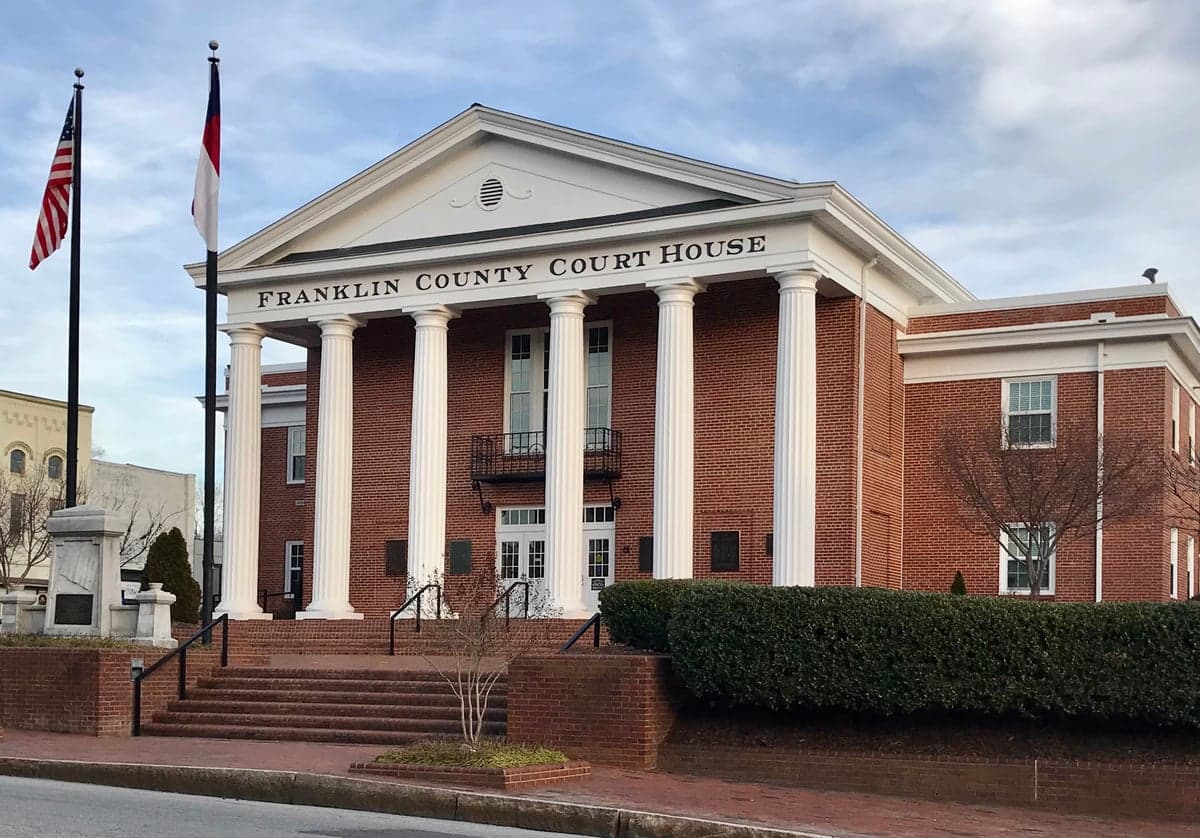
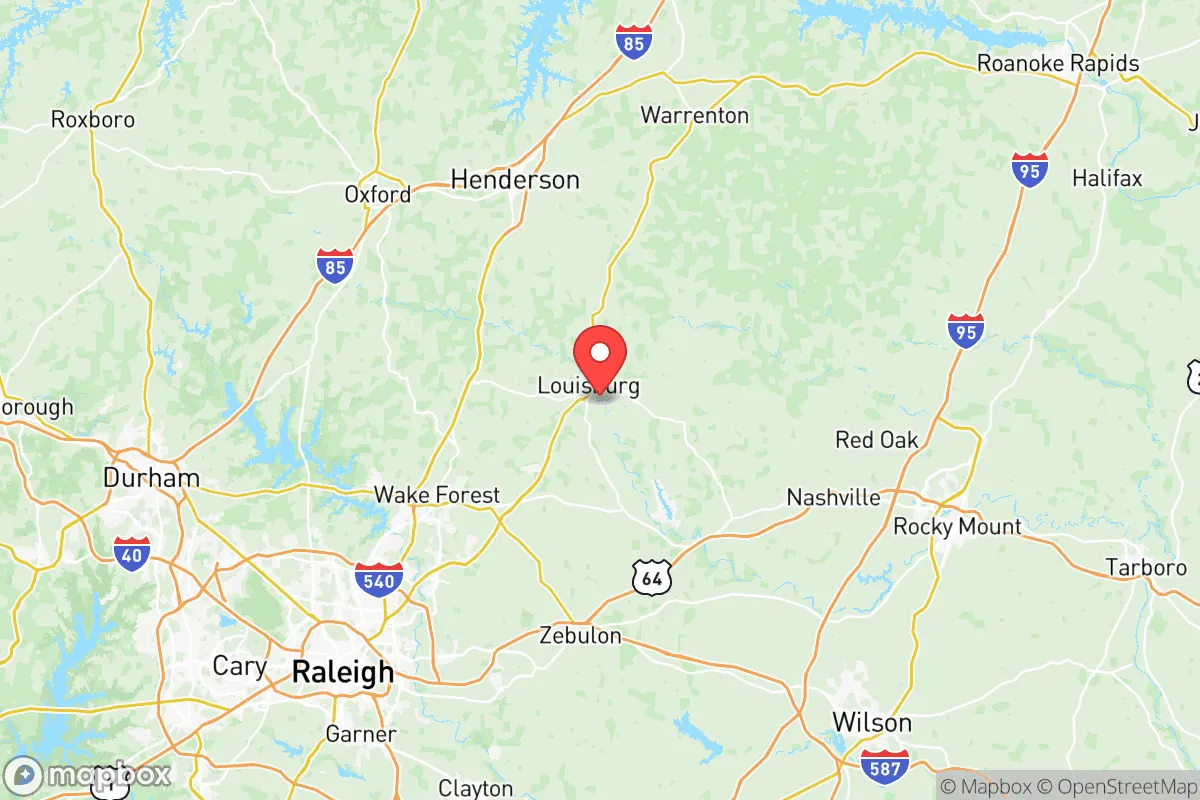
Photo: Wikipedia
Quality of Life in Franklin County
A livable area that tracks near national norms for affordability, walkability, and neighborhood health.
What does Quality of Life tell us?
Quality of Life measures an area by evaluating factors like cost of living, nearby amenities, country club access, airport proximity, socioeconomic signals and neighborhood character. For large states, this is a general average — quality of life can vary dramatically between metro areas, suburbs, and rural communities within the same state.
What does this tell us?
Quality of Life measures an area by evaluating factors like cost of living, nearby amenities, country club access, airport proximity, socioeconomic signals and neighborhood character. For large states, this is a general average — quality of life can vary dramatically between metro areas, suburbs, and rural communities within the same state.
Cost of Living
15% below national average
104%
The Real Cost of Living in Franklin County for 2026
| Tier | Individual | Family (4) |
|---|---|---|
| Survival | $16k | $30k |
| Comfortable | $47k | $69k |
| Luxury | $109k+ | $168k+ |
| Elite (Top 5%) | $128k+ | $198k+ |
Quality-of-Life Analysis
Franklin County, North Carolina, offers a broad quality-of-life spectrum that ranges from the walkable, amenity-rich town of Louisburg to deeply rural crossroads communities like Bunn and Franklinton, attracting everyone from remote workers seeking affordable land to families priced out of the Raleigh-Durham market. The county’s character shifts noticeably as you move from its historic county seat outward into the farmlands and woodlands that define its eastern and northern reaches. With a cost-of-living index of 85 (well below the national average of 100), a median home value of $240,900, and a median rent of $988, the county provides tangible financial breathing room compared to the Triangle, though the trade-off is a longer average commute of roughly 34 minutes for those working in Wake or Durham counties.
Largest town(s) & population centers
Louisburg, the county seat and largest town (population roughly 3,500), is the clear hub of daily life, anchored by Louisburg College and a compact historic downtown with locally owned shops, restaurants, and the Franklin County Arts Council. Daily life here is walkable in the core, with a traditional small-town feel where residents know each other and community events like the annual Hot Dog Festival draw crowds. Franklinton (population about 2,500) is the second-largest population center, situated closer to the Wake County line and offering a more suburban-rural mix with newer subdivisions, a growing industrial base, and direct access to US-1 for commuters heading to Raleigh. Both towns have grocery stores, pharmacies, and basic medical services, but residents typically drive to Wake Forest or Raleigh for major shopping, hospitals, and entertainment.
Smaller towns & rural pockets
Bunn (population roughly 350) is a classic unincorporated crossroads community centered on the intersection of NC-98 and NC-39, with a post office, a few churches, and a volunteer fire department—no stoplights, no chain stores. Youngsville, technically a town of about 2,000, straddles the line between small town and rural bedroom community, with a historic core but rapid residential growth spilling over from Wake County. Further east, the unincorporated areas around Castalia and Gold Sand are almost entirely agricultural, with tobacco, soybean, and sweet potato farms, scattered single-family homes on acreage, and zero commercial services. These pockets offer the quietest, most private lifestyle in the county, but require driving 15–25 minutes to Louisburg or Franklinton for basic groceries and gas.
Cost & lifestyle range
The cost spread across Franklin County is narrower than in many metro-adjacent counties, but meaningful differences exist. At the higher end, newer subdivisions near Franklinton and along the Wake County border—such as the Lakeside at Falls Lake area—see median home values above $300,000, with homes on larger lots and quick access to US-1. At the lower end, older homes in rural Bunn, Castalia, and eastern Louisburg can still be found for under $200,000, with median countywide home value at $240,900. Rent follows a similar pattern: the median of $988 is attainable on a single income, but newer apartment complexes in Franklinton command $1,100–$1,300 for two-bedrooms, while older rental houses in rural areas often go for $750–$900. The lifestyle trade-off is clear: Louisburg offers walkability and community events; Franklinton offers commuter convenience and newer housing; Bunn and Castalia offer land, privacy, and the lowest costs but require the longest drives for every errand.
This county works best for people who value space, quiet, and affordability over urban amenities and short commutes. Remote workers, retirees on fixed incomes, and families who can tolerate a 30–40 minute drive to Raleigh or Durham will find the most value here. Those who need walkable nightlife, frequent public transit, or a short drive to work should look closer to the Triangle. Franklin County delivers a genuine rural-to-small-town spectrum where the biggest variable is how much land you want and how far you’re willing to drive for a quart of milk.

Crime in Franklin County
Crime rates similar to the national median for U.S. locations.
Violent CrimeViolent Crime Analysis
Property CrimeProperty Crime Analysis
Crime Analysis
Franklin County, North Carolina, presents a mixed safety picture: its violent crime rate of 325.4 per 100,000 residents sits slightly above the national average, while its property crime rate of 1,766 per 100,000 is notably lower than both state and national benchmarks. The county’s proximity to the Raleigh-Durham metro area means that crime patterns are influenced by both rural dynamics and spillover from the larger urban core. However, the overall risk is not uniform across the county, with significant variation between its small towns and unincorporated areas.
Crime in context
Franklin County’s violent crime rate of 325.4 per 100,000 is roughly 10% higher than the national average of about 300 per 100,000, but it remains below the North Carolina state average of approximately 360 per 100,000. Property crime, at 1,766 per 100,000, is significantly lower than the national average of 1,954 per 100,000 and well below the state average of 2,100 per 100,000. This suggests that while residents face a slightly elevated risk of violent incidents—driven largely by aggravated assault—the county is comparatively safer from theft, burglary, and motor vehicle theft. The Franklin County Sheriff’s Office and local police departments in towns like Louisburg (the county seat) and Franklinton are the primary law enforcement agencies, and their response times and resource levels vary, with rural areas often experiencing longer waits.
What residents experience
Daily life in Franklin County is shaped by a mix of quiet rural neighborhoods and small-town commercial corridors. Violent crime is not random; most incidents occur in specific contexts—domestic disputes, arguments among acquaintances, or alcohol-fueled altercations. Property crime, while lower overall, tends to concentrate in areas with higher population density and easier access to major roads like US-401 and NC-56. Louisburg and Franklinton see the bulk of reported thefts and burglaries, often targeting vehicles left unlocked or homes near main thoroughfares. Residents in unincorporated areas like Youngsville and Bunn generally report feeling safer, though they face risks from isolated break-ins and occasional drug-related activity. The county’s judicial system, overseen by the District Attorney for the 9th Prosecutorial District, has faced criticism from some residents for what they perceive as lenient sentencing in non-violent drug cases, a concern that echoes broader frustrations with progressive-leaning policies in the Raleigh-Durham region. This perception, whether accurate or not, contributes to a sense that repeat offenders may cycle through the system without meaningful consequences.
Neighborhood-level variation
Safety in Franklin County is highly localized. The town of Louisburg, home to Louisburg College and a historic downtown, has a violent crime rate roughly in line with the county average, but its property crime rate is elevated due to its role as a commercial hub. Franklinton, with its smaller population and more industrial base, sees fewer violent incidents but has a higher rate of larceny. In contrast, the bedroom communities of Youngsville and Bunn—both growing as Raleigh commuters move in—report significantly lower crime rates, often 20-30% below the county average. The unincorporated area around Lake Royale, a private lake community, is considered one of the safest parts of the county, with gated access and active neighborhood watch programs. For prospective residents, the safest bets are the newer subdivisions on the county’s southern edge, near the Wake County line, where crime is minimal but property taxes are slightly higher. Conversely, areas along the US-401 corridor between Louisburg and Franklinton warrant more caution, particularly after dark, due to higher rates of vehicle-related theft and occasional drug-related violence.
* Values derived from national, state, county, city and local statistics and may differ in a specific area. Last updated: 2026-11-15T23:20:12.000Z
Narrative content on this page is AI-generated and may contain mistakes. Verify any details that matter before acting on them.
ReloMaps may earn a commission from affiliate links at no extra cost to you.

