
Photo: Wikipedia
Quality of Life in Taos County
A livable area that tracks near national norms for affordability, walkability, and neighborhood health.
What does Quality of Life tell us?
Quality of Life measures an area by evaluating factors like cost of living, nearby amenities, country club access, airport proximity, socioeconomic signals and neighborhood character. For large states, this is a general average — quality of life can vary dramatically between metro areas, suburbs, and rural communities within the same state.
What does this tell us?
Quality of Life measures an area by evaluating factors like cost of living, nearby amenities, country club access, airport proximity, socioeconomic signals and neighborhood character. For large states, this is a general average — quality of life can vary dramatically between metro areas, suburbs, and rural communities within the same state.
Cost of Living
5% above national average
58%
The Real Cost of Living in Taos County for 2026
| Tier | Individual | Family (4) |
|---|---|---|
| Survival | $17k | $32k |
| Comfortable | $69k | $101k |
| Luxury | $106k+ | $165k+ |
| Elite (Top 5%) | $147k+ | $228k+ |
Quality-of-Life Analysis
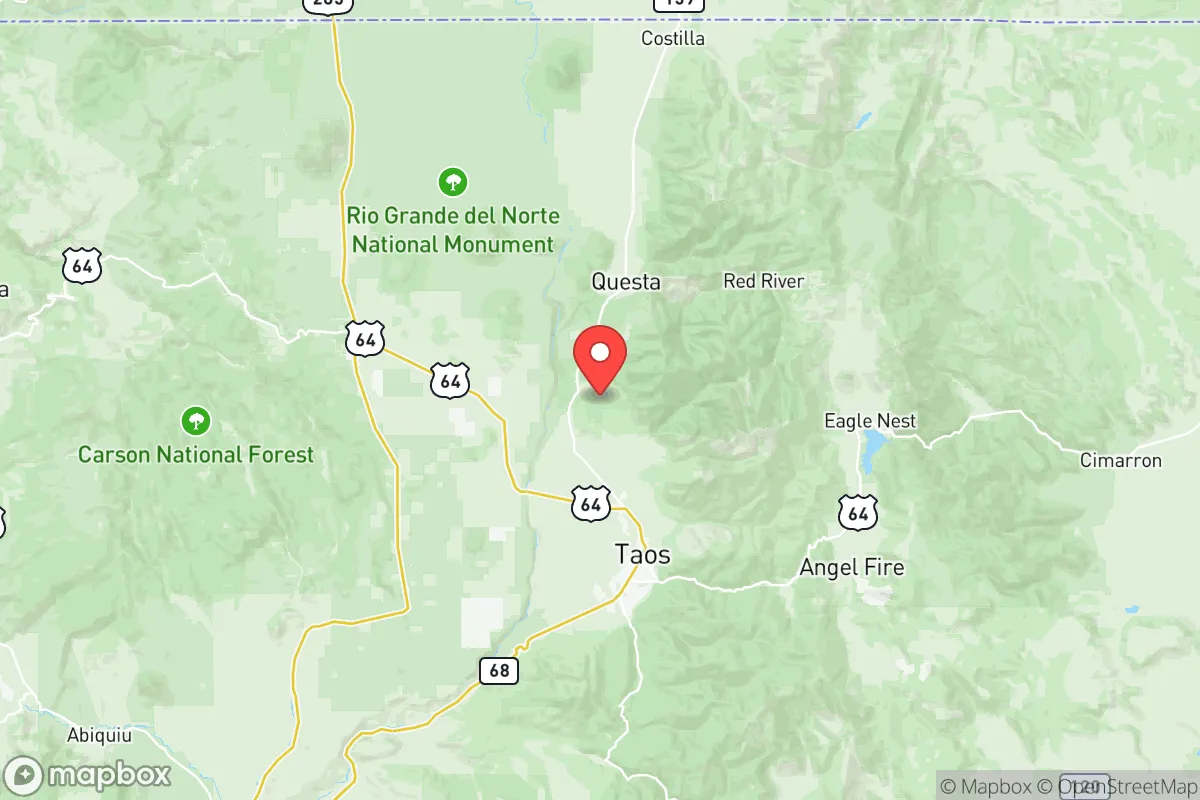
Taos County, New Mexico, offers a spectrum of living environments that range from the historic, tourist-driven town of Taos to remote, off-grid homesteads in the Sangre de Cristo foothills. The county’s character is defined by its high-desert landscape, deep Hispanic and Tiwa Pueblo cultural roots, and a long-standing reputation as an artist colony. Different parts of the county attract distinct groups: the town of Taos draws tourists, second-home owners, and creative professionals; smaller villages like Arroyo Seco and El Prado appeal to those seeking a quieter, more land-based lifestyle; and the far-flung rural areas around Questa and Costilla attract homesteaders, outdoor enthusiasts, and people looking for significant land and solitude.
Largest town(s) & population centers
The primary population center is the town of Taos, which has roughly 6,000 residents and serves as the county’s commercial, cultural, and administrative hub. Daily life here revolves around the historic Taos Plaza, the Taos Pueblo (a UNESCO World Heritage Site), and a dense concentration of art galleries, restaurants, and boutique shops. The town is walkable in its core, but most residents drive to grocery stores and services along the Paseo del Pueblo Sur corridor. A secondary population cluster is the combined area of Ranchos de Taos and Talpa, located just south of the town proper. These unincorporated communities feel more residential and agricultural, with the iconic San Francisco de Asis Church as a visual anchor. Ranchos de Taos offers a slightly slower pace while still being within a 10-minute drive of Taos’s full amenities. The town of Taos itself has a median home value of approximately $354,000 and a median rent of $1,069, reflecting its status as the county’s most expensive and amenity-rich location. The average commute across the county is roughly 24 minutes, which is manageable for those living in or near the main town but can stretch significantly for residents in outlying areas.
Smaller towns & rural pockets
Beyond the main town, Taos County contains several distinct smaller communities. Arroyo Seco, located about 10 miles north of Taos, is a historic village known for its artisan community, the Abiquiú-inspired architecture of the San Antonio de Padua Church, and its proximity to the Taos Ski Valley. It has a small general store and a handful of galleries but no full-service grocery, making it a semi-rural choice. El Prado, just north of Taos town, is a more spread-out residential area with a mix of older adobe homes and newer subdivisions, popular with families and commuters. Questa, about 25 miles north of Taos, is a former mining town with a population under 2,000. It offers significantly lower home prices and a more working-class, Hispanic cultural character, but lacks the dining and retail options of Taos. Costilla, near the Colorado border, is a tiny, unincorporated community with a handful of homes and a strong ranching and hunting tradition. The most remote rural pockets lie along the High Road to Taos (State Road 518) and in the western reaches of the county near the Rio Grande Gorge, where properties often sit on multiple acres with no municipal water or sewer, requiring well and septic systems.
Cost & lifestyle range
The cost of living index for Taos County is 105, slightly above the national average, but this figure masks wide variation within the county. At the high end, the town of Taos and the area immediately surrounding the Taos Ski Valley command premium prices for real estate, with many homes exceeding $500,000 and short-term rental regulations tightening. At the low end, Questa and Costilla offer median home values well below the county average, often under $200,000, though inventory is limited and properties may require significant renovation. Renters face a tight market: the countywide median rent of $1,069 is relatively affordable compared to Santa Fe or Denver, but availability is low, especially for long-term leases versus vacation rentals. Lifestyle differences are stark: residents in Taos town have access to a hospital, a library, multiple grocery stores, and cultural events, while those in rural areas like Arroyo Hondo or Llano may drive 20-30 minutes for basic supplies. Utility costs are higher in rural areas due to reliance on propane, well pumps, and septic maintenance. Property taxes remain low across the county, which is a consistent draw for retirees and second-home buyers.
Taos County best suits people who value cultural richness, outdoor recreation, and a slower pace of life over urban convenience. Artists, retirees, remote workers, and outdoor enthusiasts are the groups most likely to thrive here, particularly if they are comfortable with limited shopping, seasonal tourism crowds, and the trade-offs of rural living. Families and younger professionals may find the best balance in Ranchos de Taos or El Prado, where schools and services are accessible without the full tourist intensity of the town center. Those seeking the lowest cost of entry and maximum land should look to Questa or the far northern reaches, but should be prepared for a longer commute and fewer local amenities.

Crime in Taos County
Higher crime rates than 68% of comparable U.S. locations.
Violent CrimeViolent Crime Analysis
Property CrimeProperty Crime Analysis
Crime Analysis
Taos County, New Mexico, presents a crime picture that demands careful consideration, with violent and property crime rates significantly exceeding both state and national averages. The county's overall safety is heavily influenced by its status as a rural, high-desert region with a mix of tourist-driven economy and persistent socioeconomic challenges. For anyone researching a move to Taos County, understanding the specific crime data and how it varies across communities like Taos, Ranchos de Taos, and Arroyo Seco is essential for making an informed decision.
Crime in context
Taos County's violent crime rate stands at 605.6 incidents per 100,000 residents, a figure that is roughly 1.6 times higher than the New Mexico state average and more than double the national median. Property crime is even more pronounced, with a rate of 2,202.5 per 100,000, placing the county well above the national property crime benchmark of approximately 1,954 per 100,000. These numbers are driven largely by the county's primary municipality, the town of Taos, which acts as the economic and cultural hub but also concentrates a disproportionate share of criminal activity. The surrounding unincorporated areas and smaller villages, such as El Prado and Arroyo Hondo, generally report lower incident densities, though they are not immune to property crimes like theft and burglary. The Eighth Judicial District Attorney's Office, which covers Taos County, operates under a progressive prosecutorial philosophy that emphasizes diversion programs and reduced sentencing for non-violent offenders. While intended to address root causes of crime, this approach has been criticized for contributing to a revolving-door justice system that fails to hold repeat offenders accountable, directly impacting public safety and victim rights.
What residents experience
Residents of Taos County most frequently encounter property crime, particularly vehicle theft, burglary, and larceny, which together account for the vast majority of reported incidents. The town of Taos itself, especially areas near the historic Taos Plaza and along Paseo del Pueblo Sur, sees higher rates of theft and vandalism, often tied to transient populations and drug-related activity. Violent crime, while less common, is a serious concern: aggravated assault makes up the largest share, with robbery and sexual assault also reported at rates above the national average. The presence of progressive district attorneys in the region has led to a pattern where many property crime cases are pled down or diverted, resulting in minimal jail time for offenders. This has created a perception among long-term residents that the justice system prioritizes offender rehabilitation over victim restitution and public safety. In contrast, the more affluent and remote communities like Angel Fire and Red River, while still within Taos County, experience significantly lower crime rates, largely due to their smaller year-round populations and higher property values that attract more vigilant neighborhood watch dynamics.
Neighborhood-level variation
Safety in Taos County varies dramatically by location. The town of Taos, particularly its central core and lower-income neighborhoods east of the Rio Grande, reports the highest concentration of both violent and property crime. Conversely, the village of Ranchos de Taos, just south of the main town, offers a slightly lower crime profile, though property theft remains a concern. The ski resort areas of Taos Ski Valley and the gated communities around Angel Fire are considered the safest, with crime rates that approach or fall below national averages. For those considering a move, the safest strategy is to choose a home in a smaller, more isolated community or a well-established subdivision with active neighborhood associations. However, even in these areas, residents must remain vigilant about securing vehicles and homes, as property crime is a countywide issue. The progressive judicial policies in the Eighth Judicial District mean that even when arrests are made, the likelihood of meaningful consequences for property criminals is lower than in more conservative jurisdictions, a factor that should weigh heavily in relocation decisions.
* Values derived from national, state, county, city and local statistics and may differ in a specific area. Last updated: 2026-07-01T22:06:06.000Z
Narrative content on this page is AI-generated and may contain mistakes. Verify any details that matter before acting on them.
ReloMaps may earn a commission from affiliate links at no extra cost to you.

