Photo: Wikipedia
Find The Best Places To Live in Taos County
PRO TIP! You can paste a Zillow or Redfin link to get info on that property.
Best Places to Live in Taos County
Cities & Towns in Taos County
Cities in Taos County
What It's Like Living in Taos County, NM
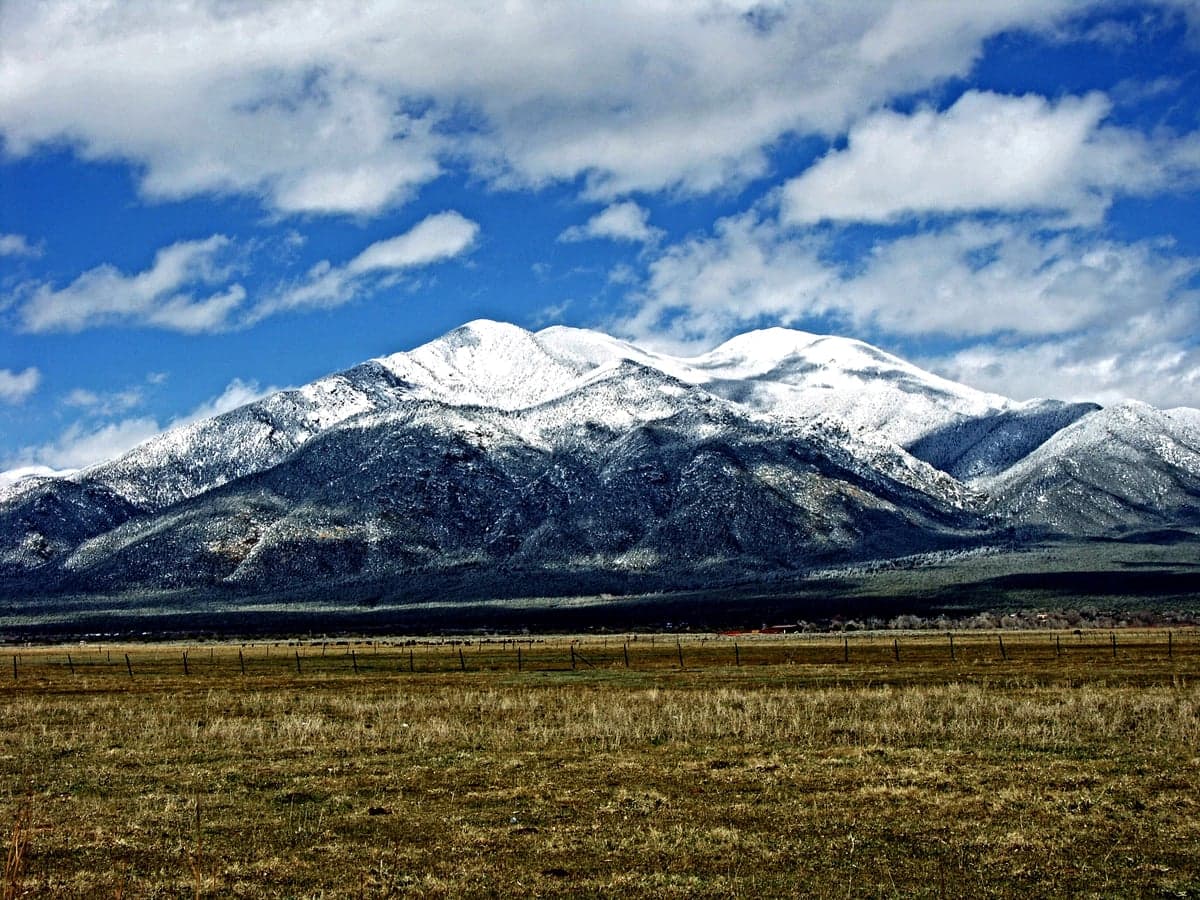
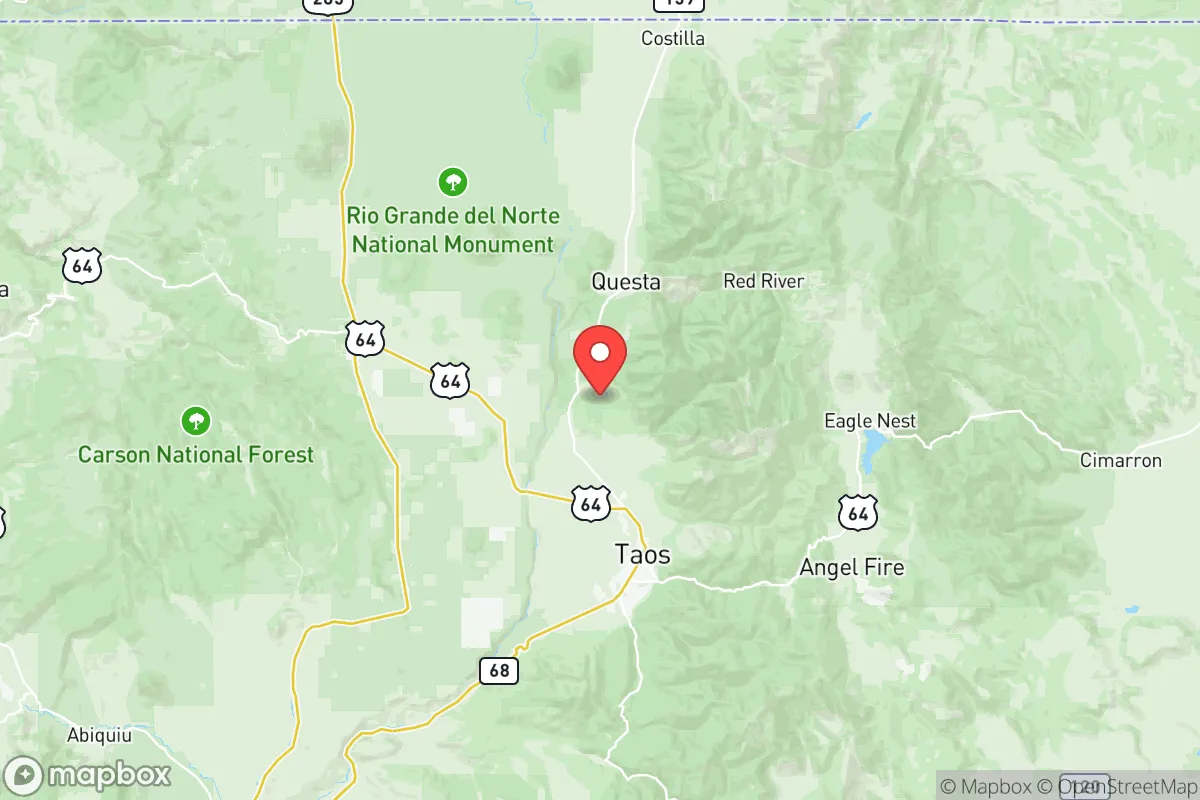
Living in Taos County means trading strip-mall convenience for a landscape that stops you mid-sentence — the Sangre de Cristo peaks turn pink at sunset, and the Rio Grande Gorge cuts a dramatic line through the high desert. The county’s roughly 34,500 residents are spread across the town of Taos, smaller villages like Arroyo Seco and Ranchos de Taos, and far-flung rural pockets where the nearest neighbor might be a mile of piñon-juniper away. It’s a place that attracts artists, skiers, retirees, and people who genuinely don’t mind driving 20 minutes for a gallon of milk.
The Daily Rhythm in Taos County
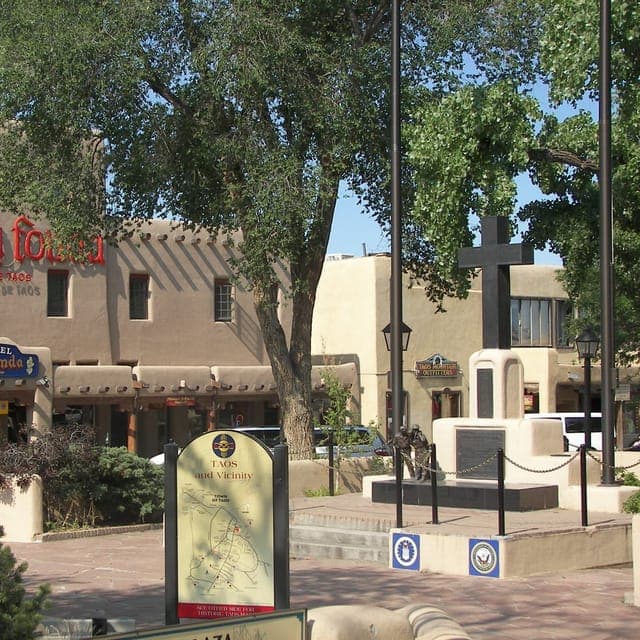
Most mornings here start with a stop at a local coffee shop — World Cup in Taos town sees a steady line of contractors, telecommuters, and ski bums grabbing espresso before heading out. The average commute clocks in at just under 24 minutes, which feels about right: you might live in Arroyo Hondo and work at the hospital in Taos, or drive from El Prado to the school district offices. That short drive is a genuine perk compared to Santa Fe or Albuquerque, where 45-minute commutes are normal.
Weekends are built around the outdoors. Locals hike the West Rim Trail along the gorge, fish the Rio Grande, or ski at Taos Ski Valley — a world-class mountain that draws destination visitors but still feels like a local hill on weekday mornings. In summer, the Taos Farmers Market on the plaza becomes the social hub, with live music and produce from small farms in the valley. For groceries, most people hit the Smith’s or Cid’s Food Market in Taos, but if you live out near Questa or Costilla, you’re planning a weekly run into town.
The median age here is 51.9, which tells you something: this is not a young family’s boomtown. Retirees and second-home owners make up a big share of the population, and the county’s median income of $58,908 reflects a mix of service-industry workers, remote professionals, and artists selling at galleries on Bent Street. About 37% of adults hold a college degree, which is on par with the national average, but the local economy leans heavily on tourism and healthcare rather than white-collar offices.
Sports, Community, and What People Actually Do for Fun
High school sports are the main event here. Taos High School Tigers football and basketball games draw solid crowds on Friday nights, especially when rival Española Valley comes to town. There’s no pro or college team within two hours, so the community rallies around the local kids. The Taos Youth Soccer League and the recreational hockey program at the Taos Ice Rink keep younger families involved year-round.
Beyond sports, the county’s cultural calendar is packed. The Taos Pueblo Powwow in July is a major draw, with dancers from across the Southwest. The Taos Fall Arts Festival and the annual Taos Shortz Film Festival bring in visitors, but locals also pack the Sagebrush Inn for live music and the Adobe Bar for margaritas on warm evenings. For a quieter night, the TCA (Taos Community Auditorium) runs indie films and community theater.
Outdoor recreation isn’t just a hobby — it’s the identity. The Rio Grande Gorge Bridge is a must-see for visitors, but locals use the BLM land around it for hiking, mountain biking, and camping. In winter, Taos Ski Valley gets about 300 inches of snow annually, and the slopes stay uncrowded compared to Colorado resorts. The downside? If you don’t ski, winter can feel long and quiet, especially in the smaller villages where restaurants close by 8 PM.
Pros and Cons of Living in Taos County
Let’s be honest: living here comes with trade-offs. On the upside, the natural beauty is overwhelming, the pace of life is slow, and the arts community is genuinely world-class — you can buy a painting from a working artist on the plaza or take a pottery class at the Taos Art School. The cost of living index sits at 105, just slightly above the national average, but median home values have climbed to $354,000, which is steep for a county where wages haven’t kept pace. Rentals are scarce, and finding a house under $300,000 takes patience.
The violent crime rate of 605.6 per 100,000 residents is a real concern — it’s higher than the national average, and property crime, especially theft from vehicles, is a frequent complaint in town. Longtime residents will tell you to lock your car and don’t leave valuables visible, even in your own driveway. That said, most crime is concentrated in specific areas, and rural parts of the county feel very safe.
Healthcare is another practical reality. The Holy Cross Medical Center in Taos handles emergencies and routine care, but for specialists or serious procedures, you’re driving an hour and a half to Santa Fe or two hours to Albuquerque. Winter storms can make that drive treacherous, especially over the Rio Grande Gorge. Schools in the Taos Municipal School District get mixed reviews — some families opt for charter schools or homeschooling, while others appreciate the small class sizes and community involvement.
For the right person — someone who values solitude, landscape, and a tight-knit community over career opportunities and nightlife — Taos County is hard to beat. It’s not for everyone, and that’s exactly why the people who live here love it.

* Values derived from national, state, county, city and local statistics and may differ in a specific area. Last updated: 2026-07-01T22:06:06.000Z
Narrative content on this page is AI-generated and may contain mistakes. Verify any details that matter before acting on them.
ReloMaps may earn a commission from affiliate links at no extra cost to you.

