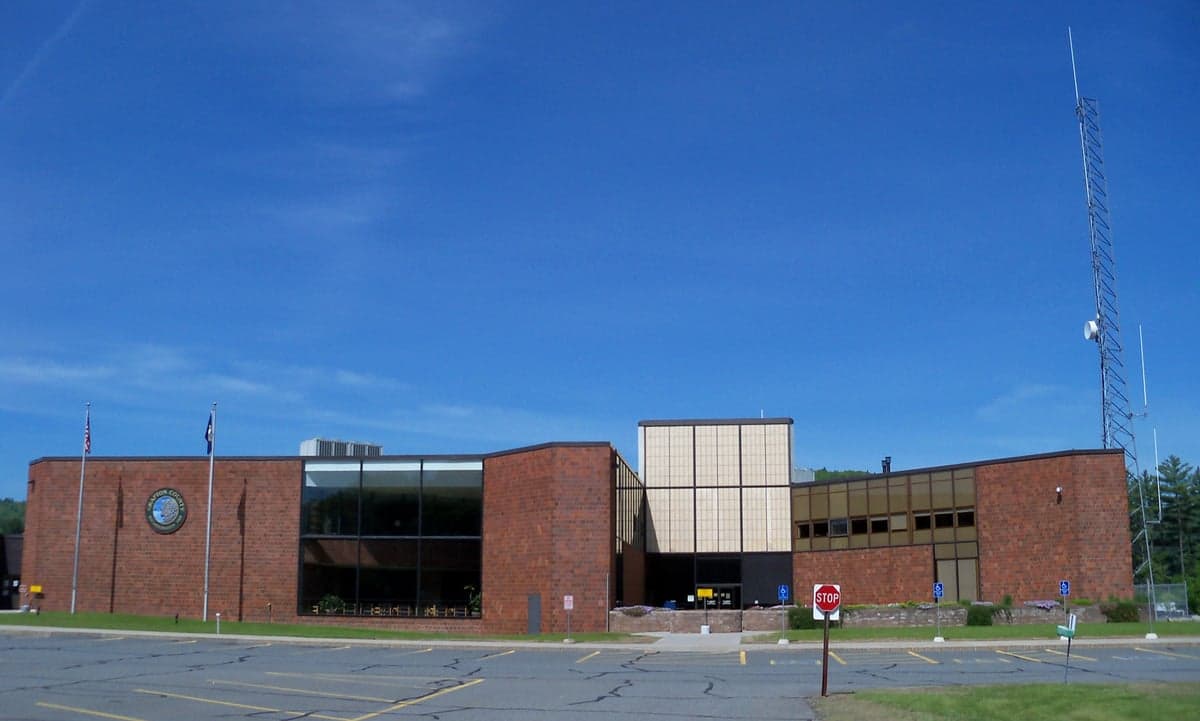
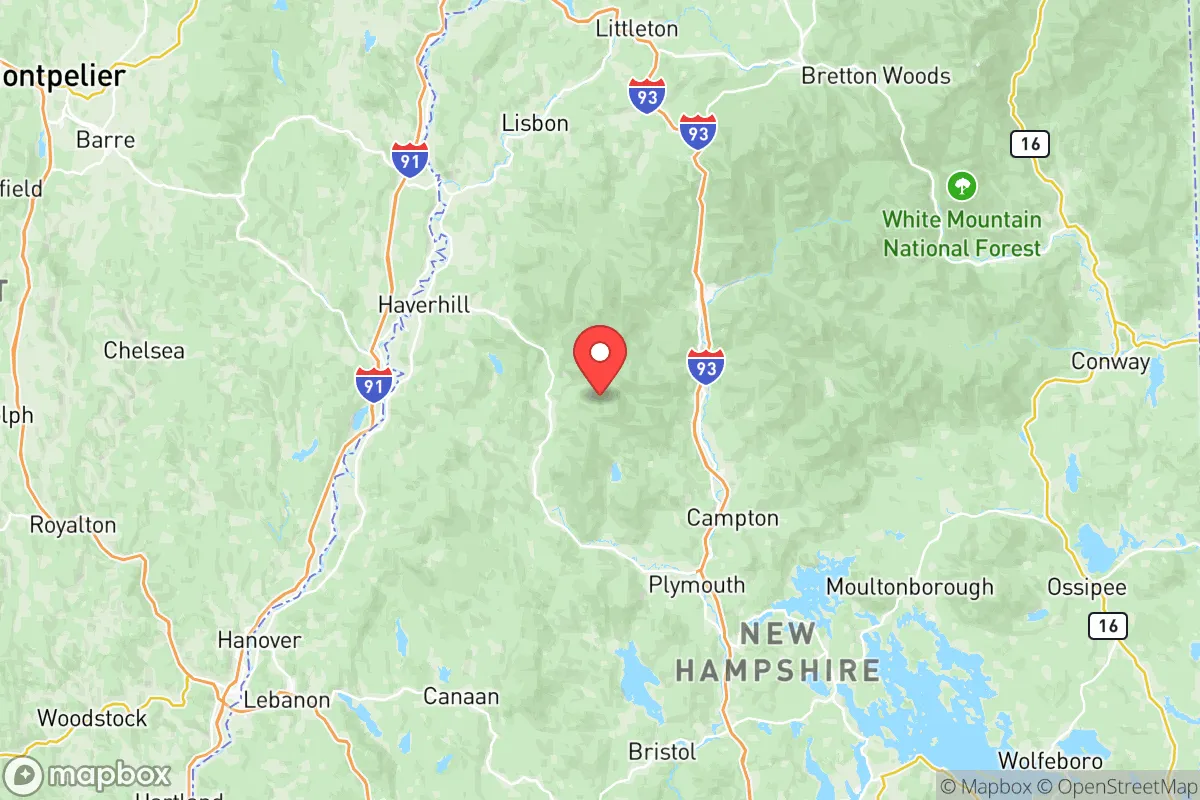
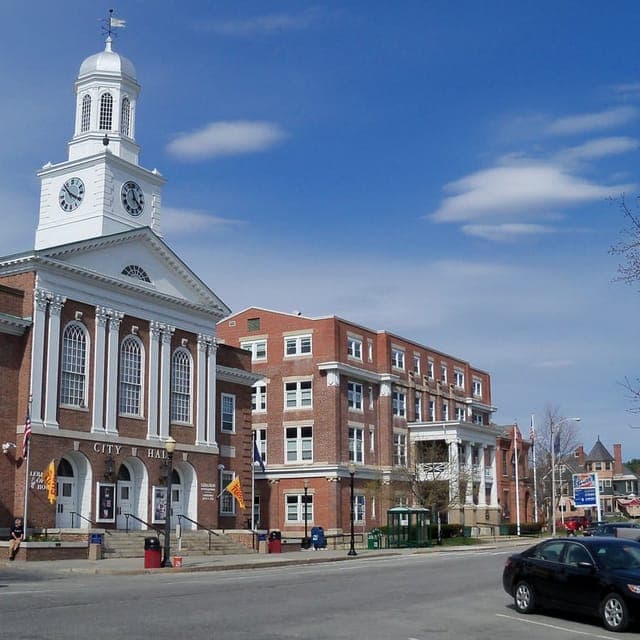
Photo: Wikipedia
Find The Best Places To Live in Grafton County
PRO TIP! You can paste a Zillow or Redfin link to get info on that property.
Best Places to Live in Grafton County
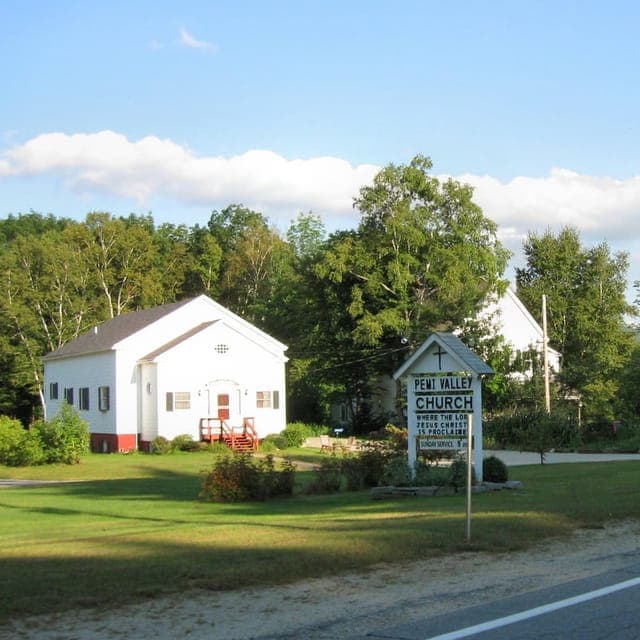
Cities & Towns in Grafton County
Cities in Grafton County
What It's Like Living in Grafton County, NH
Living in Grafton County means trading the frantic pace of city life for a rhythm set by the seasons, the mountains, and the clock of a small town. This is the heart of New Hampshire’s North Country and the Upper Valley, a place where Dartmouth College in Hanover is the undeniable cultural and economic anchor, but where the real character comes from the working-class mill towns like Lebanon and the rural, forested stretches of towns like Bath and Haverhill. It’s a county that feels both sophisticated—thanks to the Ivy League influence—and deeply, stubbornly independent, a place where a $298,500 median home value buys you space and quiet, but also a 22-minute average commute to work.
The Daily Rhythm: From College Town to Country Road
Daily life in Grafton County varies dramatically depending on whether you’re in the orbit of Dartmouth or out in the sticks. In Hanover and Lebanon, the day starts with a coffee from Dirt Cowboy Café and a commute that might involve a bike path or a short drive past the Dartmouth-Hitchcock Medical Center, the region’s largest employer. The median age here is 44, and with 44.8% of adults holding a college degree, the conversation at the co-op or the hardware store can swing from timber prices to the latest research on tick-borne diseases. For families, the school systems in Hanover and Lebanon are a major draw, often cited as the reason people tolerate the higher cost of living (index of 109) and the long, dark winters. Weekends are for the Dartmouth Green, the Norwich Farmers Market just across the river, or a hike up Mount Moosilauke. In contrast, life in Plymouth or Littleton is slower, more blue-collar. You’ll find folks grabbing breakfast at the Common Man in Plymouth or catching a show at the Flying Monkey Movie House in Plymouth, a repurposed theater that hosts everything from indie films to live music. The real divide isn’t between rich and poor, but between the “College” crowd and the “Local” crowd—a cultural quirk that’s been part of the county’s identity for generations.
Sports, Community, and the Big Green Machine
If you live in Grafton County, you don’t have a pro sports team to root for, but you do have the Dartmouth Big Green, and that’s a bigger deal than outsiders realize. Football games at Memorial Field in the fall are a genuine community event, drawing not just students but families from Hanover, Lebanon, and Norwich. The hockey games at Thompson Arena are packed in winter, and the atmosphere is more “small-town pride” than “Ivy League elitism.” For high school sports, the rivalry between Lebanon High School and Hanover High School is fierce, especially in soccer and skiing—skiing being a sport that defines the region. Kids from towns like Franconia and Lincoln grow up on the slopes of Cannon Mountain, and the local ski teams are a source of real community pride. The biggest cultural quirk? The Plymouth State University Panthers in Plymouth offer a more accessible, Division III alternative, and their hockey games at the Hanaway Rink are a cheaper, rowdier night out. Sports here aren’t about watching—they’re about doing. The county’s violent crime rate of 118.5 per 100,000 is low enough that parents let their kids bike to the town common, and the real weekend activity is getting outside: hiking the Franconia Ridge, fishing the Pemigewasset River, or just driving the Kancamagus Highway for the foliage.
What’s There to Do (And What’s Missing)
Entertainment in Grafton County is heavily seasonal and outdoors-focused. In summer, the Littleton Farmers Market and the Bristol Old Home Day festival are can’t-miss events, drawing crowds from all over the county. The Plymouth State University campus hosts summer concerts and theater, and the Hanover Inn is a classic spot for a fancy dinner or a drink on the patio. In winter, it’s all about the ski mountains—Cannon, Loon, and Bretton Woods are all within a 30-minute drive of most towns. The Polar Caves Park in Rumney is a quirky, family-friendly stop, and the Lost River Gorge in North Woodstock is a summer staple. The honest downside? Dining and nightlife are limited. You’ll find solid pizza joints (try the Italian Farmhouse in Plymouth) and a few upscale spots (like Jesse’s in Hanover), but if you want a real city food scene or a late-night bar, you’re driving an hour to Concord or Burlington, VT. The other frustration is internet and cell service—once you get off the main highways in towns like Warren or Dorchester, you’re in a dead zone. That’s a trade-off locals accept for the quiet, but it’s a real hurdle for remote workers.
Pros and Cons of Living Here: The Honest Trade-Offs
- Pro: Genuine four-season living. You get real winters (snow from November to April), a spectacular fall, a muddy but beautiful spring, and warm, lake-friendly summers. The median income of $84,021 goes a long way here because housing is still affordable compared to southern NH or Massachusetts.
- Con: The winter grind. It’s not just the cold—it’s the darkness. Days are short, and seasonal affective disorder is a real topic of conversation. Snow removal is a way of life, and you will own a snowblower or a plow truck.
- Pro: Safety and community. With a violent crime rate roughly half the national average, people leave their doors unlocked in smaller towns. Neighbors know each other, and the “Live Free or Die” ethos means people respect your privacy but will help you dig out your car.
- Con: Limited job diversity. Outside of healthcare (Dartmouth-Hitchcock), education (Dartmouth, Plymouth State), and tourism, the job market is thin. Many residents commute to Lebanon or Hanover, and the 22-minute average commute hides the fact that a lot of people drive 45 minutes each way for a decent job.
- Pro: The schools. The Hanover and Lebanon school districts are top-tier, and even the smaller towns like Haverhill and Plymouth have solid, community-focused schools that are the center of town life.
- Con: The cost of living. At 109, it’s above the national average, and property taxes in NH are high (no income or sales tax). That $298,500 median home value gets you a fixer-upper in Hanover or a nice house in Littleton, but it’s not cheap.
The kind of person who fits in here is someone who values quiet, space, and self-reliance. It’s not for the person who needs a 24-hour diner or a concert every weekend. It’s for the family who wants their kids to grow up skiing and hiking, for the remote worker who needs a home office with a mountain view, and for the retiree who wants to fish the Connecticut River. The cultural identity is a mix of Yankee pragmatism, college-town intellectualism, and a stubborn love for the outdoors. You’ll hear more Subaru engines than truck engines in Hanover, but in Plymouth and Littleton, the trucks rule. That’s Grafton County—a place of contrasts, where the Ivy League and the logging camp coexist, and where the biggest complaint is that the nearest Target is an hour away, but the nearest trailhead is five minutes from your door.

* Values derived from national, state, county, city and local statistics and may differ in a specific area. Last updated: 2026-06-17T00:25:52.000Z
Narrative content on this page is AI-generated and may contain mistakes. Verify any details that matter before acting on them.
ReloMaps may earn a commission from affiliate links at no extra cost to you.

