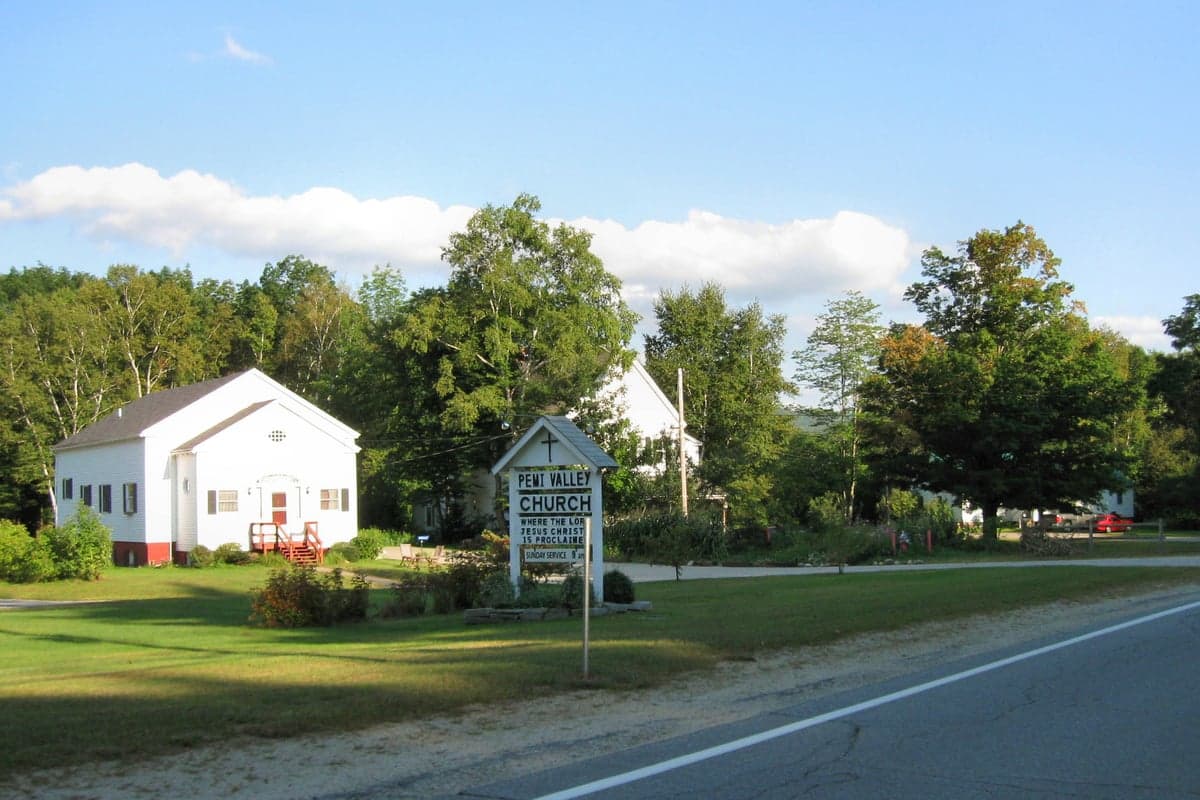
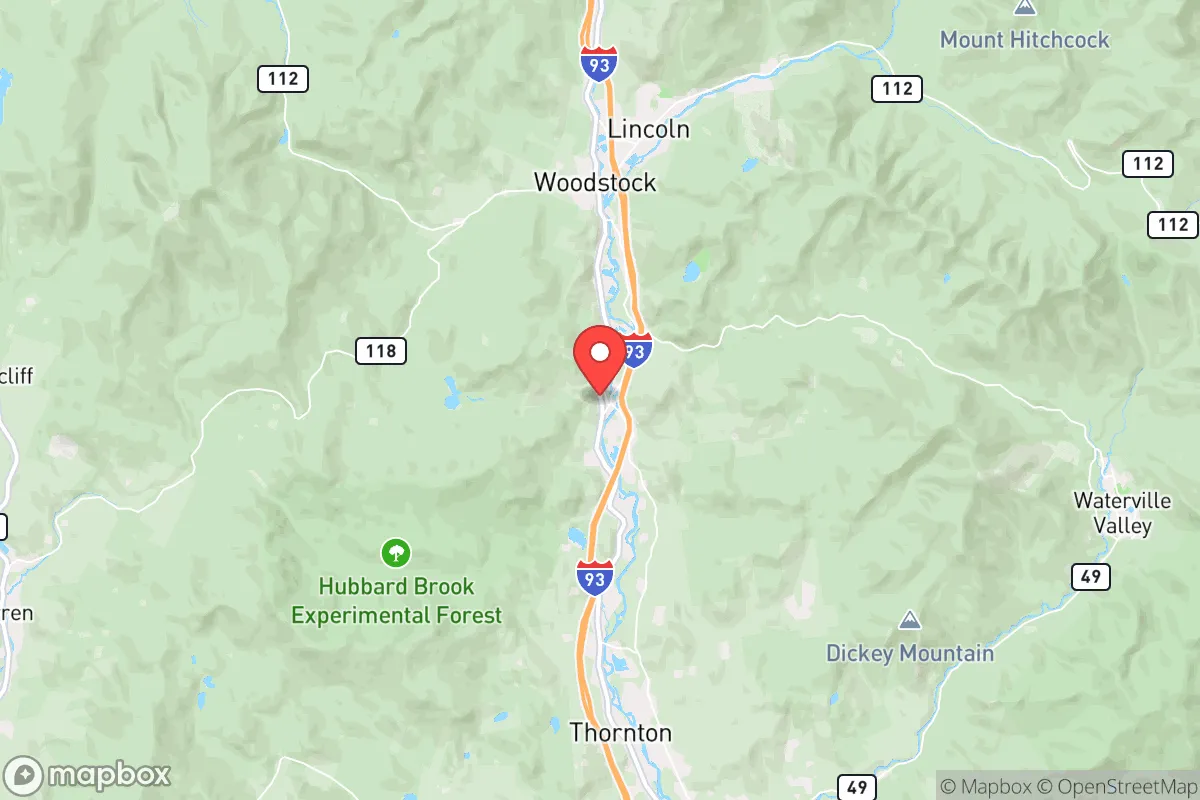
Photo: Wikipedia
An Unincorporated Community in Grafton County, New Hampshire
Find The Best Places To Live
in Woodstock
PRO TIP! You can paste a Zillow or Redfin link to get info on that property.
What It's Like Living in Woodstock, NH
Living in Woodstock, New Hampshire, means trading strip-mall convenience for a pace of life that feels genuinely slower, where the Pemigewasset River is the main soundtrack and the nearest traffic light is a solid twenty-minute drive away. With a population just under 2,500 and a median age pushing 55, this isn’t a town for someone seeking a bustling nightlife or a fast career track — it’s a place for people who value quiet, space, and immediate access to the White Mountain National Forest. The median home value sits at a relatively attainable $275,500, and with a cost of living index of 93 (below the national average), it’s one of the more affordable corners of the state for those who can work remotely or commute.
The Daily Rhythm: Quiet Mornings, Early Nights
Most mornings in Woodstock start with a coffee from the Pemi River General Store or a quick stop at the Woodstock Inn Station & Brewery for a breakfast sandwich before heading out. The average commute is about 23 minutes, which usually means driving north to Lincoln for retail jobs or south to Plymouth for healthcare and education work. By 8 p.m., the main road is nearly empty, and the biggest decision of the evening is whether to build a fire or read. Weekends revolve around the outdoors: hiking the Mount Osceola trail, fly-fishing on the Pemigewasset, or driving the Kancamagus Highway just to watch the light change on the leaves. The median income of $67,218 supports a modest lifestyle — few people here are wealthy, but most own their homes and have enough breathing room for a seasonal toy like a snowmobile or kayak.
Sports & Community: High School Pride and Local Hangouts
Woodstock doesn’t have its own high school — kids attend Lin-Wood Public School in Lincoln, where Friday night football games are a genuine social event. The rivalry with Plymouth Regional is real, and the bleachers are packed with parents and retirees who’ve lived here for decades. For pro sports, most residents align with Boston teams (Red Sox, Patriots, Bruins), but the passion is more casual than in the city — you’ll hear a game on the radio at the Woodstock Inn bar, but nobody’s screaming at the TV. The real local “sport” is winter recreation: the town is a fifteen-minute drive from Loon Mountain and Cannon Mountain, and the high school ski team draws serious community support. If you don’t ski or snowmobile, winters can feel long — the social calendar thins out significantly from January through March.
What’s There to Do: Festivals, Music, and the River
The biggest annual event is the Woodstock Fall Festival in September, which brings craft vendors, a pie contest, and live bluegrass to the town green. Summer means the Pemi River tubing run — locals and tourists alike float from the bridge near the brewery down to the takeout at the Covered Bridge Campground. For music, the Woodstock Inn hosts live acts on weekends, mostly acoustic and folk, and the Plymouth Folk & Blues Festival is a thirty-minute drive south. The White Mountain National Forest is the real entertainment: over 100 miles of hiking trails, the Lost River Gorge for family outings, and the Kancamagus Highway for scenic drives that are genuinely world-class. Dining options are limited but solid: the Woodstock Inn Brewery serves reliable pub fare and their own ales, and Gordi’s Fish and Steak House in Lincoln is the go-to for a nicer dinner. There’s no movie theater, no mall, and no Uber — you plan your errands around a trip to Plymouth or North Conway.
Pros and Cons of Living Here
The upsides are clear: violent crime is literally zero (the rate is 0 per 100,000), the air is clean, and you can own a home for under $300,000 in a state with no income or sales tax. The schools are small — Lin-Wood has about 400 students K-12 — which means teachers know every kid’s name, but advanced placement options are limited. The biggest frustration for residents is the lack of year-round employment: many jobs are seasonal (ski resorts, tourism), and the 33.7% college-educated rate reflects a brain drain of younger professionals to Manchester or Boston. Winters are long and dark — snow can linger from November to April — and the nearest hospital with a full ER is Speare Memorial Hospital in Plymouth, 20 minutes away. The town’s identity is deeply tied to the land: people here are self-reliant, suspicious of rapid change, and proud of their quiet corner of the state. If you want a place where your neighbors wave but don’t pry, where the river is your backyard, and where “busy” means a full woodpile, Woodstock fits like an old flannel shirt.

Similar small towns to Woodstock

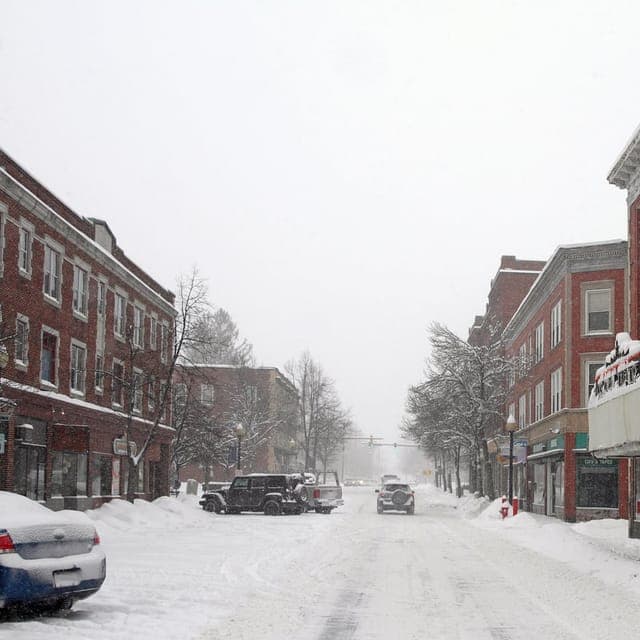
* Values derived from national, state, county, city and local statistics and may differ in a specific area. Last updated: 2026-10-20T07:45:58.000Z
Narrative content on this page is AI-generated and may contain mistakes. Verify any details that matter before acting on them.
ReloMaps may earn a commission from affiliate links at no extra cost to you.

