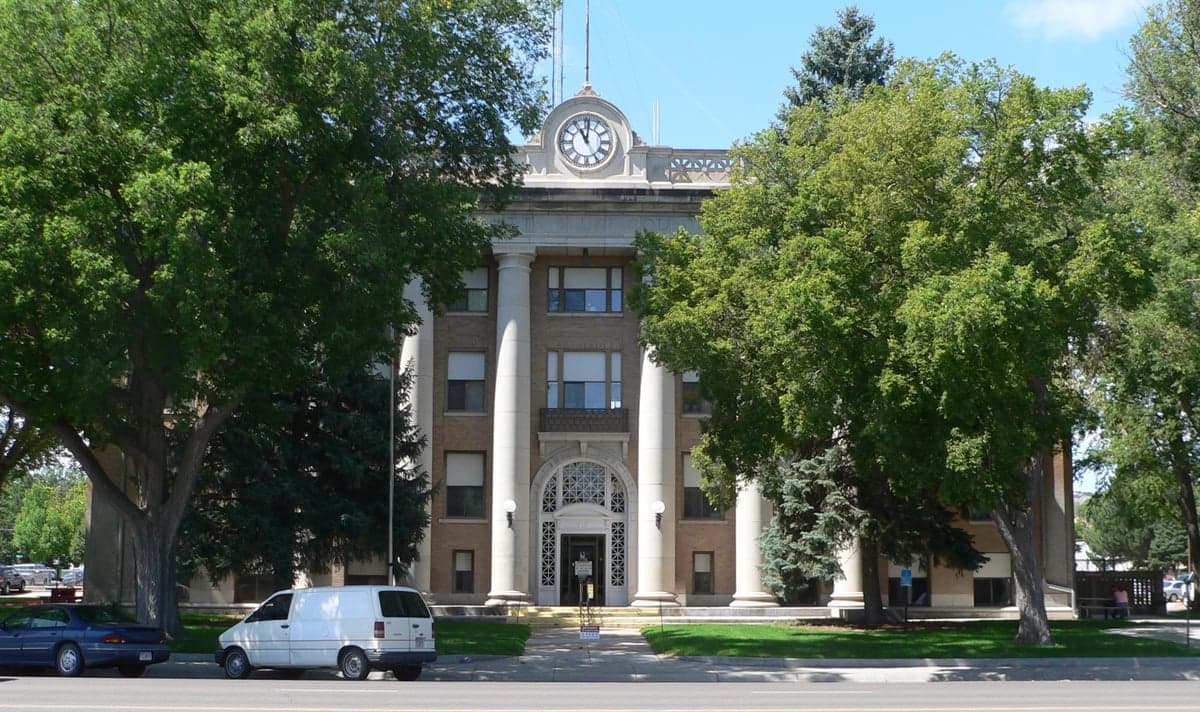
Photo: Wikipedia
Quality of Life in Scotts Bluff County
A livable area that tracks near national norms for affordability, walkability, and neighborhood health.
What does Quality of Life tell us?
Quality of Life measures an area by evaluating factors like cost of living, nearby amenities, country club access, airport proximity, socioeconomic signals and neighborhood character. For large states, this is a general average — quality of life can vary dramatically between metro areas, suburbs, and rural communities within the same state.
What does this tell us?
Quality of Life measures an area by evaluating factors like cost of living, nearby amenities, country club access, airport proximity, socioeconomic signals and neighborhood character. For large states, this is a general average — quality of life can vary dramatically between metro areas, suburbs, and rural communities within the same state.
Cost of Living
31% below national average
132%
The Real Cost of Living in Scotts Bluff County for 2026
| Tier | Individual | Family (4) |
|---|---|---|
| Survival | $14k | $27k |
| Comfortable | $31k | $46k |
| Luxury | $102k+ | $158k+ |
| Elite (Top 5%) | $120k+ | $186k+ |
Quality-of-Life Analysis
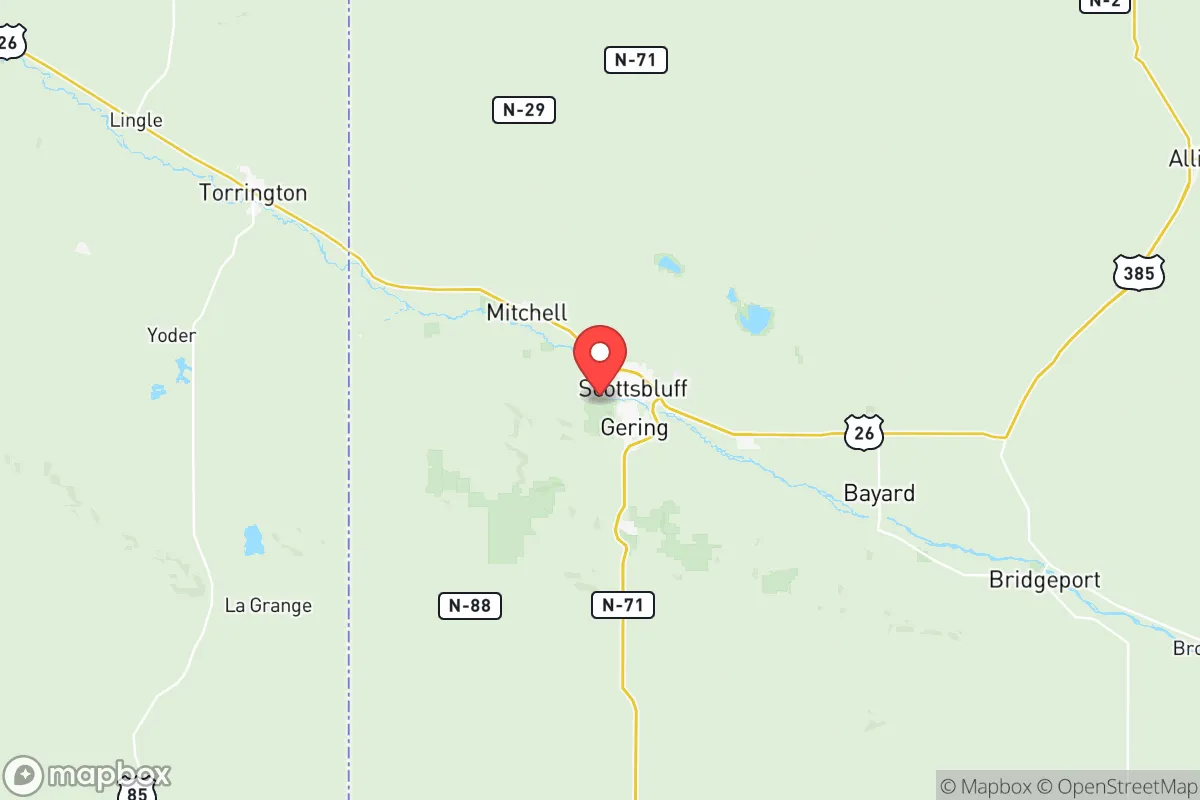
Scotts Bluff County, Nebraska, offers a distinct quality-of-life spectrum anchored by the regional hub of Gering and Scottsbluff, then tapering into quiet agricultural villages and open-range rural homesteads. The county's character shifts noticeably from the convenience-oriented, amenity-rich twin cities to the slower, self-reliant lifestyle of towns like Mitchell and Morrill, and finally to the solitude of unincorporated areas near the Wildcat Hills. People are drawn to different parts of the county based on their tolerance for commute times, their need for services, and their preference for community density, with the entire area benefiting from a cost of living index of 69 (well below the US average of 100).
Largest town(s) & population centers
The county's economic and social engine is the contiguous urban area of Scottsbluff (pop. ~14,900) and Gering (pop. ~8,400). Daily life here revolves around the amenities of a small city: Regional West Medical Center is the primary employer and trauma center for a multi-county area, while retail corridors along Avenue I and Highway 92 provide grocery chains, big-box stores, and dining options. Gering, situated at the base of the Scotts Bluff National Monument, offers a quieter, more historic downtown with local shops and a stronger sense of civic identity. Commute times in this core average 13.7 minutes, making errands and work commutes exceptionally short. Residents here trade some rural quiet for walkable neighborhoods, school options (Scottsbluff Public Schools and Gering Public Schools), and access to the county's cultural events at the Midwest Theater and the Legacy of the Plains Museum.
Smaller towns & rural pockets
Moving west along the North Platte River valley, Mitchell (pop. ~1,500) and Morrill (pop. ~900) represent the county's agricultural service centers. Mitchell is known for its strong sugar beet processing heritage and the annual Mitchell Corn Palace Festival, offering a tight-knit community where most residents know each other by name. Morrill, further west, is even quieter, with a single main street, a post office, and a handful of local businesses serving surrounding farm and ranch families. The rural pockets between these towns—particularly along the county roads near the Wildcat Hills State Recreation Area and the unincorporated community of Lyman—are characterized by irrigated cropland, cattle operations, and widely spaced farmsteads. These areas lack municipal utilities and require private wells and septic systems, appealing to those seeking maximum privacy and land ownership.
Cost & lifestyle range
The cost spread across Scotts Bluff County is narrow by national standards but meaningful locally. At the low end, the median home value of $161,400 and median rent of $889 make Scottsbluff's older neighborhoods (e.g., the South Side near the hospital) the most affordable entry point for first-time buyers or renters. In contrast, newer subdivisions in Gering's north end and custom-built homes on acreages near the Wildcat Hills command prices 20-30% higher, though still far below national medians. Utility costs are slightly higher in rural areas due to reliance on propane and private well maintenance, while town residents benefit from municipal water and natural gas. The lifestyle trade-off is clear: Scottsbluff/Gering residents pay slightly more for housing but gain walkability, schools, and healthcare within minutes; rural residents pay less for land but accept longer drives (15-25 minutes) to the nearest grocery store or clinic.
This county is best suited for people who value affordability, short commutes, and a slower pace of life without sacrificing essential services. Families working in agriculture, healthcare, or education will find the most balance in Gering or Scottsbluff, while retirees and remote workers seeking land and solitude will prefer the rural stretches near Mitchell, Morrill, or the Wildcat Hills. The county's low cost of living and strong sense of community make it a practical choice for those who prioritize financial stability and outdoor recreation over urban nightlife or career diversity.

Crime in Scotts Bluff County
Generally safer than 65% of comparable U.S. locations.
Violent CrimeViolent Crime Analysis
Property CrimeProperty Crime Analysis
Crime Analysis
Scotts Bluff County, anchored by the city of Gering and the larger Scottsbluff, presents a mixed safety picture that is heavily shaped by its role as the regional economic and population hub of the Nebraska Panhandle. While the county’s violent crime rate of 219.7 incidents per 100,000 residents is notably lower than the national average, its property crime rate of 1,391.6 per 100,000 exceeds both state and national benchmarks, indicating that theft and vandalism are the primary public safety concerns for most residents. The county’s justice system, operating under the 12th Judicial District, has historically taken a more conservative approach to sentencing compared to urban Nebraska counties, which influences how crime is prosecuted and managed across communities like Scottsbluff, Gering, Terrytown, Mitchell, and Morrill.
Crime in context
When placed against broader benchmarks, Scottsbluff County’s violent crime rate of 219.7 per 100,000 sits roughly 25% below the national average of about 380 per 100,000, placing it in a safer tier than many Midwestern counties of similar population density. However, the property crime rate of 1,391.6 per 100,000 is significantly elevated — roughly 30% higher than the national average of approximately 1,100 per 100,000 and well above Nebraska’s statewide property crime rate of around 1,200 per 100,000. This disparity is largely driven by incidents in Scottsbluff itself, the county’s largest city, where property crimes such as motor vehicle theft and burglary are concentrated. By contrast, smaller communities like Morrill and Lyman report far fewer incidents, pulling the county’s overall violent numbers down while property crime remains stubbornly high due to the urbanized core around Scottsbluff and Terrytown.
What residents experience
For those living in Scotts Bluff County, the daily reality of safety varies sharply by location. In Scottsbluff, residents frequently cite property crime — including theft from vehicles, garage break-ins, and occasional retail theft — as a recurring nuisance, though violent confrontations are rare and typically isolated to known individuals. The city’s police department has maintained a community-oriented policing model, but the presence of a progressive-leaning district attorney’s office in the 12th Judicial District has raised concerns among some residents about lenient plea deals and reduced sentences for repeat property offenders. In Gering, directly adjacent to Scottsbluff, the atmosphere is noticeably quieter, with lower crime rates attributed to a more conservative local government and a police force that emphasizes proactive enforcement. Terrytown, a smaller enclave within the county, experiences crime patterns similar to Scottsbluff due to its proximity and shared socioeconomic challenges, while Mitchell and Morrill remain the safest options for families seeking low crime rates, with violent crime nearly absent and property crime limited to occasional agricultural theft.
Neighborhood-level variation within Scottsbluff and Gering is pronounced. The area around Broadway Avenue in Scottsbluff sees higher foot traffic and associated petty crime, while residential neighborhoods near the Oregon Trail Park and the Gering Golf Course report minimal incidents. The county’s rural stretches, particularly west of the North Platte River, are extremely safe, with crime largely limited to trespassing or equipment theft from farms. For prospective residents, the safest housing choices lie in Gering’s newer subdivisions or the small towns of Mitchell and Morrill, where community watch programs and conservative judicial oversight keep crime rates low. Those considering Scottsbluff proper should prioritize properties north of 27th Street and west of Highway 71, where police response times are fastest and property crime is less concentrated.
* Values derived from national, state, county, city and local statistics and may differ in a specific area. Last updated: 2026-06-17T22:17:14.000Z
Narrative content on this page is AI-generated and may contain mistakes. Verify any details that matter before acting on them.
ReloMaps may earn a commission from affiliate links at no extra cost to you.

