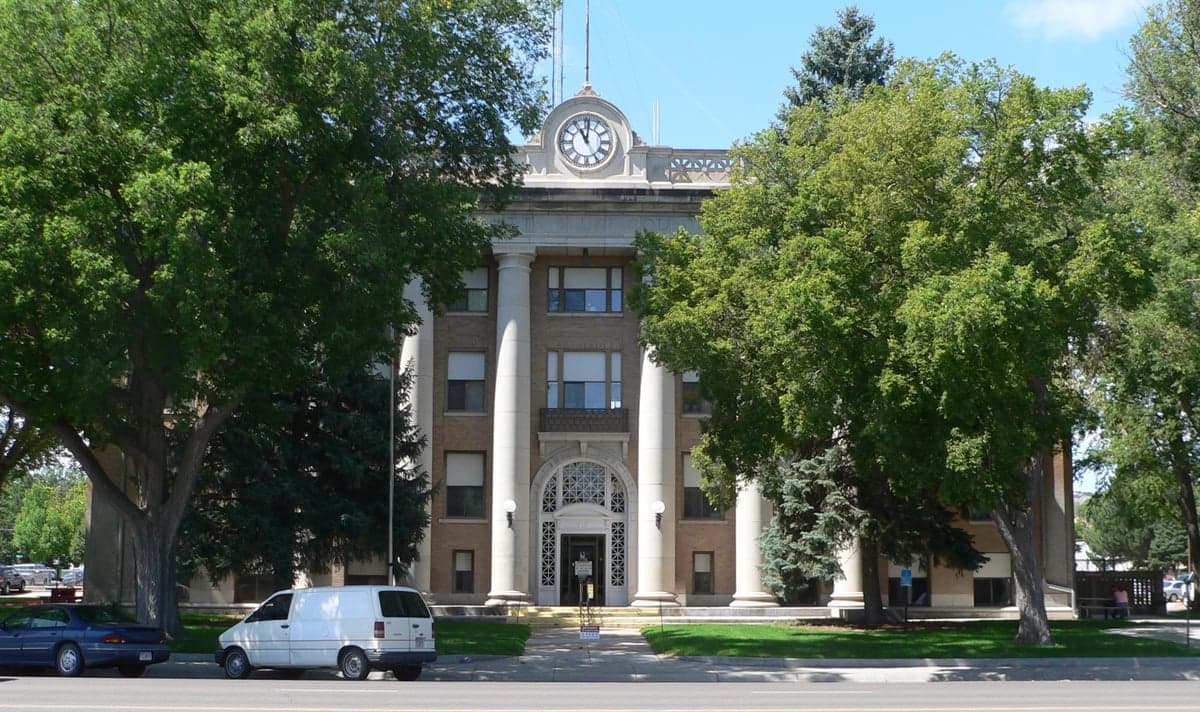
Photo: Wikipedia
Find The Best Places To Live in Scotts Bluff County
PRO TIP! You can paste a Zillow or Redfin link to get info on that property.
Best Places to Live in Scotts Bluff County
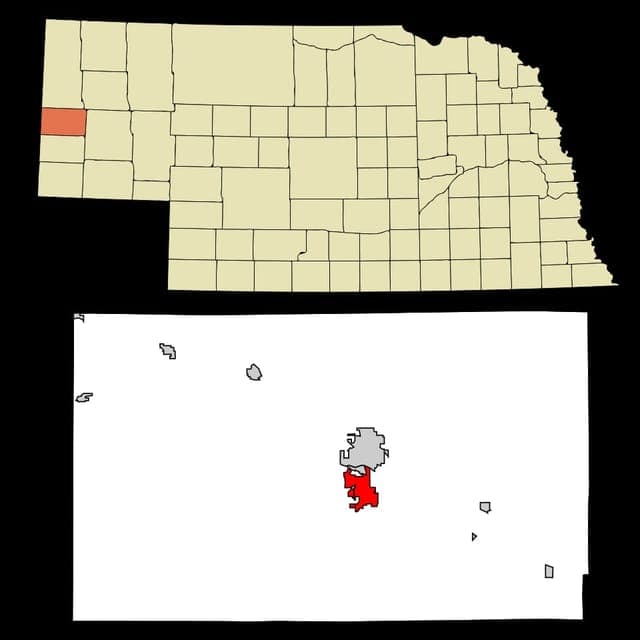
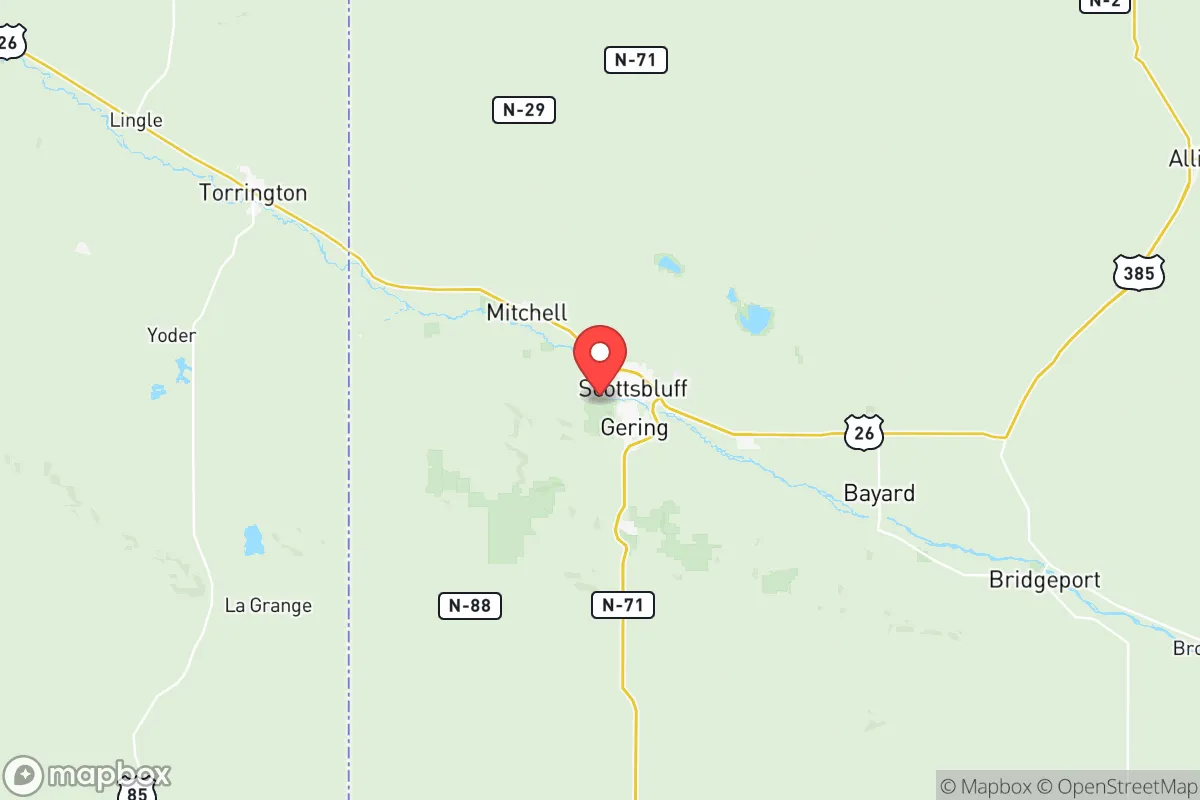
Cities & Towns in Scotts Bluff County
Cities in Scotts Bluff County
What It's Like Living in Scotts Bluff County, NE
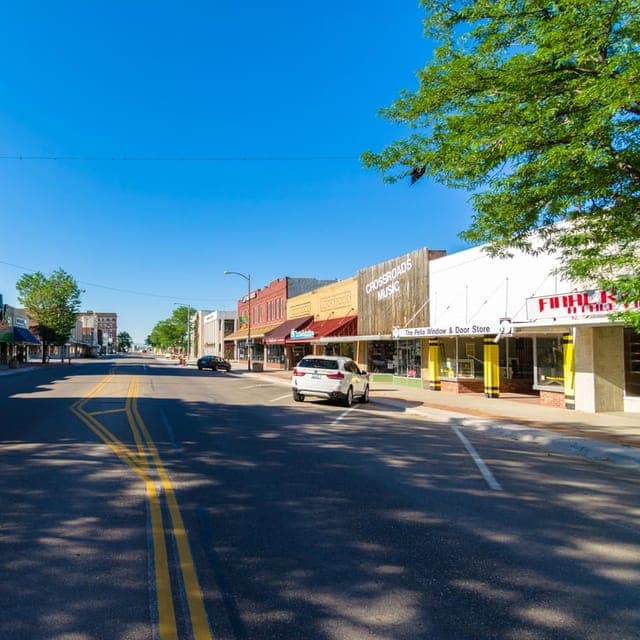
Living in Scotts Bluff County means trading the frantic pace of a big city for a life where the Nebraska Panhandle’s wide-open skies and the dramatic rise of the bluffs set the daily backdrop. It’s a place where the county’s roughly 36,000 residents are spread across a mix of small cities like Gering, Scottsbluff, and Terrytown, alongside quieter towns like Mitchell and Morrill, and the surrounding rural farmsteads. The vibe is practical, community-oriented, and rooted in the rhythms of agriculture and family, making it a fit for people who value space, a slower tempo, and knowing their neighbors.
Daily Rhythm and the People Who Call It Home
Most days here start early. The average commute clocks in at under 14 minutes, so the idea of a long, grinding drive is foreign to most residents. People in Scottsbluff might grab coffee at a local spot before heading to work at regional employers like Regional West Medical Center or the many agribusinesses that dot the county. In Gering, the county seat, a lot of daily life revolves around the courthouse and local schools. The median age of 39.8 suggests a community of established families and mid-career professionals, and the median household income of $60,960 reflects a stable, if not wealthy, working and middle-class base. This isn’t a place for someone seeking high-flying corporate glamour; it’s for folks who value a job that lets them be home for dinner and a weekend spent on projects around the house or at a kid’s ballgame.
With a cost of living index of 69—well below the national average of 100—your money genuinely goes further here. A median home value of $161,400 means a family can buy a solid, older house with a yard for what would be a down payment in a coastal city. The trade-off is that only about a quarter of adults hold a college degree, so the professional job market is narrower, and some residents find themselves commuting to Scottsbluff or Gering for work from more rural spots like Mitchell or Morrill.
Sports, Community Gatherings, and Weekend Life
High school sports are a genuine centerpiece of community life. On a Friday night in the fall, the stands are packed for Scottsbluff High School football, and the rivalry games between Scottsbluff and Gering are the kind of events that draw crowds from across the county. Basketball and wrestling also have strong followings, with the Nebraska Panhandle producing its share of state contenders. Beyond the schoolyard, the community gathers for events like the Oregon Trail Days in Gering, a multi-day festival with a parade, carnival, and rodeo that celebrates the area’s pioneer history. For a quieter weekend, residents head to the Wildcat Hills State Recreation Area for hiking and wildlife viewing, or spend a summer evening at the Scotts Bluff National Monument, which offers a stunning view of the North Platte River Valley.
When it comes to eating out, it’s a mix of familiar chains and local staples. In Scottsbluff, you’ll find spots like the Flyover Brewing Company for a local craft beer, or a classic steakhouse for a Nebraska beef dinner. The social scene is more about gathering at a friend’s house, a church potluck, or a local sports bar than a bustling nightclub district. For big-city entertainment, residents accept that a trip to Denver is a solid three-hour drive, which makes the local movie theater and community theater productions in Gering more important than they might be elsewhere.
Honest Pros and Cons of Life in the Panhandle
What longtime residents love most is the genuine sense of safety and belonging. The violent crime rate of 219.7 per 100,000 people is a real concern—higher than the national average—but it’s often concentrated in specific areas of Scottsbluff, and many rural parts of the county feel very secure. The trade-off for that safety and space is a lack of sheer variety. The weather is a defining factor: winters are long and cold with biting winds, and summers can bring intense heat and the occasional severe thunderstorm. The seasonal rhythm is real, with a short, intense growing season that dictates the pace of life for anyone in agriculture.
Another frustration for some is the distance to major amenities. While the county has solid essentials, anything from a major concert to an IKEA or a specialized medical appointment means a drive. For families, the schools are a mixed bag; some are highly regarded for their community involvement, but the rural nature of the county means smaller schools with fewer elective and advanced placement options than a suburban district might offer. Ultimately, living in Scotts Bluff County is a choice for a specific kind of life—one that prizes community, affordability, and the quiet beauty of the plains over the constant stimulation and convenience of a major metro area.

* Values derived from national, state, county, city and local statistics and may differ in a specific area. Last updated: 2026-06-17T22:17:14.000Z
Narrative content on this page is AI-generated and may contain mistakes. Verify any details that matter before acting on them.
ReloMaps may earn a commission from affiliate links at no extra cost to you.

