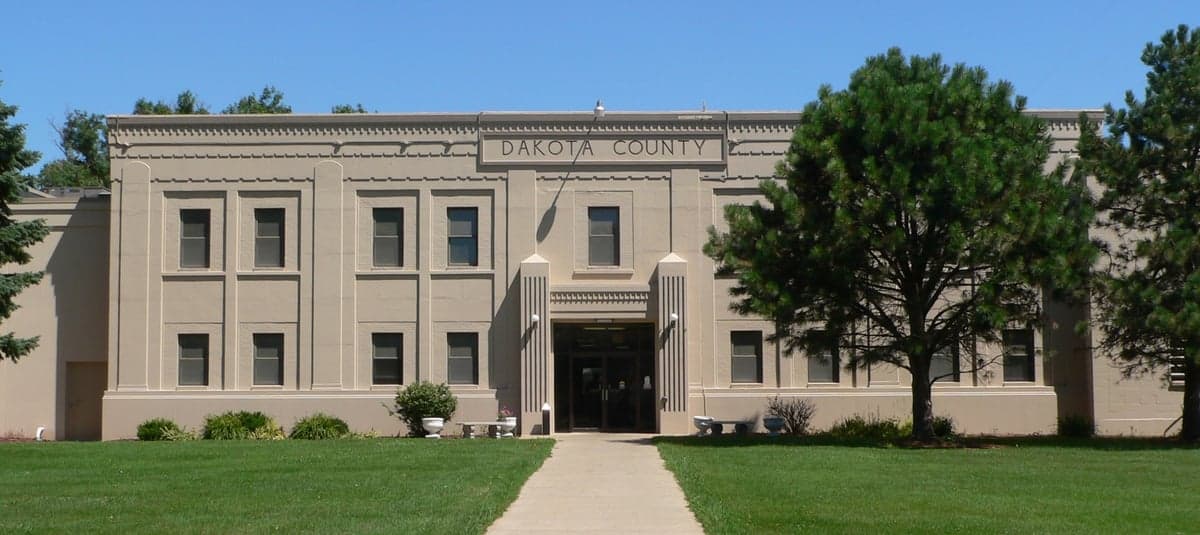
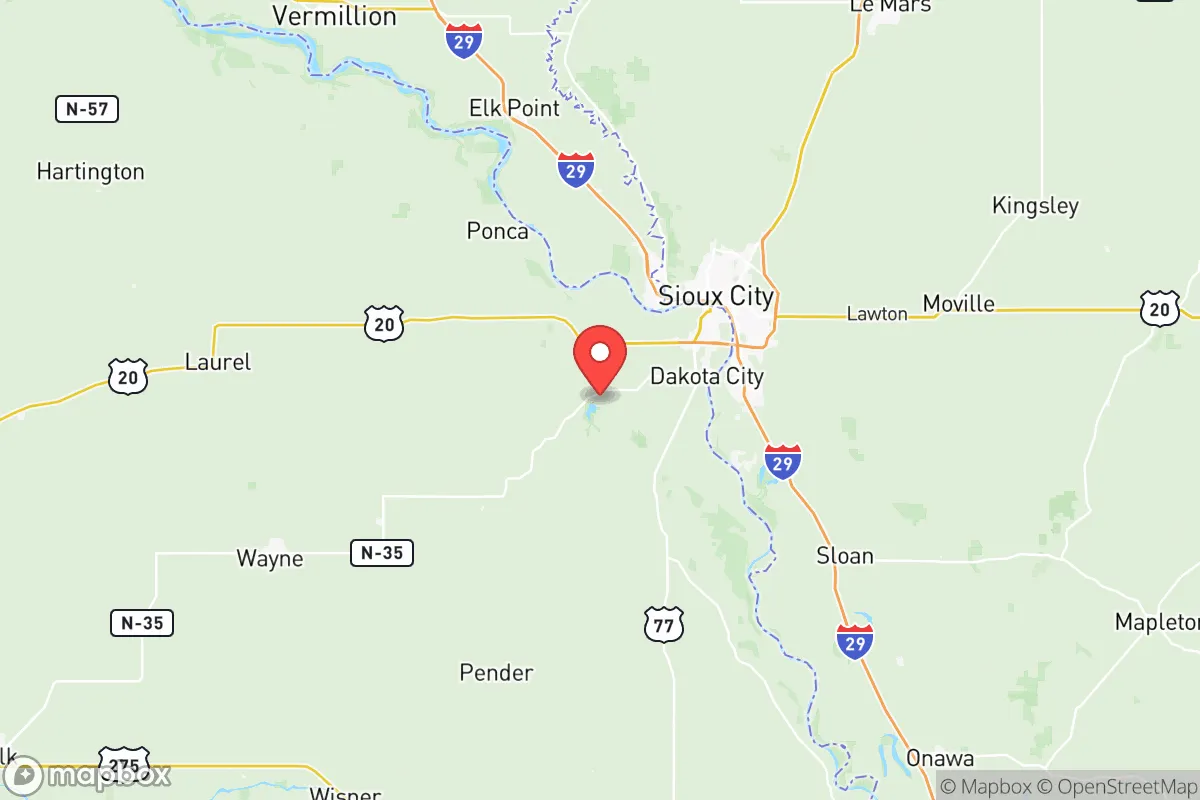
Photo: Wikipedia
Find The Best Places To Live in Dakota County
PRO TIP! You can paste a Zillow or Redfin link to get info on that property.
Best Places to Live in Dakota County
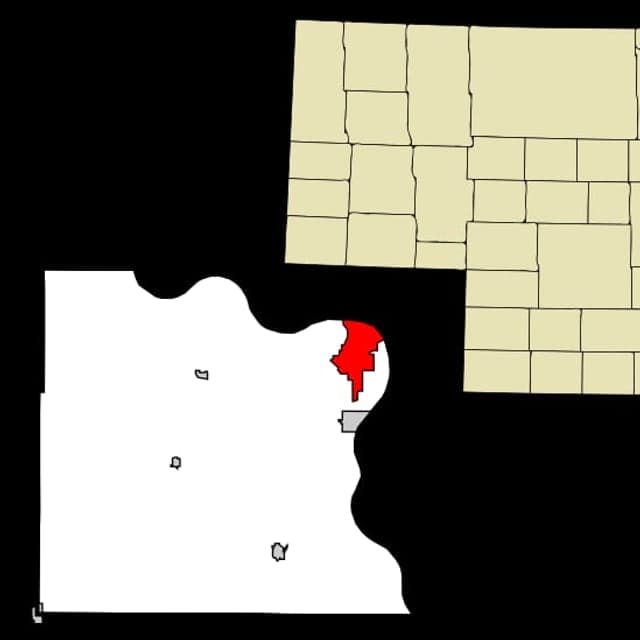
Cities & Towns in Dakota County
Cities in Dakota County
What It's Like Living in Dakota County, NE
Living in Dakota County, Nebraska, feels a lot like being part of a well-worn, practical work boot—sturdy, reliable, and built for the long haul. This is a place where the Missouri River shapes the horizon, the economy hums along with industrial and agricultural rhythms, and the biggest decision on a Friday night is whether to catch a high school football game in South Sioux City or grab a burger at a local spot in Dakota City. With a population just over 21,000, the county is small enough that you’ll recognize faces at the grocery store, but large enough to have real amenities, thanks largely to its anchor city, South Sioux City, and its proximity to the larger Sioux City metro area across the river in Iowa.
The Daily Grind: Work, Commute, and Where You Actually Spend Your Time
For most people here, daily life is defined by a short, predictable commute—the average is just over 14 minutes, which means you’re not burning gas or time sitting in traffic. The biggest employers are often tied to manufacturing, logistics, and agriculture, with places like the Dakota City Tyson Foods plant and various agribusinesses in South Sioux City providing steady, blue-collar work. You’ll find a mix of younger families and single workers, drawn by a median age of just 32.1 and a cost of living index of 78—well below the national average. That low cost of living is a huge draw: a median home value of $168,100 means a decent house is within reach for a lot of people who’d be priced out of Omaha or Lincoln. The trade-off is that only about 15% of adults hold a college degree, so the professional white-collar job market is thinner. People here tend to be hands-on, practical, and value a hard day’s work over a flashy resume.
Weekends are often spent on practical errands—a trip to the South Sioux City Walmart or the local Fareway for groceries, maybe a stop at the Dakota City library or a visit to one of the county’s parks along the river. The Missouri River offers decent fishing and boating, and the Dakota Dunes area (a small, unincorporated community within the county) has a golf course and some newer housing that feels a step up from the older neighborhoods. The weather is classic Plains: hot, humid summers, cold, windy winters, and a glorious but brief spring and fall. You learn to dress in layers and keep a snow shovel handy from November through March.
Friday Night Lights and Community Ties: Sports and Local Identity
High school sports are the undisputed social currency here. South Sioux City High School (the Cardinals) and Dakota City’s Dakota High School (the Eagles) are the heart of community pride. On a fall Friday, the entire town seems to empty out for the football game. It’s not just about the sport—it’s where you catch up with neighbors, see the local farmers, and support the kids you’ve watched grow up. Basketball and wrestling also draw big crowds in the winter. There’s no pro sports team in the county, but the Sioux City Explorers (minor league baseball) and Sioux City Musketeers (hockey) are just a 15-minute drive across the river in Iowa, giving residents an easy, affordable pro-sports fix. The identity here is proudly Nebraskan, but with a distinct river-town, blue-collar edge that feels different from the state’s agricultural interior.
Cultural quirks are subtle but real. The county has a notable Hispanic population, especially in South Sioux City, which brings great Mexican food—think authentic taquerias and panaderias that you won’t find in a lot of other small Nebraska towns. The Dakota County Fair in Dakota City is a big deal each summer, with rodeos, livestock shows, and carnival rides. It’s a genuine slice of rural life, not a tourist attraction. The biggest frustration for many is the lack of late-night entertainment or diverse dining options. If you want a fancy dinner or a live music venue beyond a cover band at the VFW, you’re driving to Sioux City or, for a bigger trip, Omaha (about 90 minutes south).
Pros and Cons: The Honest Trade-Offs of Living Here
Let’s be real: Dakota County isn’t for everyone. The pros are clear: affordable housing, a low cost of living, short commutes, and a strong sense of community. You can buy a home here on a single income that would be a stretch in a bigger city. The violent crime rate of 219.7 per 100,000 is slightly above the national average, but it’s concentrated in specific areas of South Sioux City; most of the county feels safe, and people rarely lock their doors in the smaller towns like Homer or Jackson. The schools are a mixed bag—some are solid, but funding is tight, and the more rural districts struggle with enrollment. The median household income of $71,655 is respectable for the area, but it doesn’t go as far if you have major medical bills or need specialized services.
On the downside, entertainment and career options are limited. If you’re a single professional in your 20s without a family, you might feel the lack of a social scene. The weather is harsh in winter, and the job market is heavily tilted toward manufacturing and agriculture. If you lose your job at the plant, there aren’t a dozen other options waiting. The county is also politically conservative, which fits the target audience here, but it means less diversity of thought and lifestyle than you’d find in a college town. For families, though, the trade-offs are often worth it: kids can play outside safely, you know your neighbors, and the pace of life is slow enough that you actually have time to enjoy it. It’s a place where you trade convenience and variety for affordability and belonging—and for a lot of people, that’s exactly the right deal.

* Values derived from national, state, county, city and local statistics and may differ in a specific area. Last updated: 2026-07-08T02:09:17.000Z
Narrative content on this page is AI-generated and may contain mistakes. Verify any details that matter before acting on them.
ReloMaps may earn a commission from affiliate links at no extra cost to you.

