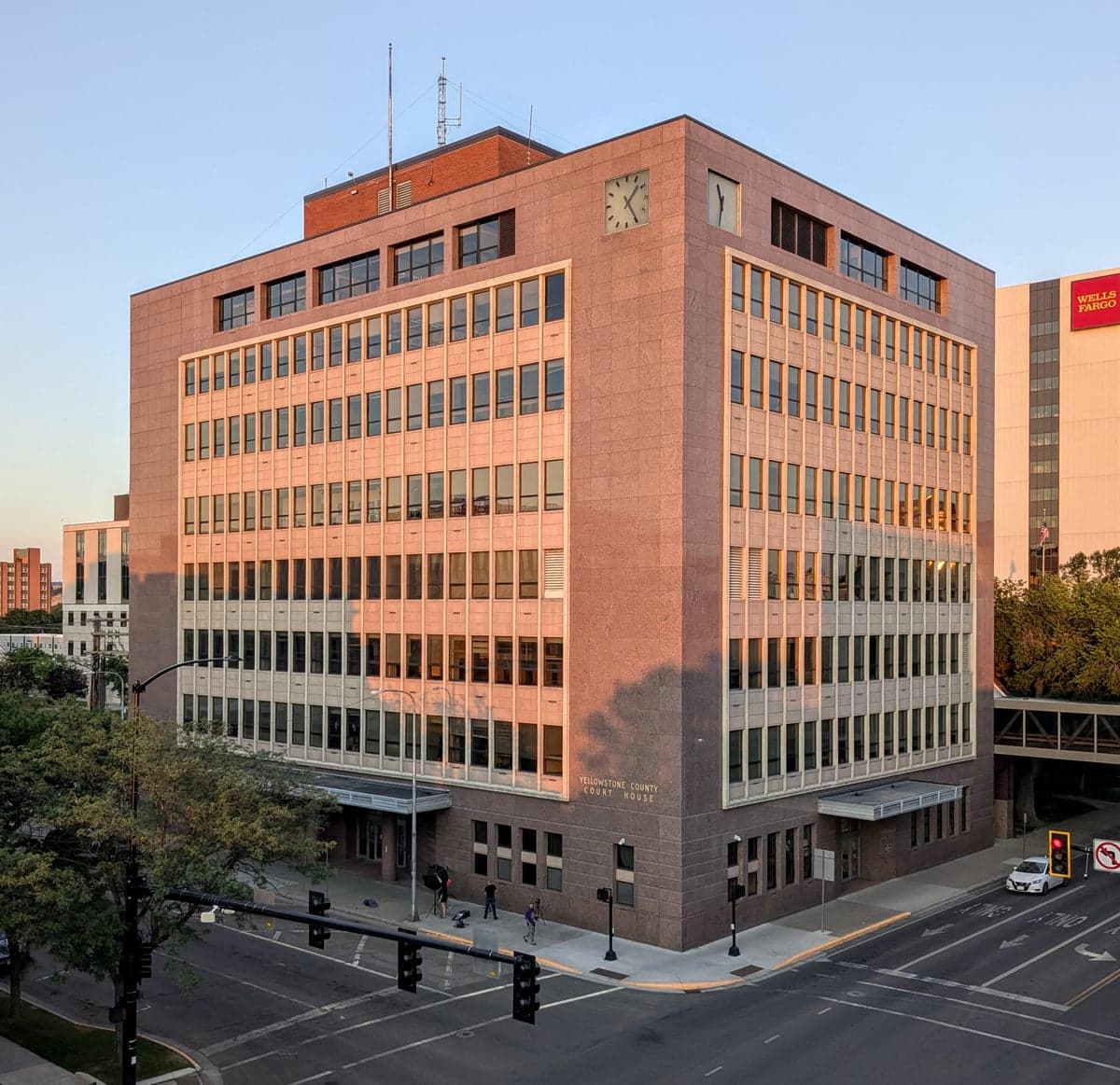
Photo: Wikipedia
Quality of Life in Yellowstone County
A livable area that tracks near national norms for affordability, walkability, and neighborhood health.
What does Quality of Life tell us?
Quality of Life measures an area by evaluating factors like cost of living, nearby amenities, country club access, airport proximity, socioeconomic signals and neighborhood character. For large states, this is a general average — quality of life can vary dramatically between metro areas, suburbs, and rural communities within the same state.
What does this tell us?
Quality of Life measures an area by evaluating factors like cost of living, nearby amenities, country club access, airport proximity, socioeconomic signals and neighborhood character. For large states, this is a general average — quality of life can vary dramatically between metro areas, suburbs, and rural communities within the same state.
Cost of Living
1% above national average
82%
The Real Cost of Living in Yellowstone County for 2026
| Tier | Individual | Family (4) |
|---|---|---|
| Survival | $17k | $33k |
| Comfortable | $62k | $91k |
| Luxury | $134k+ | $208k+ |
| Elite (Top 5%) | $164k+ | $255k+ |
Quality-of-Life Analysis
Yellowstone County, Montana, offers a broad quality-of-life spectrum that ranges from the urban energy of its largest city to the quiet solitude of its remote plains and river valleys. The county's character shifts dramatically across its geography, drawing professionals and families to Billings for jobs and amenities, while attracting retirees, ranchers, and outdoor enthusiasts to smaller communities like Laurel, Shepherd, and Huntley. With a cost-of-living index of 101 (on par with the national average) and a median home value of $317,600, the county provides a relatively affordable entry point to Montana living, though the experience varies significantly depending on where you settle.
Largest town(s) & population centers
Billings is the county's undisputed hub and Montana's largest city, home to roughly 120,000 residents. Daily life here centers on a robust economy anchored by healthcare (Billings Clinic, St. Vincent Healthcare), energy, and logistics, with the Yellowstone River running through the city's core. The average commute of just over 18 minutes is notably short for a city of its size, making it practical for workers to live in suburban neighborhoods like the Heights or West End and still reach downtown offices quickly. Billings offers the state's best shopping, dining, and cultural amenities, including the Alberta Bair Theater and ZooMontana, but also carries higher housing costs: the median home value of $317,600 is concentrated in Billings proper, where newer subdivisions in the West End push prices above the county average. Renters fare better, with a median rent of $1,084 that undercuts many comparable Western cities.
Smaller towns & rural pockets
Outside Billings, the county's smaller communities offer a markedly different pace. Laurel (pop. ~7,000), 15 miles west of Billings, retains a small-town feel with its historic downtown and proximity to the Yellowstone River, attracting families who want lower home prices and a quieter lifestyle while still commuting to Billings for work. Shepherd and Huntley, both unincorporated communities along the Yellowstone Valley east of Billings, are agricultural crossroads where residents live on acreages or in modest subdivisions, with the Huntley Project irrigation district supporting local farms. Further south, Worden and Ballantine are tiny hamlets (populations under 500) where life revolves around grain elevators, volunteer fire departments, and the nearby Yellowstone River for fishing and floating. These areas lack the retail and healthcare infrastructure of Billings, but offer land, privacy, and a strong sense of community that urban transplants often seek.
Cost & lifestyle range
The cost-of-living spread across Yellowstone County is significant. At the high end, Billings' West End and newer subdivisions near the airport see home values exceeding $400,000, with monthly rents for a two-bedroom apartment often topping $1,300. These areas provide walkable shopping centers, top-rated schools like Billings West High, and quick access to the interstate. At the low end, rural properties in Shepherd, Worden, or the remote stretches of the county east of Billings can be found for under $250,000, though buyers often sacrifice proximity to jobs and services. Renters in these areas pay closer to $800–$900 for older homes or duplexes. The lifestyle trade-off is clear: Billings offers convenience, entertainment, and career opportunities, while the smaller towns and rural pockets deliver space, lower costs, and a connection to Montana's agricultural heritage. The county's median rent of $1,084 and average commute of 18 minutes reflect a middle ground that works well for most residents, but those seeking extreme affordability or urban density will need to look to the county's edges.
Who thrives in Yellowstone County? Professionals and families who want a genuine Montana experience without sacrificing urban amenities will find Billings a practical base. Retirees and remote workers drawn to the county's lower cost of living compared to Bozeman or Missoula often settle in Laurel or the rural valley communities. Ranchers, farmers, and those seeking a self-sufficient lifestyle are best suited to the unincorporated areas east of Billings, where land is still available and neighbors are few. The county's diversity of options means that whether you need a downtown loft, a suburban starter home, or a 20-acre homestead, Yellowstone County has a place that fits — provided you're willing to drive a bit for groceries and healthcare if you choose the rural end of the spectrum.

Crime in Yellowstone County
Generally safer than 57% of comparable U.S. locations.
Violent CrimeViolent Crime Analysis
Property CrimeProperty Crime Analysis
Crime Analysis
Yellowstone County, anchored by Billings, reports a violent crime rate of 419.9 per 100,000 residents and a property crime rate of 1,463.9 per 100,000, placing it above both Montana state averages and national benchmarks. While the county is not among the most dangerous in the state, these figures indicate a notable safety concern, particularly in Billings, where the majority of incidents are concentrated. Residents in outlying communities like Laurel and Lockwood experience a different, generally quieter safety profile, though property crime remains a persistent issue countywide.
Crime in context
Yellowstone County’s violent crime rate of 419.9 per 100,000 is roughly 20% higher than the national average and significantly exceeds Montana’s statewide rate of approximately 380 per 100,000. Property crime in the county, at 1,463.9 per 100,000, also outpaces the national average of about 1,954 per 100,000 but is notably lower than in many urban counties in the Pacific Northwest. The county’s numbers are heavily influenced by Billings, which accounts for over 70% of the county’s population and a disproportionate share of its crime. By contrast, smaller towns like Worden and Shepherd report far fewer incidents, often with violent crime rates below 100 per 100,000. The disparity is driven by Billings’ role as a regional economic and transportation hub, which attracts both opportunity and transient criminal activity.
What residents experience
For most residents, property crime is the more tangible threat. Vehicle break-ins, theft from construction sites, and package theft are common complaints in Billings neighborhoods, particularly near the downtown core and along the South Side. Violent crime, while less frequent, is not random: assaults and robberies are often tied to domestic disputes or drug-related activity, especially involving methamphetamine, which remains a persistent issue in the county. The Yellowstone County Attorney’s Office has pursued aggressive prosecution in recent years, but critics point to a revolving-door justice system in Billings Municipal Court, where progressive diversion programs have been criticized for allowing repeat offenders back onto the streets quickly. This dynamic is especially concerning in areas like the Heights neighborhood, where residents report feeling that property crime is under-policed. In contrast, Laurel and Lockwood benefit from smaller police forces with closer community ties, leading to faster response times and higher clearance rates for reported crimes.
Neighborhood-level variation
Safety in Yellowstone County varies sharply by location. Billings’ West End and the newer subdivisions near Shiloh Road are generally considered the safest within the city, with lower crime rates and more private security presence. The downtown core and the South Side, however, see the highest concentrations of both violent and property crime, with some blocks reporting rates double the county average. Outside Billings, Laurel consistently ranks as the safest incorporated town in the county, with a violent crime rate around 150 per 100,000 and property crime roughly half the county average. Lockwood, an unincorporated community, has a mixed reputation: its rural character appeals to families, but its lack of a dedicated police force means it relies on the Yellowstone County Sheriff’s Office, which can lead to longer response times. For those considering a move, the safest bet is to focus on the West End of Billings or the smaller towns of Laurel and Worden, while avoiding the downtown Billings core and the South Side if personal safety is a top priority.
* Values derived from national, state, county, city and local statistics and may differ in a specific area. Last updated: 2026-06-16T02:20:33.000Z
Narrative content on this page is AI-generated and may contain mistakes. Verify any details that matter before acting on them.
ReloMaps may earn a commission from affiliate links at no extra cost to you.

