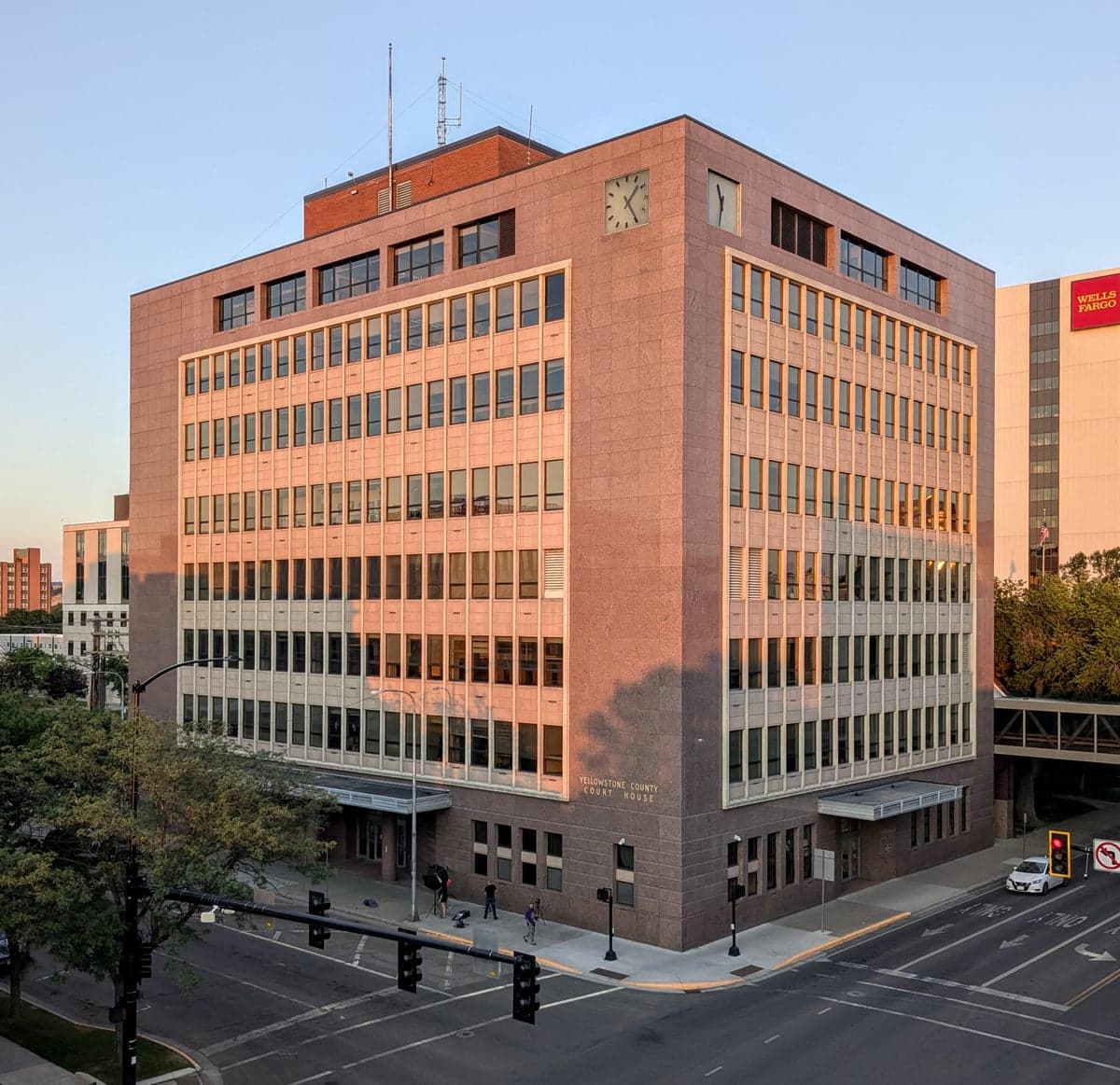
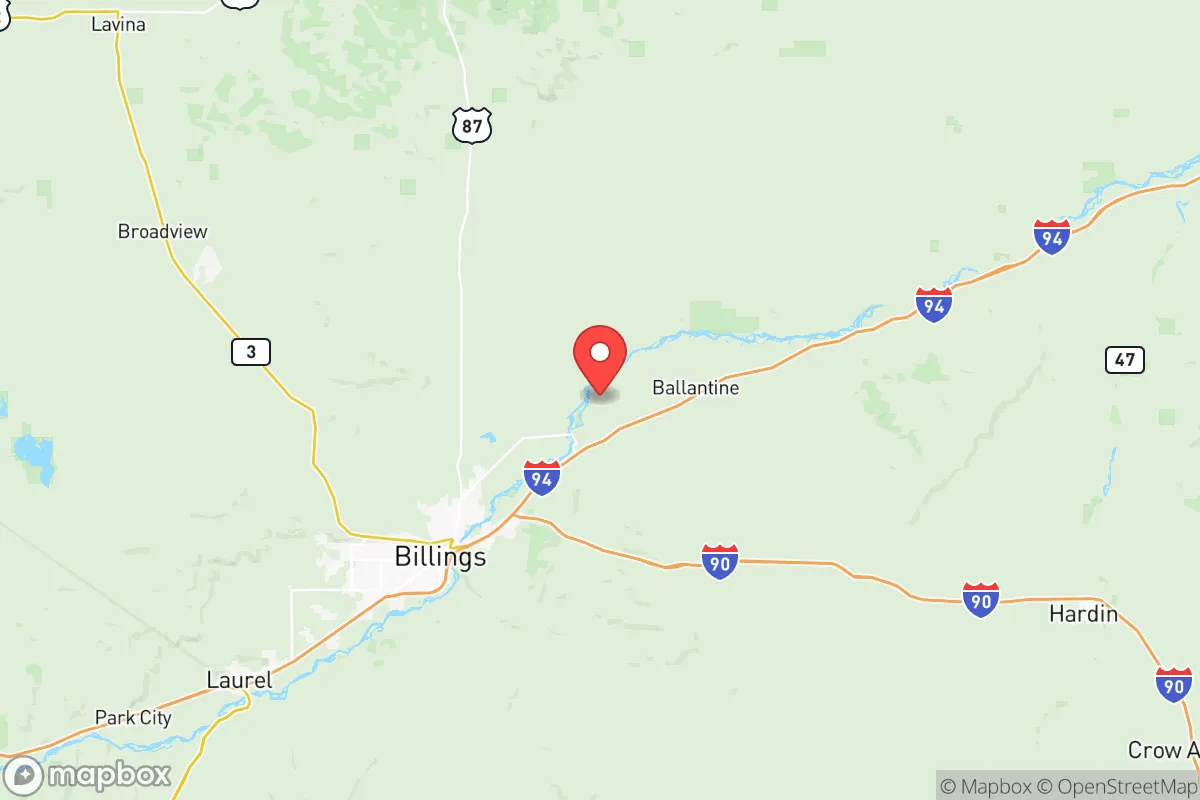
Photo: Wikipedia
Find The Best Places To Live in Yellowstone County
PRO TIP! You can paste a Zillow or Redfin link to get info on that property.
Best Places to Live in Yellowstone County
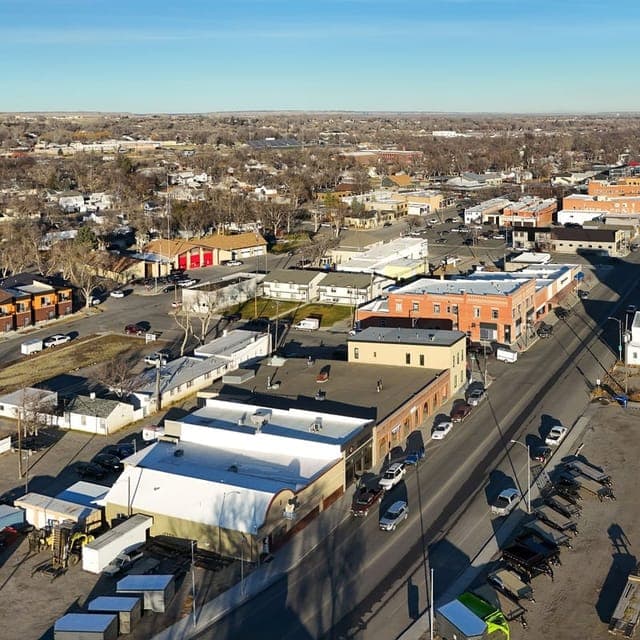
Cities & Towns in Yellowstone County
Cities in Yellowstone County
What It's Like Living in Yellowstone County, MT
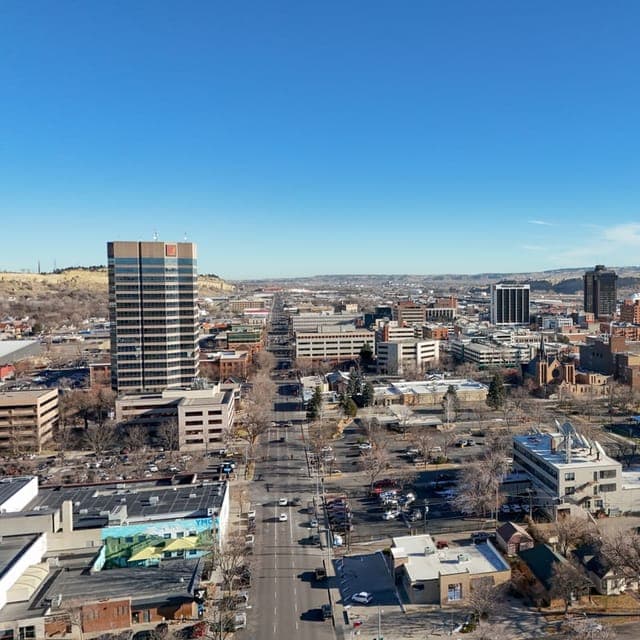
Living in Yellowstone County, Montana means trading the frantic pace of a big city for a landscape where the horizon stretches forever and the Missouri River cuts through the heart of everything. The county’s anchor, Billings, gives you the amenities of a regional hub—think Costco runs and a decent airport—while towns like Laurel, Lockwood, and tiny Huntley offer a quieter, more rural rhythm. It’s a place where people still wave from their trucks, where Friday night lights are a big deal, and where the weather keeps you humble.
The Daily Rhythm: From Billings to the Backroads
Most days in Yellowstone County revolve around work, family, and the outdoors. The average commute is a merciful 18.5 minutes, meaning you can live in a place like Shepherd or Worden and still get to a job in Billings without losing your morning to traffic. The median income sits at $74,400, which goes further here than in many parts of the country—the cost of living index is 101, just a hair above the national average. That said, the median home value of $317,600 has climbed noticeably in recent years, pricing out some first-time buyers who remember when a decent starter home in Billings Heights cost half that.
People here spend their weekends differently depending on which part of the county they call home. In Billings, you’ll find families at the Rimrock Mall or grabbing a burger at the legendary Walkers Grill on Grand Avenue. In Laurel, the social scene often revolves around the high school gym or the Yellowstone River, where folks fish for walleye and catfish. Lockwood, a growing unincorporated area, feels like a bedroom community with its own strip malls and a strong sense of local identity. The kind of person who fits in here is someone who values self-reliance—someone who doesn’t mind a little wind and snow, and who appreciates that a helping hand is never far away.
Sports, Community, and the Things That Bring People Together
If you want to understand Yellowstone County, look at what fills the bleachers. High school sports are a genuine pillar of community life—Friday-night football in Billings West or Laurel is packed, and the Montana State High School Rodeo Finals draw crowds from across the state. On the professional side, the Billings Bulls (junior hockey) and Billings Outlaws (indoor football) have loyal followings, but the real energy is around the Montana State University Billings Yellowjackets basketball games, where the gym gets loud on winter nights.
The county’s biggest annual event is the MontanaFair in Billings, a ten-day August affair with carnival rides, livestock shows, and enough fried food to last a year. For music, the Alberta Bair Theater hosts touring acts and Broadway shows, while the Pub Station in Billings is the go-to for live local bands and craft beer. Outdoor enthusiasts spend their summers floating the Yellowstone River, hiking the trails at Pictograph Cave State Park, or driving out to the Bighorn Canyon National Recreation Area for a weekend of camping and boating.
What Works, What Grates, and What’s Unique
Longtime residents will tell you the pros are real: the sense of space, the lack of traffic jams, the genuine friendliness of strangers. The violent crime rate of 419.9 per 100,000 is higher than the national average, and most of that is concentrated in certain Billings neighborhoods—locals know to keep their car doors locked and avoid walking alone late at night in parts of the South Side. Property crime, especially theft from vehicles, is a persistent annoyance.
The weather is another honest trade-off. Winters are cold and windy, with snow that can linger from November through March. Summers, though, are glorious—hot, dry, and sunny, perfect for evenings on a patio at Montana Brewing Company in downtown Billings. The schools are a mixed bag: Billings Public Schools are the largest district in the state, with some standout elementary schools like Ponderosa, but rural districts like Laurel Public Schools often have smaller class sizes and strong community support.
A cultural quirk you’ll notice: people here are fiercely independent but also deeply community-minded. When a rancher near Huntley needs help with a calving emergency, neighbors show up. When the Yellowstone River floods, volunteers fill sandbags without being asked. That blend of “leave me alone” and “I’ve got your back” is the county’s quiet signature. It’s not a place for everyone—if you need constant nightlife, walkable urbanism, or a mild climate, look elsewhere. But if you want a life where your neighbors know your name and the land still feels wild, Yellowstone County delivers.

* Values derived from national, state, county, city and local statistics and may differ in a specific area. Last updated: 2026-06-16T02:20:33.000Z
Narrative content on this page is AI-generated and may contain mistakes. Verify any details that matter before acting on them.
ReloMaps may earn a commission from affiliate links at no extra cost to you.

