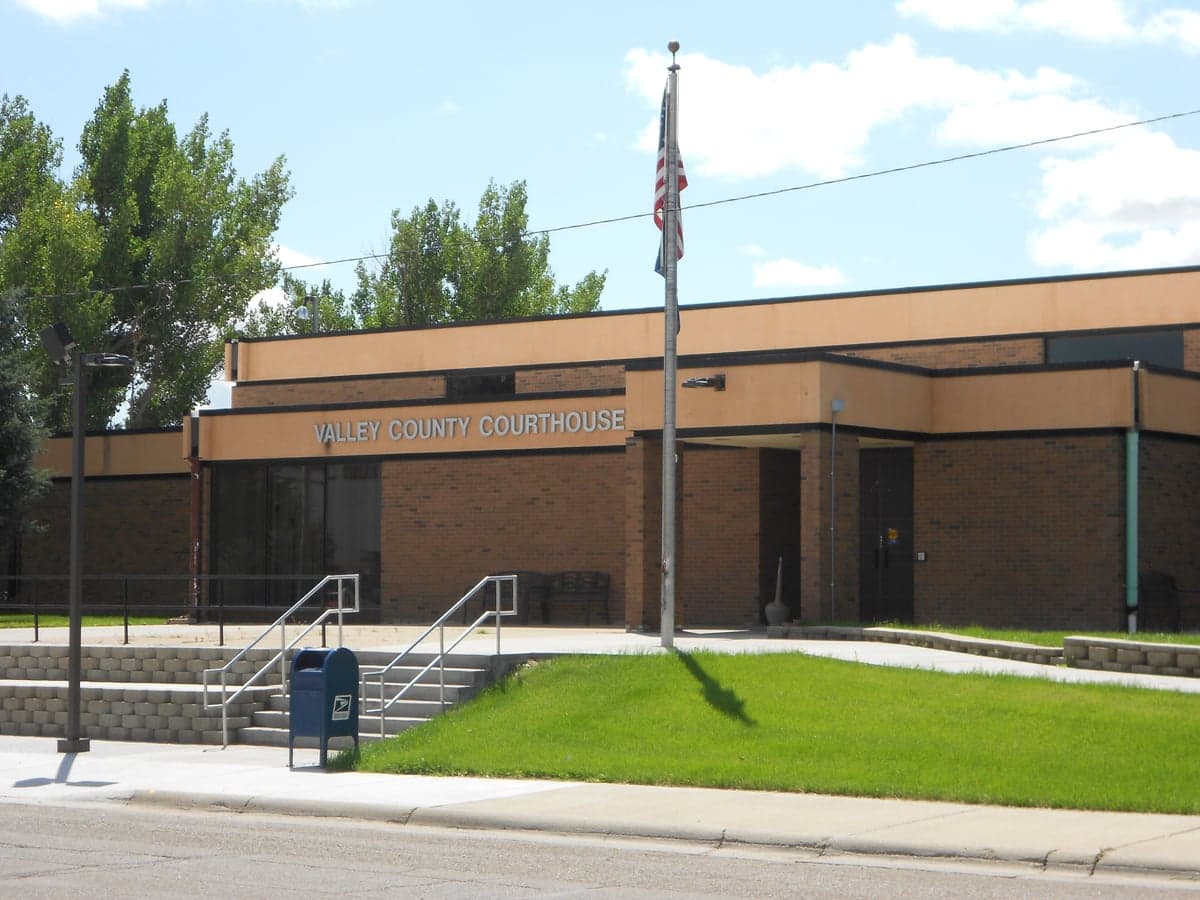
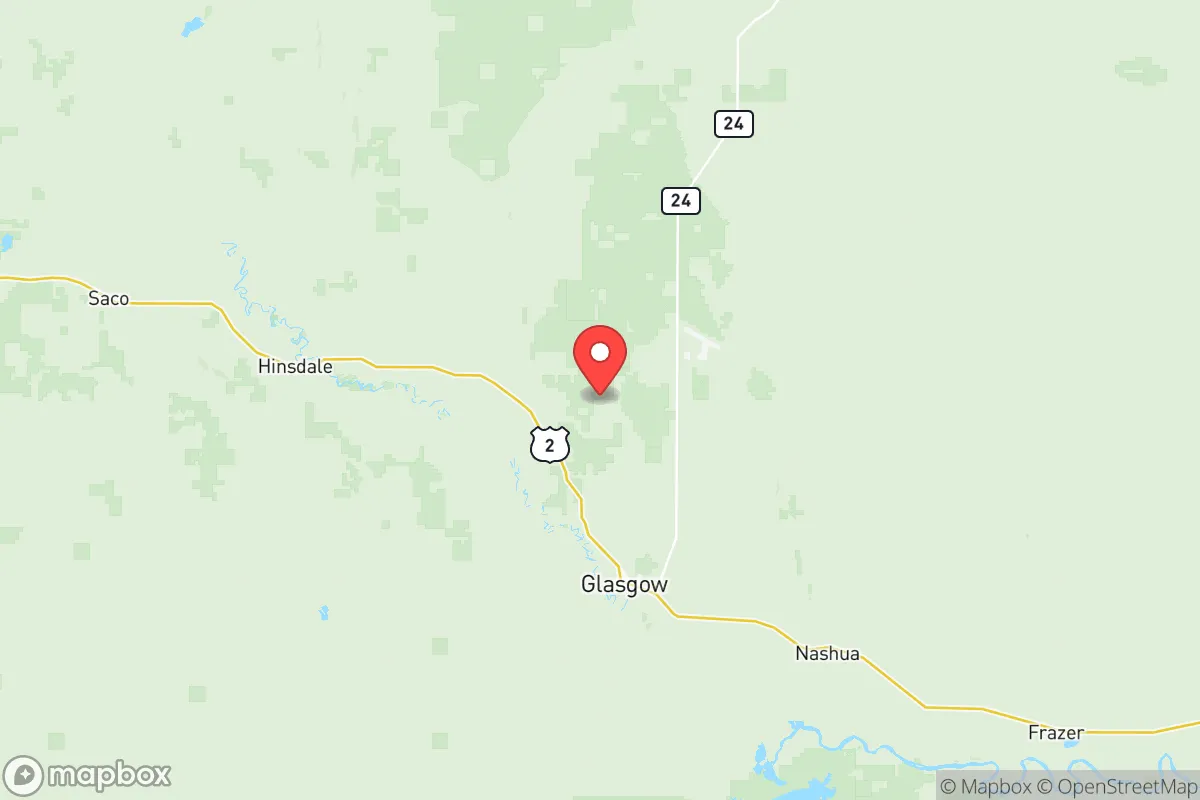
Photo: Wikipedia
Find The Best Places To Live in Valley County
PRO TIP! You can paste a Zillow or Redfin link to get info on that property.
Best Places to Live in Valley County
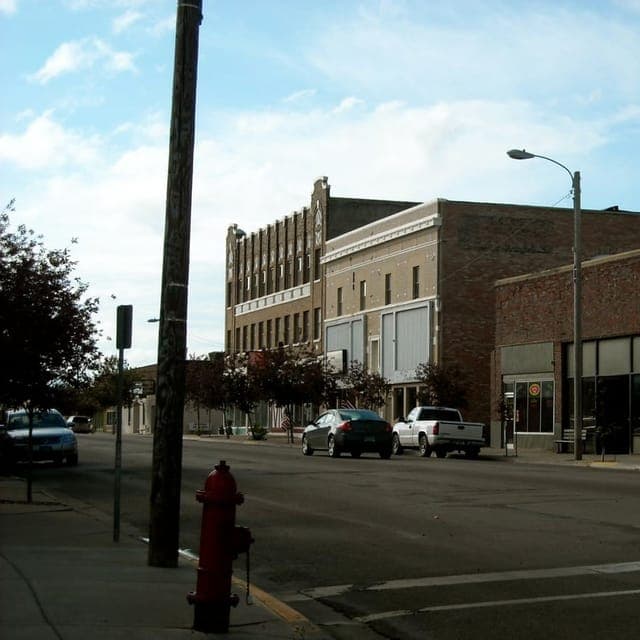
Cities & Towns in Valley County
Cities in Valley County
What It's Like Living in Valley County, MT
Living in Valley County, Montana, feels like stepping into a version of the West that still moves at its own pace—where the Missouri River cuts through wide-open plains, and the nearest traffic jam is a herd of cattle crossing the road. With a population just over 7,500 spread across towns like Glasgow, Fort Peck, and Nashua, this is a place where people know your name, and the quiet stretches of prairie outnumber the streetlights. It’s not for everyone, but for those who value space, self-reliance, and a strong sense of community, it’s hard to beat.
The Daily Rhythm: Slow Mornings and Long Horizons
Life in Valley County is shaped by the land and the seasons. In Glasgow, the county seat and largest town, mornings often start with coffee at the Main Street Café or a quick stop at the local grocery before heading to work. The average commute is just over 15 minutes—a figure that feels almost luxurious compared to the hour-long slogs in Billings or Missoula. Most people work in agriculture, healthcare, or the school system, with the Frances Mahon Deaconess Hospital in Glasgow being a major employer. The median household income sits at $64,515, which stretches further here thanks to a cost of living index of 68—well below the national average. That means a median home value of $198,600 can buy a three-bedroom house with a yard, something that would cost three times as much in Bozeman.
Weekends are for practical pursuits: fixing fences, hunting deer, or driving out to Fort Peck Lake for a day of fishing. In smaller towns like Nashua or St. Marie, the pace is even slower. You’ll see folks gathered at the local gas station or post office, catching up on news. The median age here is 43.2, which reflects a mix of young families raising kids and retirees who’ve come for the solitude. It’s a place where you’re expected to wave at passing cars—and people notice if you don’t.
Sports, Community, and the Things That Bring People Together
High school sports are the heartbeat of Valley County. On a Friday night in the fall, the Glasgow Scotties football games draw nearly the whole town, with parents, grandparents, and even childless couples filling the bleachers. Basketball and wrestling are equally big, and the rivalry with Wolf Point or Malta can spark conversations for weeks. There’s no pro sports team within a three-hour drive, so local athletics take on an outsized importance—they’re the main event, not a minor league sideshow.
Beyond sports, the community gathers for events like the Valley County Fair in Glasgow, which features rodeo, livestock shows, and a carnival that feels like a genuine throwback. The Fort Peck Theatre, a historic venue built by the Army Corps of Engineers, hosts summer plays and concerts that draw crowds from across the region. For outdoor enthusiasts, the Charles M. Russell National Wildlife Refuge offers hiking, birdwatching, and a chance to see bison and pronghorn without the crowds of Yellowstone. It’s a quiet, unpretentious kind of entertainment—no big-name acts, but plenty of elbow room.
Pros and Cons: What Locals Love and What Frustrates Them
Longtime residents will tell you the best part of Valley County is the genuine sense of safety and belonging. Kids can ride bikes to the park without constant supervision, and neighbors will plow your driveway after a snowstorm without being asked. The violent crime rate of 419.9 per 100,000 is higher than the national average, but most locals will say that number is skewed by a few isolated incidents—property crime like unlocked car break-ins is the real nuisance, especially in Glasgow during the summer. The trade-off is that you rarely lock your doors, and people leave keys in their trucks at the gas station.
On the downside, the isolation can wear on people. The nearest major city, Billings, is a three-hour drive, which means shopping for anything beyond basics requires planning. Internet service has improved but can still be spotty in rural areas like Hinsdale or Frazer. Winters are long and harsh—temperatures regularly drop below zero, and the wind across the plains can make a simple walk to the mailbox feel like an expedition. Only 21.5% of adults hold a college degree, which limits the professional job market; if you’re not in healthcare, education, or agriculture, you may need to work remotely or commute.
For the right person—someone who values solitude, outdoor recreation, and a community that actually looks out for each other—Valley County offers a life that’s increasingly rare. It’s not a place to get rich or famous, but it is a place where you can own a home, raise a family, and know your neighbors by name. That counts for a lot out here.

* Values derived from national, state, county, city and local statistics and may differ in a specific area. Last updated: 2026-07-06T03:14:01.000Z
Narrative content on this page is AI-generated and may contain mistakes. Verify any details that matter before acting on them.
ReloMaps may earn a commission from affiliate links at no extra cost to you.

