Photo: Wikipedia
Quality of Life in Rosebud County
A livable area that tracks near national norms for affordability, walkability, and neighborhood health.
What does Quality of Life tell us?
Quality of Life measures an area by evaluating factors like cost of living, nearby amenities, country club access, airport proximity, socioeconomic signals and neighborhood character. For large states, this is a general average — quality of life can vary dramatically between metro areas, suburbs, and rural communities within the same state.
What does this tell us?
Quality of Life measures an area by evaluating factors like cost of living, nearby amenities, country club access, airport proximity, socioeconomic signals and neighborhood character. For large states, this is a general average — quality of life can vary dramatically between metro areas, suburbs, and rural communities within the same state.
Cost of Living
40% below national average
105%
The Real Cost of Living in Rosebud County for 2026
| Tier | Individual | Family (4) |
|---|---|---|
| Survival | $10k | $19k |
| Comfortable | $37k | $54k |
| Luxury | $95k+ | $147k+ |
| Elite (Top 5%) | $112k+ | $173k+ |
Quality-of-Life Analysis
Rosebud County, Montana, offers a quality-of-life spectrum that ranges from the modest municipal services of Forsyth to the unincorporated, wide-open spaces of the Tongue River Valley, attracting everyone from railroad workers and healthcare professionals to ranchers and remote workers seeking deep affordability. With a cost of living index of 60—40 percent below the national average—the county provides a financial buffer that is rare in the modern West, though the trade-off comes in the form of limited retail, dining, and entertainment options. The character of daily life shifts noticeably depending on whether a resident lives in the county seat, a smaller crossroads community, or a ranchstead along the Yellowstone River, making the choice of location a defining factor in the overall experience.
Largest town(s) & population centers
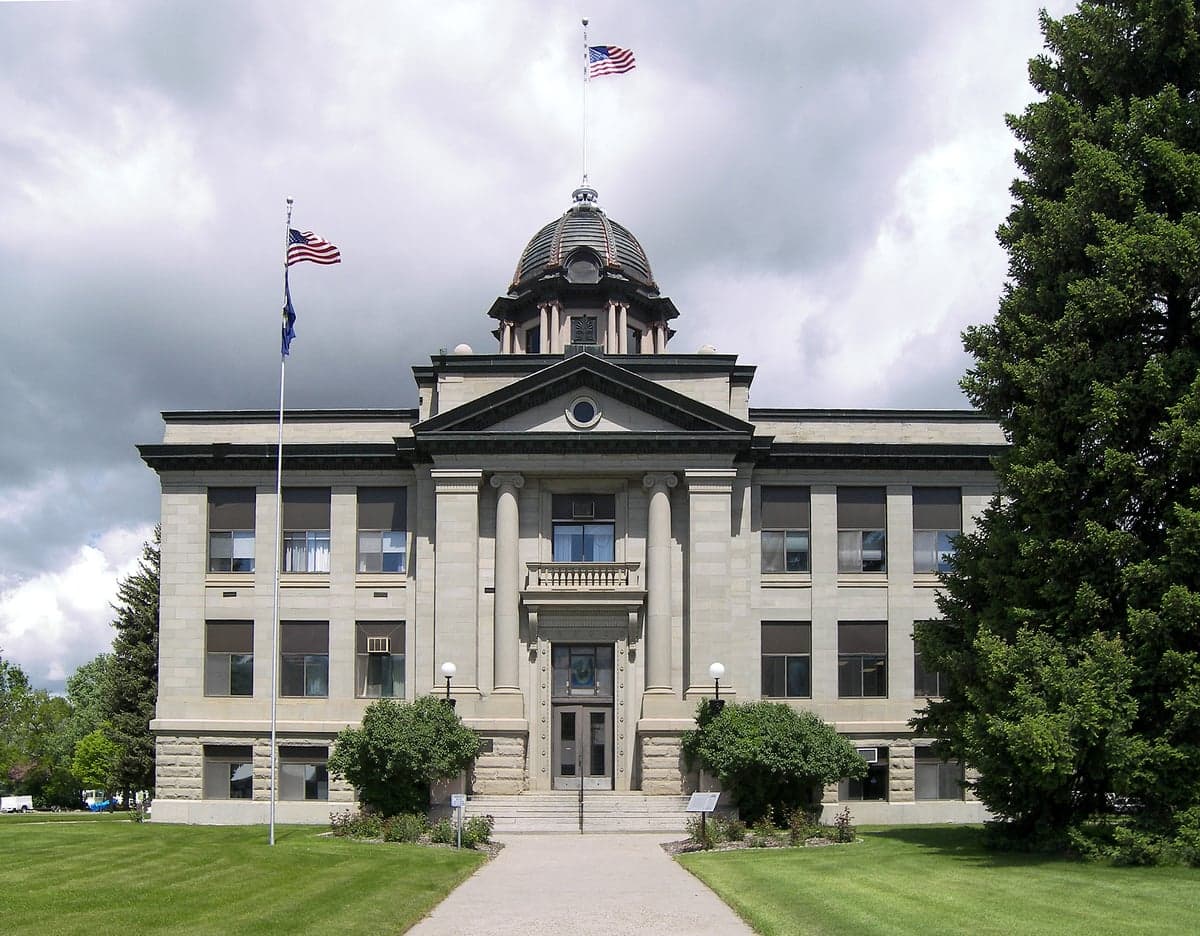
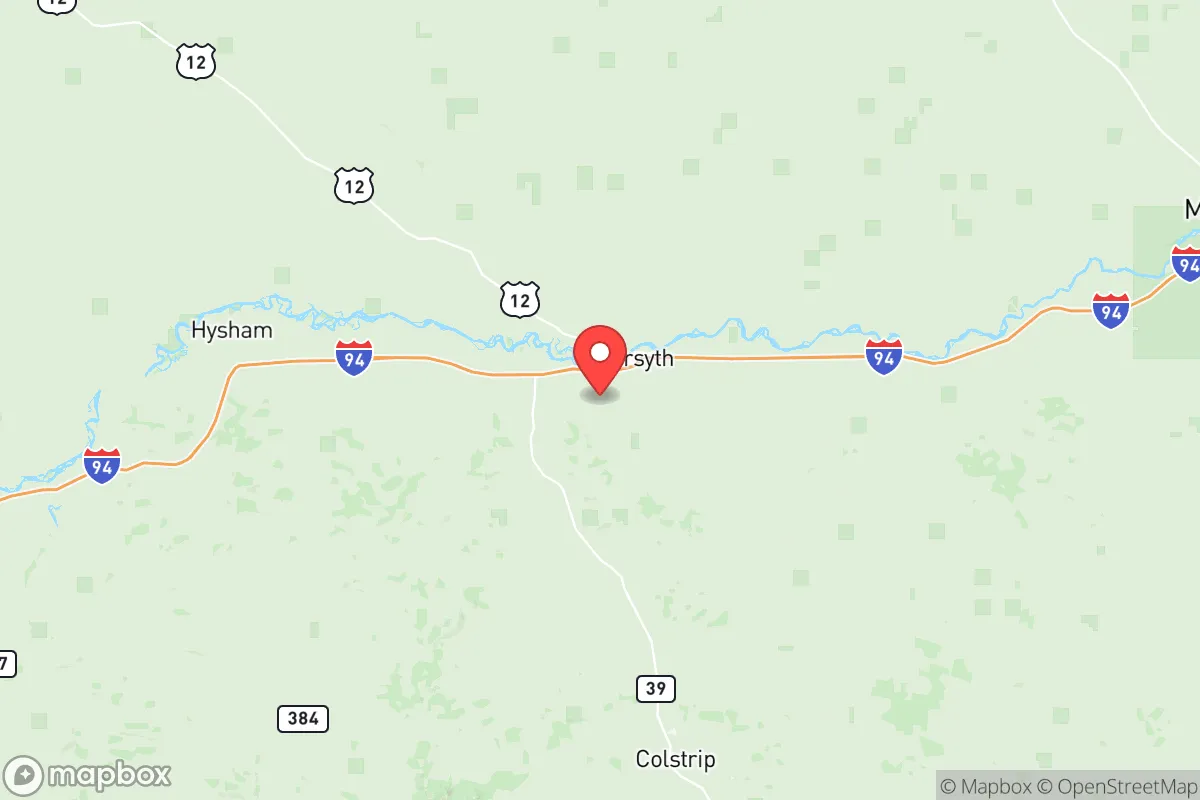
Forsyth, the county seat and largest town with roughly 1,600 residents, serves as the commercial and administrative hub of Rosebud County. Daily life here revolves around a compact downtown anchored by the Rosebud County Courthouse, a handful of locally owned restaurants and shops, and essential services such as the Rosebud Health Care Center hospital and the Forsyth Public Schools system. The town sits at the intersection of Interstate 94 and the Yellowstone River, giving residents relatively quick access to Miles City (about 30 minutes east) for larger retail and medical needs. Housing in Forsyth is notably affordable—the countywide median home value of $188,900 and median rent of $644 are well below state and national averages—and the average commute of just over 15 minutes means most residents can get to work, school, or errands without significant time lost to travel. The town's economy is heavily tied to the BNSF Railway, which runs through the center of Forsyth, as well as agriculture, energy production, and county government. Residents who value walkable streets, a historic downtown, and a sense of community cohesion tend to gravitate toward Forsyth, while those seeking more space or lower land prices often look farther afield.
Smaller towns & rural pockets
Beyond Forsyth, Rosebud County contains a scattering of smaller communities that each offer a distinct flavor of rural Montana life. Colstrip, roughly 45 miles west of Forsyth, is a planned company town built around the Colstrip coal-fired power plant and associated mines; its population of about 2,000 makes it the county's second-largest settlement, though it functions as an isolated energy enclave with its own school district, medical clinic, and limited retail. Rosebud, an unincorporated community along the Yellowstone River about 20 miles west of Forsyth, is a quiet agricultural hamlet with a handful of homes, a post office, and little else in the way of services—residents here commute to Forsyth or Colstrip for most needs. Lame Deer, located in the northern part of the county on the Northern Cheyenne Indian Reservation, is the largest community on the reservation and offers a culturally distinct experience, with tribal government, the Dull Knife Memorial College, and a strong sense of community identity, though infrastructure and retail options are limited compared to Forsyth. Further south, the Tongue River Valley contains scattered ranches and seasonal recreation properties, with no incorporated towns but abundant privacy and access to the Tongue River Reservoir for fishing and boating. Each of these areas demands a higher degree of self-sufficiency, as grocery stores, healthcare, and schools are often 20 to 40 minutes away by car.
Cost & lifestyle range
The cost of living in Rosebud County is uniformly low by national standards, but the trade-offs between affordability and access vary significantly across the county. At one end of the spectrum, Forsyth offers the most amenities per dollar, with a median home value near the county average of $188,900 and rental costs that make it one of the most affordable county seats in Montana; residents pay for that affordability with limited shopping and dining options, but gain a short commute and a tight-knit community. At the other end, rural properties along the Tongue River or in the far southern reaches of the county can be found for well under $150,000 for raw land or older homes, but come with no municipal services, no public water or sewer, and a 30- to 45-minute drive to the nearest grocery store or gas station. Colstrip sits somewhere in the middle, with housing prices slightly below Forsyth's but with the added benefit of a local school and clinic, though the town's economic dependence on coal means long-term stability is uncertain. Lame Deer and the reservation area have the lowest housing costs in the county, but also face the most significant infrastructure and service gaps, including limited access to fresh groceries and healthcare. For renters, the countywide median of $644 per month is a fraction of what similar units would cost in Bozeman or Missoula, but the rental stock is small and turnover is low, making availability a challenge.
Rosebud County is best suited for individuals and families who prioritize financial breathing room, outdoor recreation, and a slower pace of life over urban convenience and career diversity. Those who thrive here tend to be self-reliant, comfortable with long drives for specialty goods, and appreciative of the quiet that comes with living in one of Montana's least densely populated counties. The county's low cost of living and short commutes make it particularly attractive to retirees on fixed incomes, remote workers with stable internet (available in Forsyth and Colstrip, less reliable elsewhere), and people employed in the energy, agriculture, or railroad sectors. For anyone seeking the amenities of a major city or a wide range of social and cultural opportunities, Rosebud County will feel too remote; for those who value space, affordability, and a community where neighbors know each other, it offers a rare and genuine Montana experience.

Crime in Rosebud County
Generally safer than 57% of comparable U.S. locations.
Violent CrimeViolent Crime Analysis
Property CrimeProperty Crime Analysis
Crime Analysis
Rosebud County, Montana, reports a violent crime rate of 420.8 per 100,000 residents and a property crime rate of 1,466.7 per 100,000, placing it above both state and national averages for violent offenses. These figures, drawn from the most recent FBI Uniform Crime Reporting data, indicate that safety conditions vary significantly across the county's small towns and rural expanses. The county's justice system, operating under the 16th Judicial District, handles cases from the county seat of Forsyth to the larger community of Colstrip, with enforcement patterns that differ markedly between these population centers.
Crime in context
Rosebud County's violent crime rate of 420.8 per 100,000 is roughly 20% higher than the national average of approximately 370 per 100,000 and significantly exceeds Montana's statewide violent crime rate of around 300 per 100,000. Property crime in the county, at 1,466.7 per 100,000, sits closer to the national average of roughly 1,950 per 100,000 but remains elevated compared to many rural Montana counties. The disparity between violent and property crime rates suggests that while theft and burglary are manageable, assaults and aggravated incidents are a more pressing concern, particularly in specific localities. Statewide trends show Montana grappling with rising violent crime in resource-dependent communities, and Rosebud County's energy-sector economy in towns like Colstrip may contribute to periodic spikes in alcohol-related and domestic violence incidents.
What residents experience
Daily life in Rosebud County involves navigating a justice environment shaped by the 16th Judicial District's approach to prosecution and sentencing. The district attorney's office, based in Forsyth, handles cases from the county's dispersed communities, and the prevailing judicial philosophy in Montana's rural districts tends toward conservative sentencing practices. However, residents in the county's larger towns — particularly Colstrip and Forsyth — report higher rates of disorderly conduct and drug-related offenses compared to the smaller, unincorporated areas of Birney, Ashland, and Lame Deer. The Northern Cheyenne Indian Reservation, which overlaps the county's eastern portion, operates under a separate tribal justice system with its own enforcement priorities and challenges. For families considering relocation, the practical concern is less about random street crime and more about property theft from vehicles and outbuildings, which accounts for a substantial portion of the county's property crime total. Residents in the more remote areas of Ingomar and Vananda report fewer incidents overall, though response times from the Rosebud County Sheriff's Office can exceed 30 minutes in the most isolated locations.
Neighborhood-level variation
Crime in Rosebud County is not evenly distributed. Colstrip, the county's largest municipality with roughly 2,200 residents, sees a disproportionate share of reported incidents, driven largely by the transient workforce associated with the Colstrip Power Plant and the social tensions that accompany boom-and-bust energy cycles. Forsyth, the county seat with about 1,600 residents, experiences moderate property crime but maintains a visible law enforcement presence through the Forsyth Police Department and the county sheriff's substation. The unincorporated communities of Ashland and Lame Deer, located near or within the reservation boundary, face distinct challenges including higher rates of alcohol-related offenses and limited law enforcement coverage. For prospective residents, the safest housing options tend to be in the agricultural homesteads and ranches outside of Colstrip and Forsyth's core, where neighborly vigilance and low population density naturally deter criminal activity. The Rosebud County Sheriff's Office, with roughly a dozen sworn deputies covering over 5,000 square miles, relies heavily on community reporting and proactive engagement to maintain order across this vast, sparsely populated landscape.
* Values derived from national, state, county, city and local statistics and may differ in a specific area. Last updated: 2026-07-16T18:28:30.000Z
Narrative content on this page is AI-generated and may contain mistakes. Verify any details that matter before acting on them.
ReloMaps may earn a commission from affiliate links at no extra cost to you.

