Photo: Wikipedia
Find The Best Places To Live in Rosebud County
PRO TIP! You can paste a Zillow or Redfin link to get info on that property.
Best Places to Live in Rosebud County
Cities & Towns in Rosebud County
Cities in Rosebud County
What It's Like Living in Rosebud County, MT
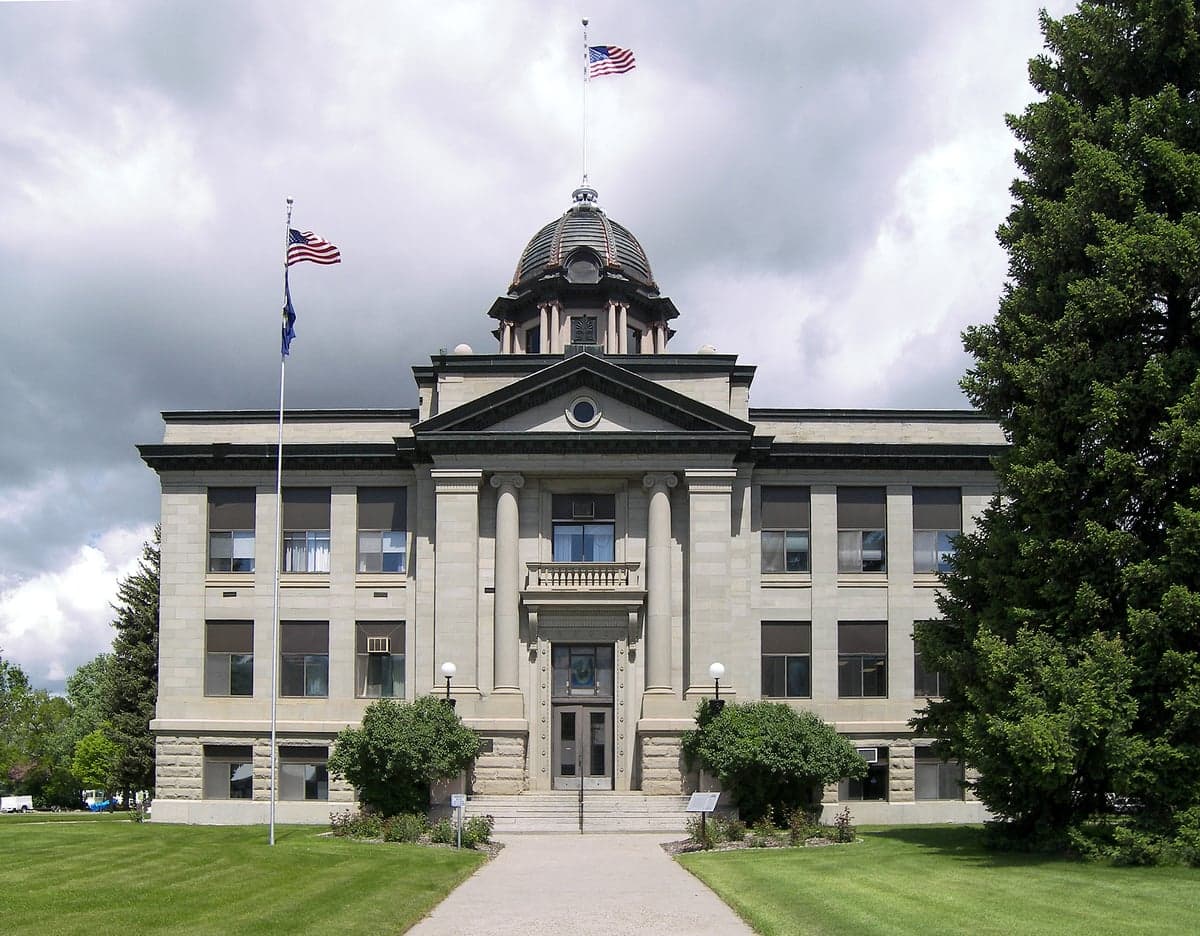
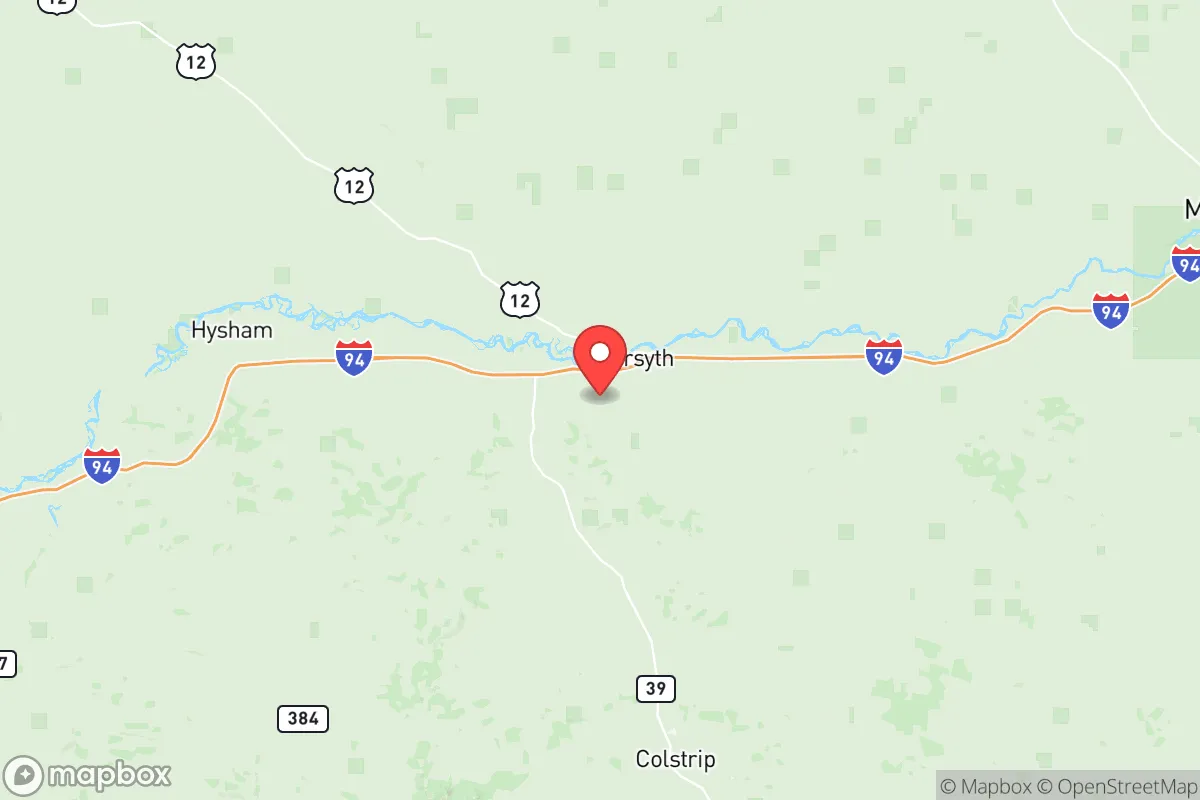
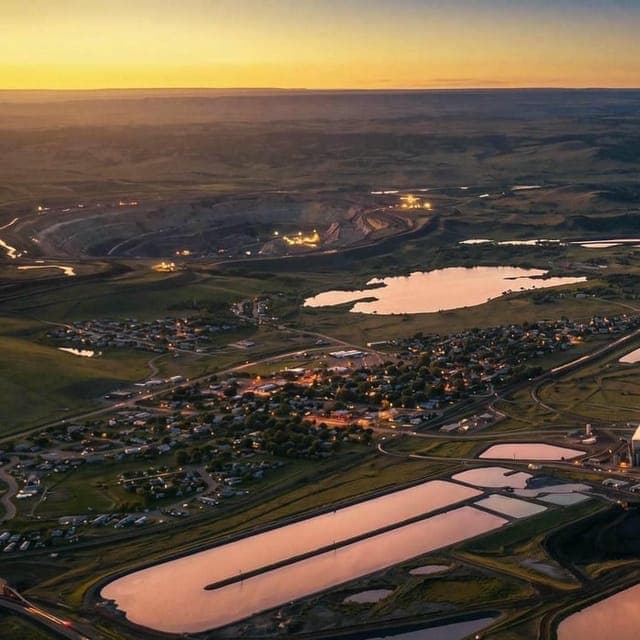
Living in Rosebud County, Montana, means trading the frantic pace of city life for a slower, more self-reliant rhythm defined by the wide-open spaces of the Yellowstone River Valley and the rugged breaks of the Custer Gallatin National Forest. With a population of just over 8,200 spread across a vast landscape, the county’s identity is rooted in energy extraction, ranching, and a deep-seated independence that feels a world away from Bozeman or Billings. The two main hubs—Forsyth, the county seat, and Colstrip, the coal-fired power plant town—offer distinctly different flavors of this rural existence, while smaller communities like Ashland, Lame Deer, and Rosebud itself provide even quieter outposts for those who truly want to get away from it all.
Daily Rhythm in Forsyth and Colstrip
Daily life in Rosebud County is shaped by work and the land. In Forsyth, a town of about 1,600, the morning commute averages a remarkably short 15 minutes—often just a drive from a home on a quiet street to a job at the county courthouse, a local school, or one of the agricultural support businesses along Main Street. The median home value of $188,900 makes homeownership attainable, especially for young families or single individuals looking to escape the housing insanity seen in western Montana. In Colstrip, the economy revolves around the coal-fired power plant and the nearby mine, providing stable, well-paying blue-collar jobs that push the county’s median income to $56,430. Life here is practical: you shop at the local grocery store, grab a coffee at a small diner, and spend weekends on home projects, hunting, or fishing the Yellowstone River. The cost of living index sits at 60, well below the national average, meaning your paycheck stretches further—but your options for dining out or shopping are limited to a handful of local spots.
The kind of person who fits in here values privacy and self-sufficiency. This is not a place for those who need constant entertainment or a vibrant nightlife. It’s a fit for tradespeople, nurses, teachers, and remote workers who crave space and quiet. Families appreciate the low crime rate in the smaller communities, though the county’s overall violent crime rate of 420.8 per 100,000 is notably higher than the national average—a statistic driven largely by challenges in the Lame Deer area, home to the Northern Cheyenne Reservation. Most longtime residents will tell you that property crime is the more common nuisance, with unlocked vehicles and outbuildings occasionally getting rifled through.
Sports, Community, and the School as a Hub
High school sports are the undisputed center of community life. On a Friday night in the fall, the entire town of Forsyth turns out for the Dogies football games, and the gym is packed for winter basketball. The rivalry between Forsyth High School and Colstrip High School is fierce and genuine—these games are social events where generations of families reconnect. For college sports fans, it’s a three-hour drive to Bozeman to catch Montana State Bobcats games or to Missoula for the Grizzlies, but most locals are perfectly happy watching the game at a bar in Rosebud or Ashland rather than making the trek. The schools themselves, particularly in Forsyth and Colstrip, are the heart of the community, hosting everything from holiday concerts to fundraisers, and they serve as the primary social fabric for families with kids.
Beyond sports, the county’s events reflect its heritage. The Rosebud County Fair in Forsyth is a highlight of the summer, featuring rodeo, livestock shows, and a carnival that draws people from all over the region. The Colstrip Summerfest offers a more laid-back community gathering with live music and a car show. For outdoor enthusiasts, the Yellowstone River provides world-class fishing for walleye and catfish, while the nearby Custer Gallatin National Forest offers hunting for deer and elk in the fall. The Pumpkin Creek area near Ashland is a favorite for hiking and ATV riding. There are no major music venues or theaters—entertainment is what you make it, centered around the river, the forest, and your own backyard.
Pros and Cons of Living in Rosebud County
- What residents love: The genuine sense of community where neighbors help each other, the affordable housing market, the lack of traffic and crowds, and the unparalleled access to outdoor recreation. The slower pace of life is a feature, not a bug, for those who choose it.
- What frustrates them: The long drives for anything beyond basic needs—a trip to Billings (about an hour from Forsyth) is required for major shopping, medical specialists, or a flight. The harsh winters can be isolating, and the job market is narrow, heavily tied to energy, agriculture, and public services. The higher violent crime rate, concentrated in specific areas, is a concern for some, though most residents feel safe in their immediate neighborhoods.
A notable cultural quirk is the county’s deep connection to the energy industry. In Colstrip, the power plant isn’t just an employer; it’s the reason the town exists, and conversations about its future are personal and political. Meanwhile, in Forsyth, the agricultural roots run just as deep, with the rhythm of planting and harvest dictating the calendar. The median age of 36.7 suggests a relatively young population, but the county also has a stable core of retirees who have lived here for decades. Only 18.9% of adults hold a college degree, reflecting a workforce that values hands-on skill over formal education. For the right person—someone who values quiet, space, and a community that looks out for its own—Rosebud County offers a genuine, unpolished Montana experience that’s becoming harder to find.

* Values derived from national, state, county, city and local statistics and may differ in a specific area. Last updated: 2026-07-16T18:28:30.000Z
Narrative content on this page is AI-generated and may contain mistakes. Verify any details that matter before acting on them.
ReloMaps may earn a commission from affiliate links at no extra cost to you.

